
Baking a delicious, rich, and flavorful bread doesn’t have to be complicated or require advanced techniques.
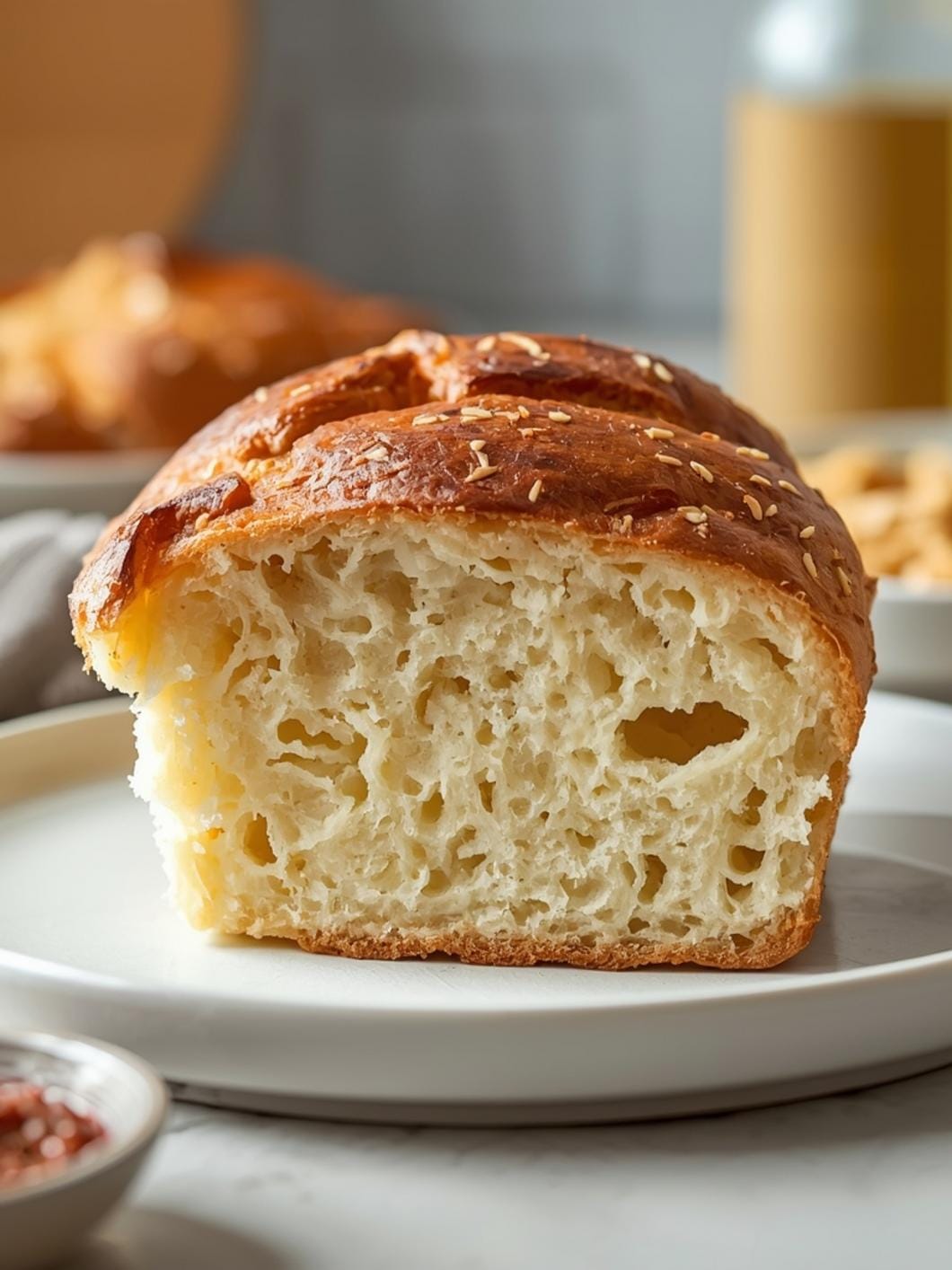
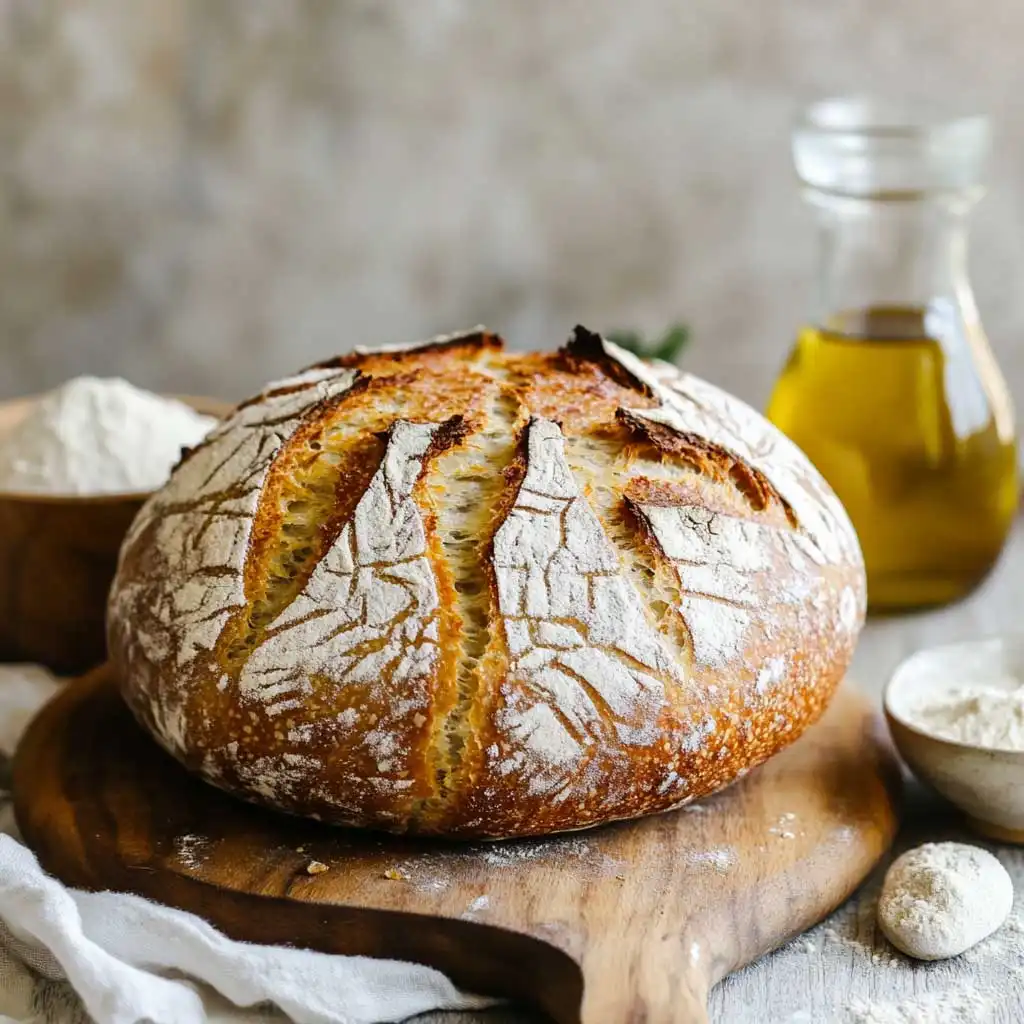
This sourdough brioche-style loaf recipe offers the best of both worlds: the delightful tang of sourdough combined with the tender, buttery crumb of brioche, all in a healthy, accessible format. It’s a wonderful way to enjoy homemade bread with minimal fuss.
This recipe is designed for home bakers looking for a reliable, healthy sourdough option that fits into a busy schedule. Forget long proofing times and intricate steps; this method focuses on simplicity and fantastic results, making it one of the best sourdough loaf recipes you’ll find for a truly rewarding baking experience.

Sourdough Brioche-Style Loaf
- Total Time: 6-10 hours (including rises)
- Yield: 1 loaf (9x5 inch) 1x
Description
This recipe offers a healthy and accessible sourdough brioche-style loaf, combining the tang of sourdough with the tender, buttery crumb of brioche. It’s designed for home bakers looking for a reliable, healthy sourdough option that fits into a busy schedule, with minimal fuss and rewarding results.
Ingredients
Instructions
1. 1. Combine Wet Ingredients and Starter: In a large mixing bowl, whisk together the active sourdough starter, warm milk, granulated sugar, room temperature egg, and cooled melted butter until well combined. The mixture should look slightly frothy and uniform.
2. 2. Add Dry Ingredients: Gradually add the all-purpose flour and salt to the wet mixture. Use a wooden spoon or a sturdy spatula to mix until a shaggy dough forms. It will be sticky at this stage, but don’t worry.
3. 3. Knead the Dough: Turn the dough out onto a lightly floured surface. Knead for about 8-10 minutes until the dough becomes smooth, elastic, and less sticky. It should pass the “windowpane test” – you should be able to stretch a small piece of dough thin enough to see light through it without tearing. If you have a stand mixer, use the dough hook attachment and knead on medium-low speed for 6-8 minutes.
4. 4. First Rise (Bulk Fermentation): Place the kneaded dough in a lightly oiled bowl, turning it once to coat. Cover the bowl with plastic wrap or a damp kitchen towel and let it rise in a warm spot for 4-6 hours, or until doubled in size. Alternatively, for a deeper flavor, you can refrigerate it overnight for 8-12 hours.
5. 5. Shape the Loaf: Gently punch down the risen dough to release the air. Turn it out onto a lightly floured surface. Shape the dough into a rectangular loaf that fits your loaf pan (a standard 9×5 inch pan works well). You can also divide it into three equal pieces and braid them for a beautiful presentation. Place the shaped dough into a lightly greased loaf pan.
6. 6. Second Rise (Proofing): Cover the loaf pan loosely with plastic wrap or a damp towel and let it rise again in a warm spot for 1-2 hours, or until it has nearly doubled in size and looks puffy. It should spring back slowly when gently poked with a finger.
7. 7. Prepare for Baking: Preheat your oven to 375 F (190 C). If using, whisk the egg yolk and water together to create an egg wash. Gently brush the top of the risen loaf with the egg wash for a golden, shiny crust.
8. 8. Bake the Loaf: Bake for 30-35 minutes, or until the crust is golden brown and the internal temperature reaches 200-210 F (93-99 C) when measured with an instant-read thermometer. If the top browns too quickly, you can loosely tent it with aluminum foil. Remove the loaf from the oven and let it cool in the pan for 10 minutes before transferring it to a wire rack to cool completely before slicing.
- Prep Time: 15 minutes
- Cook Time: 30-35 minutes
- Category: bread
- Method: baking
- Cuisine: american
Nutrition
- Serving Size: 1 slice
Keywords: sourdough, brioche, bread, homemade, baking, easy, healthy, loaf, starter, butter
What You’ll Love About This Quick And Easy Recipe
This recipe is a true gem for anyone who appreciates homemade bread but doesn’t have endless hours to dedicate to the kitchen. It works beautifully because it streamlines the traditional brioche process, infusing it with the unique depth of sourdough without the usual complexities. You’ll love the satisfying aroma that fills your home as it bakes and the incredibly soft, rich texture of the finished loaf. This recipe is perfect for busy parents, new bakers, or anyone seeking a healthier bread option that doesn’t compromise on flavor or indulgence. Serve it for breakfast toasted with jam, alongside a hearty soup for lunch, or as a delightful accompaniment to dinner. Its versatility makes it a fantastic addition to any meal, elevating everyday eating into something special.
Everything You Need To Make This Recipe Without Stress
Gathering your ingredients before you begin ensures a smooth and enjoyable baking process. This recipe uses readily available items, making it easy to whip up a delicious loaf without a special trip to the store. The key to its success lies in the quality of these simple components, which come together to create a bread that is both healthy and incredibly satisfying.
INGREDIENTS:
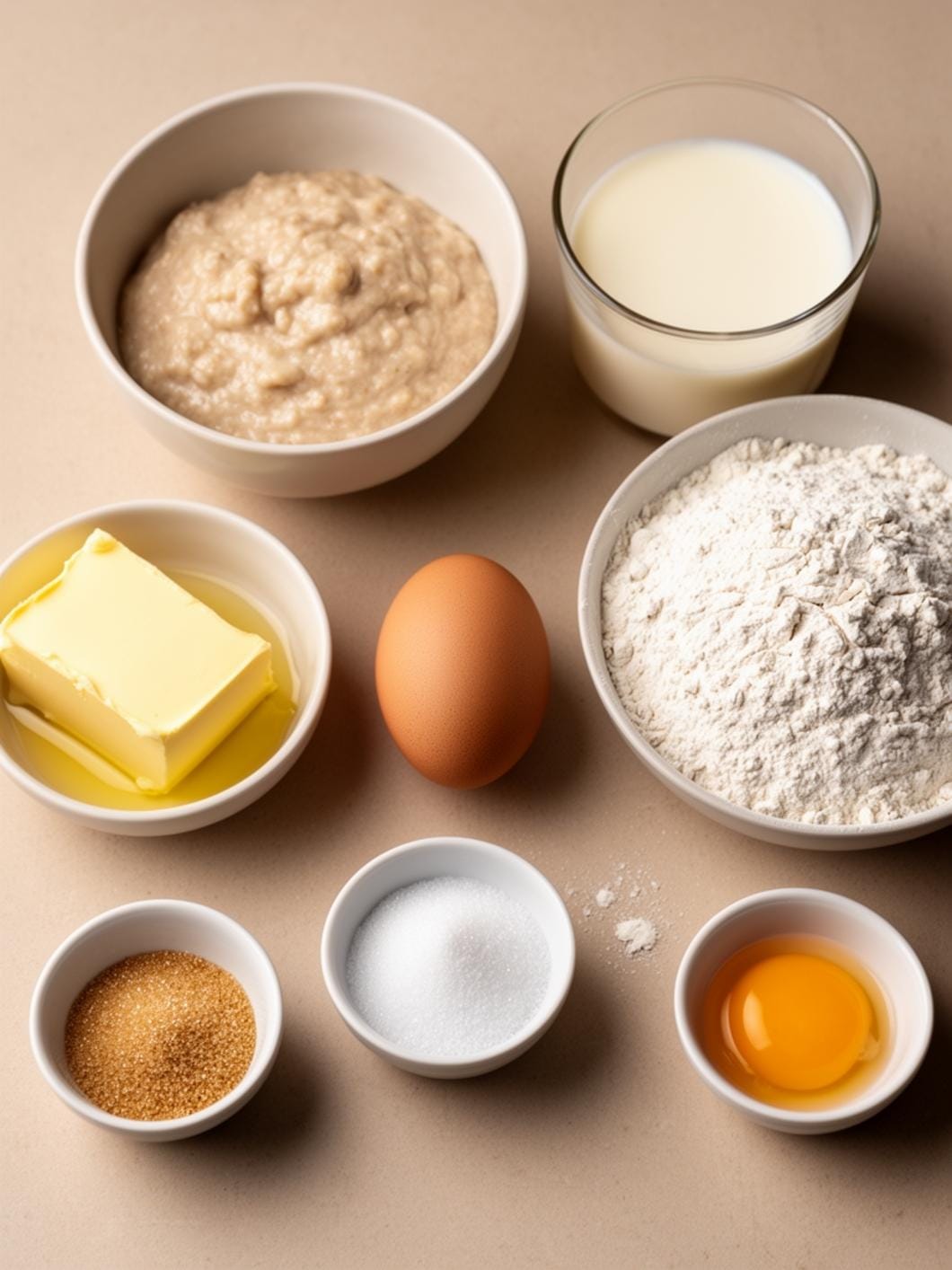
- 1 cup active sourdough starter (fed and bubbly)
- 1/2 cup warm milk (around 100-110°F)
- 1/4 cup granulated sugar
- 1 large egg, at room temperature
- 1/4 cup unsalted butter, melted and cooled
- 3 cups all-purpose flour, plus more for dusting
- 1 teaspoon salt
- 1 egg yolk, for egg wash (optional)
- 1 tablespoon water, for egg wash (optional)
For simple substitutions, you can use plant-based milk like almond or oat milk if you prefer a dairy-free option, ensuring it’s warmed to the correct temperature. If you don’t have granulated sugar, an equal amount of light brown sugar can be used, which will add a slightly deeper, molasses-like flavor. While all-purpose flour is recommended for its tender crumb, bread flour can be used for a chewier texture, though you might need a tiny bit more liquid. Always use unsalted butter to control the salt content in your recipe; if you only have salted butter, reduce the added salt by about a quarter teaspoon.
Time Needed From Start To Finish
This recipe is designed to be efficient while still delivering a fantastic result. The hands-on time is minimal, allowing the sourdough starter to do most of the heavy lifting in terms of flavor development and rise.
- Preparation Time: 15 minutes
- First Rise Time: 4–6 hours (or overnight in the refrigerator for 8–12 hours)
- Shaping Time: 10 minutes
- Second Rise Time: 1–2 hours
- Baking Time: 30–35 minutes
- Total Active Time: Approximately 25 minutes
- Total Overall Time (including rises): 6–10 hours (or longer if refrigerating overnight)
How To Make It Step By Step With Visual Cues
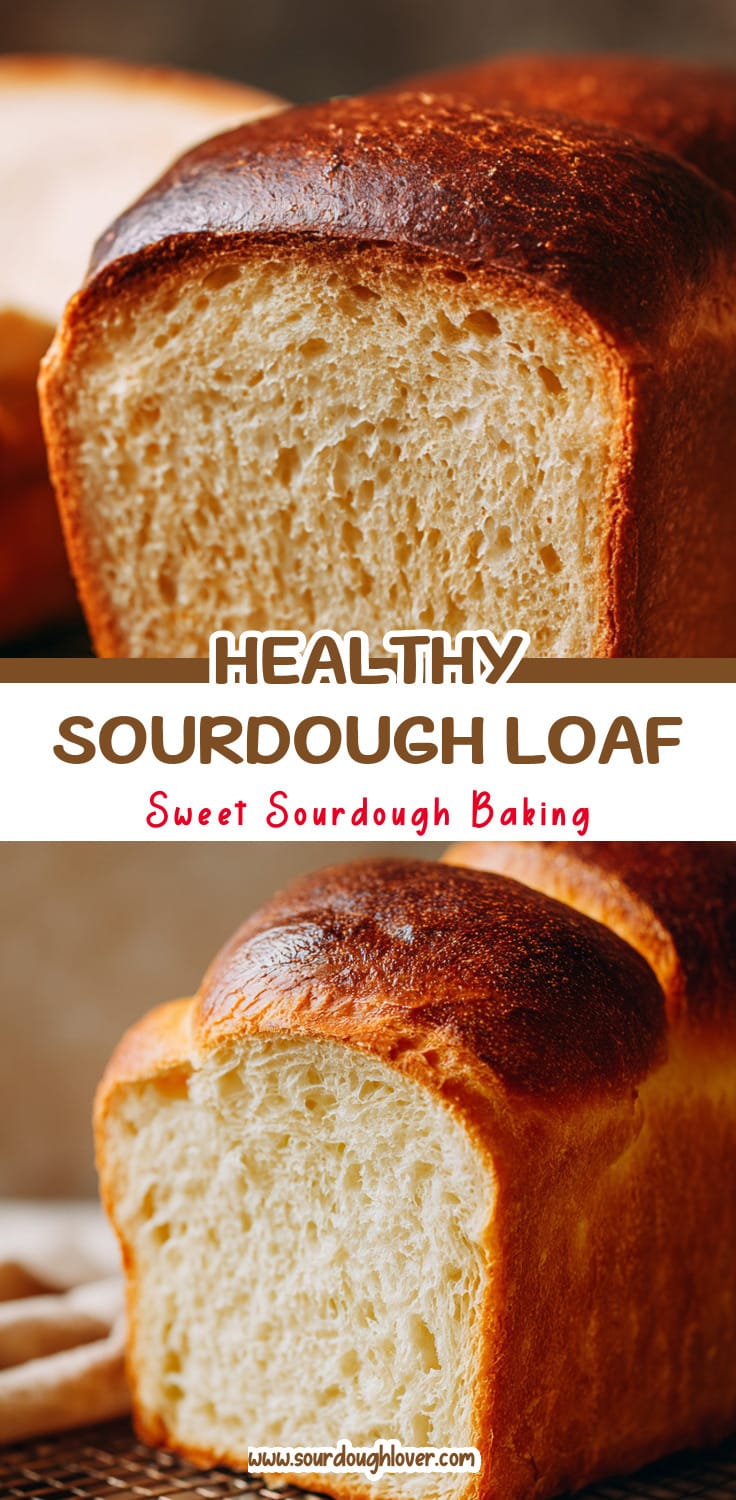
Creating this sourdough brioche-style loaf is a straightforward process, broken down into easy-to-follow steps. Pay attention to the texture of the dough and its appearance as it rises – these are your best visual cues for success.
- Combine Wet Ingredients and Starter: In a large mixing bowl, whisk together the active sourdough starter, warm milk, granulated sugar, room temperature egg, and cooled melted butter until well combined. The mixture should look slightly frothy and uniform.
- Add Dry Ingredients: Gradually add the all-purpose flour and salt to the wet mixture. Use a wooden spoon or a sturdy spatula to mix until a shaggy dough forms. It will be sticky at this stage, but don’t worry.
- Knead the Dough: Turn the dough out onto a lightly floured surface. Knead for about 8-10 minutes until the dough becomes smooth, elastic, and less sticky. It should pass the “windowpane test” – you should be able to stretch a small piece of dough thin enough to see light through it without tearing. If you have a stand mixer, use the dough hook attachment and knead on medium-low speed for 6-8 minutes.
- First Rise (Bulk Fermentation): Place the kneaded dough in a lightly oiled bowl, turning it once to coat. Cover the bowl with plastic wrap or a damp kitchen towel and let it rise in a warm spot for 4-6 hours, or until doubled in size. Alternatively, for a deeper flavor, you can refrigerate it overnight for 8-12 hours.
- Shape the Loaf: Gently punch down the risen dough to release the air. Turn it out onto a lightly floured surface. Shape the dough into a rectangular loaf that fits your loaf pan (a standard 9×5 inch pan works well). You can also divide it into three equal pieces and braid them for a beautiful presentation. Place the shaped dough into a lightly greased loaf pan.
- Second Rise (Proofing): Cover the loaf pan loosely with plastic wrap or a damp towel and let it rise again in a warm spot for 1-2 hours, or until it has nearly doubled in size and looks puffy. It should spring back slowly when gently poked with a finger.
- Prepare for Baking: Preheat your oven to 375°F (190°C). If using, whisk the egg yolk and water together to create an egg wash. Gently brush the top of the risen loaf with the egg wash for a golden, shiny crust.
- Bake the Loaf: Bake for 30-35 minutes, or until the crust is golden brown and the internal temperature reaches 200-210°F (93-99°C) when measured with an instant-read thermometer. If the top browns too quickly, you can loosely tent it with aluminum foil. Remove the loaf from the oven and let it cool in the pan for 10 minutes before transferring it to a wire rack to cool completely before slicing.
Easy Variations And Serving Ideas That Fit Real Life
This sourdough brioche-style loaf is incredibly versatile, making it easy to adapt for different tastes and occasions. For a sweeter treat, you can add 1/2 cup of chocolate chips or dried cranberries to the dough during the kneading stage. For a savory twist, try incorporating 1/4 cup of grated Parmesan cheese and a teaspoon of dried herbs like rosemary or thyme.
This bread is fantastic on its own, but it also shines with various accompaniments. For breakfast, serve slices toasted with butter and your favorite jam, or make it into a luxurious French toast. For lunch, it makes an exceptional sandwich bread, especially for grilled cheese or a classic ham and cheese. At a party or buffet, slice it thinly and serve with a cheese board, a selection of charcuterie, or a flavorful dip like spinach artichoke or a creamy hummus. Kids often love it simply with a spread of Nutella or peanut butter, making it a healthy and satisfying snack.
Common Slip-Ups And How To Avoid Them
Even experienced bakers can encounter minor issues, but understanding common pitfalls can help you avoid them.
- Dough Not Rising: The most frequent issue is an inactive sourdough starter. Ensure your starter is fed and bubbly before you begin, showing clear signs of activity. Also, make sure your milk isn’t too hot, as excessive heat can kill the yeast in the starter. A warm (not hot) environment for rising is also crucial.
- Over-Kneading or Under-Kneading: Under-kneaded dough will be dense and crumbly, while over-kneaded dough can become tough. Aim for a dough that is smooth and elastic, passing the windowpane test. If using a stand mixer, check the dough frequently.
- Loaf Is Too Dense: This can be due to not enough rise time, an inactive starter, or too much flour. Ensure your dough doubles in size during both rises and measure your flour accurately, preferably by weight if possible.
- Crust Too Hard or Burning: If your oven runs hot, the crust might brown too quickly. Tent the loaf with foil if you notice it getting too dark before the baking time is up. A shallow pan of water in the bottom of the oven can also help create a softer crust by adding steam.
- Difficulty Shaping: If the dough is too sticky, lightly flour your hands and work surface, but avoid adding too much extra flour to the dough itself, as this can dry it out. If it’s too slack
FAQs
- Can I make these ahead? Yes—prep ahead, refrigerate, then serve when ready.
- How long do leftovers last? Store covered in the fridge for 3–4 days for best texture.
- Can I adjust sweetness? Yes—add more or less sweetener to taste.
- Can I change the fruit? Yes—swap strawberries for blueberries, raspberries, or sliced banana.