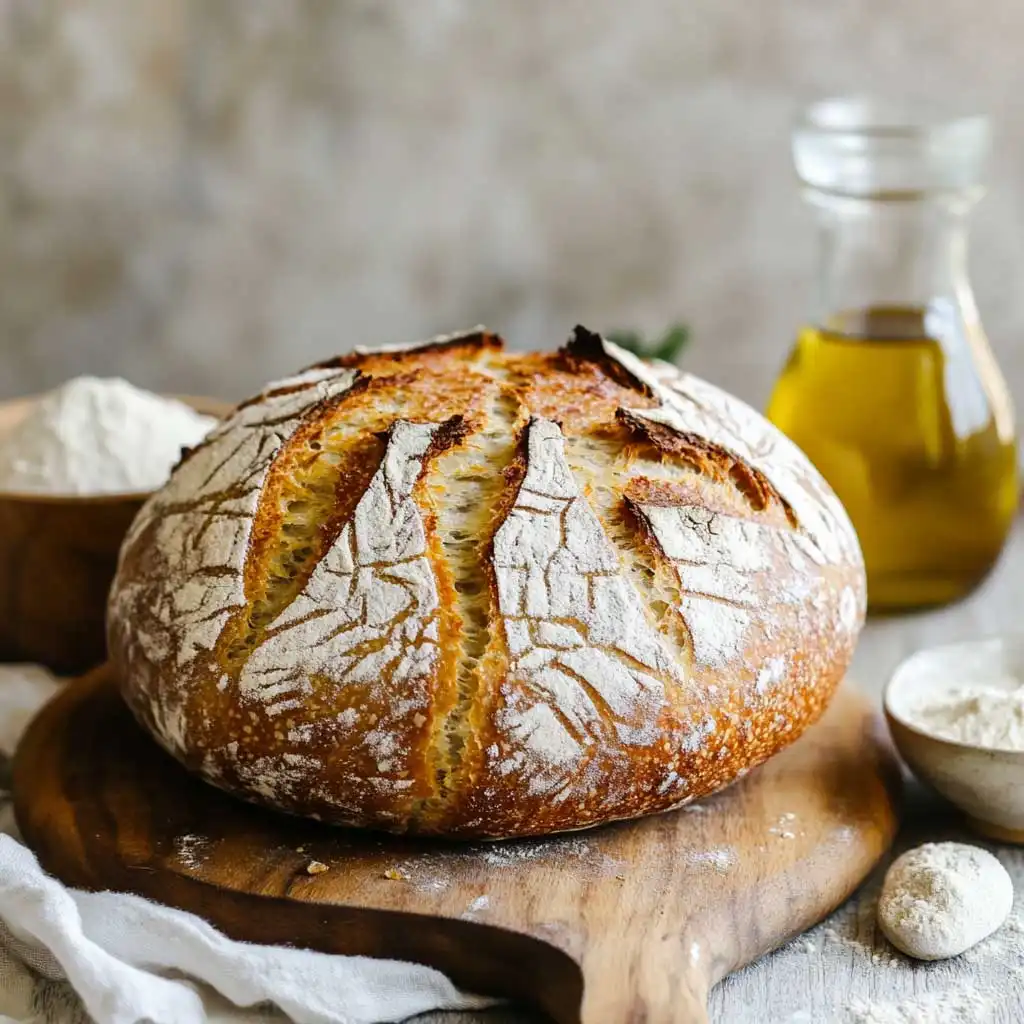

Understanding the texture of your homemade sourdough bread is key to unlocking truly exceptional loaves.
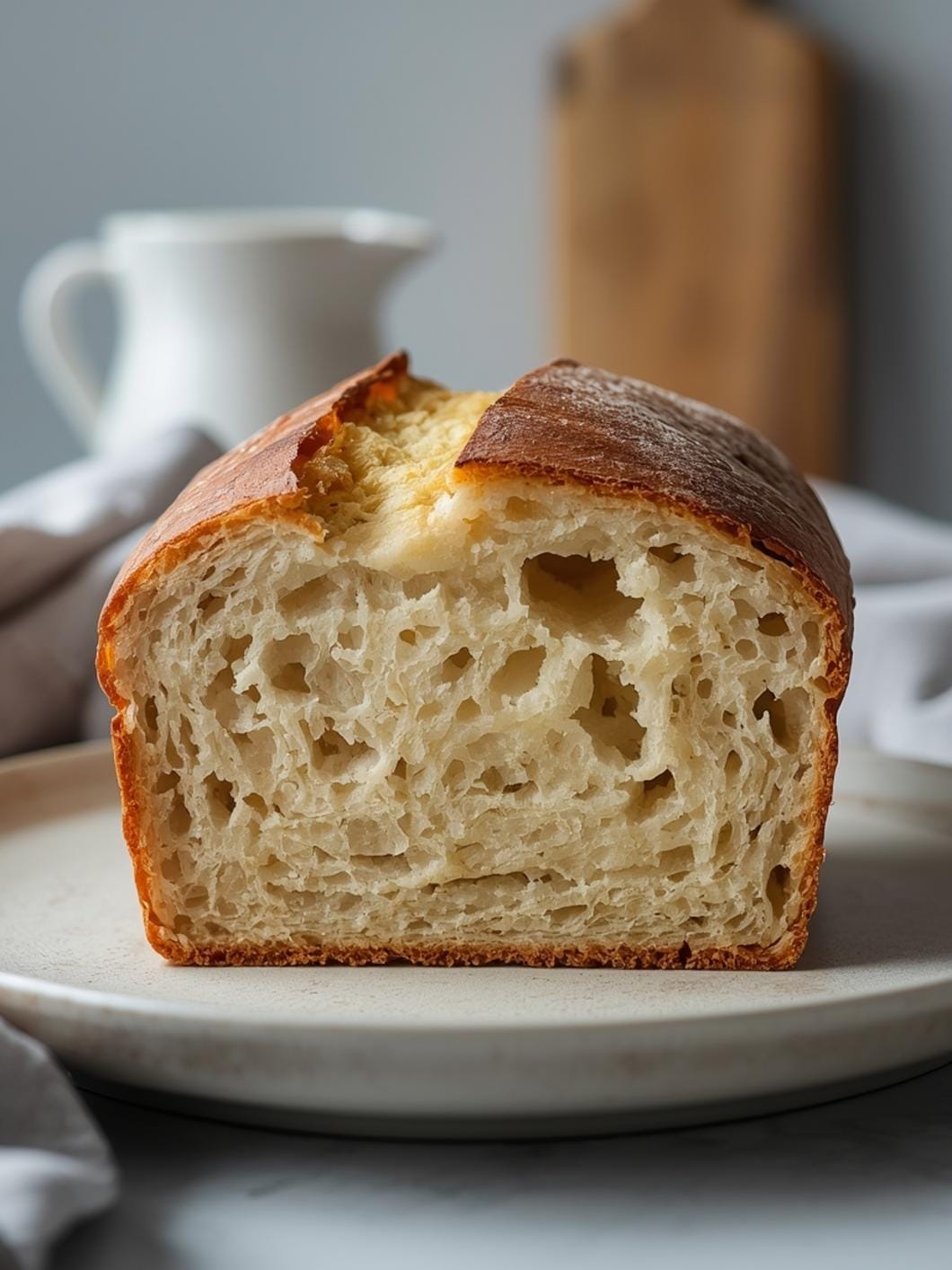
While the journey of sourdough baking can sometimes feel like a mystery, deciphering the crumb – the internal structure of your bread – provides invaluable insights into your process. From airy, open textures to denser, more uniform crumbs, each tells a story about hydration, fermentation, and shaping.
This guide is designed to demystify the sourdough crumb, offering a clear chart to help you analyze your bread and fine-tune your techniques. Whether you’re aiming for that signature open crumb or a more consistent texture for sandwiches, learning to read your bread’s interior will empower you to achieve a beautiful and delicious loaf every single time.
Table of Contents
- What You’ll Love About This Quick And Easy Recipe
- Everything You Need To Make This Recipe Without Stress
- Time Needed From Start To Finish
- How To Make It Step By Step With Visual Cues
- Easy Variations And Serving Ideas That Fit Real Life
- Common Slip-Ups And How To Avoid Them
- How To Store It And Make It Ahead Without Ruining Texture

Sourdough Crumb Analysis Guide
- Total Time: 10-15 minutes (plus cooling time for bread)
- Yield: 1 analyzed loaf 1x
Description
This guide helps sourdough bakers understand and analyze the internal structure (crumb) of their bread to improve baking techniques. It provides a framework for observing and interpreting crumb characteristics, connecting them to hydration, fermentation, and shaping processes.
Ingredients
Instructions
1. 1. Ensure Your Bread Is Fully Cooled: This is critical. Slicing warm bread will compress the crumb, making it appear gummy and dense, even if it’s perfectly baked. Always allow your bread to cool completely before slicing. Wait at least 2-4 hours after baking, or even overnight, for the bread to cool completely.
2. 2. Prepare Your Slicing Area: Place your cooled loaf on a stable cutting board. Ensure you have good, natural light to clearly see the internal structure.
3. 3. Make a Clean Slice: Using a sharp, serrated bread knife, slice the loaf roughly in the middle. Aim for a clean, even cut that reveals a cross-section of the entire loaf. Avoid sawing motions that might tear or distort the crumb.
4. 4. Observe the Overall Structure: Look at the entire slice. Is the crumb uniform, or are there large, irregular holes? Is it dense and tight, or open and airy? Notice the distribution of the air pockets.
5. 5. Examine Individual Air Pockets (Alveoli): Pay attention to the size, shape, and distribution of the holes. Are they small and consistent, or large and varied? Are there tunnels or very large, isolated holes?
6. 6. Assess the Texture of the Crumb: Gently touch the crumb. Does it feel moist and elastic, or dry and brittle? Is it gummy or chewy? A good sourdough crumb should feel tender and slightly moist.
7. 7. Compare to Your Crumb Chart: Use a reliable sourdough crumb chart (which you would have printed or pulled up on a screen) to match your observations. Look for descriptions and images that most closely resemble your loaf. This comparison will help you identify what went well and what might need adjustment in your next bake.
8. 8. Document Your Findings: Take notes or even a photo of your crumb. Compare it with your baking notes from that specific loaf. This practice builds a valuable personal database for continuous improvement.
- Prep Time: 1-2 minutes
- Cook Time: 0 minutes
- Category: baking guide
- Method: observational analysis
- Cuisine: sourdough
Nutrition
- Serving Size: 1 loaf
Keywords: sourdough, crumb, baking, guide, bread, analysis, fermentation, hydration, shaping, texture
What You’ll Love About This Quick And Easy Recipe
This “recipe” isn’t for baking, but rather for understanding and improving your sourdough baking results. What you’ll love is the clarity and confidence it brings to your kitchen. It works by providing visual and descriptive benchmarks for various sourdough crumb types, helping you diagnose issues and celebrate successes. This guide is for any home baker, from curious beginners to seasoned sourdough enthusiasts, who wants to consistently produce better bread. You’ll find yourself referring to it after every bake, using it as a diagnostic tool to refine your next steps. It’s perfect for those moments when you slice into a fresh loaf and wonder, “Did I get it right?”
Everything You Need To Make This Recipe Without Stress
To effectively use this sourdough crumb chart, you don’t need any special ingredients or baking tools. What you need is your freshly baked sourdough bread, a good knife for slicing, and a keen eye. The “ingredients” for understanding your crumb are purely observational and analytical.
INGREDIENTS:
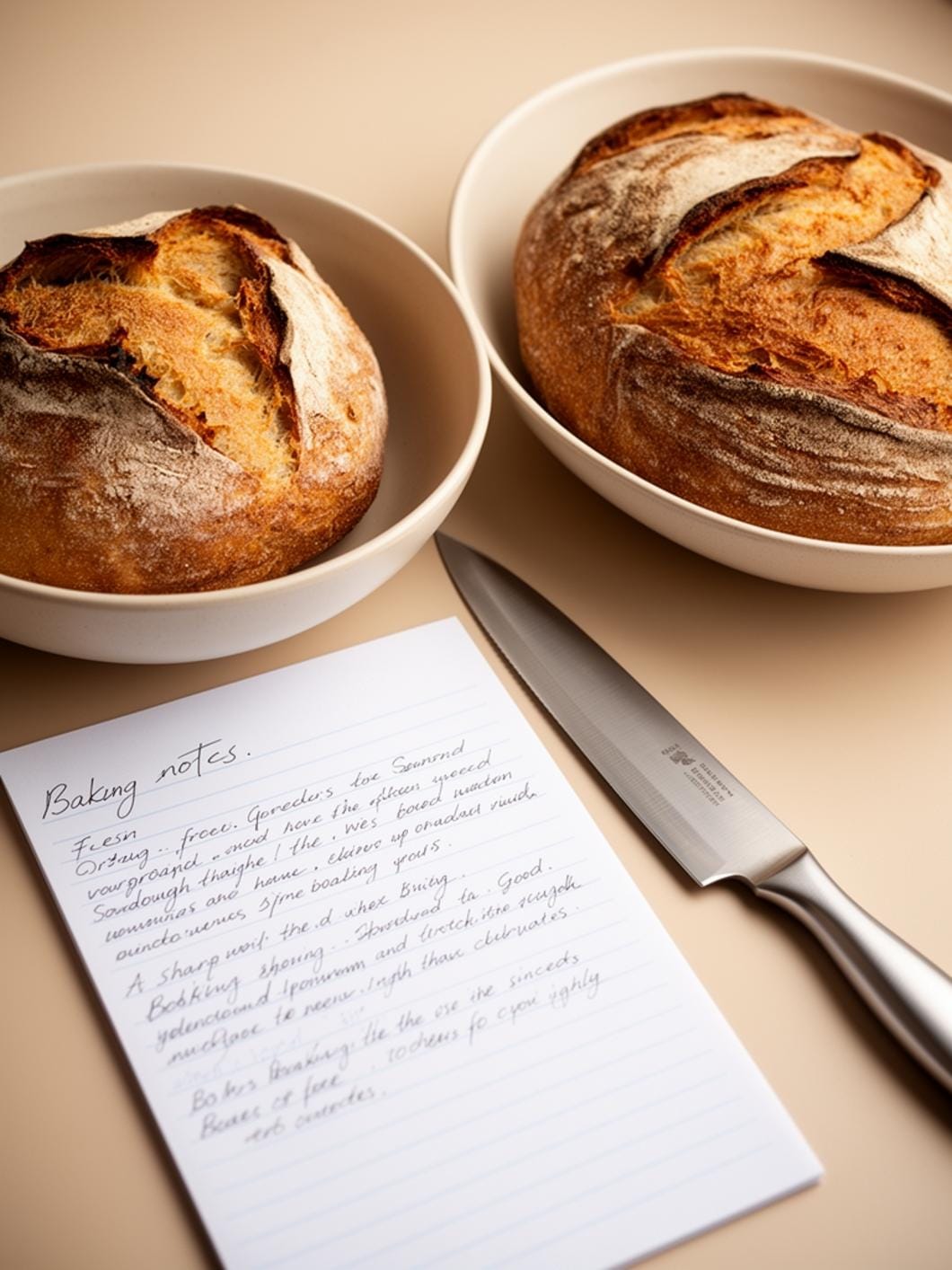
- 1 fresh loaf of sourdough bread
- A sharp bread knife
- Good lighting for observation
- Your baking notes (optional, but highly recommended)
After baking your sourdough loaf and allowing it to cool completely, the most crucial step is to slice it open. A sharp, serrated bread knife will ensure a clean cut without compressing the crumb, giving you the most accurate view of its internal structure. Good lighting is essential to clearly see the size, shape, and distribution of the air pockets. While not strictly an “ingredient,” keeping detailed notes of your sourdough process—including starter activity, hydration levels, bulk fermentation times, and proofing conditions—will be incredibly helpful when comparing your crumb to the chart. This allows you to connect specific process steps to the resulting crumb structure.
Time Needed From Start To Finish
The “time” required for this “recipe” is minimal and completely dependent on when you bake your bread. Once your sourdough loaf is fully cooled (which can take 2-4 hours, depending on its size), the analysis itself is very quick.
- Prep Time: 1-2 minutes (for slicing your cooled loaf)
- Analysis Time: 5-10 minutes (to carefully observe and compare your crumb to the chart)
- Total Time: Approximately 10-15 minutes of active engagement, plus cooling time for your bread.
This short investment of time after each bake can significantly accelerate your learning curve and improve your future sourdough results.
How To Make It Step By Step With Visual Cues
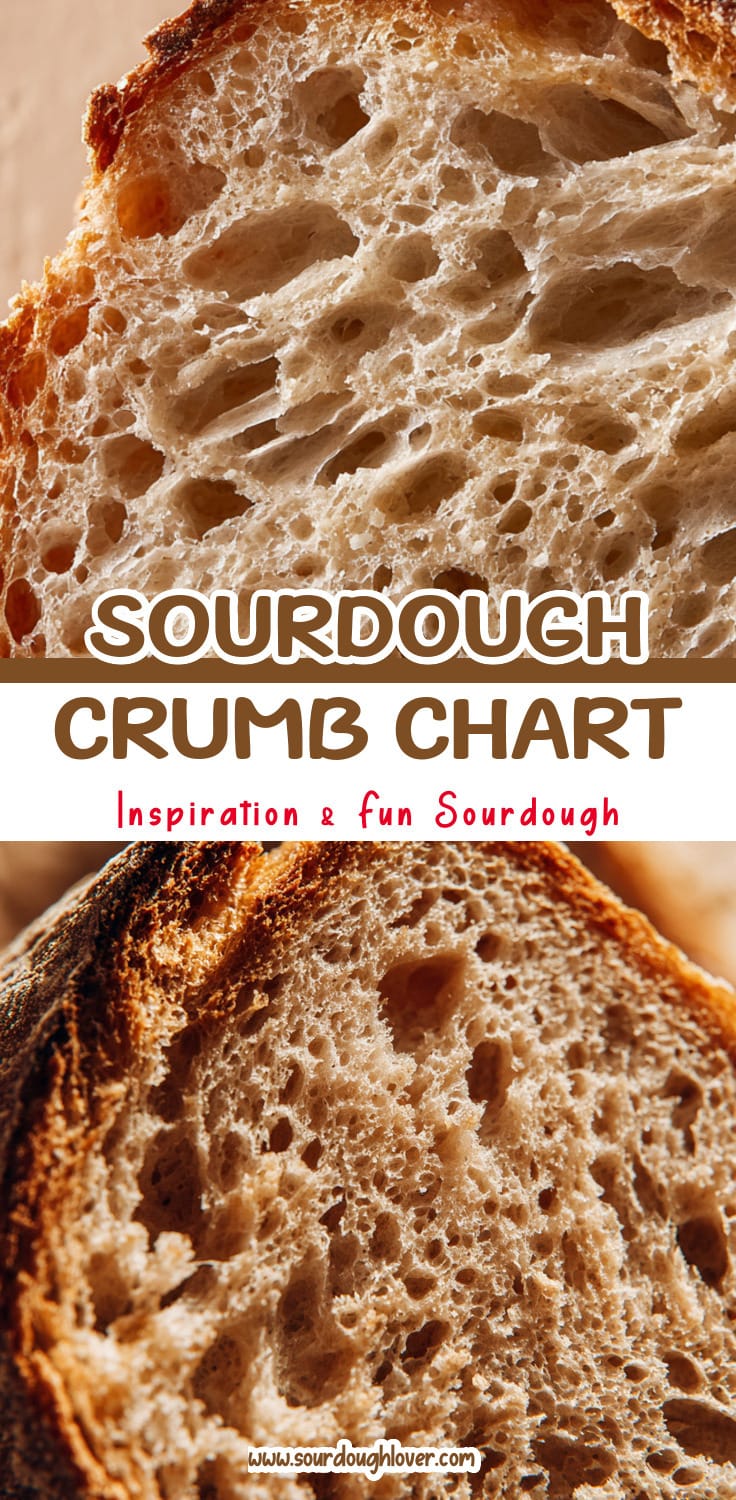
Analyzing your sourdough crumb is a straightforward process once you know what to look for. Follow these steps to effectively use your crumb chart.
- Ensure Your Bread Is Fully Cooled: This is critical. Slicing warm bread will compress the crumb, making it appear denser than it actually is and potentially giving you an inaccurate assessment. Wait at least 2-4 hours after baking, or even overnight, for the bread to cool completely.
- Prepare Your Slicing Area: Place your cooled loaf on a stable cutting board. Ensure you have good, natural light to clearly see the internal structure.
- Make a Clean Slice: Using a sharp, serrated bread knife, slice the loaf roughly in the middle. Aim for a clean, even cut that reveals a cross-section of the entire loaf. Avoid sawing motions that might tear or distort the crumb.
- Observe the Overall Structure: Look at the entire slice. Is the crumb uniform, or are there large, irregular holes? Is it dense and tight, or open and airy? Notice the distribution of the air pockets.
- Examine Individual Air Pockets (Alveoli): Pay attention to the size, shape, and distribution of the holes. Are they small and consistent, or large and varied? Are there tunnels or very large, isolated holes?
- Assess the Texture of the Crumb: Gently touch the crumb. Does it feel moist and elastic, or dry and brittle? Is it gummy or chewy? A good sourdough crumb should feel tender and slightly moist.
- Compare to Your Crumb Chart: Use a reliable sourdough crumb chart (which you would have printed or pulled up on a screen) to match your observations. Look for descriptions and images that most closely resemble your loaf. This comparison will help you identify what went well and what might need adjustment in your next bake.
- Document Your Findings: Take notes or even a photo of your crumb. Compare it with your baking notes from that specific loaf. This practice builds a valuable personal database for continuous improvement.
Easy Variations And Serving Ideas That Fit Real Life
While this guide focuses on understanding the crumb itself, the ultimate goal is to produce delicious bread that can be enjoyed in countless ways. The “variations” here relate to how different crumb structures lend themselves to different serving styles.
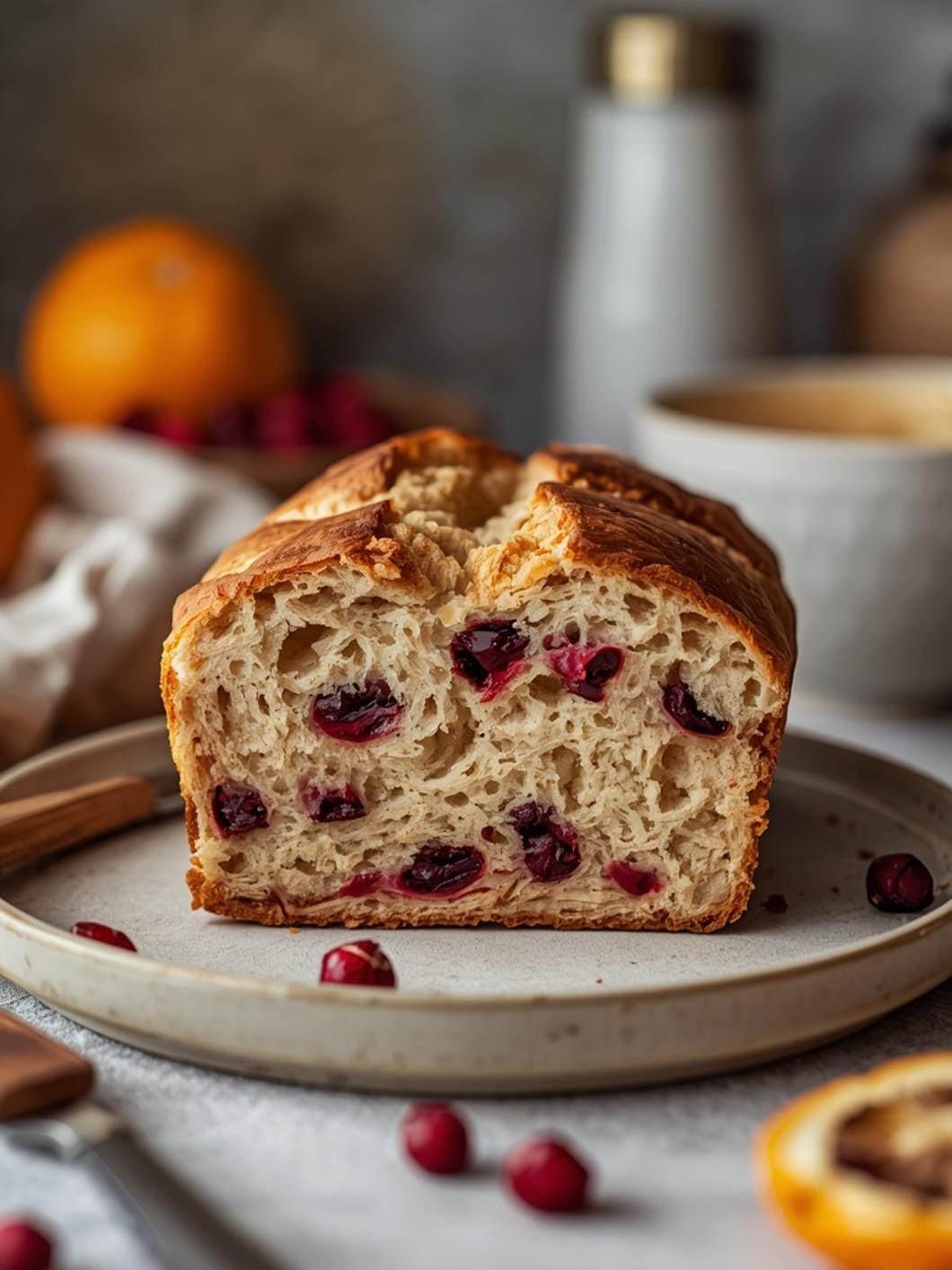
- For an Open, Airy Crumb: This is fantastic for soaking up liquids. Serve it with olive oil and balsamic vinegar for dipping, alongside a robust soup, or as a base for bruschetta. Its light texture also makes it perfect for open-faced sandwiches with delicate toppings like avocado and smoked salmon.
- For a More Uniform, Medium Crumb: This versatile crumb is ideal for everyday use. Think classic sandwiches, toast with butter and jam, or alongside a hearty stew. It holds up well to fillings and provides a satisfying chew.
- For a Denser, Tighter Crumb: While often indicative of an issue, a slightly denser crumb can still be delicious. It’s excellent for grilled cheese, French toast, or as a base for savory bread puddings. Don’t discard a denser loaf; repurpose it creatively!
- Kid-Friendly Serving Ideas: Kids often prefer a less airy crumb for sandwiches, as it’s easier to manage. A medium, consistent crumb is perfect for PB&J, cheese sandwiches, or simply toasted with their favorite spread. For a fun treat, cut denser bread into shapes with cookie cutters before toasting.
- Party/Buffet Serving: An open-crumb sourdough makes an impressive presentation for a cheese board or charcuterie platter. A medium crumb is better for crostini or small appetizer bites, as it offers more stability.
Common Slip-Ups And How To Avoid Them
When analyzing your sourdough crumb, it’s easy to misinterpret what you’re seeing or make assumptions. Here are some common slip-ups and how to navigate them effectively.
- Slicing Bread While Still Warm: This is the most frequent mistake. Warm bread releases steam, which can make the crumb appear gummy and dense, even if it’s perfectly baked. Always allow your bread to cool completely before slicing. Patience is key!
- Misinterpreting Large, Irregular Holes (Tunnels): While an open crumb is often desired, very large, isolated holes or long tunnels can indicate under-proofing or improper shaping, rather than a perfectly developed gluten structure. Look for a more even distribution of varied hole sizes.
- Confusing Gummy Crumb with Moist Crumb: A truly moist crumb is tender and elastic. A gummy crumb, however, feels sticky or wet to the touch and can be a sign of underbaking or insufficient fermentation. Ensure your internal temperature reaches 200-210°F (93-99°C) for a fully baked loaf.
- Ignoring the Crust: While the crumb chart focuses on the interior, the crust provides important clues too. A pale crust might suggest underbaking, while a very thick, hard crust could point to too much steam or too long a bake time. Consider the crust in conjunction with the crumb.
- Not Documenting Your Process: Without notes on your starter activity, hydration, bulk fermentation time, and proofing, it’s difficult to connect a specific crumb outcome to a particular step in your process. Start a simple baking journal to track your variables.
- Expecting Perfection Every Time: Sourdough baking is a journey of continuous learning. Don’t get discouraged by a less-than-perfect crumb. Each bake is an opportunity to learn and adjust. Focus on understanding *why* your crumb looks the way it does, rather than just judging it.
How To Store It And Make It Ahead Without Ruining Texture
This section applies to the sourdough bread you’ve analyzed, ensuring you can enjoy its texture and flavor for as long as possible. Proper storage is crucial to maintain the crumb you’ve worked so hard to achieve.
- Storing Your Baked Sourdough: Once your sourdough loaf is completely cool, store it at room temperature. The best method is to place it cut-side down on a cutting board,
FAQs
- Can I make these ahead? Yes—prep ahead, refrigerate, then serve when ready.
- How long do leftovers last? Store covered in the fridge for 3–4 days for best texture.
- Can I adjust sweetness? Yes—add more or less sweetener to taste.
- Can I change the fruit? Yes—swap strawberries for blueberries, raspberries, or sliced banana.