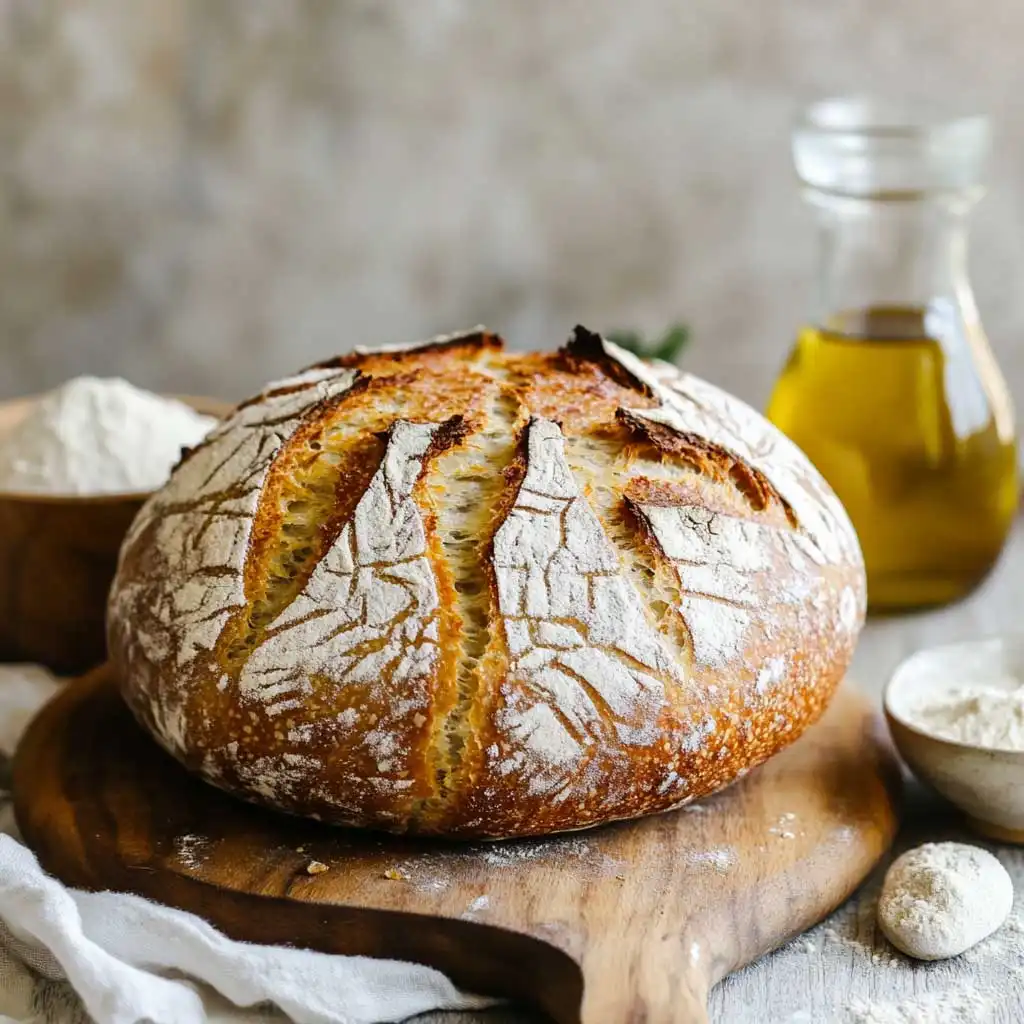

Unlocking the secrets to perfect sourdough bread consistency is a journey many home bakers embark on.
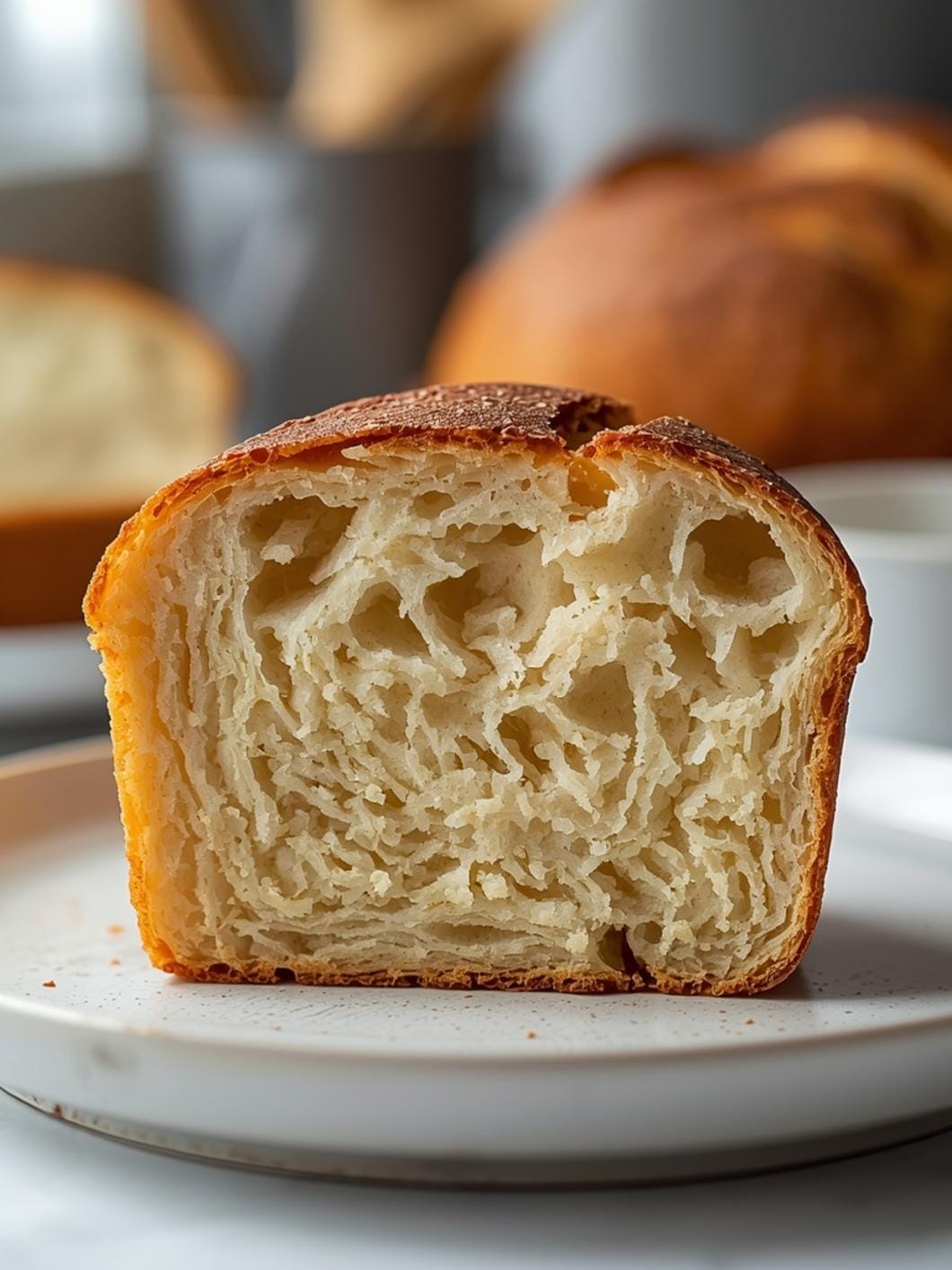
This comprehensive guide is designed to help you understand the nuances of sourdough crumb, providing essential tips to elevate your baking game. We’ll explore how different types of sourdough can significantly impact your loaf’s texture, ensuring you master your sourdough starter and achieve that coveted open, airy crumb every time.
Whether you’re a seasoned sourdough enthusiast or just starting out, deciphering the crumb structure is key to diagnosing and improving your bread. This comparison will arm you with the knowledge to troubleshoot common issues and consistently produce delicious, beautifully textured loaves that will impress everyone at your table.

Unlocking Perfect Sourdough Crumb Consistency
- Total Time: Continuous learning
- Yield: 1 loaf
Description
This comprehensive guide helps home bakers understand and improve sourdough crumb consistency. It provides actionable insights and troubleshooting tips to achieve an open, airy crumb, focusing on observation and adjustment rather than a traditional recipe.
Ingredients
Instructions
1. Bake Your Sourdough Loaf as Usual: Follow your tried-and-true sourdough bread recipe from start to finish. The goal here is to have a baseline loaf to analyze. Ensure your starter is active and bubbly before you begin.
2. Allow the Loaf to Cool Completely: This is a crucial step for accurate crumb assessment. Cutting into a warm loaf will compress the crumb, making it appear denser than it truly is. Wait at least 2-3 hours, or ideally, overnight.
3. Slice Through the Center of Your Loaf: Use a sharp bread knife to cut a cross-section through the middle of your cooled loaf. This central slice will give you the most representative view of your crumb structure.
4. Observe the Crumb Structure Closely: Look at the size, distribution, and shape of the air pockets (alveoli). Are they uniform? Are there large, irregular holes? Is it dense and tight? Pay attention to the thickness of the cell walls and the overall elasticity of the bread.
5. Compare Your Crumb to Common Examples: Refer to visual examples of different sourdough crumb types (e.g., open and airy, dense and tight, gummy, uneven). Identify which category your loaf falls into. This is where the “comparison guide” aspect truly comes into play.
6. Evaluate Your Baking Process Against the Crumb: Based on your crumb observation, reflect on the steps you took during fermentation, shaping, and baking. For example, a dense crumb might indicate an under-proofed dough or a weak starter, while an overly open, irregular crumb could point to over-proofing or issues with shaping.
7. Formulate Adjustments for Your Next Bake: Once you’ve identified potential causes for your crumb’s characteristics, plan specific changes for your next loaf. This might involve adjusting bulk fermentation time, strengthening your starter, refining your shaping technique, or altering baking temperature/time.
8. Repeat the Process and Track Your Progress: Sourdough baking is an iterative process. Continue to bake, observe, analyze, and adjust. Keeping a baking journal can be incredibly helpful for tracking changes and their impact on your crumb over time.
- Prep Time: 5-10 minutes (observation)
- Cook Time: Varies by recipe
- Category: baking
- Method: baking
- Cuisine: european
Nutrition
- Serving Size: 1 slice
Keywords: sourdough, baking, crumb, bread, technique, troubleshooting, starter, fermentation, texture, home baking
What You’ll Love About This Quick And Easy Recipe
This guide isn’t a recipe in the traditional sense, but rather a practical resource for anyone looking to improve their sourdough baking. What you’ll love is the clarity and actionable insights it provides, making the often-mysterious world of sourdough crumb consistency much more approachable. It’s perfect for home bakers who have a basic understanding of sourdough but want to refine their techniques and understand the “why” behind their results. This information is invaluable for diagnosing issues with dense loaves, overly chewy textures, or inconsistent air pockets. It’s a fantastic reference to keep handy whenever you’re baking a new loaf or trying to troubleshoot a batch that didn’t quite meet expectations.
Everything You Need To Make This Recipe Without Stress
Since this is a guide for understanding sourdough crumb rather than a specific recipe, there aren’t traditional ingredients in the sense of flour and water. Instead, the “ingredients” for success here are knowledge and observation. You’ll need your existing sourdough starter and your current baking setup.
INGREDIENTS:
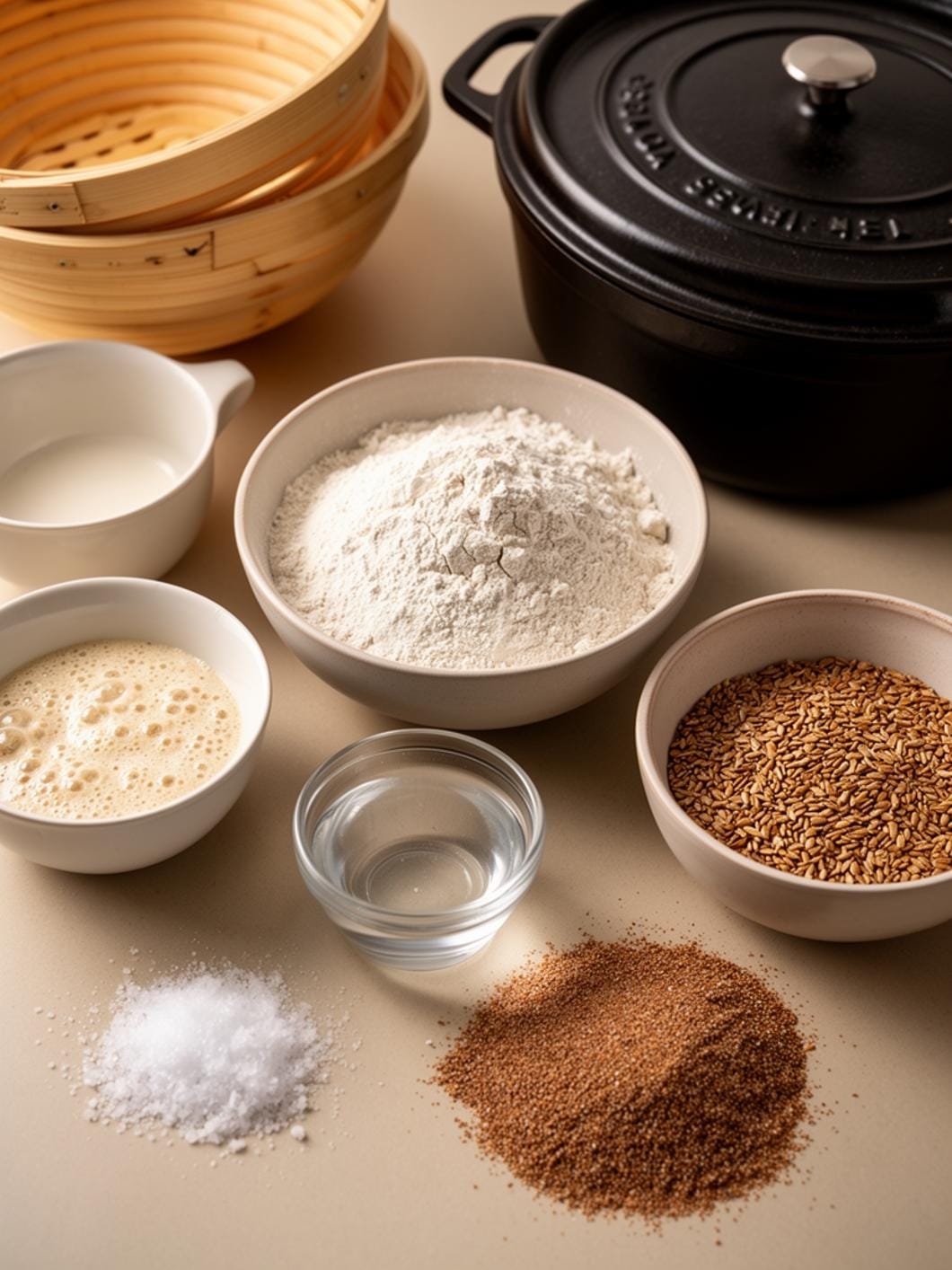
- Your active sourdough starter
- Your preferred bread flour
- Water
- Salt
- Any other ingredients you typically use in your sourdough recipe (e.g., whole wheat flour, rye flour)
- Your usual baking equipment (mixing bowls, proofing baskets, Dutch oven, oven)
- A keen eye for observation
- A willingness to experiment and learn
This guide focuses on improving the outcome of your existing sourdough bread recipes. Therefore, no specific ingredient substitutions are needed, as the emphasis is on understanding the impact of your current methods and ingredients on the final crumb. The goal is to help you interpret what you see in your baked loaf and make informed adjustments for future bakes.
Time Needed From Start To Finish
Understanding and applying the principles of sourdough crumb comparison isn’t a timed event like baking a cake. Instead, it’s an ongoing learning process that integrates into your existing sourdough baking schedule.
- Observation Time (per loaf): 5-10 minutes (after baking and cooling)
- Analysis and Adjustment Time (per loaf): 15-30 minutes (reflecting on results and planning next steps)
- Total Learning Integration: Continuous throughout your sourdough journey.
This guide provides the framework for analysis, which you’ll apply each time you bake a loaf. The “time needed” is more about dedicated focus and reflection rather than active hands-on work.
How To Make It Step By Step With Visual Cues

Improving your sourdough crumb consistency is less about following a recipe and more about a systematic approach to observation and adjustment. Here’s how to effectively use this guide to understand your bread’s texture.
- Bake Your Sourdough Loaf as Usual: Follow your tried-and-true sourdough bread recipe from start to finish. The goal here is to have a baseline loaf to analyze. Ensure your starter is active and bubbly before you begin.
- Allow the Loaf to Cool Completely: This is a crucial step for accurate crumb assessment. Cutting into a warm loaf will compress the crumb, making it appear denser than it truly is. Wait at least 2-3 hours, or ideally, overnight.
- Slice Through the Center of Your Loaf: Use a sharp bread knife to cut a cross-section through the middle of your cooled loaf. This central slice will give you the most representative view of your crumb structure.
- Observe the Crumb Structure Closely: Look at the size, distribution, and shape of the air pockets (alveoli). Are they uniform? Are there large, irregular holes? Is it dense and tight? Pay attention to the thickness of the cell walls and the overall elasticity of the bread.
- Compare Your Crumb to Common Examples: Refer to visual examples of different sourdough crumb types (e.g., open and airy, dense and tight, gummy, uneven). Identify which category your loaf falls into. This is where the “comparison guide” aspect truly comes into play.
- Evaluate Your Baking Process Against the Crumb: Based on your crumb observation, reflect on the steps you took during fermentation, shaping, and baking. For example, a dense crumb might indicate an under-proofed dough or a weak starter, while an overly open, irregular crumb could point to over-proofing or issues with shaping.
- Formulate Adjustments for Your Next Bake: Once you’ve identified potential causes for your crumb’s characteristics, plan specific changes for your next loaf. This might involve adjusting bulk fermentation time, strengthening your starter, refining your shaping technique, or altering baking temperature/time.
- Repeat the Process and Track Your Progress: Sourdough baking is an iterative process. Continue to bake, observe, analyze, and adjust. Keeping a baking journal can be incredibly helpful for tracking changes and their impact on your crumb over time.
Easy Variations And Serving Ideas That Fit Real Life
While this guide focuses on understanding crumb consistency, the ultimate goal is to enjoy delicious sourdough bread! Once you’ve mastered your crumb, the serving possibilities are endless and fit perfectly into any family’s routine.
For a quick breakfast, a slice of perfectly crusted sourdough with an open crumb is fantastic toasted and topped with avocado and a sprinkle of everything bagel seasoning. Kids often love it simply with butter and jam, or as the base for a mini pizza with marinara and mozzarella. For lunch, it makes an unbeatable sandwich bread – think classic grilled cheese, or a hearty turkey and provolone. A well-structured sourdough is also ideal for dipping into olive oil with balsamic vinegar, or alongside a comforting bowl of soup or stew for dinner. Don’t forget bruschetta with fresh tomatoes and basil, or even croutons for salads. The beauty of a consistent crumb is its versatility, making it a staple for any meal or snack.
Common Slip-Ups And How To Avoid Them
Understanding common mistakes in sourdough baking is crucial for achieving that perfect crumb. Here are some frequent slip-ups and practical ways to steer clear of them.
- Under-Proofing the Dough: This is a very common cause of dense, tight crumbs with small, uniform holes. The dough hasn’t had enough time to develop sufficient gas.
- How to avoid: Learn to recognize the signs of proper proofing – the “jiggle test” (dough should jiggle like jelly when the container is gently shaken), and the “poke test” (an indentation from a wet finger should slowly spring back about halfway). Don’t rely solely on time, as ambient temperature greatly affects proofing speed.
- Over-Proofing the Dough: Conversely, an over-proofed dough can lead to a crumb that is very open but often gummy, with large, irregular holes and weak structure. The gluten network has started to collapse.
- How to avoid: Again, rely on visual and tactile cues. An over-proofed dough will feel very airy and slack, and the poke test might leave a permanent indentation or cause the dough to deflate. It’s better to slightly under-proof than severely over-proof.
- Weak Sourdough Starter: A starter that isn’t active and strong enough won’t produce enough gas to create an open crumb, resulting in a dense loaf.
- How to avoid: Ensure your starter is consistently fed and active. It should double or triple in size within 4-8 hours after feeding, be full of bubbles, and pass the float test (a small piece floats in water). Adjust your feeding schedule to ensure it’s at its peak when you mix your dough.
- Insufficient Gluten Development: If the gluten network isn’t properly developed through mixing and folds, it can’t trap the gas effectively, leading to a dense or uneven crumb.
- How to avoid: Don’t skimp on the mixing or stretching and folding steps. Ensure your dough passes the “windowpane test” – a small piece of dough can be stretched thin enough to see light through it without tearing.
- Cutting Into a Warm Loaf: As mentioned earlier, this physically compresses the crumb, making it appear denser and gummier than it actually is.
- How to avoid: Patience is key! Always allow your sourdough loaf to cool completely on a wire rack for at least 2-3 hours, or even overnight, before slicing.
- Inconsistent Hydration: Too little water can make the dough stiff and difficult to work with, leading to a dense crumb. Too much can make it soupy and hard to shape, also impacting structure.
- How to avoid: Stick to your recipe’s hydration levels, especially as a beginner. As you gain experience, you can experiment with slight adjustments based on

FAQs
- Can I make these ahead? Yes—prep ahead, refrigerate, then serve when ready.
- How long do leftovers last? Store covered in the fridge for 3–4 days for best texture.
- Can I adjust sweetness? Yes—add more or less sweetener to taste.
- Can I change the fruit? Yes—swap strawberries for blueberries, raspberries, or sliced banana.