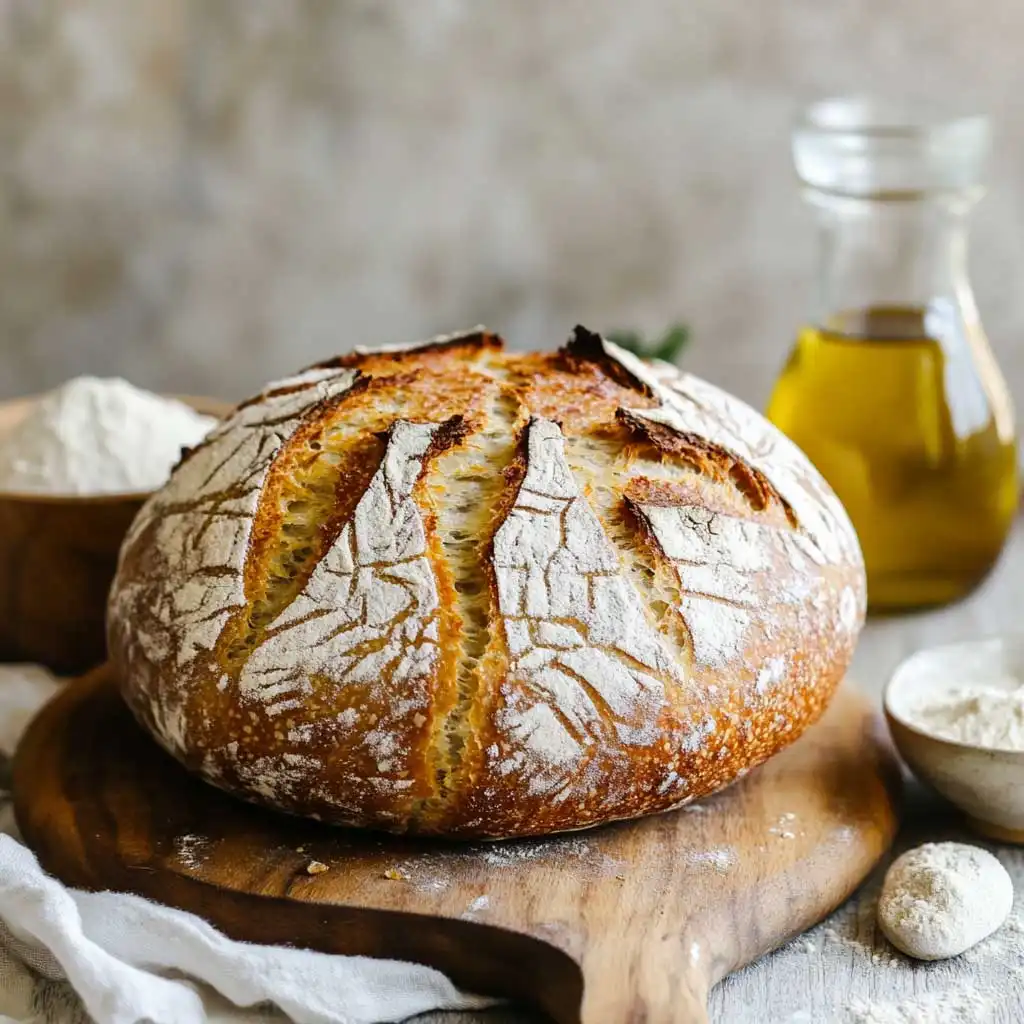

Achieving that perfect, golden-brown crust on your sourdough bread is a hallmark of a well-baked loaf.
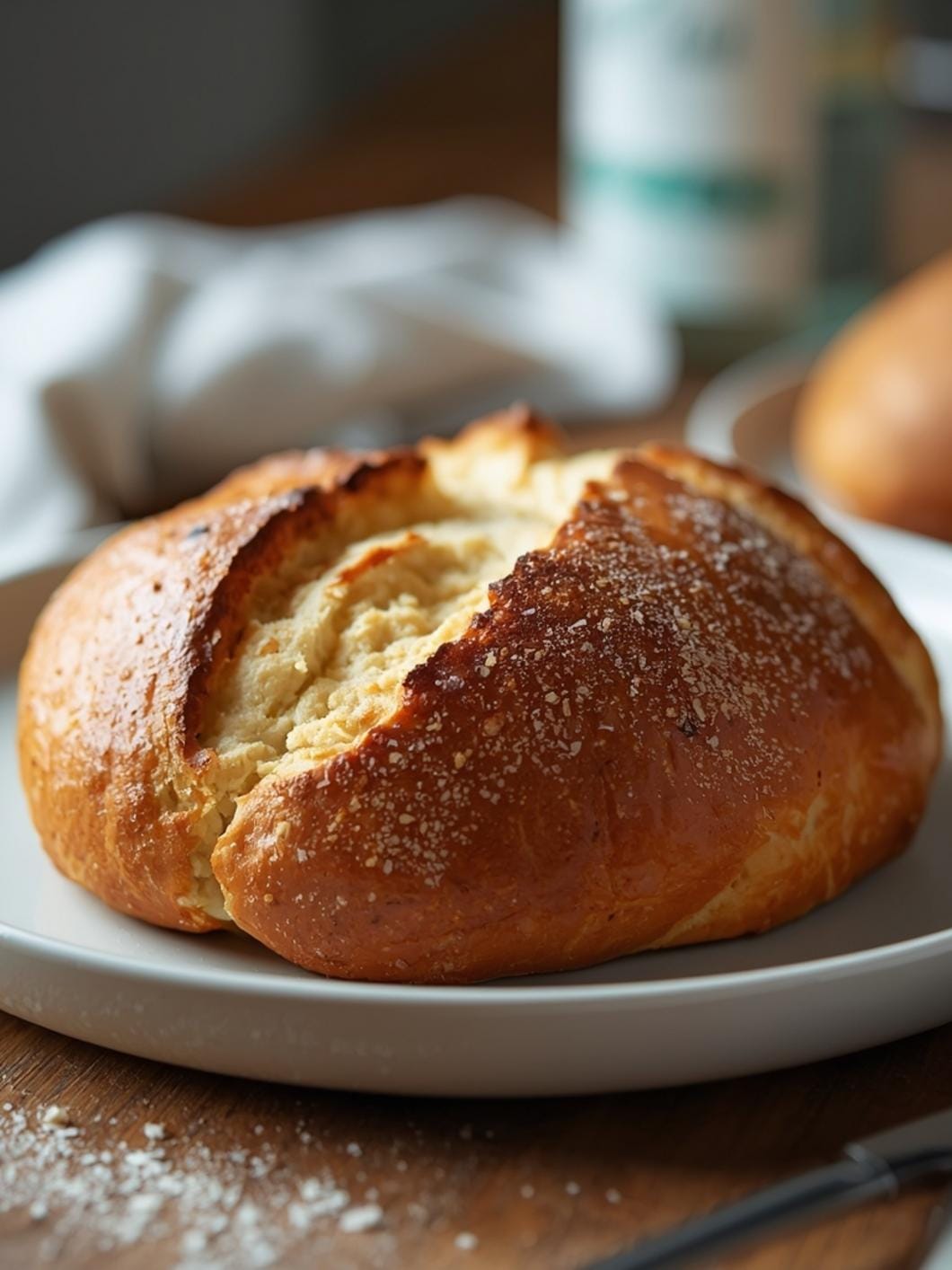
It’s not just about aesthetics; the crust contributes significantly to the flavor, texture, and overall enjoyment of your homemade bread. Understanding the nuances of proofing and baking temperatures is key to unlocking this delicious secret.
This guide will walk you through the essential steps and considerations to ensure your sourdough develops a beautiful, flavorful crust every time. We’ll delve into the science behind crust formation and provide practical tips for home bakers to consistently achieve that coveted deep color and satisfying crunch.
Table of Contents
- What You’ll Love About This Quick And Easy Recipe
- Everything You Need To Make This Recipe Without Stress
- Time Needed From Start To Finish
- How To Make It Step By Step With Visual Cues
- Easy Variations And Serving Ideas That Fit Real Life
- Common Slip-Ups And How To Avoid Them
- How To Store It And Make It Ahead Without Ruining Texture
- Questions People Always Ask Before Making This Recipe

Achieving the Perfect Sourdough Crust
- Total Time: 1 hour 55 minutes
- Yield: 1 loaf
Description
This guide provides essential steps and considerations for home bakers to achieve a beautiful, flavorful, golden-brown crust on sourdough bread every time. It covers the science behind crust formation, practical tips for consistent results, and troubleshooting common issues.
Ingredients
Instructions
1. Preheat Your Oven and Baking Vessel Thoroughly: Place your Dutch oven, baking stone, or heavy-duty baking sheet in the oven and preheat it to a high temperature, typically between 450 F and 500 F (230 C to 260 C), for at least 30-60 minutes. A super hot baking surface provides an initial burst of heat, known as oven spring, which is vital for crust development. You’ll know it’s ready when the oven has held the target temperature for a significant amount of time.
2. Prepare Your Dough for Baking: Gently transfer your proofed dough from its proofing basket (banneton) onto a piece of parchment paper. If desired, lightly dust the top with a little rice flour or all-purpose flour. This dusting helps create a beautiful contrast and prevents sticking. The dough should feel light and airy, indicating proper proofing.
3. Score the Dough Creatively: Using a sharp razor blade (lame) or a very sharp knife, make a few strategic cuts (scores) on the surface of your dough. These scores allow the bread to expand predictably during baking and prevent uncontrolled tearing. A common score is a single long slash down the middle, or a crosshatch pattern. The cuts should be about 1/4 to 1/2 inch deep.
4. Introduce Steam to the Oven: Carefully transfer the scored dough, still on the parchment paper, into your preheated Dutch oven or onto your hot baking surface. If using a Dutch oven, immediately place the lid back on. If baking on a stone or sheet, add a cup of boiling water to a preheated pan on the bottom rack of your oven. Steam is essential in the initial phase of baking; it keeps the crust soft and pliable, allowing the dough to expand fully before the crust sets. You’ll see steam rising if you’re using the water in a pan method.
5. Bake with Steam for the Initial Phase: Bake the bread with the lid on (for a Dutch oven) or with steam (for open baking) for the first 20-25 minutes. This creates a moist environment that promotes maximum oven spring and helps develop a thin, crispy crust. The dough will expand significantly during this time.
6. Remove Steam and Continue Baking for Color: After the initial baking period, carefully remove the lid from your Dutch oven or remove the pan of water from the oven. Reduce the oven temperature slightly, usually to 425 F-450 F (220 C-230 C). Continue baking for another 20-30 minutes, or until the crust reaches your desired deep golden-brown color. This stage is where the Maillard reaction occurs, creating those rich flavors and beautiful hues. The crust should sound hollow when tapped.
7. Cool Completely Before Slicing: Once baked to perfection, carefully remove the bread from the oven and transfer it to a wire rack. It’s crucial to let the bread cool completely, ideally for at least 1-2 hours, before slicing. This allows the internal structure to set and prevents a gummy texture. The crust will continue to crisp up as it cools.
- Prep Time: 10 minutes
- Cook Time: 45 minutes
- Category: bread
- Method: baking
- Cuisine: european
Nutrition
- Serving Size: 1 slice
Keywords: sourdough, bread, crust, baking, homemade, oven spring, steam, golden-brown, crispy, flavorful
What You’ll Love About This Quick And Easy Recipe
This guide is perfect for any home baker looking to elevate their sourdough game, whether you’re a seasoned pro or just starting your sourdough journey. It demystifies the process of achieving that ideal crust, breaking down complex baking science into actionable tips. You’ll love how it empowers you to understand *why* certain steps are important, rather than just following instructions blindly. This knowledge is invaluable for consistently baking beautiful, delicious sourdough loaves that will impress your family and friends. It’s especially useful for those moments when your crust isn’t quite hitting the mark and you need to troubleshoot for a better result.
Everything You Need To Make This Recipe Without Stress
This section focuses on understanding the core elements that influence sourdough crust color. While there isn’t a traditional “ingredients” list in the sense of a recipe, the key components here are your sourdough dough itself and the tools you’ll use for baking.
INGREDIENTS:
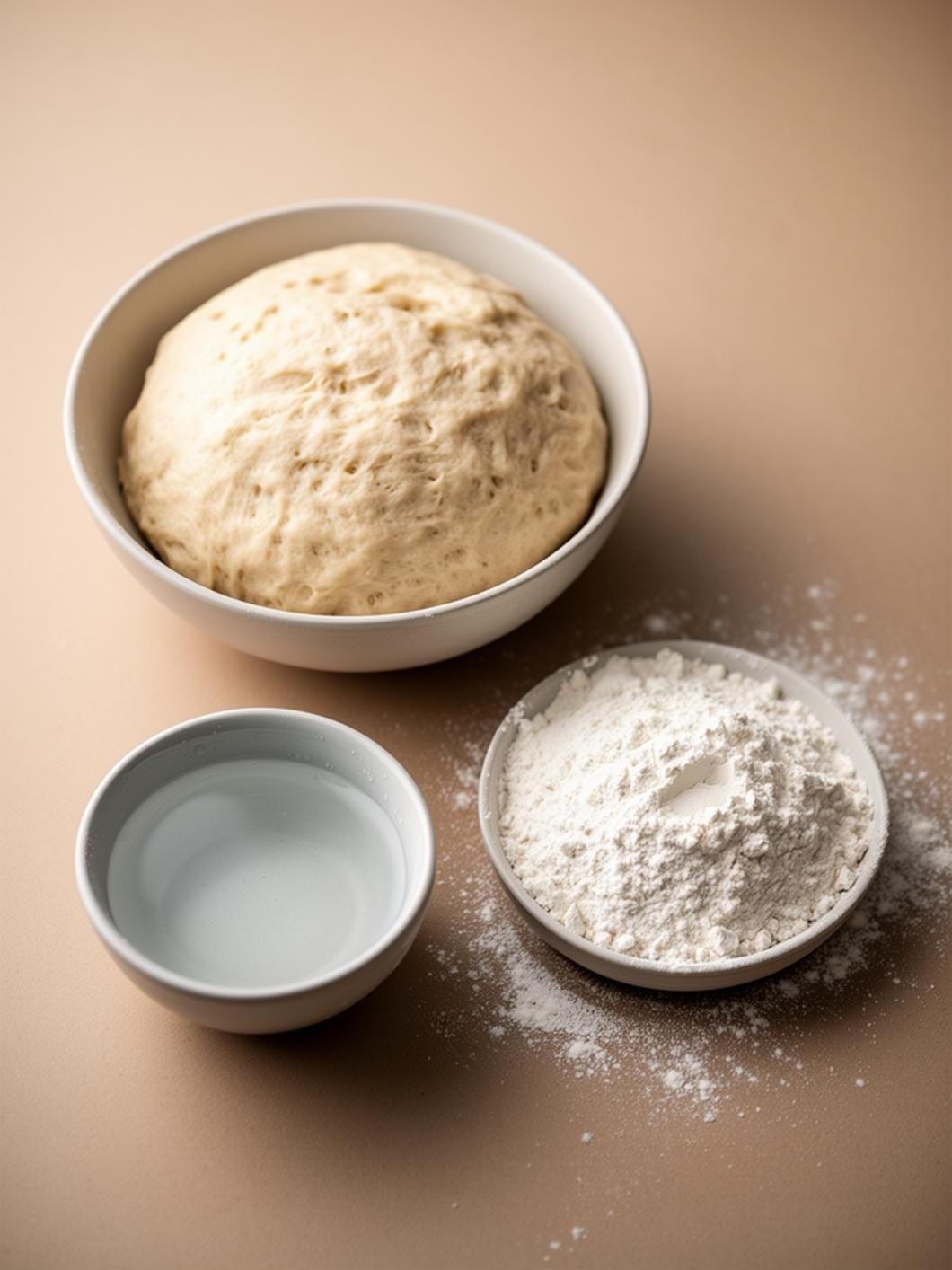
- Your prepared sourdough dough (after bulk fermentation and shaping)
- Water (for steam)
- Rice flour or all-purpose flour (for dusting)
For your sourdough dough, ensure it’s made with good quality flour, water, salt, and an active sourdough starter. The quality of these basic components will lay the foundation for a great crust. For dusting, rice flour is often preferred as it helps prevent sticking and creates a lovely pattern on the crust, but regular all-purpose flour works too.
Time Needed From Start To Finish
Understanding and achieving the perfect sourdough crust isn’t about a quick cook time, but rather a careful management of various stages. The active baking time in the oven is typically around 30-45 minutes, but the overall process, including proofing, can span several hours or even overnight. This guide focuses on the baking phase, assuming your dough is already proofed and ready for the oven.
How To Make It Step By Step With Visual Cues

Achieving the perfect sourdough crust involves a few critical steps during the baking process. Here’s how to guide your dough to that beautiful, golden-brown finish:
- Preheat Your Oven and Baking Vessel Thoroughly: This is perhaps the most crucial step. Place your Dutch oven, baking stone, or heavy-duty baking sheet in the oven and preheat it to a high temperature, typically between 450°F and 500°F (230°C to 260°C), for at least 30-60 minutes. A super hot baking surface provides an initial burst of heat, known as oven spring, which is vital for crust development. You’ll know it’s ready when the oven has held the target temperature for a significant amount of time.
- Prepare Your Dough for Baking: Gently transfer your proofed dough from its proofing basket (banneton) onto a piece of parchment paper. If desired, lightly dust the top with a little rice flour or all-purpose flour. This dusting helps create a beautiful contrast and prevents sticking. The dough should feel light and airy, indicating proper proofing.
- Score the Dough Creatively: Using a sharp razor blade (lame) or a very sharp knife, make a few strategic cuts (scores) on the surface of your dough. These scores allow the bread to expand predictably during baking and prevent uncontrolled tearing. A common score is a single long slash down the middle, or a crosshatch pattern. The cuts should be about 1/4 to 1/2 inch deep.
- Introduce Steam to the Oven: Carefully transfer the scored dough, still on the parchment paper, into your preheated Dutch oven or onto your hot baking surface. If using a Dutch oven, immediately place the lid back on. If baking on a stone or sheet, add a cup of boiling water to a preheated pan on the bottom rack of your oven. Steam is essential in the initial phase of baking; it keeps the crust soft and pliable, allowing the dough to expand fully before the crust sets. You’ll see steam rising if you’re using the water in a pan method.
- Bake with Steam for the Initial Phase: Bake the bread with the lid on (for a Dutch oven) or with steam (for open baking) for the first 20-25 minutes. This creates a moist environment that promotes maximum oven spring and helps develop a thin, crispy crust. The dough will expand significantly during this time.
- Remove Steam and Continue Baking for Color: After the initial baking period, carefully remove the lid from your Dutch oven or remove the pan of water from the oven. Reduce the oven temperature slightly, usually to 425°F-450°F (220°C-230°C). Continue baking for another 20-30 minutes, or until the crust reaches your desired deep golden-brown color. This stage is where the Maillard reaction occurs, creating those rich flavors and beautiful hues. The crust should sound hollow when tapped.
- Cool Completely Before Slicing: Once baked to perfection, carefully remove the bread from the oven and transfer it to a wire rack. It’s crucial to let the bread cool completely, ideally for at least 1-2 hours, before slicing. This allows the internal structure to set and prevents a gummy texture. The crust will continue to crisp up as it cools.
Easy Variations And Serving Ideas That Fit Real Life
While the focus is on the crust, the beauty of sourdough is how it complements so many dishes. For a simple family meal, serve thick slices alongside a hearty soup or stew. Kids often love dipping bread, so offer a good quality olive oil with a sprinkle of sea salt, or a simple butter. For a party or buffet, a beautifully crusted sourdough loaf makes an impressive centerpiece. Slice it and serve with a cheese board, charcuterie, or a variety of dips like hummus or spinach artichoke dip. You can also toast slices and top them with avocado, bruschetta, or a fried egg for a delicious breakfast or snack. The robust flavor of a well-crusted sourdough stands up to strong flavors, making it incredibly versatile.
Common Slip-Ups And How To Avoid Them
Achieving that perfect sourdough crust can sometimes feel like a challenge, but many common issues are easily fixable. One frequent slip-up is not preheating the oven and baking vessel adequately. If your Dutch oven isn’t scorching hot, your dough won’t get that initial burst of heat needed for good oven spring and a thin, crispy crust. Always allow at least 30-60 minutes for thorough preheating. Another mistake is not using enough steam in the initial baking phase. Without steam, the crust sets too quickly, restricting expansion and leading to a dense interior and a thick, tough crust. Ensure you’re either using a lidded Dutch oven or adding boiling water to a pan in the oven for the first 20-25 minutes. Some bakers also pull their bread too early, resulting in a pale crust. Don’t be afraid to let it bake until it achieves a deep golden-brown color; this is where the flavor truly develops. Lastly, cutting into the bread too soon after baking can lead to a gummy interior. Always allow your sourdough to cool completely on a wire rack for at least an hour, or even two, before slicing. Patience is key for the internal structure to set properly.
How To Store It And Make It Ahead Without Ruining Texture
Proper storage is crucial for maintaining the beautiful crust and overall quality of your sourdough bread. Once your loaf has cooled completely, the best way to store it for short-term enjoyment (1-2 days) is at room temperature, cut-side down on a cutting board, or in a clean linen bread bag. Avoid airtight plastic bags or containers immediately after baking, as these will trap moisture and soften the crust, making it lose its crispness. If you need to store it for longer, sourdough freezes exceptionally well. Allow the bread to cool completely, then wrap it tightly in plastic wrap, followed by a layer of aluminum foil. It can be frozen for up to 3 months. To enjoy, simply thaw at room temperature and then refresh in a hot oven (around 350°F or 175°C) for 10-15 minutes to revive the crust. You can also slice the loaf before freezing, making it easy to grab a few slices and toast them directly from frozen.
Questions People Always Ask Before Making This Recipe
Why is my sourdough crust always pale?
A pale crust usually indicates insufficient baking time or a lack of high heat. Ensure your oven is fully preheated to a high temperature (450-500°F) and that you’re baking the bread long enough, especially after the lid is removed, to allow for proper browning.
How does steam

FAQs
- Can I make these ahead? Yes—prep ahead, refrigerate, then serve when ready.
- How long do leftovers last? Store covered in the fridge for 3–4 days for best texture.
- Can I adjust sweetness? Yes—add more or less sweetener to taste.
- Can I change the fruit? Yes—swap strawberries for blueberries, raspberries, or sliced banana.