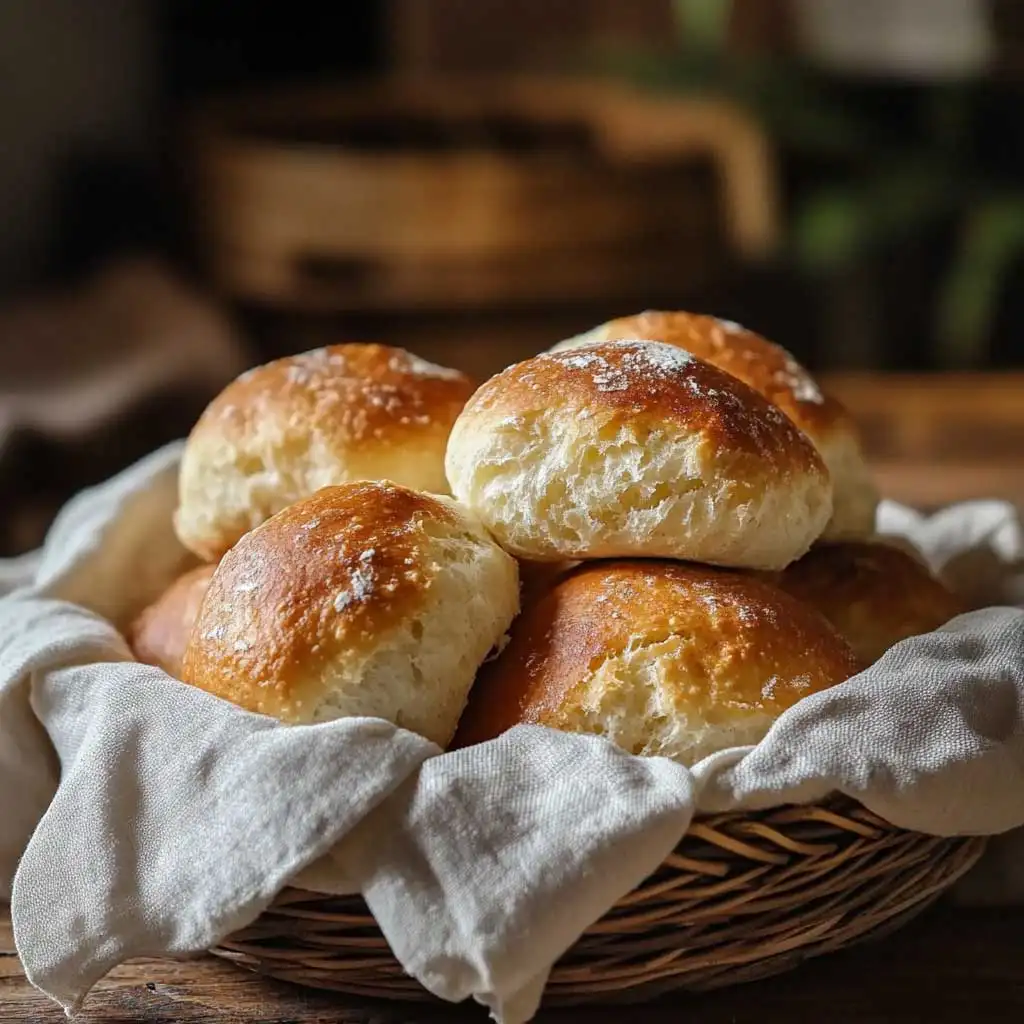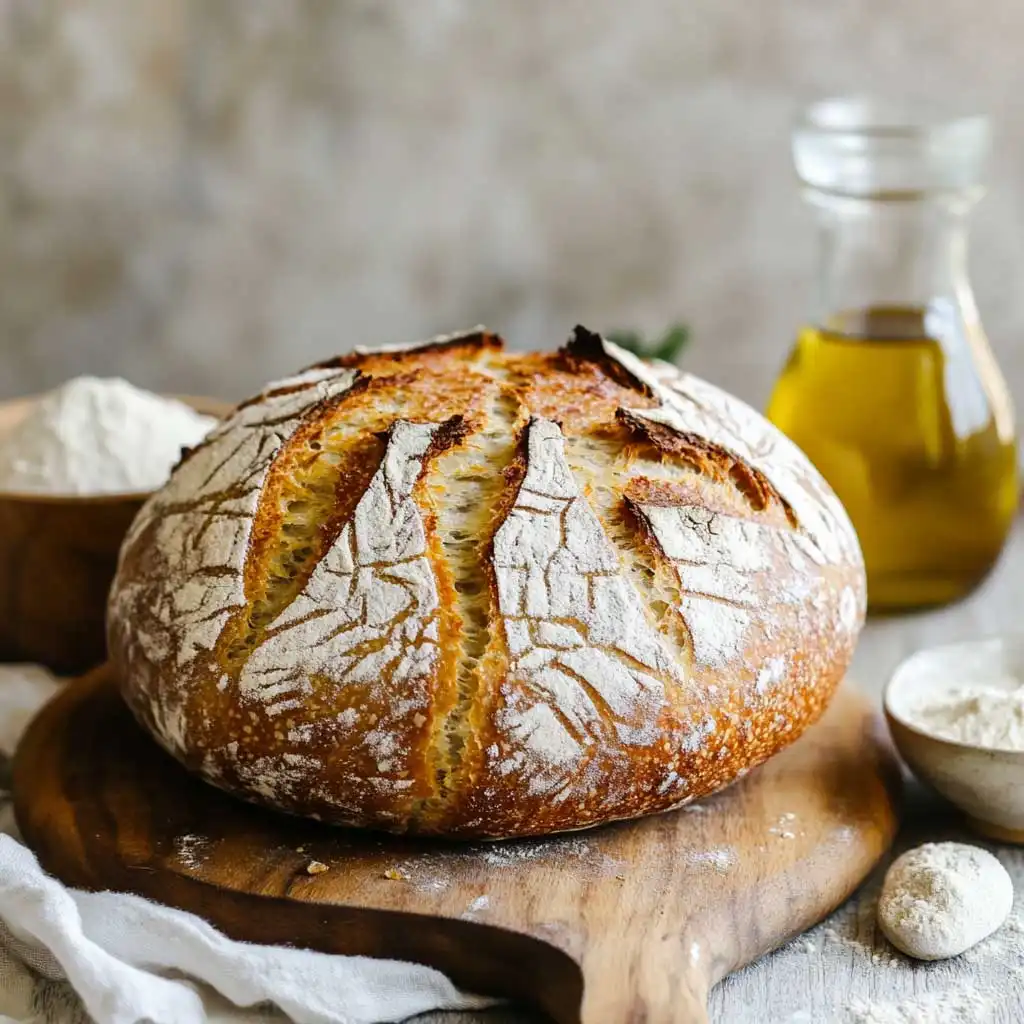

There’s nothing quite as satisfying as pulling a beautifully baked sourdough loaf from the oven. But sometimes, despite all your efforts, the crust comes out looking a little… pale.
Instead of that rich, golden-brown hue, you might find a lighter, less appealing color. This can be disappointing, especially when you’re aiming for that perfect balance of crispy crust and chewy interior.
Don’t worry, achieving a gorgeous, deeply colored sourdough crust is entirely within reach, even for beginners. This guide will walk you through simple, effective adjustments to ensure your next loaf boasts that irresistible golden-brown finish and fantastic texture. Say goodbye to pale crusts and hello to stunning, delicious sourdough every time!
Table of Contents
- What You’ll Love About This Quick And Easy Recipe
- Everything You Need To Make This Recipe Without Stress
- Time Needed From Start To Finish
- How To Make It Step By Step With Visual Cues
- Easy Variations And Serving Ideas That Fit Real Life
- Common Slip-Ups And How To Avoid Them
- How To Store It And Make It Ahead Without Ruining Texture

Achieving a Golden Sourdough Crust
- Total Time: 1 hour 30 minutes
- Yield: 1 loaf
Description
This guide provides simple, effective adjustments to ensure your sourdough loaf boasts an irresistible golden-brown finish and fantastic texture, addressing the common frustration of a pale crust.
Ingredients
Instructions
1. Ensure Proper Fermentation: Before baking, make sure your dough has proofed sufficiently but not over-proofed. A well-fermented dough will have enough sugars available for browning. Look for a dough that’s jiggly, has increased significantly in volume, and passes the “poke test” (a gently poked indentation springs back slowly). If it springs back too quickly, it might be under-proofed; if it doesn’t spring back at all, it’s likely over-proofed.
2. Preheat Your Oven Thoroughly: A hot oven is crucial. Preheat your oven with your Dutch oven or baking stone inside for at least 45-60 minutes at a high temperature, typically 450-500 F (230-260 C). This ensures the baking vessel is scorching hot, providing an immediate burst of heat that helps set the crust and initiate browning.
3. Create Ample Steam During Initial Bake: Steam is your best friend for a great crust. For the first 20-25 minutes of baking, steam keeps the crust moist and pliable, allowing the loaf to expand fully before the crust hardens. This prevents a thick, pale crust and promotes a thinner, crispier one that browns better. If using a Dutch oven, keep the lid on for this initial period. If baking on a stone, place a tray of boiling water on the bottom rack or spray water into the oven walls (carefully!) at the start of baking.
4. Remove Lid and Reduce Temperature: After the initial steamed baking period (e.g., 20-25 minutes in a Dutch oven), remove the lid. This allows the moisture to escape and the crust to begin drying out and browning. At this point, you might also reduce the oven temperature slightly, usually by about 25 F (15 C), to prevent the crust from burning while the interior finishes baking.
5. Increase Browning Towards the End: If your crust is still looking pale, you have a few options in the last 10-15 minutes of baking. You can increase the oven temperature by 25 F (15 C) for the final stretch. Alternatively, if your loaf is in a Dutch oven, you can remove it from the Dutch oven and place it directly on the oven rack for the last 10 minutes to expose it to more direct heat.
6. Consider a Glaze or Brush (Optional): For an extra boost of color, you can lightly brush the top of your loaf with a tiny bit of olive oil or melted butter after removing the lid. Some bakers even use a very thin wash of egg white for a glossy finish, but this is less common for traditional sourdough.
- Prep Time: 2-5 minutes
- Cook Time: 30-45 minutes
- Category: bread
- Method: baking
- Cuisine: european
Nutrition
- Serving Size: 1 slice
Keywords: sourdough, bread, crust, baking tips, golden, crispy, homemade, fermentation, oven, steam
What You’ll Love About This Quick And Easy Recipe
This guide is perfect for anyone who bakes sourdough, especially those who are new to the craft or are trying to perfect their technique. It addresses a common frustration – a pale crust – with straightforward, actionable advice that doesn’t require advanced baking knowledge or special equipment. You’ll love how quickly these tips can transform your loaves, making them not just tastier but also more visually appealing. This isn’t about overhauling your entire sourdough process; it’s about making small, impactful tweaks that yield significant results. It’s for busy home bakers who want reliable fixes without spending hours researching complex theories. You can apply these tips to your regular easy sourdough bread recipe, making it ideal for everyday baking, impressing guests, or simply enjoying a more professional-looking loaf with your family at any meal.
Everything You Need To Make This Recipe Without Stress
This section focuses on the simple elements that contribute to a golden sourdough crust. While there isn’t a specific “recipe” in the traditional sense, understanding the role of your existing ingredients and how they interact with heat is key. The “ingredients” here are more about the conditions and minor additions that influence crust color.
INGREDIENTS:
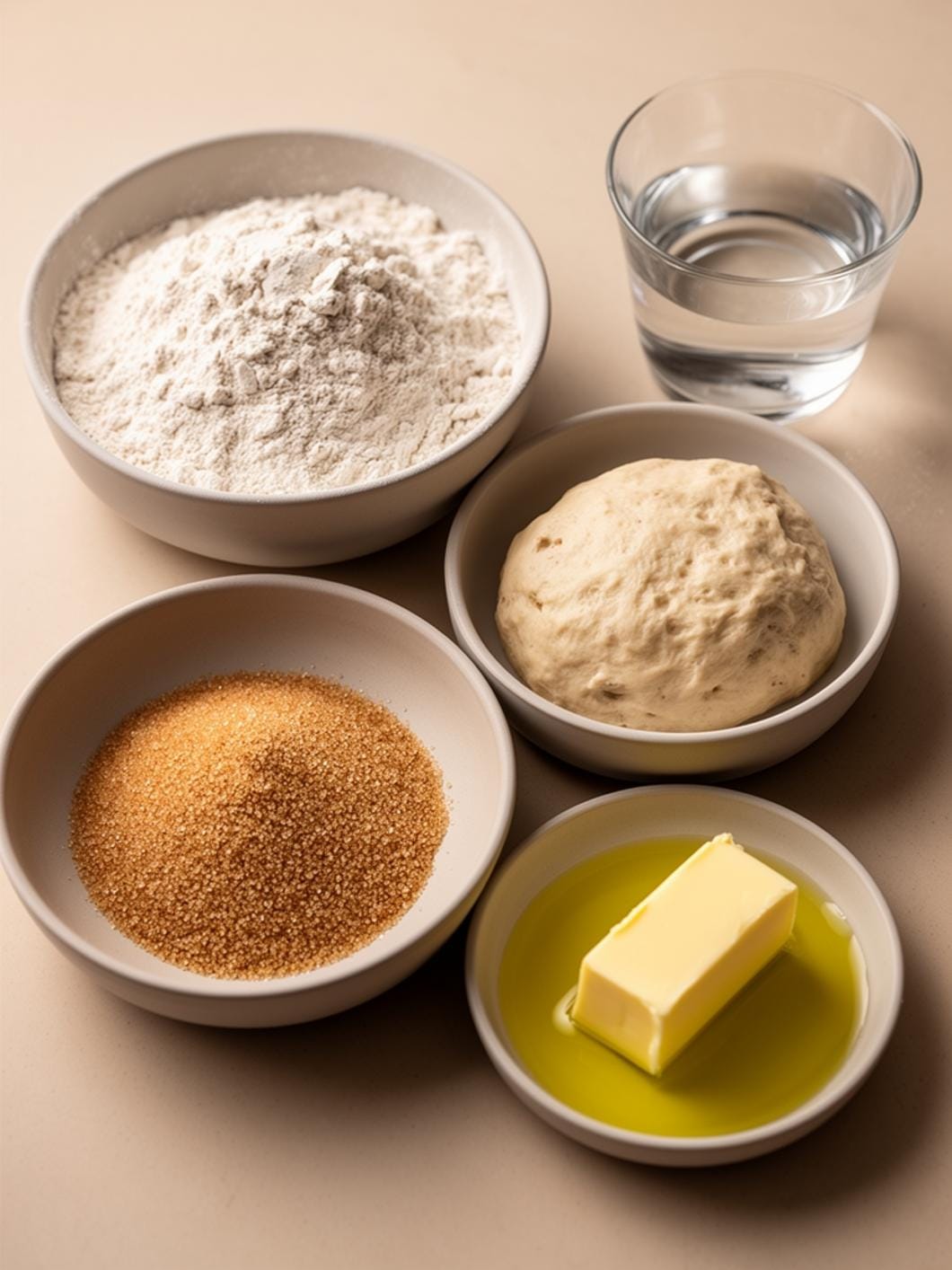
- Your standard sourdough bread dough (flour, water, starter, salt)
- Water (for steam)
- Sugar or malt powder (optional, for enhanced browning)
- Olive oil or butter (for brushing, optional)
When it comes to your sourdough dough, the quality of your flour can play a role. Using a good quality bread flour with a slightly higher protein content can sometimes contribute to better crust development. If you’re looking to enhance browning, a tiny pinch of sugar or a teaspoon of diastatic malt powder can be added to your dough during the mixing stage. These ingredients provide extra food for the yeast and sugars that caramelize beautifully in the oven. For a simple external boost, a light brush of olive oil or melted butter on the dough surface just before baking can also encourage a richer color. These are all brand-neutral options that are easy to find in any grocery store.
Time Needed From Start To Finish
Addressing a pale sourdough crust isn’t about adding significant time to your baking process; it’s about making minor adjustments within your existing schedule.
Prep time: 2-5 minutes (for adjustments like adding steam, brushing the loaf, or adjusting oven temperature) Cook time: Varies based on your sourdough recipe, typically 30-45 minutes Total time: The total time for your sourdough bake remains largely the same, as these are integrated adjustments.
How To Make It Step By Step With Visual Cues
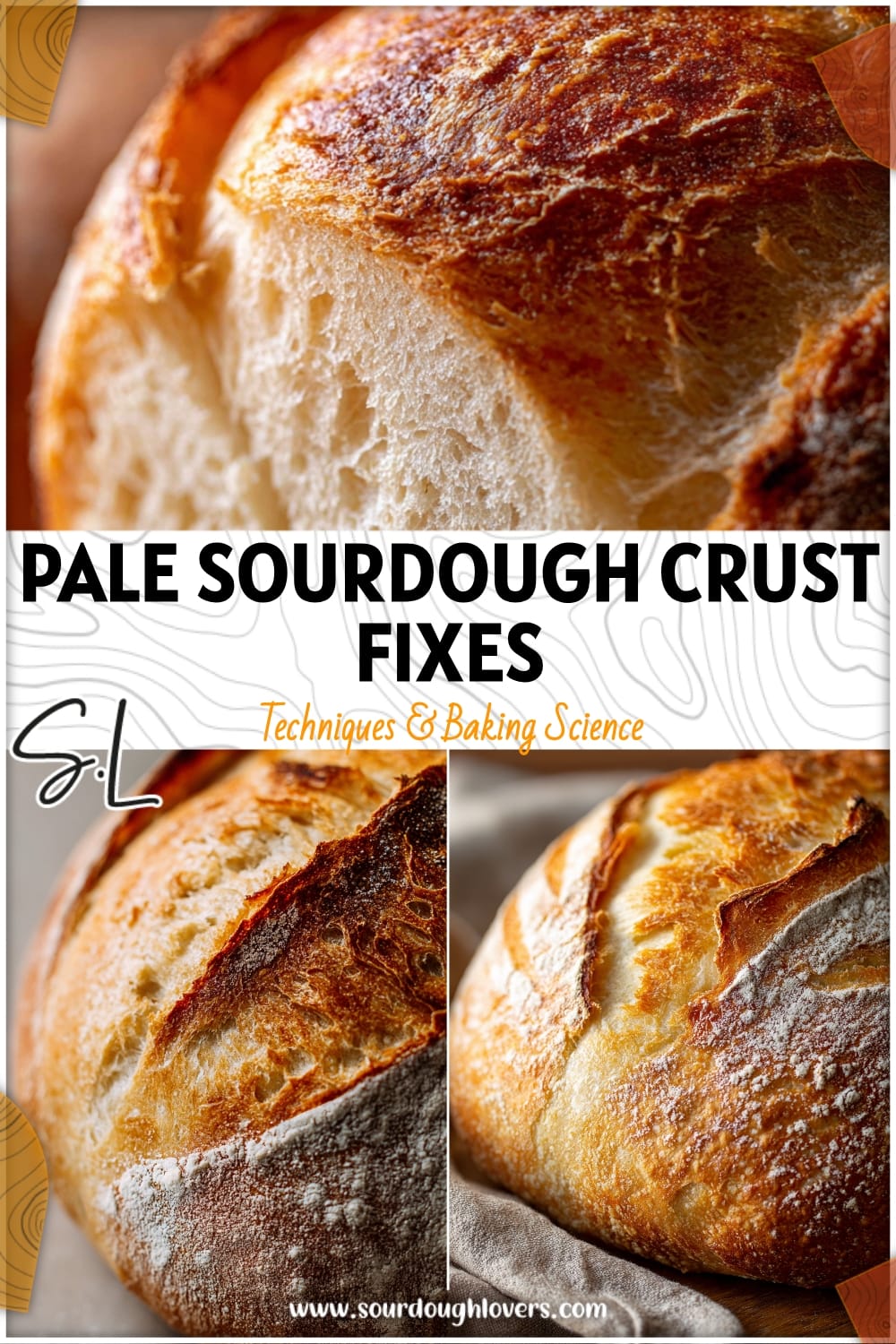
Achieving that perfect golden crust involves a few key steps you can incorporate into your existing sourdough baking routine.
- Ensure Proper Fermentation: Before baking, make sure your dough has proofed sufficiently but not over-proofed. A well-fermented dough will have enough sugars available for browning. Look for a dough that’s jiggly, has increased significantly in volume, and passes the “poke test” (a gently poked indentation springs back slowly). If it springs back too quickly, it might be under-proofed; if it doesn’t spring back at all, it’s likely over-proofed.
- Preheat Your Oven Thoroughly: A hot oven is crucial. Preheat your oven with your Dutch oven or baking stone inside for at least 45-60 minutes at a high temperature, typically 450-500°F (230-260°C). This ensures the baking vessel is scorching hot, providing an immediate burst of heat that helps set the crust and initiate browning.
- Create Ample Steam During Initial Bake: Steam is your best friend for a great crust. For the first 20-25 minutes of baking, steam keeps the crust moist and pliable, allowing the loaf to expand fully before the crust hardens. This prevents a thick, pale crust and promotes a thinner, crispier one that browns better. If using a Dutch oven, keep the lid on for this initial period. If baking on a stone, place a tray of boiling water on the bottom rack or spray water into the oven walls (carefully!) at the start of baking.
- Remove Lid and Reduce Temperature: After the initial steamed baking period (e.g., 20-25 minutes in a Dutch oven), remove the lid. This allows the moisture to escape and the crust to begin drying out and browning. At this point, you might also reduce the oven temperature slightly, usually by about 25°F (15°C), to prevent the crust from burning while the interior finishes baking.
- Increase Browning Towards the End: If your crust is still looking pale, you have a few options in the last 10-15 minutes of baking. You can increase the oven temperature by 25°F (15°C) for the final stretch. Alternatively, if your loaf is in a Dutch oven, you can remove it from the Dutch oven and place it directly on the oven rack for the last 10 minutes to expose it to more direct heat.
- Consider a Glaze or Brush (Optional): For an extra boost of color, you can lightly brush the top of your loaf with a tiny bit of olive oil or melted butter after removing the lid. Some bakers even use a very thin wash of egg white for a glossy finish, but this is less common for traditional sourdough.
Easy Variations And Serving Ideas That Fit Real Life
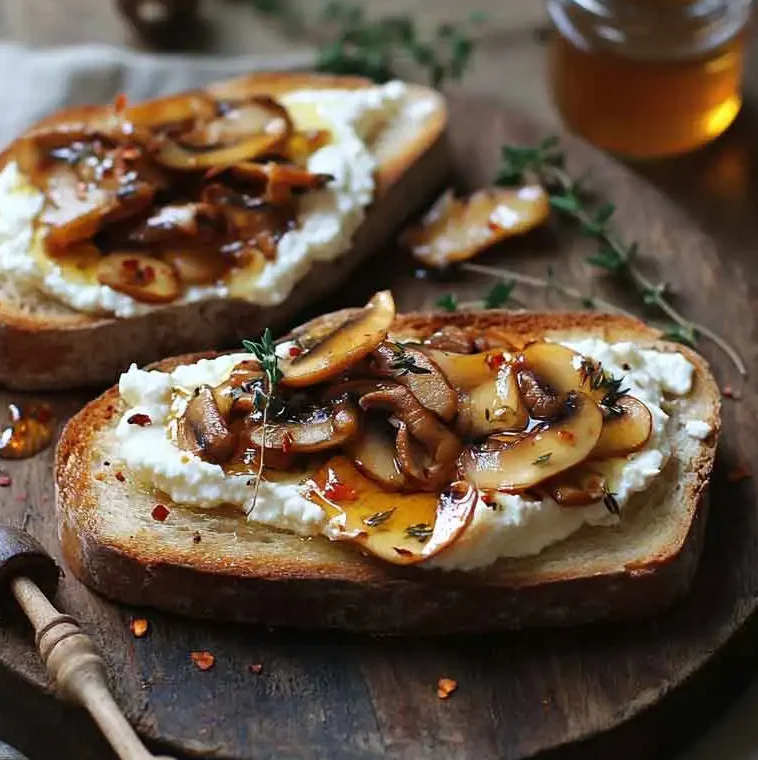
Once you’ve mastered the golden crust, your sourdough loaf becomes an even more versatile star. For a simple, delicious breakfast or snack, slice your perfectly crusted sourdough and serve it with a smear of good quality butter and a drizzle of honey or jam. Kids often love sourdough toast with avocado and a sprinkle of everything bagel seasoning.
For a heartier meal, use thick slices as the base for open-faced sandwiches. Top with cream cheese and smoked salmon, or a classic combination of fresh mozzarella, ripe tomatoes, and basil for a caprese-style treat. It’s also fantastic for dipping into olive oil with balsamic vinegar, or alongside a hearty soup or stew. For a party or buffet, arrange a platter of sliced sourdough with various dips like hummus, spinach artichoke dip, or a simple olive tapenade. The beautiful golden crust will be a visual highlight on any table.
Common Slip-Ups And How To Avoid Them
Even experienced bakers can run into issues with a pale sourdough crust. Here are some common mistakes and how to sidestep them.
Not Preheating Enough: If your oven and baking vessel aren’t fully preheated to a high temperature, the dough won’t get that initial blast of heat it needs to develop a good crust. Always preheat for at least 45-60 minutes, even after your oven light indicates it’s reached temperature.
Insufficient Steam: Lack of steam in the initial baking phase can lead to a crust that forms too quickly and thickly, preventing proper expansion and browning. Ensure your Dutch oven lid is sealed well, or if baking on a stone, use a reliable method for creating steam (like a tray of hot water or spraying the oven walls).
Under-Proofing or Over-Proofing the Dough: A dough that hasn’t fermented enough won’t have developed sufficient sugars for good caramelization, leading to a pale crust. Conversely, an over-proofed dough can collapse and also result in a less vibrant color. Pay attention to your dough’s texture and volume changes. A good poke test is a reliable indicator.
Removing the Loaf Too Early: Sometimes, impatience gets the best of us. If you pull the loaf from the oven before it’s fully baked, the crust won’t have had enough time to develop its deep golden color. Use an internal thermometer to check for doneness (around 200-210°F or 93-99°C) and trust your eyes for the crust color.
Oven Temperature Inaccuracies: Many home ovens run hotter or cooler than their display indicates. If you consistently get pale crusts, consider investing in an inexpensive oven thermometer to verify your oven’s actual temperature. Adjust your settings accordingly.
How To Store It And Make It Ahead Without Ruining Texture
Proper storage is key to maintaining the delicious texture of your perfectly crusted sourdough. Once your loaf has cooled completely on a wire rack (this is crucial to prevent a soggy bottom), you have a few options. For short-term storage (1-2 days), simply place the loaf cut-side down on a clean cutting board, or wrap it loosely in a clean kitchen towel. This helps preserve the crust
FAQs
- Can I make these ahead? Yes—prep ahead, refrigerate, then serve when ready.
- How long do leftovers last? Store covered in the fridge for 3–4 days for best texture.
- Can I adjust sweetness? Yes—add more or less sweetener to taste.
- Can I change the fruit? Yes—swap strawberries for blueberries, raspberries, or sliced banana.