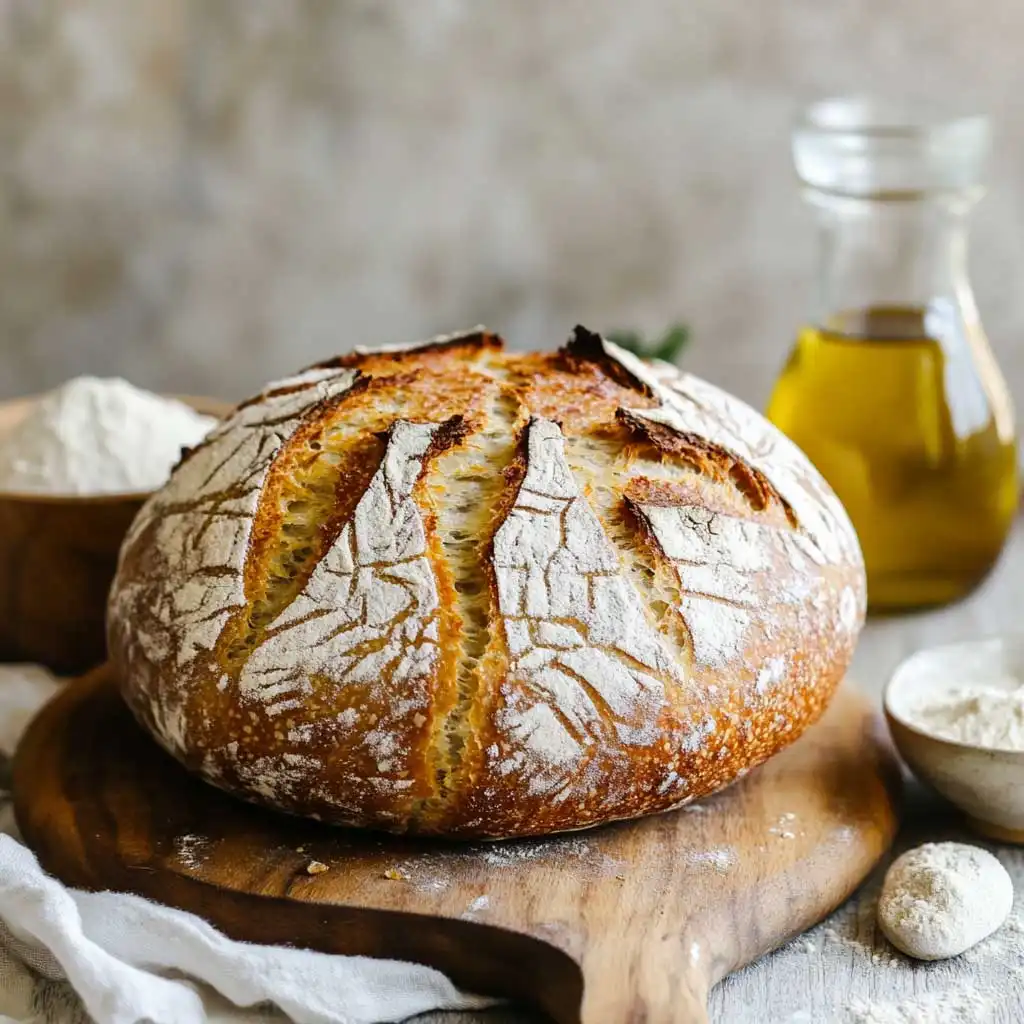

Understanding when your sourdough bulk fermentation is truly complete is one of the most crucial steps to achieving that perfect, airy crumb and tangy flavor in your homemade loaves. It’s a stage where patience and observation pay off, directly impacting the final texture and rise of your bread.
This guide will demystify the process, offering clear indicators and a helpful sourdough proofing time chart to ensure you hit that sweet spot every time. Say goodbye to dense, under-proofed loaves and hello to consistently delicious sourdough bread.

Mastering Sourdough Bulk Fermentation: A Guide
- Total Time: 3-8 hours (observation)
- Yield: 1 loaf
Description
This guide demystifies sourdough bulk fermentation, offering clear indicators and a helpful proofing time chart to achieve perfect, airy crumb and tangy flavor in homemade loaves. It focuses on observation and technique rather than a traditional recipe.
Ingredients
Instructions
1. 1. Prepare Your Dough and Container: After mixing your sourdough ingredients, transfer your dough to a clear, straight-sided container. This is essential for accurate measurement. Lightly oil the container if you wish, to prevent sticking, though many prefer not to.
2. 2. Mark the Starting Volume: Immediately after placing the dough in the container, use a permanent marker or a small piece of tape to mark the exact level of the dough on the side of the container. This will be your baseline for tracking its expansion.
3. 3. Monitor the Dough Temperature: If you have a kitchen thermometer, insert it into the dough to get an internal temperature reading. Ideal dough temperature for bulk fermentation is typically between 75-80 F (24-27 C). A warmer dough will ferment faster, and a cooler dough will ferment slower. Adjust your fermentation environment if needed.
4. 4. Observe for Visual Expansion: Place your marked container in a warm, consistent spot. Over the next few hours, periodically check the dough. You are looking for a significant increase in volume. For most sourdough recipes, bulk fermentation is considered complete when the dough has increased by about 30-50% from its original volume. Some recipes might call for up to a 75% increase, so always refer to your specific recipe’s guidance.
5. 5. Look for Surface Bubbles and Domed Top: As the dough ferments, you should see small bubbles forming on the surface. The top of the dough should become slightly domed and feel airy. These are indicators that the yeast and bacteria in your starter are actively producing gas.
6. 6. Perform the Jiggle Test: Gently jiggle the container. Properly bulk-fermented dough will jiggle like a firm jelly. If it feels very slack and spreads out, it might be over-proofed. If it feels dense and doesn’t jiggle much, it likely needs more time.
7. 7. Consider the “Windowpane Test” (Optional): While more commonly used during mixing, a quick windowpane test can also give you insight. Gently pull a small piece of dough and stretch it thin enough to see light through it without tearing. If it stretches easily and forms a thin membrane, your gluten development is good, and the dough is likely well-fermented.
8. 8. The Sourdough Proofing Time Chart (General Guidance): Dough Temperature 70 F (21 C): Expect 6-10 hours for 30-50% rise. Dough Temperature 75 F (24 C): Expect 4-7 hours for 30-50% rise. Dough Temperature 80 F (27 C): Expect 3-5 hours for 30-50% rise. Note: These are approximate times. Always prioritize the visual and tactile cues over strict timing, as starter activity and flour type also play a role.
- Prep Time: 3-8 hours (observation)
- Cook Time: N/A
- Category: baking
- Method: fermentation
- Cuisine: american
Nutrition
- Serving Size: 1 slice
Keywords: sourdough, fermentation, baking, bread, technique, proofing, homemade, guide, starter, dough
What You’ll Love About This Quick And Easy Recipe
This guide isn’t a recipe in the traditional sense, but rather a masterclass in a foundational sourdough technique that will elevate all your sourdough baking. What you’ll love is the clarity and confidence it brings to a stage that often trips up even experienced bakers. It’s for anyone who has struggled with inconsistent sourdough results, from beginners just starting their journey to seasoned bakers looking to refine their process. By understanding the signs of proper bulk fermentation, you’ll unlock the secret to loaves with fantastic oven spring, a beautiful open crumb, and that signature sourdough chew. This knowledge is essential for every sourdough bake, ensuring your efforts in mixing and shaping are rewarded with a truly exceptional final product.
Everything You Need To Make This Recipe Without Stress
Since this is a guide on technique rather than a specific recipe, there aren’t traditional ingredients to list. However, to successfully apply this guide, you will need your prepared sourdough dough, ready for its bulk fermentation stage.
INGREDIENTS:
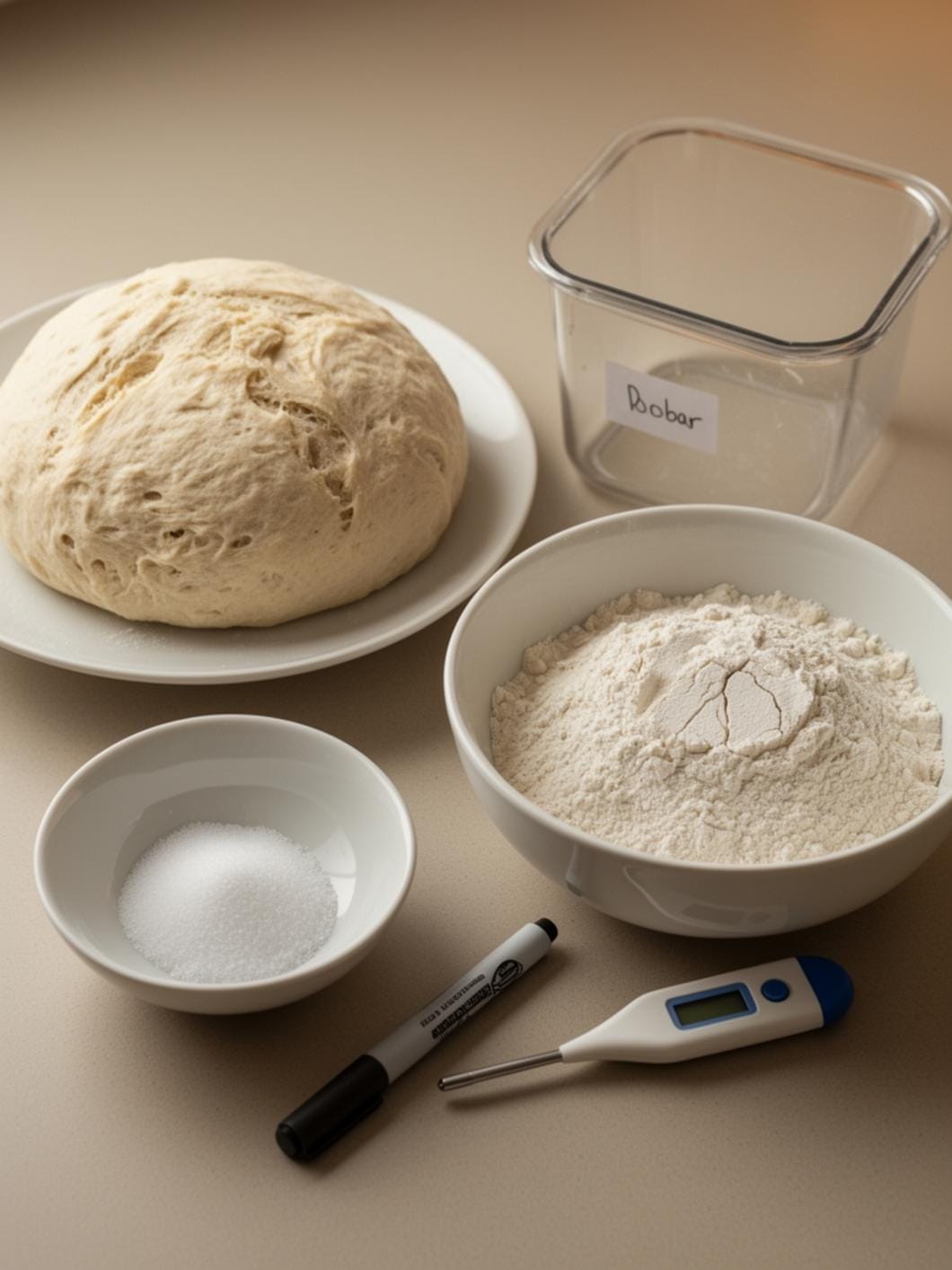
- Your prepared sourdough dough (flour, water, sourdough starter, salt)
- A clear, straight-sided container or bowl for fermentation
- A permanent marker or piece of tape
- A kitchen thermometer (optional, but highly recommended)
- A warm spot in your kitchen (or a proofing box/oven with light on)
For your sourdough dough, ensure you’re using a healthy, active sourdough starter. The quality of your starter directly impacts the fermentation process. For the container, a clear, straight-sided vessel like a Cambro container or a large glass bowl is ideal because it allows you to easily observe the dough’s rise and mark its starting point. A kitchen thermometer is invaluable for monitoring your dough’s temperature, as temperature is a significant factor in fermentation speed.
Time Needed From Start To Finish
The bulk fermentation stage itself can vary significantly in duration, primarily depending on the ambient temperature of your kitchen and the activity level of your sourdough starter. There isn’t a fixed “prep time” or “cook time” for this guide, as it’s about observation.
- Observation Time: 3-8 hours (or longer, depending on temperature and starter activity)
- Total Process Time: This guide focuses on a critical stage within your overall sourdough baking timeline, which typically spans 12-24 hours from mixing to baking. The bulk fermentation phase is a significant portion of this.
It’s important to remember that bulk fermentation is “done when it’s done,” meaning you’re looking for specific visual and textural cues rather than strictly adhering to a clock. The times above are general guidelines for what you might expect in a typical home kitchen environment.
How To Make It Step By Step With Visual Cues

Mastering bulk fermentation involves keen observation and a little practice. Here’s how to guide your dough through this crucial stage:
- Prepare Your Dough and Container: After mixing your sourdough ingredients, transfer your dough to a clear, straight-sided container. This is essential for accurate measurement. Lightly oil the container if you wish, to prevent sticking, though many prefer not to.
- Mark the Starting Volume: Immediately after placing the dough in the container, use a permanent marker or a small piece of tape to mark the exact level of the dough on the side of the container. This will be your baseline for tracking its expansion.
- Monitor the Dough Temperature: If you have a kitchen thermometer, insert it into the dough to get an internal temperature reading. Ideal dough temperature for bulk fermentation is typically between 75-80°F (24-27°C). A warmer dough will ferment faster, and a cooler dough will ferment slower. Adjust your fermentation environment if needed.
- Observe for Visual Expansion: Place your marked container in a warm, consistent spot. Over the next few hours, periodically check the dough. You are looking for a significant increase in volume. For most sourdough recipes, bulk fermentation is considered complete when the dough has increased by about 30-50% from its original volume. Some recipes might call for up to a 75% increase, so always refer to your specific recipe’s guidance.
- Look for Surface Bubbles and Domed Top: As the dough ferments, you should see small bubbles forming on the surface. The top of the dough should become slightly domed and feel airy. These are indicators that the yeast and bacteria in your starter are actively producing gas.
- Perform the Jiggle Test: Gently jiggle the container. Properly bulk-fermented dough will jiggle like a firm jelly. If it feels very slack and spreads out, it might be over-proofed. If it feels dense and doesn’t jiggle much, it likely needs more time.
- Consider the “Windowpane Test” (Optional): While more commonly used during mixing, a quick windowpane test can also give you insight. Gently pull a small piece of dough and stretch it thin enough to see light through it without tearing. If it stretches easily and forms a thin membrane, your gluten development is good, and the dough is likely well-fermented.
- The Sourdough Proofing Time Chart (General Guidance): * Dough Temperature 70°F (21°C): Expect 6-10 hours for 30-50% rise. * Dough Temperature 75°F (24°C): Expect 4-7 hours for 30-50% rise. * Dough Temperature 80°F (27°C): Expect 3-5 hours for 30-50% rise. * *Note:* These are approximate times. Always prioritize the visual and tactile cues over strict timing, as starter activity and flour type also play a role.
Easy Variations And Serving Ideas That Fit Real Life
While this guide focuses on a fundamental technique, mastering bulk fermentation directly impacts the quality of your baked sourdough. The “variations” here relate to how you can adapt your approach to bulk fermentation based on your schedule and desired outcome.
For instance, if you’re aiming for a more pronounced sour flavor, a longer, cooler bulk fermentation (e.g., in a slightly cooler room or even in the refrigerator for a portion of the time) can enhance that. This is a great “variation” for those who love a tangier loaf. If you need a faster turnaround, increasing the dough temperature slightly (using a warm spot in your kitchen or a proofing box) will speed up the process. This flexibility allows you to fit sourdough baking into a busy family schedule.
- Simple Toast: With butter and jam for breakfast.
- Hearty Sandwiches: The sturdy crumb holds up well to fillings.
- Soup Dippers: Its texture is perfect for soaking up broths.
- Bruschetta or Crostini: Toasted slices topped with fresh ingredients.
- With Cheese and Charcuterie: A classic pairing for a delicious snack or appetizer.
Common Slip-Ups And How To Avoid Them
Bulk fermentation can be tricky, and a few common mistakes can lead to less-than-perfect loaves. Knowing these pitfalls helps you steer clear:
- Under-Proofing: This is perhaps the most common mistake. If your dough hasn’t expanded enough (less than 30-50% increase), it means the yeast hasn’t produced enough gas. The resulting loaf will be dense, have a tight crumb, and may tear at the crust during baking (called “blowouts”).
- How to Avoid: Rely on visual cues (volume increase, bubbles) and the jiggle test. Don’t rush the process; let the dough tell you when it’s ready, not the clock. Ensure your dough temperature is adequate.
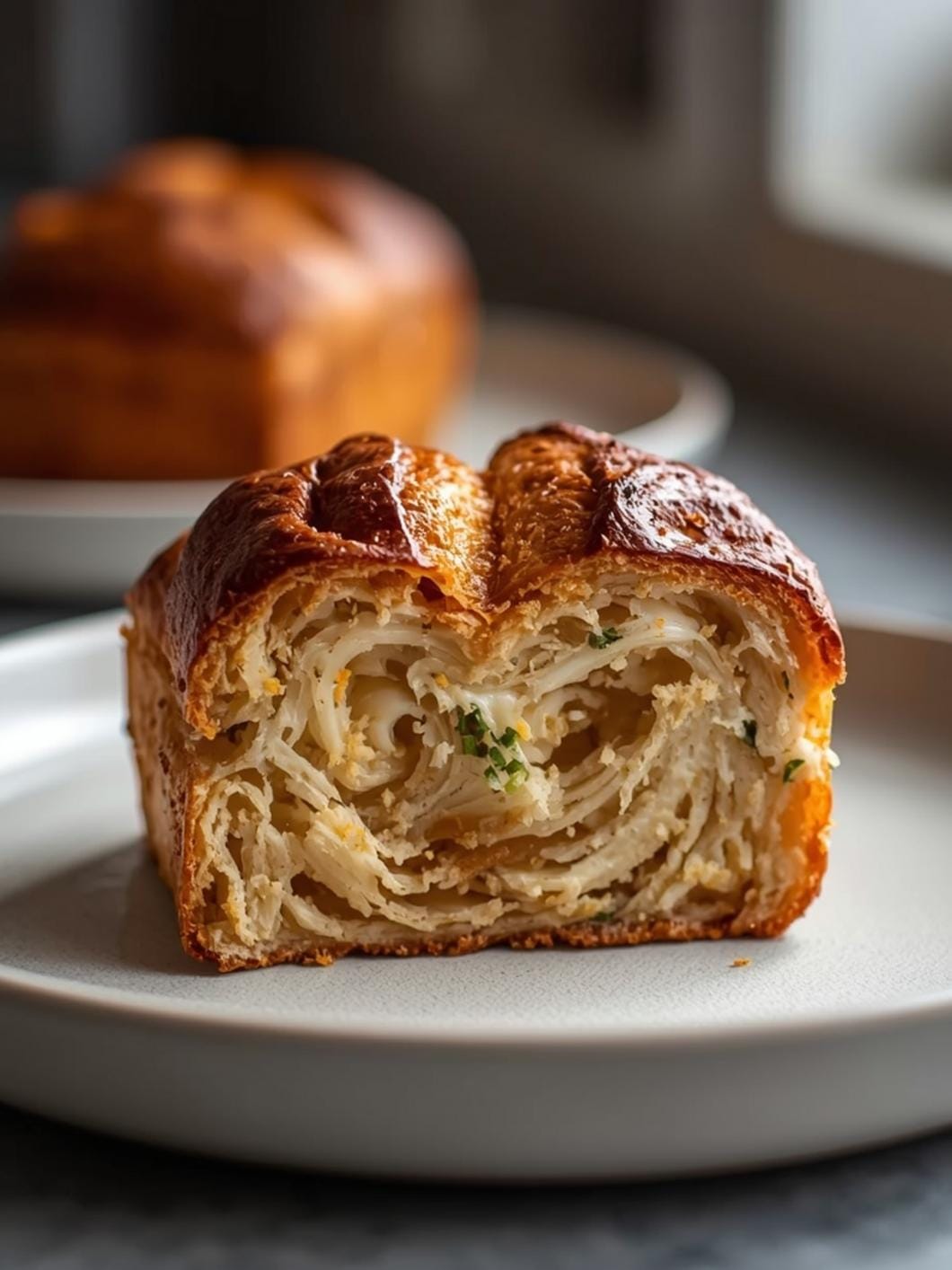
- Over-Proofing: While less common than under-proofing for beginners, over-proofed dough has fermented too long. It will look very airy, might have a very domed top that starts to flatten, and will often feel very slack and weak. It can be difficult to shape and may collapse in the oven, leading to a flat, gummy loaf.
- How to Avoid: Pay close attention to the volume increase (don’t let it go much beyond 50-75% unless your recipe specifically calls for it). The dough should still have some structure and not be overly bubbly or fragile. The jiggle test helps here – it should be firm, not overly wobbly.
- Inconsistent Temperature: Wild fluctuations in temperature can lead to unpredictable fermentation times and results. A dough that starts warm and then
FAQs
- Can I make these ahead? Yes—prep ahead, refrigerate, then serve when ready.
- How long do leftovers last? Store covered in the fridge for 3–4 days for best texture.
- Can I adjust sweetness? Yes—add more or less sweetener to taste.
- Can I change the fruit? Yes—swap strawberries for blueberries, raspberries, or sliced banana.