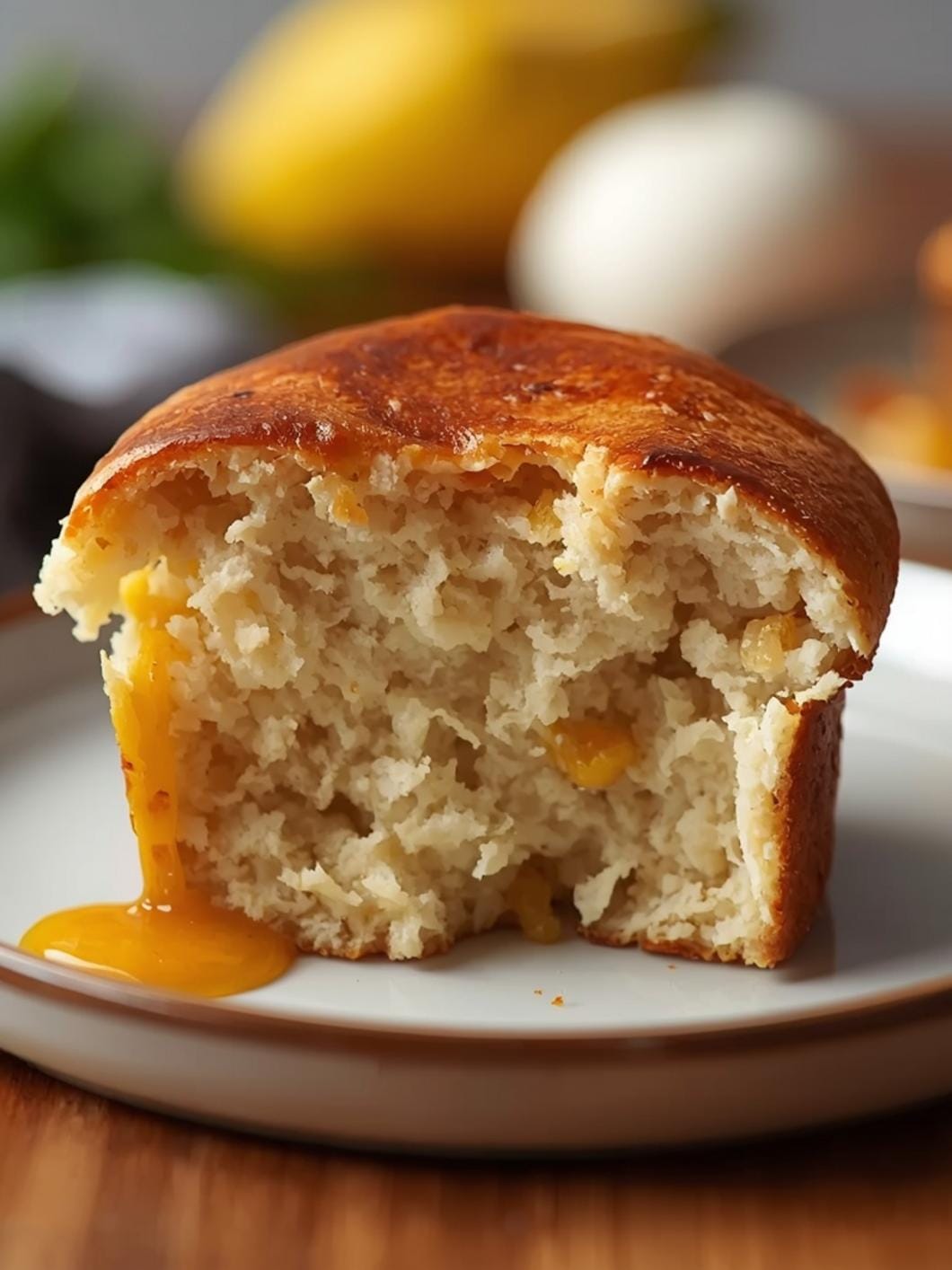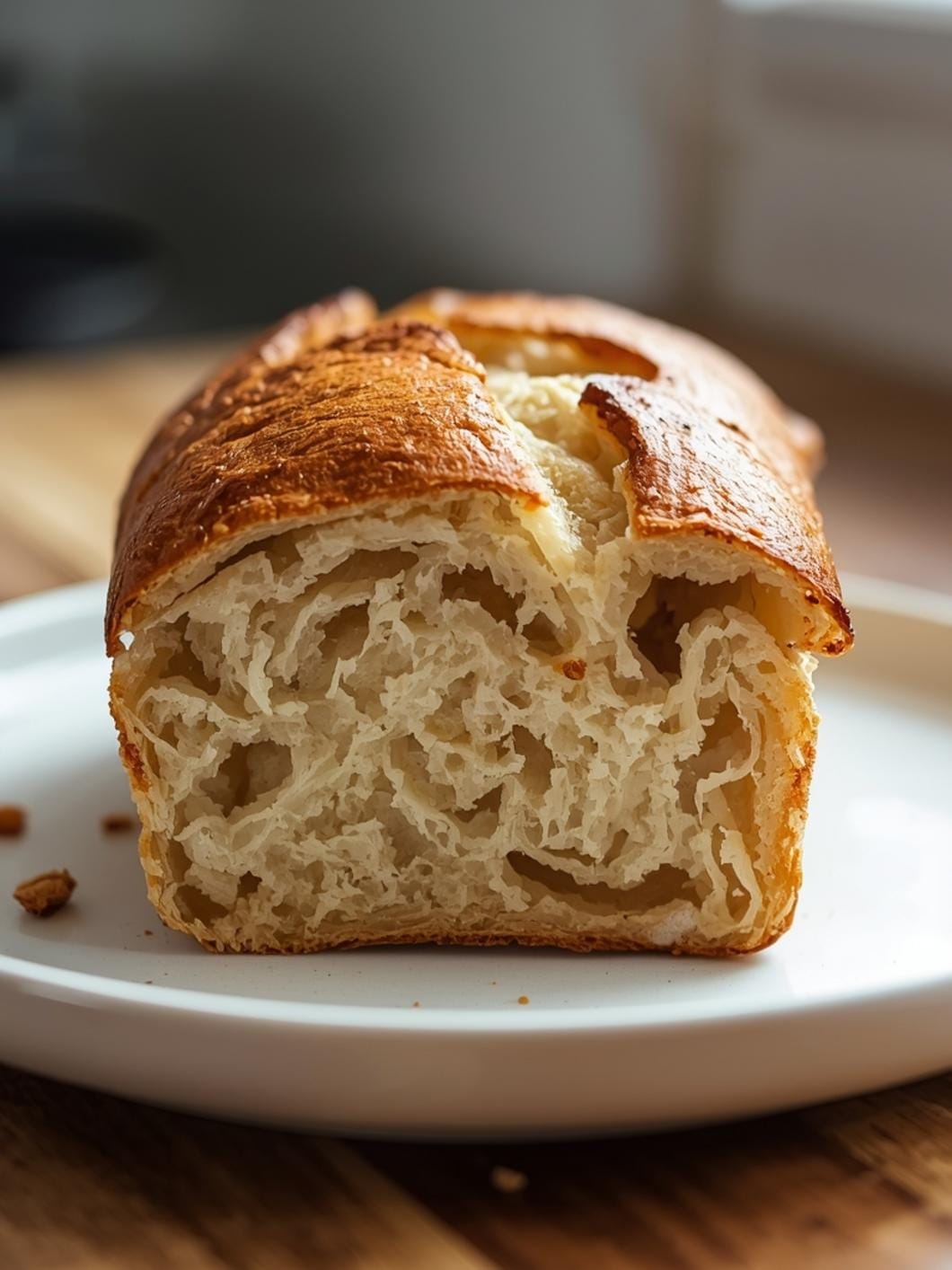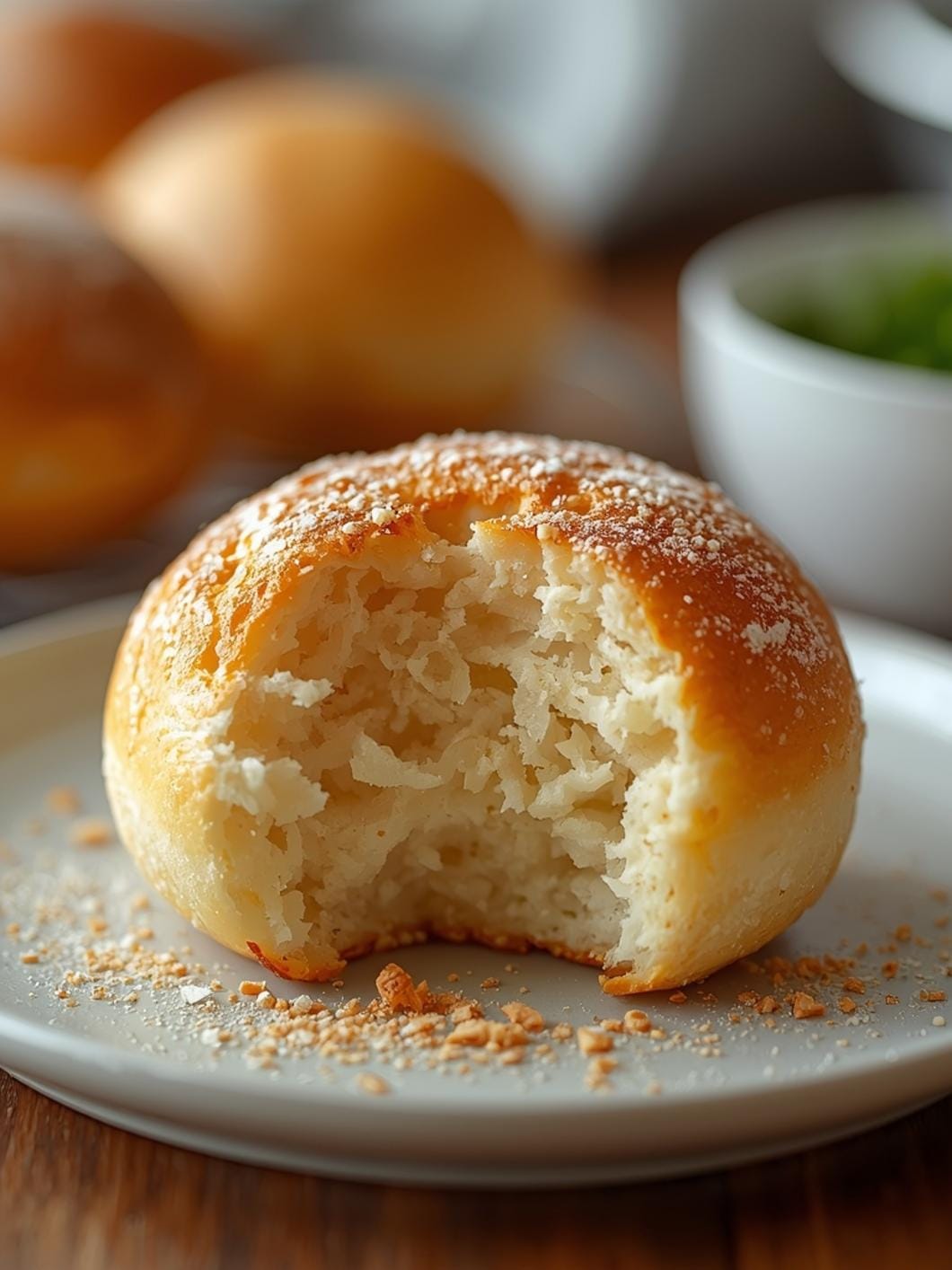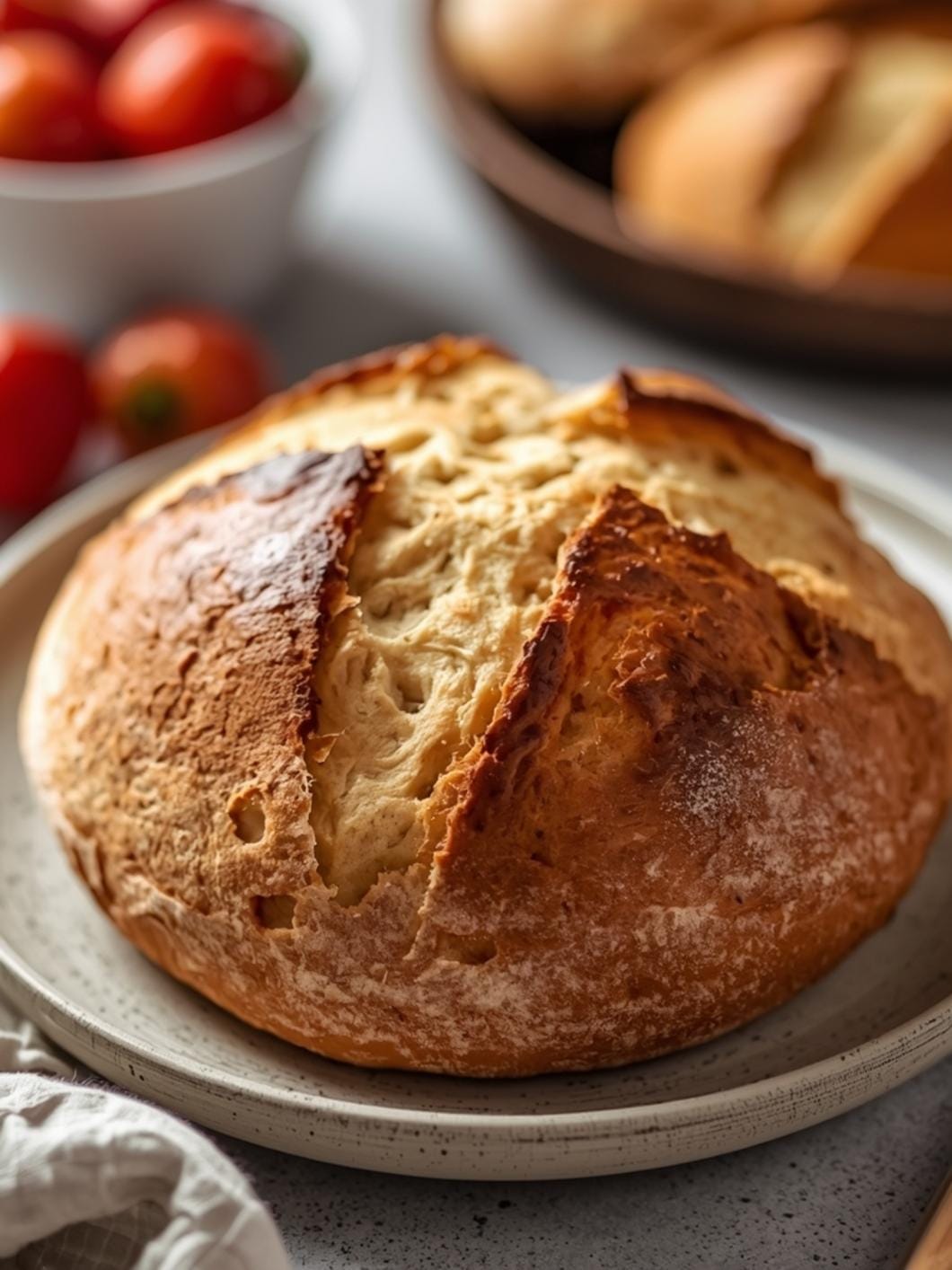

This Sourdough Flatbread with Garlic & Herbs recipe offers a delightful and healthy way to utilize your active sourdough starter.
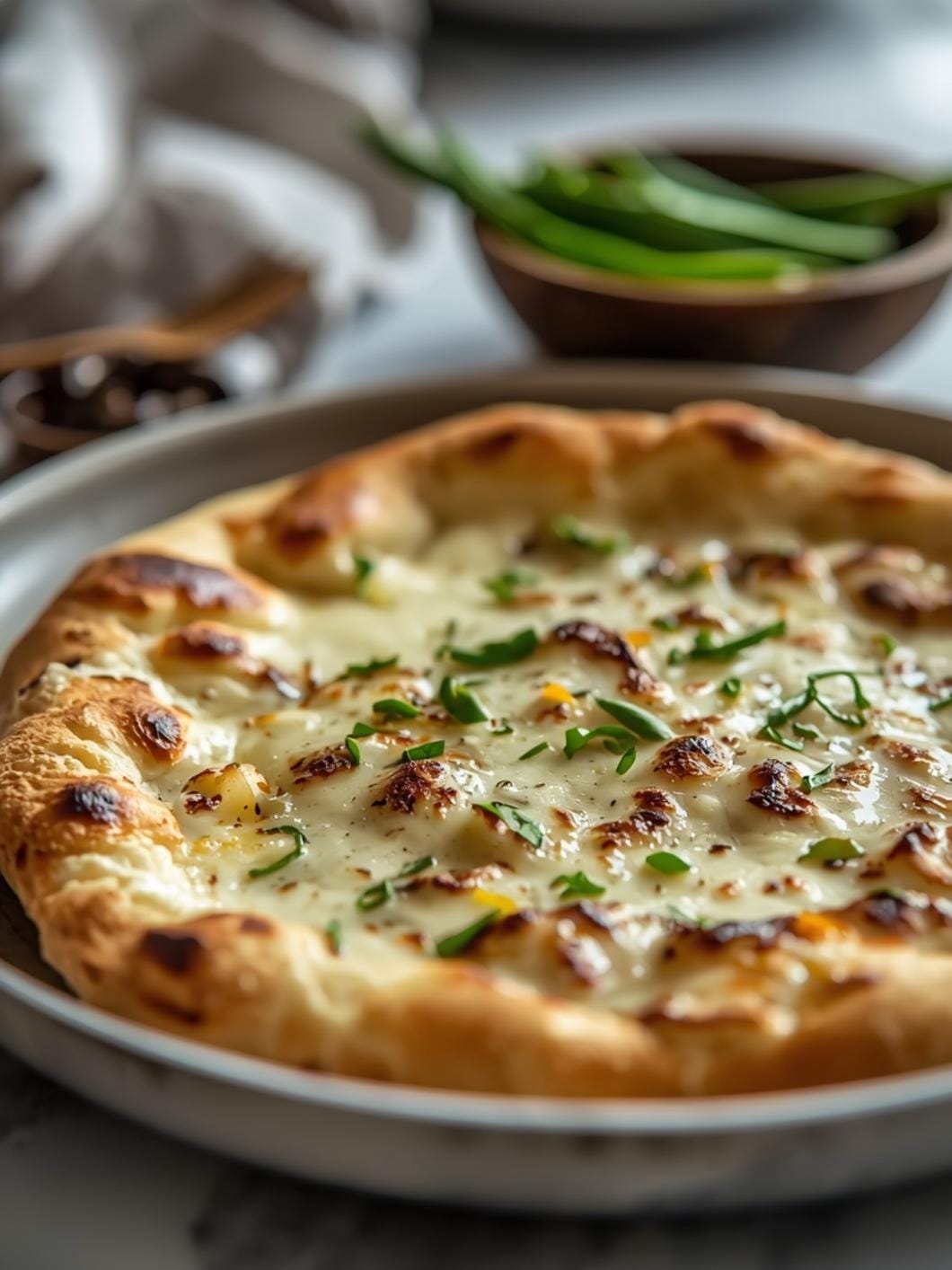
It’s incredibly versatile, perfect for a quick snack when hunger strikes, or as a sturdy and flavorful base for your next Sourdough Flatbread Pizza night. You’ll be amazed at how simple it is to transform a bit of starter into something so delicious.
Whether you’re new to sourdough or a seasoned baker looking for a fresh idea, this recipe is designed to be straightforward and rewarding. We’ll walk you through each step, ensuring you get a perfectly chewy and aromatic flatbread every time. Get ready to enjoy a truly satisfying homemade treat that’s both healthy and incredibly easy to prepare.
Table of Contents
- What You’ll Love About This Quick And Easy Recipe
- Everything You Need To Make This Recipe Without Stress
- Time Needed From Start To Finish
- How To Make It Step By Step With Visual Cues
- Easy Variations And Serving Ideas That Fit Real Life
- Common Slip-Ups And How To Avoid Them
- How To Store It And Make It Ahead Without Ruining Texture

Sourdough Flatbread with Garlic & Herbs
- Total Time: 25-30 minutes
- Yield: 4 flatbreads 1x
Description
This Sourdough Flatbread with Garlic & Herbs recipe offers a delightful and healthy way to utilize your active sourdough starter. It’s incredibly versatile, perfect for a quick snack when hunger strikes, or as a sturdy and flavorful base for your next Sourdough Flatbread Pizza night. You’ll be amazed at how simple it is to transform a bit of starter into something so delicious. Whether you’re new to sourdough or a seasoned baker looking for a fresh idea, this recipe is designed to be straightforward and rewarding. We’ll walk you through each step, ensuring you get a perfectly chewy and aromatic flatbread every time. Get ready to enjoy a truly satisfying homemade treat that’s both healthy and incredibly easy to prepare.
Ingredients
Instructions
1. Combine the Dough Ingredients: In a large mixing bowl, combine the active sourdough starter, all-purpose flour, salt, and baking powder. Mix with a spoon or your hands until a shaggy dough forms. It doesn’t need to be perfectly smooth at this stage.
2. Add Wet Ingredients and Knead Briefly: Drizzle 1 tablespoon of olive oil into the dough. Continue to mix and lightly knead the dough in the bowl for about 2-3 minutes until it comes together into a cohesive, soft ball. The dough should be slightly sticky but manageable.
3. Prepare the Garlic and Herb Oil: In a small bowl, combine the remaining 1 tablespoon of olive oil with the minced garlic, chopped rosemary, chopped thyme, and optional red pepper flakes. Stir well to infuse the flavors.
4. Divide and Roll Out the Dough: Divide the dough into 4 equal pieces. On a lightly floured surface, take one piece and roll it out into a thin oval or round shape, about 1/8 to 1/4 inch thick. The shape doesn’t need to be perfect; rustic is charming! Repeat with the remaining dough pieces.
5. Cook the Flatbreads: Heat a large non-stick skillet or cast-iron pan over medium-high heat. Once hot, lightly brush one side of a rolled-out flatbread with the garlic and herb oil. Place the oiled side down into the hot pan.
6. Cook Until Golden and Bubbly: Cook for 2-3 minutes per side, or until the flatbread is golden brown, slightly puffed, and cooked through. While the first side is cooking, brush the top (uncooked) side with more garlic and herb oil. Flip and cook the second side until it’s also golden and has some nice char marks.
7. Serve Warm: Remove the cooked flatbread from the pan and place it on a plate. Repeat with the remaining dough pieces. Serve immediately while warm, perhaps with a sprinkle of flaky sea salt for extra flavor.
- Prep Time: 10 minutes
- Cook Time: 15-20 minutes
- Category: bread
- Method: baking
- Cuisine: american
Nutrition
- Serving Size: 1 flatbread
Keywords: sourdough, flatbread, garlic, herbs, easy, snack, pizza base, healthy, quick, homemade
What You’ll Love About This Quick And Easy Recipe
This recipe is a true gem for anyone looking to incorporate more sourdough into their diet without a lot of fuss. It’s perfect for busy weeknights when you need a fast and satisfying snack or a light meal. The beauty of this flatbread lies in its simplicity and the depth of flavor that the sourdough starter brings, complemented by aromatic garlic and herbs. It’s a fantastic way to use up excess sourdough discard, reducing waste and creating something delicious in the process. Families will appreciate its versatility; kids can enjoy it plain, dipped in hummus, or topped with their favorite pizza ingredients. Serve it as an appetizer at a casual get-together, alongside a fresh salad for a light lunch, or as a side dish with your favorite soup or stew. It’s healthy, hearty, and comes together with minimal effort, making it a go-to recipe for home cooks of all skill levels.
Everything You Need To Make This Recipe Without Stress
Gathering your ingredients before you start cooking makes the entire process smoother and more enjoyable. This recipe uses common pantry staples alongside your active sourdough starter, ensuring you won’t need to hunt for obscure items.
INGREDIENTS:
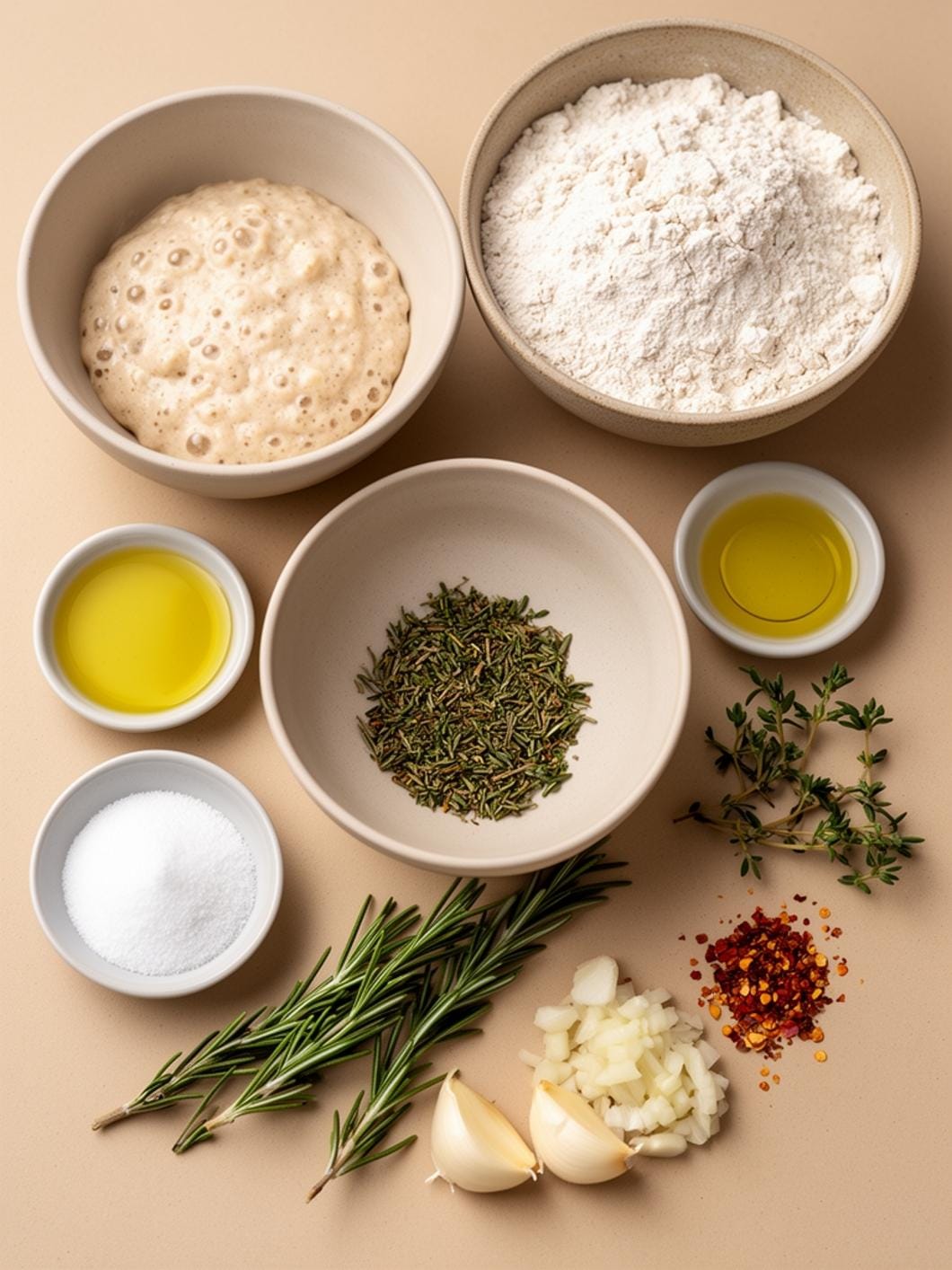
- 1 cup active sourdough starter (fed and bubbly)
- 1 cup all-purpose flour
- 1/2 teaspoon salt
- 1/2 teaspoon baking powder
- 2 tablespoons olive oil, plus more for brushing
- 2 cloves garlic, minced
- 1 tablespoon fresh rosemary, finely chopped (or 1 teaspoon dried)
- 1 tablespoon fresh thyme, finely chopped (or 1 teaspoon dried)
- Pinch of red pepper flakes (optional)
For simple substitutions, if you don’t have fresh herbs on hand, dried herbs work perfectly well; just use about one-third of the amount of fresh herbs. Feel free to experiment with other herbs like oregano or chives. If you prefer a milder garlic flavor, you can use garlic powder instead of fresh minced garlic, about 1/2 teaspoon. For those looking for a gluten-friendly option, a 1:1 gluten-free all-purpose flour blend can often be substituted, though the texture might vary slightly. Always ensure your sourdough starter is active and bubbly for the best results, as this helps with the flatbread’s texture and rise.
Time Needed From Start To Finish
One of the best features of this sourdough flatbread recipe is how quickly it comes together, making it ideal for those moments when you need something delicious without a long wait.
Preparation Time: 10 minutes Cooking Time: 15-20 minutes Total Time: 25-30 minutes
This realistic timeline accounts for mixing the dough, a brief resting period, and the quick cooking time on the stovetop or in the oven. It’s genuinely a recipe you can whip up on a whim.
How To Make It Step By Step With Visual Cues

Creating this delicious sourdough flatbread is a straightforward process. Follow these steps for a perfect outcome every time.
- Combine the Dough Ingredients: In a large mixing bowl, combine the active sourdough starter, all-purpose flour, salt, and baking powder. Mix with a spoon or your hands until a shaggy dough forms. It doesn’t need to be perfectly smooth at this stage.
- Add Wet Ingredients and Knead Briefly: Drizzle 1 tablespoon of olive oil into the dough. Continue to mix and lightly knead the dough in the bowl for about 2-3 minutes until it comes together into a cohesive, soft ball. The dough should be slightly sticky but manageable.
- Prepare the Garlic and Herb Oil: In a small bowl, combine the remaining 1 tablespoon of olive oil with the minced garlic, chopped rosemary, chopped thyme, and optional red pepper flakes. Stir well to infuse the flavors.
- Divide and Roll Out the Dough: Divide the dough into 4 equal pieces. On a lightly floured surface, take one piece and roll it out into a thin oval or round shape, about 1/8 to 1/4 inch thick. The shape doesn’t need to be perfect; rustic is charming! Repeat with the remaining dough pieces.
- Cook the Flatbreads: Heat a large non-stick skillet or cast-iron pan over medium-high heat. Once hot, lightly brush one side of a rolled-out flatbread with the garlic and herb oil. Place the oiled side down into the hot pan.
- Cook Until Golden and Bubbly: Cook for 2-3 minutes per side, or until the flatbread is golden brown, slightly puffed, and cooked through. While the first side is cooking, brush the top (uncooked) side with more garlic and herb oil. Flip and cook the second side until it’s also golden and has some nice char marks.
- Serve Warm: Remove the cooked flatbread from the pan and place it on a plate. Repeat with the remaining dough pieces. Serve immediately while warm, perhaps with a sprinkle of flaky sea salt for extra flavor.
Easy Variations And Serving Ideas That Fit Real Life
This Sourdough Flatbread is incredibly versatile, making it easy to adapt for different tastes and occasions.
For a kid-friendly twist, skip the red pepper flakes and go light on the garlic. You can also offer a variety of dipping sauces like marinara, ranch, or a mild hummus. Cut the flatbread into fun shapes before baking or into strips after baking for easy dipping.
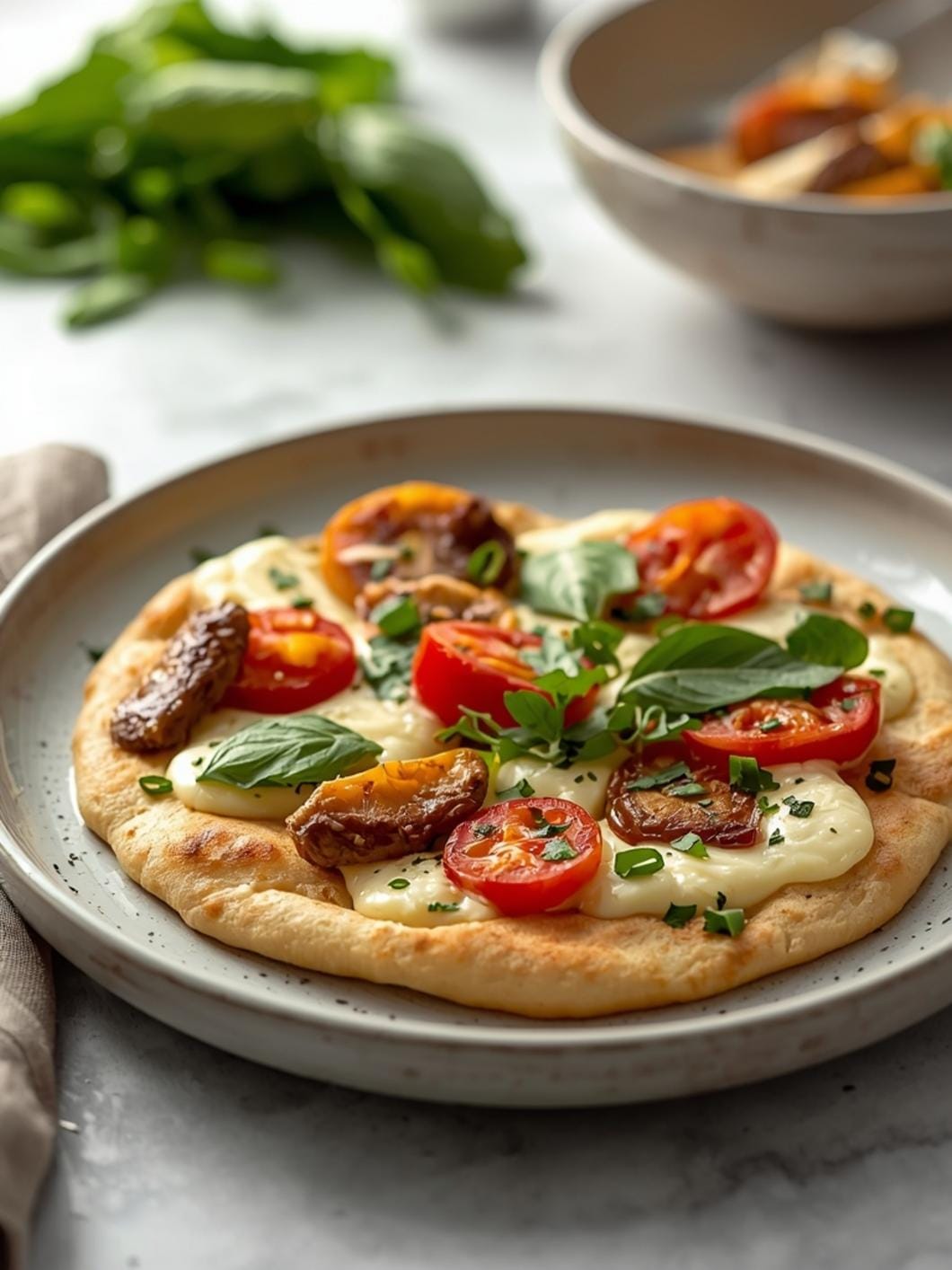
To make it a Sourdough Flatbread Pizza, simply roll the dough a bit thinner, par-bake it for 2-3 minutes per side, then top with your favorite pizza sauce, cheese, and toppings. Pop it back into the oven or under the broiler until the cheese is melted and bubbly. This is a fantastic way to customize individual pizzas for a family dinner.
For a party or buffet spread, serve the flatbread cut into wedges alongside a platter of dips such as baba ghanoush, tzatziki, or a creamy spinach dip. You can also offer a variety of toppings like crumbled feta cheese, chopped olives, sun-dried tomatoes, or a drizzle of balsamic glaze for guests to customize their own bites.
Consider adding different herbs like oregano, chives, or even a touch of za’atar to the dough or the oil mixture for a different flavor profile. A sprinkle of grated Parmesan cheese over the top during the last minute of cooking adds a savory, cheesy crust. You could also incorporate finely chopped caramelized onions into the dough for a sweeter, richer flatbread.
Common Slip-Ups And How To Avoid Them
Even with a simple recipe like sourdough flatbread, a few common mistakes can impact your final result. Knowing how to avoid them will ensure your flatbreads are always perfect.
Using inactive sourdough starter: If your starter isn’t active and bubbly, your flatbreads might be dense and lack the characteristic sourdough tang. Always ensure your starter has been fed recently and is at its peak activity before using it in this recipe. You’ll see lots of bubbles and it will have risen significantly.
Over-flouring the dough: While you need some flour for rolling, too much will make the flatbread dry and tough. Use just enough flour on your work surface and rolling pin to prevent sticking. The dough should still feel soft and pliable.
Rolling the dough too thick or too thin: If the dough is too thick, it won’t cook evenly and might be gummy in the middle. If it’s too thin, it can become overly crispy and brittle. Aim for about 1/8 to 1/4 inch thickness for a good balance of chewiness and crispness.
Overcrowding the pan: Cooking too many flatbreads at once can lower the pan’s temperature, leading to steamed rather than properly browned flatbreads. Cook them in batches, giving each flatbread enough space to cook evenly and develop a nice crust.
Overcooking the flatbreads: Flatbreads cook quickly! Overcooking can make them dry and hard. Keep an eye on them, flipping once they are golden brown and slightly puffed, and remove them from the heat as soon as they are cooked through. They should still be pliable.
How To Store It And Make It Ahead Without Ruining Texture
Proper storage is key to enjoying your sourdough flatbreads even after they’ve cooled. They are best enjoyed fresh and warm, but they can certainly be stored for later.
To store leftover flatbreads, allow them to cool completely to room temperature. Stack them with a piece of parchment paper in between to prevent sticking, then place them in an airtight container or a resealable plastic bag.
FAQs
- Can I make these ahead? Yes—prep ahead, refrigerate, then serve when ready.
- How long do leftovers last? Store covered in the fridge for 3–4 days for best texture.
- Can I adjust sweetness? Yes—add more or less sweetener to taste.
- Can I change the fruit? Yes—swap strawberries for blueberries, raspberries, or sliced banana.