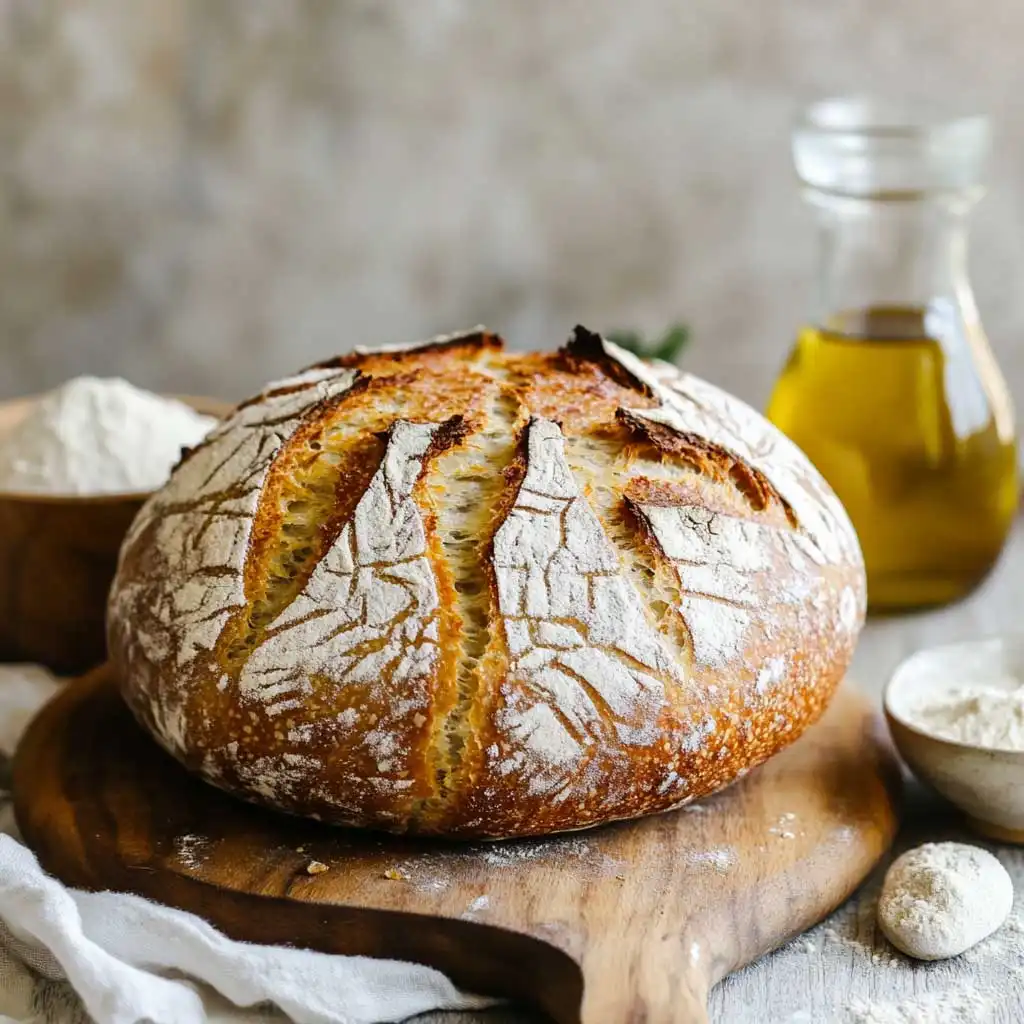

Elevate your homemade sourdough bread with these simple yet stunning sourdough scoring designs perfect for oval loaves.
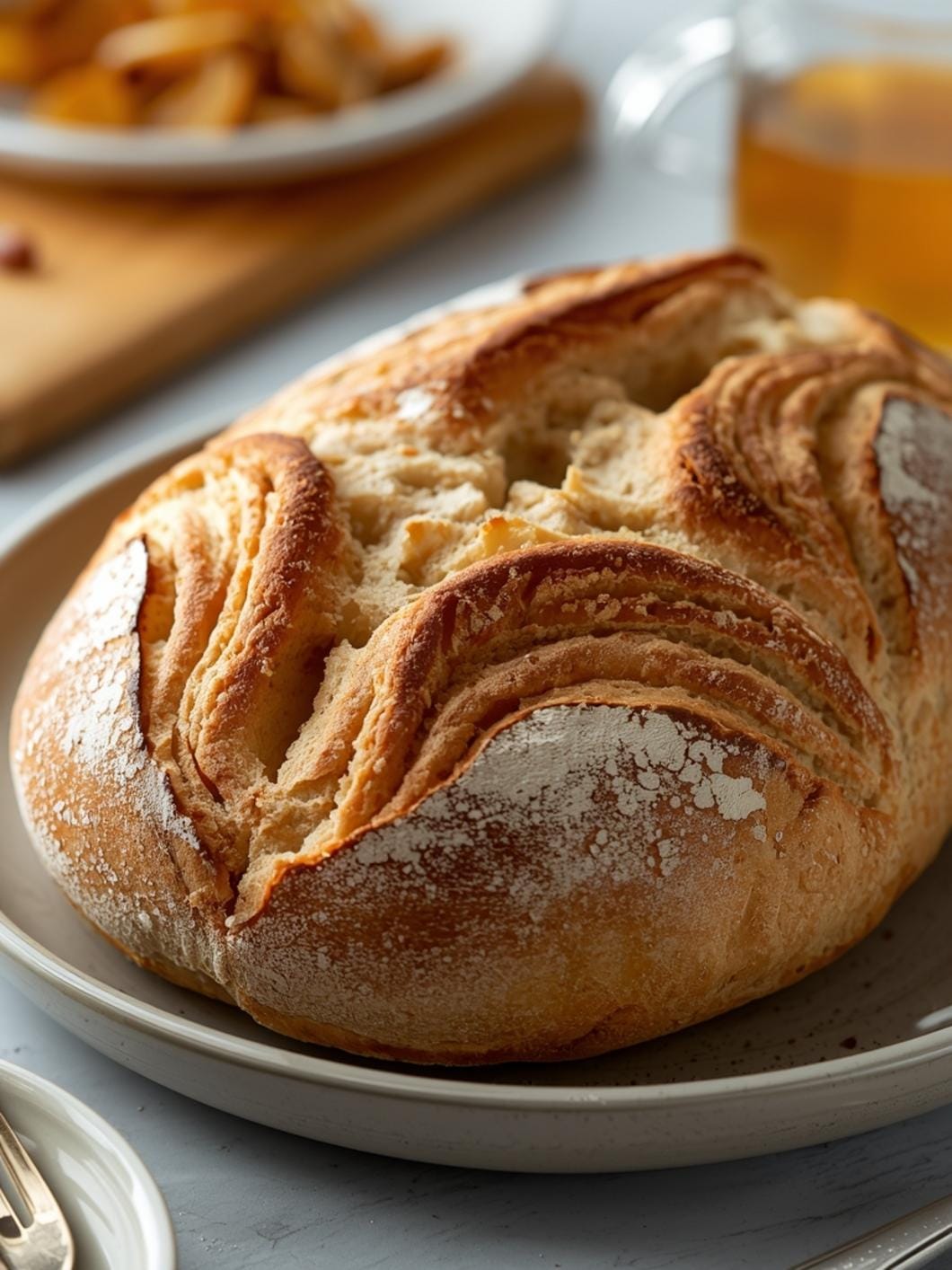
Learning how to create beautiful bread art doesn’t have to be intimidating; it’s a fantastic way to personalize your loaves and impress your family and friends.
Discover the details of easy sourdough cuts that transform a plain oval loaf into a work of art. These designs are not only visually appealing but also help guide the oven spring, resulting in a beautifully shaped and textured crust every time.
Table of Contents
- What You’ll Love About This Quick And Easy Recipe
- Everything You Need To Make This Recipe Without Stress
- Time Needed From Start To Finish
- How To Make It Step By Step With Visual Cues
- Easy Variations And Serving Ideas That Fit Real Life
- Common Slip-Ups And How To Avoid Them
- How To Store It And Make It Ahead Without Ruining Texture
- Questions People Always Ask Before Making This Recipe

Sourdough Scoring Designs for Oval Loaves
- Total Time: 2-5 minutes (active scoring)
- Yield: 1 loaf 1x
Description
Elevate your homemade sourdough bread with these simple yet stunning sourdough scoring designs perfect for oval loaves. Learning how to create beautiful bread art doesn’t have to be intimidating; it’s a fantastic way to personalize your loaves and impress your family and friends. Discover the details of easy sourdough cuts that transform a plain oval loaf into a work of art. These designs are not only visually appealing but also help guide the oven spring, resulting in a beautifully shaped and textured crust every time.
Ingredients
Instructions
1. Prepare Your Loaf: Ensure your oval sourdough loaf is fully proofed and chilled (if possible, chilling for 20-30 minutes before scoring can make the dough firmer and easier to score cleanly). Lightly dust the top surface of your loaf with rice flour or all-purpose flour using a small sieve or your fingers. This dusting provides a beautiful contrast for your design once baked.
2. Hold Your Lame Correctly: Hold your lame or razor blade at a shallow angle, typically around 20-30 degrees relative to the surface of the dough. This angle helps create a “flap” that will open up nicely in the oven. For deeper cuts, you might hold it a bit straighter, but always maintain an angle for good oven spring.
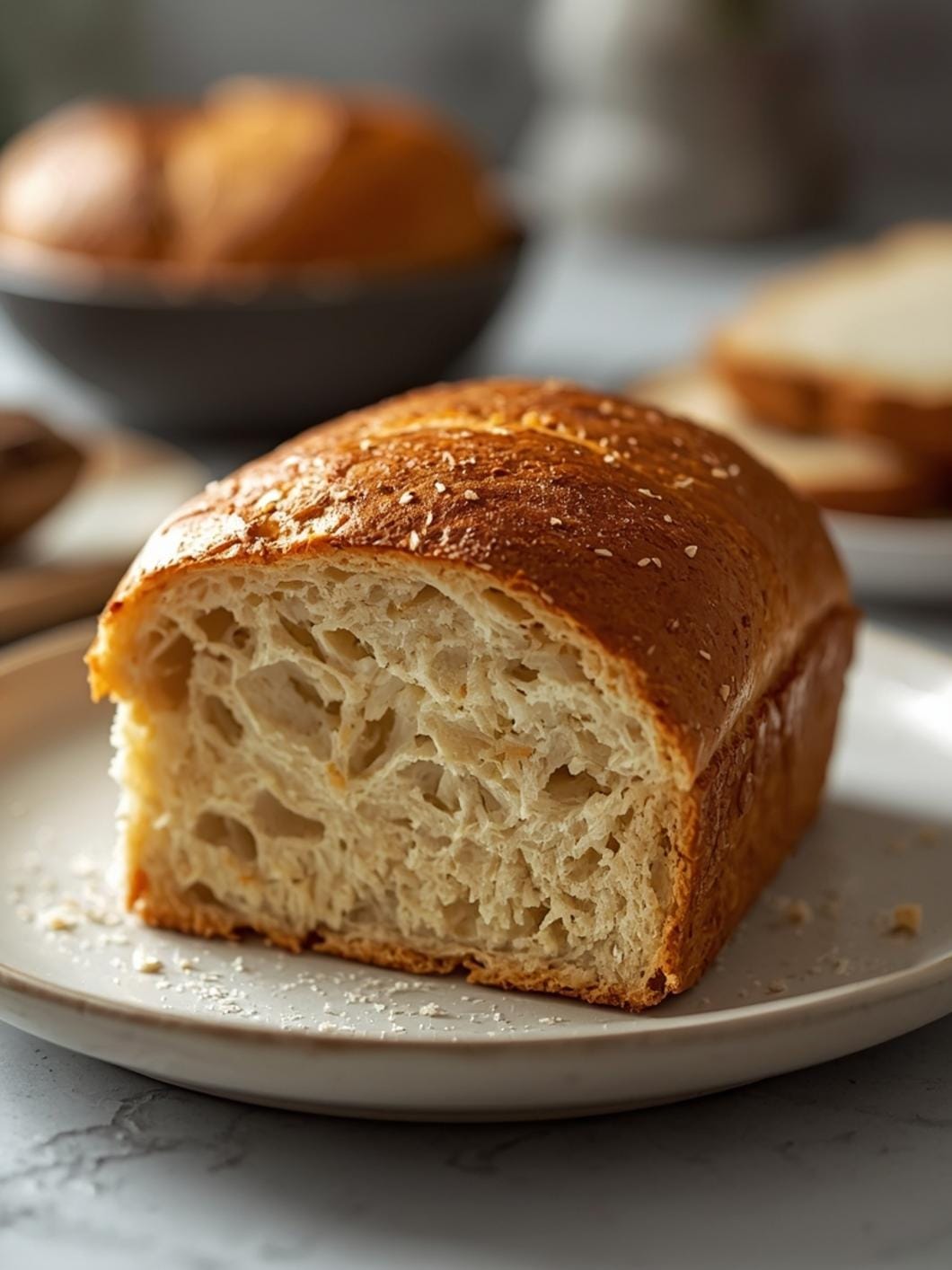
3. The Simple Center Score: For a classic and effective design, make one long, confident cut down the center of your oval loaf, from one end to the other. Aim for a depth of about 1/2 to 3/4 inch. This single score will create a beautiful ear and allow for maximum oven spring.
4. The Wheat Stalk Design: Begin with a single, slightly curved score running lengthwise down the center of the loaf. Then, make several short, diagonal cuts branching off from this main line, alternating sides, to mimic the look of a wheat stalk. Keep these smaller cuts shallower, about 1/4 inch deep.
5. The Leaf Pattern: Start by making a central, slightly curved score along the length of the loaf. Then, make several short, curved cuts originating from the central score and fanning outwards, resembling the veins of a leaf. Ensure all cuts are confident and swift.
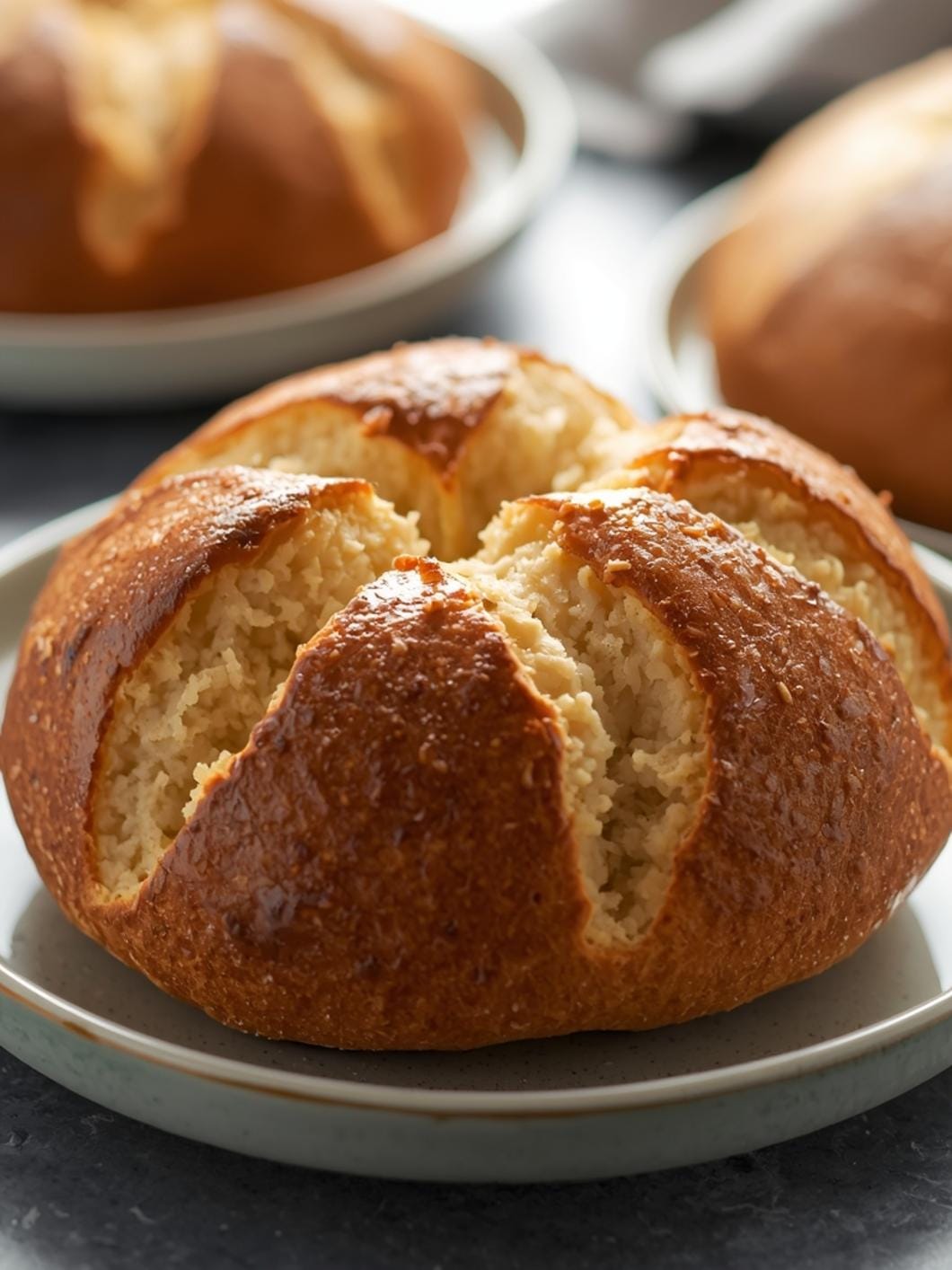
6. The Criss-Cross Hatch: Make several parallel diagonal cuts across the top of the loaf, from one side to the other. Then, make another set of parallel diagonal cuts in the opposite direction, creating a criss-cross or diamond pattern. These cuts can be shallower, around 1/4 inch deep.
7. Transfer to Oven: Once scored, immediately transfer your loaf to your preheated Dutch oven or baking surface. The goal is to get it into the hot oven as quickly as possible after scoring to maximize oven spring.
8. Observe the Magic: As your loaf bakes, watch your scores open up and transform into stunning patterns, creating a beautiful, crispy crust.
- Prep Time: 2-5 minutes
- Cook Time: 30-45 minutes
- Category: bread
- Method: baking
- Cuisine: european
Nutrition
- Serving Size: 1 loaf
Keywords: sourdough, scoring, bread art, oval loaf, baking, homemade, crust, oven spring, designs, easy
What You’ll Love About This Quick And Easy Recipe
You’ll absolutely adore how straightforward and rewarding these sourdough scoring techniques are, even if you’re new to bread baking. This guide is perfect for anyone who wants to add a touch of artistry to their homemade sourdough without needing advanced skills or specialized tools. It’s for the home baker who has mastered the basics of sourdough and is ready to take their loaves to the next level visually. These designs are fantastic for everyday baking, bringing a little extra joy to your kitchen, or for when you want to present a truly show-stopping loaf at a dinner party or potluck. The best part? These simple cuts ensure a gorgeous, professional-looking crust every single time.
Everything You Need To Make This Recipe Without Stress
To create beautiful sourdough scoring designs, you don’t need a pantry full of ingredients, but rather a few essential tools that will make the process smooth and enjoyable.
INGREDIENTS:
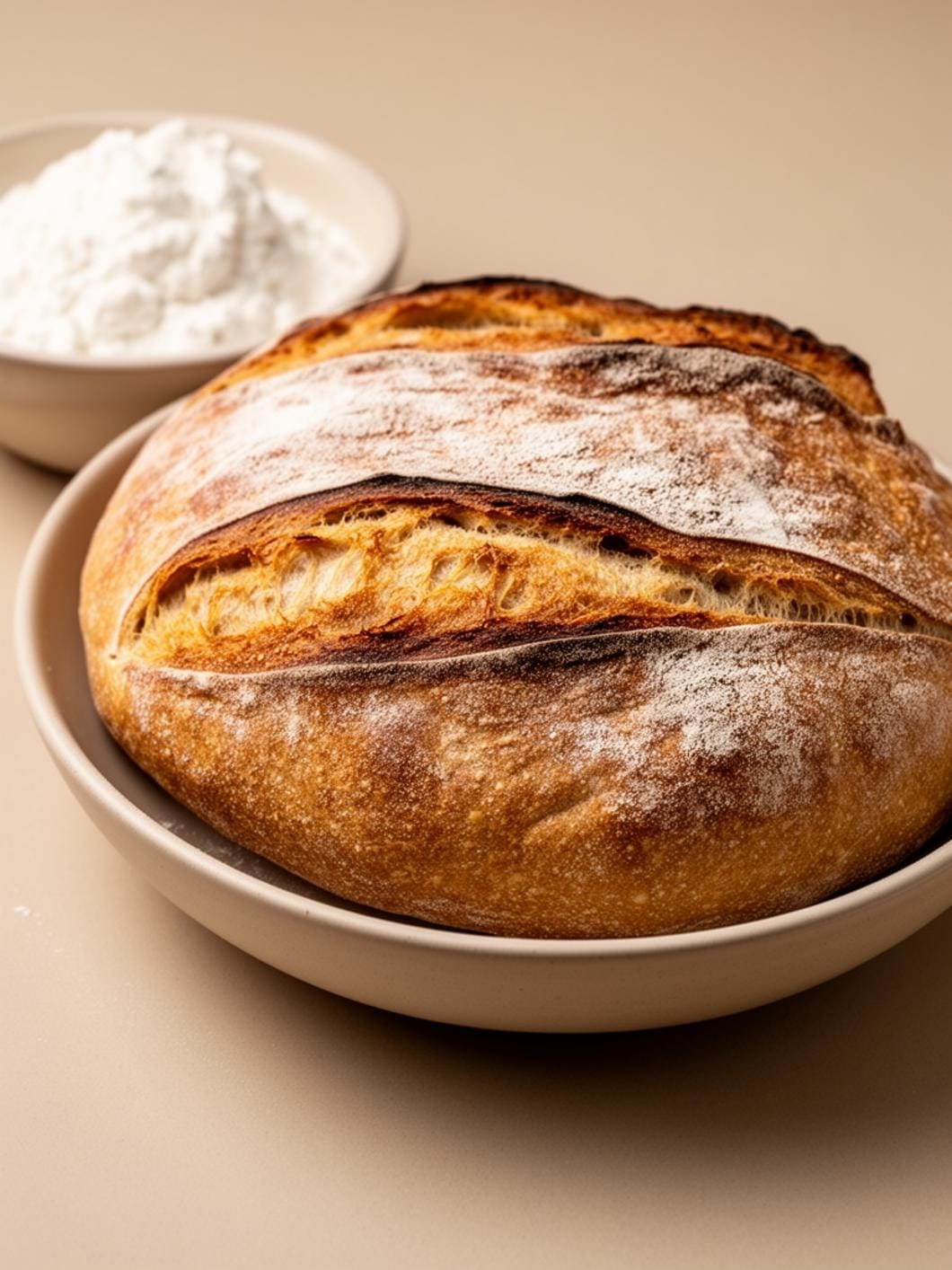
- 1 oval-shaped sourdough loaf, proofed and ready for scoring
- A small amount of rice flour or all-purpose flour for dusting (optional, but helpful for contrast)
For simple substitutions and brand-neutral options, while you don’t “eat” these tools, they are your “ingredients” for success. A good quality lame (pronounced “lahm”) with a sharp blade is truly invaluable. If you don’t have a lame, a very sharp razor blade or even a sharp paring knife can work in a pinch, though the precision of a lame is superior. The rice flour is optional but highly recommended; it provides a lovely contrast against the darker crust once baked, making your designs pop. Any fine flour will do if you don’t have rice flour on hand.
Time Needed From Start To Finish
The actual time spent scoring your sourdough loaf is remarkably quick, making this a fast and impactful step in your baking process.
Prep Time: 2-5 minutes (depending on the complexity of your chosen design) Cook Time: This refers to the baking time of your sourdough loaf, which typically ranges from 30-45 minutes, but the scoring itself adds no extra baking time. Total Time: 2-5 minutes of active scoring time before baking.
How To Make It Step By Step With Visual Cues
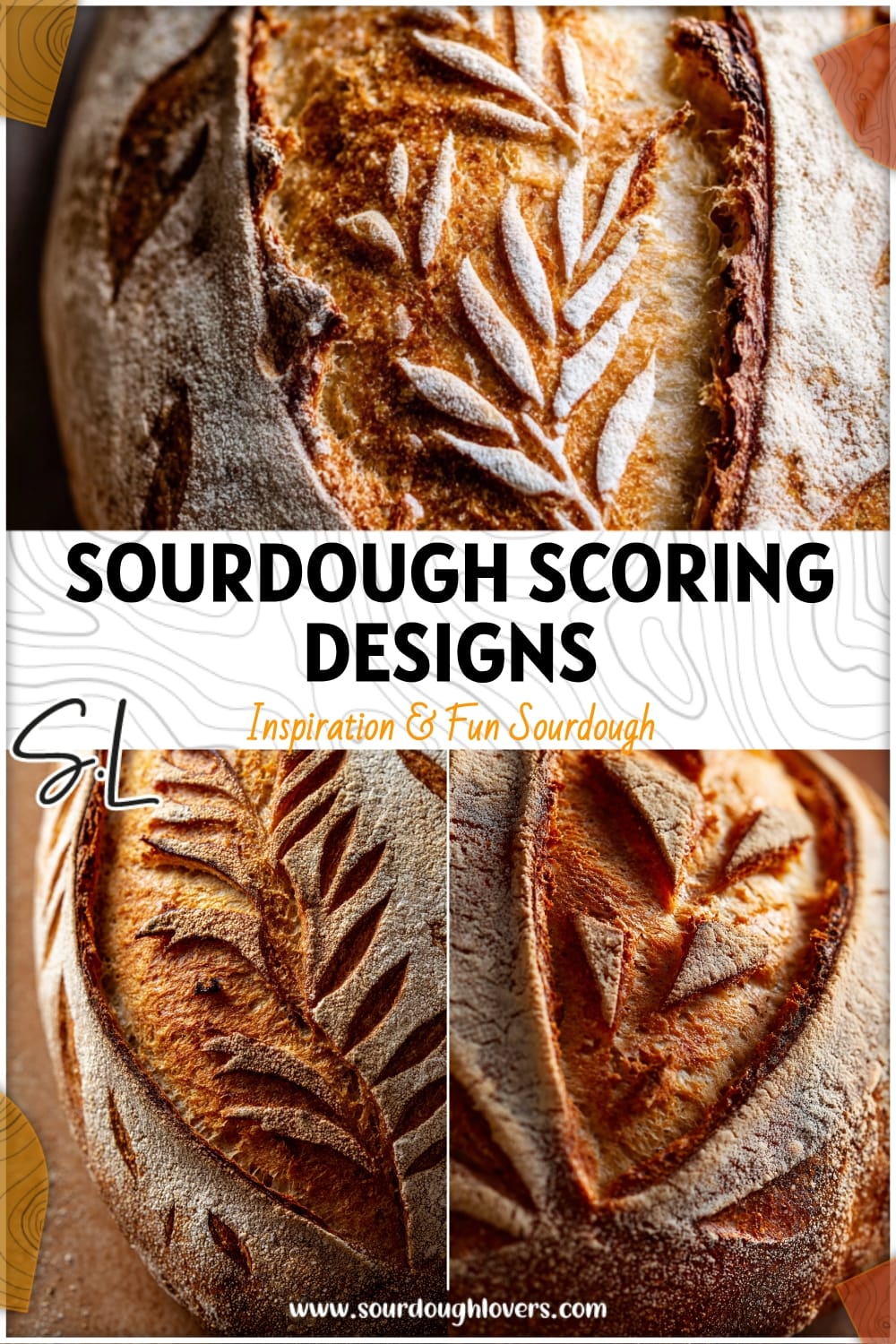
Scoring your sourdough is a crucial step that not only creates beautiful patterns but also allows the dough to expand properly during baking, preventing uncontrolled cracks. Here’s how to create easy designs for oval loaves.
- Prepare Your Loaf: Ensure your oval sourdough loaf is fully proofed and chilled (if possible, chilling for 20-30 minutes before scoring can make the dough firmer and easier to score cleanly). Lightly dust the top surface of your loaf with rice flour or all-purpose flour using a small sieve or your fingers. This dusting provides a beautiful contrast for your design once baked.
- Hold Your Lame Correctly: Hold your lame or razor blade at a shallow angle, typically around 20-30 degrees relative to the surface of the dough. This angle helps create a “flap” that will open up nicely in the oven. For deeper cuts, you might hold it a bit straighter, but always maintain an angle for good oven spring.
- The Simple Center Score: For a classic and effective design, make one long, confident cut down the center of your oval loaf, from one end to the other. Aim for a depth of about 1/2 to 3/4 inch. This single score will create a beautiful ear and allow for maximum oven spring.
- The Wheat Stalk Design: Begin with a single, slightly curved score running lengthwise down the center of the loaf. Then, make several short, diagonal cuts branching off from this main line, alternating sides, to mimic the look of a wheat stalk. Keep these smaller cuts shallower, about 1/4 inch deep.
- The Leaf Pattern: Start by making a central, slightly curved score along the length of the loaf. Then, make several short, curved cuts originating from the central score and fanning outwards, resembling the veins of a leaf. Ensure all cuts are confident and swift.
- The Criss-Cross Hatch: Make several parallel diagonal cuts across the top of the loaf, from one side to the other. Then, make another set of parallel diagonal cuts in the opposite direction, creating a criss-cross or diamond pattern. These cuts can be shallower, around 1/4 inch deep.
- Transfer to Oven: Once scored, immediately transfer your loaf to your preheated Dutch oven or baking surface. The goal is to get it into the hot oven as quickly as possible after scoring to maximize oven spring.
- Observe the Magic: As your loaf bakes, watch your scores open up and transform into stunning patterns, creating a beautiful, crispy crust.
Easy Variations And Serving Ideas That Fit Real Life
These scoring techniques are all about making your sourdough loaves look fantastic, which in turn makes them even more appealing for any meal or gathering.
For a kid-friendly presentation, a simple center score or a few parallel lines are often enough to make the bread look exciting without being overly complex. You can even let older kids help with the dusting of flour (under supervision, of course!). For party or buffet serving, a beautifully scored loaf is a centerpiece in itself. Imagine a large oval loaf with a stunning wheat stalk or leaf pattern, served alongside a platter of artisanal cheeses, olives, and cured meats. It’s an instant conversation starter. For a casual family dinner, a classic center-scored loaf is perfect for tearing and dipping into olive oil with balsamic vinegar, or serving alongside a hearty soup or stew. You can also offer optional toppings like a sprinkle of flaky sea salt or sesame seeds *before* baking, which will adhere beautifully to your scored patterns.
Common Slip-Ups And How To Avoid Them
Even with simple scoring, a few common mistakes can impact the final look of your loaf. Knowing these can help you achieve perfect results every time.
One frequent slip-up is not using a sharp enough blade. A dull blade will drag the dough, resulting in ragged, messy cuts instead of clean, defined lines. Always use a fresh, sharp razor blade or a dedicated lame. Another common issue is making cuts that are too shallow or too deep. Cuts that are too shallow won’t open properly, leading to uncontrolled bursting elsewhere on the crust. Cuts that are too deep can cause the loaf to spread too much and lose its shape. Aim for a consistent depth of 1/2 to 3/4 inch for primary cuts and 1/4 inch for decorative cuts. Lastly, hesitation is a killer for good scoring. Make confident, swift cuts. If you hesitate or make multiple passes, the dough can tear and look less professional. Practice on a piece of scrap dough if you’re nervous, but remember that a quick, decisive stroke is key.
How To Store It And Make It Ahead Without Ruining Texture
Scoring is an immediate pre-baking step, so there’s no “making it ahead” in terms of the scoring itself. However, proper storage of your baked, scored sourdough loaf is essential to maintain its beautiful texture and crust.
Once your beautifully scored sourdough loaf has cooled completely, store it at room temperature. The best way to keep the crust crisp and the interior soft is to store it cut-side down on a cutting board, uncovered, for the first day. This allows the crust to remain airy. For longer storage, you can wrap the cooled loaf loosely in a clean kitchen towel, or place it in a paper bag. Avoid airtight plastic bags for the first few days, as they can trap moisture and soften the crust. If you need to store it for more than 2-3 days, slice the cooled loaf and freeze the slices in an airtight freezer bag. To reheat, simply toast the frozen slices or warm the whole loaf (if frozen) in a moderate oven until warmed through and the crust is crisp again.
Questions People Always Ask Before Making This Recipe
Here are some common questions home bakers have about sourdough scoring for oval loaves.
Do I really need a special tool like a lame for scoring? While a lame offers the best precision and angle control, a very sharp razor blade or even a sharp paring knife can work. The key is sharpness to avoid dragging the dough.
What’s the best angle to hold the blade for scoring? For most cuts, holding the blade at a shallow angle (around 20-30 degrees) to the dough surface is ideal. This creates a “lip” or “ear” that expands beautifully in the oven.
How deep should my scores be? For primary, structural cuts (like a single center score), aim for 1/2 to 3/4 inch deep. For decorative cuts, 1/4 inch is usually sufficient.
**My scores aren’t opening up well in the oven. What am I doing
FAQs
- Can I make these ahead? Yes—prep ahead, refrigerate, then serve when ready.
- How long do leftovers last? Store covered in the fridge for 3–4 days for best texture.
- Can I adjust sweetness? Yes—add more or less sweetener to taste.
- Can I change the fruit? Yes—swap strawberries for blueberries, raspberries, or sliced banana.