
Starting your own sourdough starter from scratch might sound intimidating, but it’s a truly rewarding process that opens up a world of delicious homemade bread. This guide is designed to demystify the journey, offering a clear, visual path to cultivating a vibrant and active starter right in your own kitchen.
We’ll walk you through each stage of sourdough starter growth, from the initial mixing of flour and water to a bubbling, robust culture ready to leaven your loaves. Forget complex formulas and endless waiting; this simple, reliable method will help you achieve sourdough success with confidence.

How to Make a Sourdough Starter From Scratch
- Total Time: 7-14 days (active time 2-3 minutes daily)
- Yield: 1 active sourdough starter 1x
Description
This guide provides a clear, step-by-step process to cultivate a vibrant and active sourdough starter from scratch using simple ingredients. It covers daily care, feeding routines, and troubleshooting tips to help you achieve a robust starter ready for baking in 7-14 days.
Ingredients
Instructions
1. Day 1: The Beginning: In a clean, clear glass jar or container (at least 1-quart capacity), combine 1/2 cup (120g) whole wheat flour and 1/2 cup (120g) filtered water. Stir thoroughly with a spoon or spatula until no dry flour remains and the mixture is smooth. The consistency should be like a thick pancake batter. Cover the jar loosely with a lid, plastic wrap, or a clean kitchen towel (allowing air to circulate is important). Place the jar in a warm spot in your kitchen, ideally between 70-75 F (21-24 C).
2. Day 2: First Observations: On day 2, you might not see much activity, or you might notice a few small bubbles. The mixture may look unchanged or slightly thicker. Do not feed it today. Simply stir it once or twice throughout the day and return it to its warm spot. This resting period allows the initial microbes to begin their work.
3. Day 3: The First Feed: By day 3, you should start to see more noticeable bubbles, and the mixture might have a slightly sour or yeasty smell. This is a good sign! Discard half of the starter (about 1/2 cup or 120g). To the remaining starter, add 1/2 cup (120g) unbleached all-purpose flour and 1/2 cup (120g) filtered water. Stir well until combined. Cover loosely and return to its warm spot.
4. Day 4-6: Consistent Feeding and Activity: Continue the daily feeding routine: 1. Discard half of the starter. 2. Add 1/2 cup (120g) unbleached all-purpose flour. 3. Add 1/2 cup (120g) filtered water. 4. Stir well, cover loosely, and return to a warm spot. During these days, you should observe increasing activity. The starter should become consistently bubbly, rising significantly after feeding and then falling back down. You might see distinct layers of liquid (hooch) on top, which is normal and indicates your starter is hungry. Simply stir it back in before discarding and feeding. The smell should evolve from mildly yeasty to a pleasant, tangy aroma.
5. Day 7-14: Reaching Peak Activity and Readiness: By day 7, your starter should be consistently doubling or even tripling in size within 4-8 hours after feeding. It should be full of bubbles, both on the surface and throughout the mixture. When it’s at its peak, it will float if you drop a small spoonful into a glass of water. This “float test” is a good indicator that your starter is strong enough to leaven bread. Continue daily feedings until you consistently see this robust activity. Once it reliably passes the float test, your sourdough starter is ready to use for baking!
- Prep Time: 5 minutes
- Cook Time: N/A
- Category: baking
- Method: fermentation
- Cuisine: american
Nutrition
- Serving Size: N/A
Keywords: sourdough, starter, baking, fermentation, bread, homemade, yeast, flour, water, tangy
What You’ll Love About This Quick And Easy Recipe
This guide is perfect for anyone eager to dive into the world of sourdough baking but unsure where to begin. You’ll love its straightforward approach, breaking down what often seems like a mysterious process into easily manageable daily steps. It’s designed for busy home cooks who appreciate practical advice and a visual understanding of what to expect. There’s no need for special equipment beyond basic kitchen staples, making it accessible to everyone. This isn’t a recipe for a specific dish, but rather the foundational “recipe” for creating the living ingredient that makes sourdough bread so unique. It’s ideal for anyone looking to expand their baking skills and enjoy the satisfaction of baking with their own homemade starter.
Everything You Need To Make This Recipe Without Stress
Starting a sourdough starter requires very few ingredients, making it an incredibly economical and accessible project. The key is consistency and using the right type of flour to encourage healthy microbial growth. You’ll primarily need flour and water, plus a suitable container for mixing and storage.
INGREDIENTS:
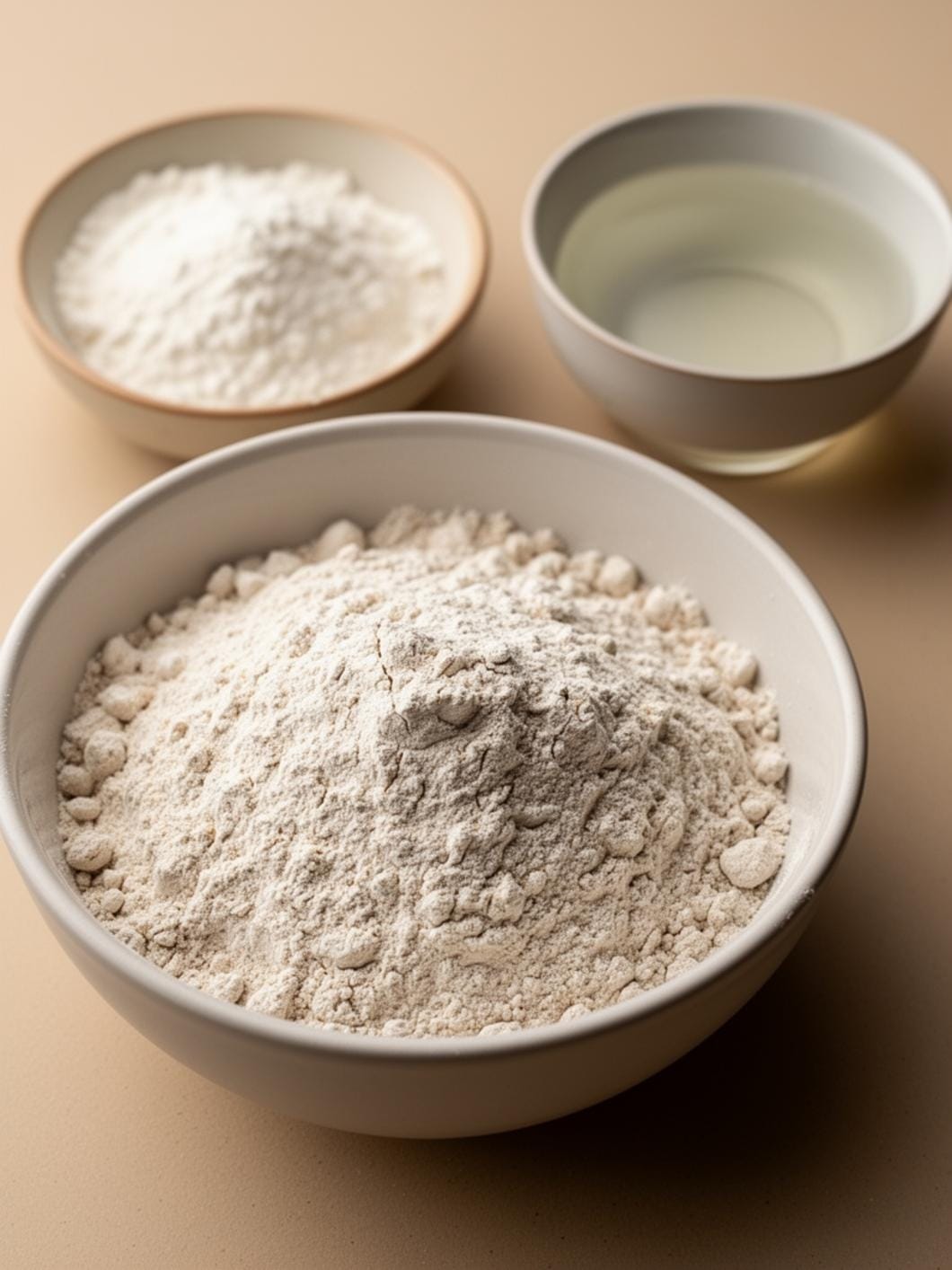
- 1/2 cup (120g) whole wheat flour (for day 1)
- 1/2 cup (120g) unbleached all-purpose flour (for subsequent feedings)
- 1/2 cup (120g) filtered water, room temperature
For the flour, using whole wheat flour initially provides more nutrients for the wild yeasts and bacteria to get started, helping to kickstart fermentation. After the first day, unbleached all-purpose flour is sufficient for ongoing feedings. Avoid bleached flour as the bleaching process can interfere with the natural microbes needed for a healthy starter. For water, filtered water is recommended to avoid any chlorine or chloramine that might inhibit microbial activity. If you don’t have filtered water, you can leave tap water out in an open container overnight to allow the chlorine to dissipate.
Time Needed From Start To Finish
Creating a sourdough starter is more about patience and consistent daily care than active hands-on time. The initial setup takes about 5 minutes. After that, daily feedings will take approximately 2-3 minutes each. The entire process, from mixing the first ingredients to having a robust, active starter ready for baking, typically takes 7 to 14 days. The exact timeframe can vary depending on ambient kitchen temperature and the natural yeast activity in your environment.
How To Make It Step By Step With Visual Cues
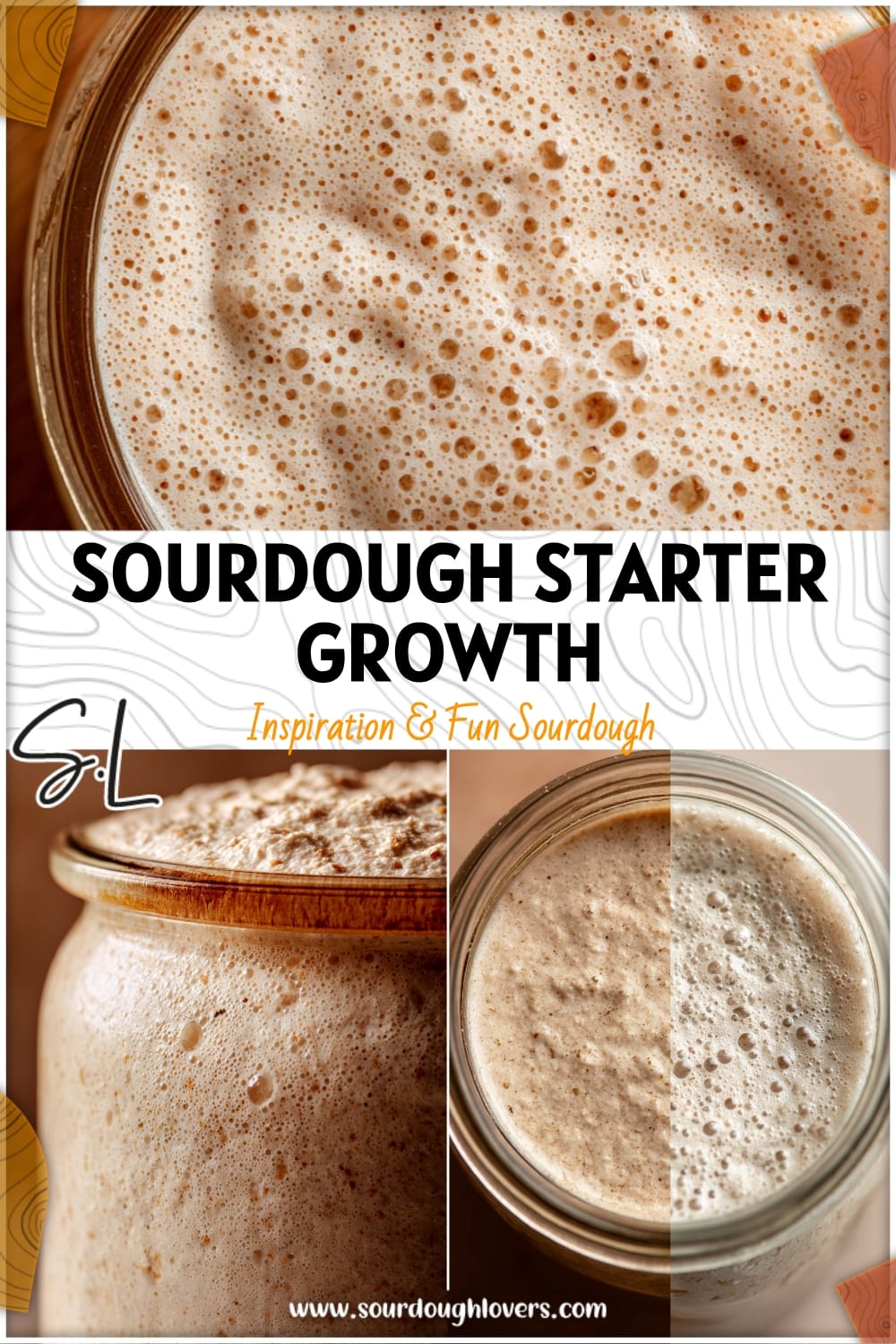
Creating a sourdough starter is a daily commitment, but each step is simple. Here’s how to cultivate your starter, observing its growth and changes over time.
Day 1: The Beginning In a clean, clear glass jar or container (at least 1-quart capacity), combine 1/2 cup (120g) whole wheat flour and 1/2 cup (120g) filtered water. Stir thoroughly with a spoon or spatula until no dry flour remains and the mixture is smooth. The consistency should be like a thick pancake batter. Cover the jar loosely with a lid, plastic wrap, or a clean kitchen towel (allowing air to circulate is important). Place the jar in a warm spot in your kitchen, ideally between 70-75°F (21-24°C).
Day 2: First Observations On day 2, you might not see much activity, or you might notice a few small bubbles. The mixture may look unchanged or slightly thicker. Do not feed it today. Simply stir it once or twice throughout the day and return it to its warm spot. This resting period allows the initial microbes to begin their work.
Day 3: The First Feed By day 3, you should start to see more noticeable bubbles, and the mixture might have a slightly sour or yeasty smell. This is a good sign! Discard half of the starter (about 1/2 cup or 120g). To the remaining starter, add 1/2 cup (120g) unbleached all-purpose flour and 1/2 cup (120g) filtered water. Stir well until combined. Cover loosely and return to its warm spot.
- Discard half of the starter.
- Add 1/2 cup (120g) unbleached all-purpose flour.
- Add 1/2 cup (120g) filtered water.
- Stir well, cover loosely, and return to a warm spot. During these days, you should observe increasing activity. The starter should become consistently bubbly, rising significantly after feeding and then falling back down. You might see distinct layers of liquid (hooch) on top, which is normal and indicates your starter is hungry. Simply stir it back in before discarding and feeding. The smell should evolve from mildly yeasty to a pleasant, tangy aroma.
Day 7-14: Reaching Peak Activity and Readiness By day 7, your starter should be consistently doubling or even tripling in size within 4-8 hours after feeding. It should be full of bubbles, both on the surface and throughout the mixture. When it’s at its peak, it will float if you drop a small spoonful into a glass of water. This “float test” is a good indicator that your starter is strong enough to leaven bread. Continue daily feedings until you consistently see this robust activity. Once it reliably passes the float test, your sourdough starter is ready to use for baking!
Easy Variations And Serving Ideas That Fit Real Life
While a sourdough starter isn’t a food item itself, its variations lie in the type of flour you use for feeding, which can subtly influence the flavor profile of the bread you bake.
- Rye Starter: Instead of all-purpose flour, you can feed your starter with rye flour. Rye flour contains a high concentration of nutrients that wild yeasts love, often leading to a very active and robust starter with a distinct, earthy flavor.
- Whole Wheat Starter: Continuing to feed your starter with whole wheat flour will maintain a more rustic, nutty flavor in your baked goods.
- Blended Flour Starter: You can experiment with a mix of different flours, such as a combination of unbleached all-purpose and whole wheat, or even a small percentage of specialty flours like spelt or einkorn, to develop unique characteristics in your starter.
- Classic Sourdough Bread: The most obvious use, yielding crusty loaves with a complex, tangy flavor.
- Sourdough Discard Recipes: When you discard a portion of your starter before feeding, don’t let it go to waste! Use it to make delicious pancakes, waffles, crackers, muffins, or even pizza dough. These recipes often don’t require the discard to be active, making them perfect for using up the excess.
- Sourdough Focaccia: A wonderfully airy and flavorful flatbread topped with herbs and olive oil.
- Sourdough Bagels or English Muffins: For a chewy breakfast treat.
Common Slip-Ups And How To Avoid Them
Starting a sourdough can feel like a delicate dance, but most common issues are easily resolved with a little understanding.
- Not Enough Activity: If your starter isn’t bubbling or rising much, the most common culprits are a cold environment or insufficient feeding. Ensure your starter is in a warm spot (70-75°F is ideal). If your kitchen is cool, consider placing it in a turned-off oven with the light on (just remember to turn the light off and remove it before preheating!). Also, ensure you’re feeding it consistently every 24 hours during the initial phase.
- “Hooch” Formation: A dark liquid (often brown or black) on top of your starter is called “hooch.” It indicates your starter is hungry. While a clear or light brown hooch is normal, dark hooch means it’s very hungry. Simply stir it back in before discarding and feeding. If it’s consistently forming dark hooch, you might need to feed it more frequently or increase the flour-to-water ratio slightly.
- Unpleasant Smells: A healthy starter should smell tangy, yeasty, or even slightly like beer or fruit. If it smells like nail polish remover, strong alcohol, or moldy, it might be stressed. This often happens if it’s too hungry or too warm. Try feeding it more consistently and ensure it’s not in an excessively hot spot. If you see any signs of pink, orange, or black mold, discard the entire starter and start fresh.

FAQs
- Can I make these ahead? Yes—prep ahead, refrigerate, then serve when ready.
- How long do leftovers last? Store covered in the fridge for 3–4 days for best texture.
- Can I adjust sweetness? Yes—add more or less sweetener to taste.
- Can I change the fruit? Yes—swap strawberries for blueberries, raspberries, or sliced banana.