
It can be disheartening when you’re nurturing a sourdough starter, putting in the time and effort, only to find it isn’t rising as expected. A healthy, active starter is the cornerstone of delicious homemade sourdough bread, and a sluggish one can leave you feeling frustrated.
Don’t despair! Many common issues can cause a sourdough starter to be less active than you’d like. Understanding these problems and knowing how to address them can quickly get your starter back on track, bubbling happily and ready to create amazing loaves.

How to Revive a Sluggish Sourdough Starter
- Total Time: 2-5 days
- Yield: 1 active sourdough starter
Description
This guide provides actionable steps to revive a sluggish sourdough starter, helping bakers troubleshoot common issues and get their starter back to a bubbly, active state. It emphasizes consistent feeding, proper ratios, and optimal environmental conditions to ensure a healthy starter for all sourdough baking endeavors.
Ingredients
Instructions
1. Assess Your Starter’s Current State: Begin by observing your starter. Does it have any bubbles? Does it smell sour, yeasty, or like nail polish remover (a sign of too much acetic acid)? Is there a layer of dark liquid (hooch) on top? This initial assessment will help you understand how much work is needed. If there’s a lot of hooch, pour it off before proceeding.
2. Discard Most of the Starter: To give your starter a fresh start and concentrate the yeast and bacteria, discard all but 1-2 tablespoons (about 15-30 grams) of your existing starter. This might feel wasteful, but it’s essential to prevent over-acidification and give the remaining microbes plenty of new food.
3. Feed with Fresh Flour and Water (1:1:1 Ratio): To the remaining 1-2 tablespoons of starter, add an equal weight of fresh flour and filtered water. For example, if you kept 20 grams of starter, add 20 grams of flour and 20 grams of filtered water. This 1:1:1 ratio (starter:flour:water) is a common and effective feeding ratio for revival.
4. Mix Thoroughly Until Combined: Using a rubber spatula or spoon, mix the starter, flour, and water thoroughly in a clean glass jar. Scrape down the sides of the jar to ensure all the flour is incorporated and there are no dry pockets. The mixture should have the consistency of a thick pancake batter.
5. Mark the Starting Level and Cover Loosely: Once mixed, mark the side of the jar at the level of the starter with a rubber band or a marker. This will help you easily track its rise. Cover the jar loosely with its lid or plastic wrap, allowing air to circulate but preventing it from drying out.
6. Place in a Warm Spot and Observe: Find a warm spot in your kitchen, ideally between 70-78 F (21-25 C). This temperature range is optimal for yeast and bacteria activity. Avoid direct sunlight or cold drafts. Observe your starter over the next 12-24 hours. You should start to see small bubbles forming, and the starter should begin to rise past your marked level.
7. Repeat Feeding Every 12-24 Hours: Continue feeding your starter at the 1:1:1 ratio every 12-24 hours, or when it looks very bubbly, has risen significantly, and is just starting to fall back down. This consistent feeding schedule provides a steady supply of food, encouraging vigorous activity. You’ll know it’s getting stronger when it consistently doubles or triples in size within 4-8 hours after feeding, forming many bubbles and smelling pleasantly sour and yeasty.
- Prep Time: 5-10 minutes per feeding
- Cook Time: 0 minutes
- Category: baking
- Method: fermentation
- Cuisine: american
Nutrition
- Serving Size: 1 starter
Keywords: sourdough, starter, revive, baking, troubleshooting, fermentation, bread, active, yeast, flour
What You’ll Love About This Quick And Easy Recipe
This guide is designed for anyone who has embarked on the rewarding journey of sourdough baking but is currently facing a challenge with their starter’s activity. It’s perfect for beginners who might not yet recognize the signs of a struggling starter, as well as more experienced bakers looking for a quick refresher or new troubleshooting insights. We’ll demystify why your starter might be falling flat and provide actionable steps to revive it, making the process less intimidating and more enjoyable. You’ll appreciate how straightforward these tips are, allowing you to confidently strengthen your sourdough starter without needing complex equipment or advanced techniques. This isn’t a recipe for a dish, but rather a recipe for success in maintaining a vibrant sourdough starter, which is essential for all your future sourdough baking endeavors.
Everything You Need To Make This Recipe Without Stress
Getting your sourdough starter back to its bubbly best doesn’t require a trip to a specialty store. Most of what you need you likely already have in your kitchen. The key is consistency and using the right ingredients in the right proportions.
INGREDIENTS:
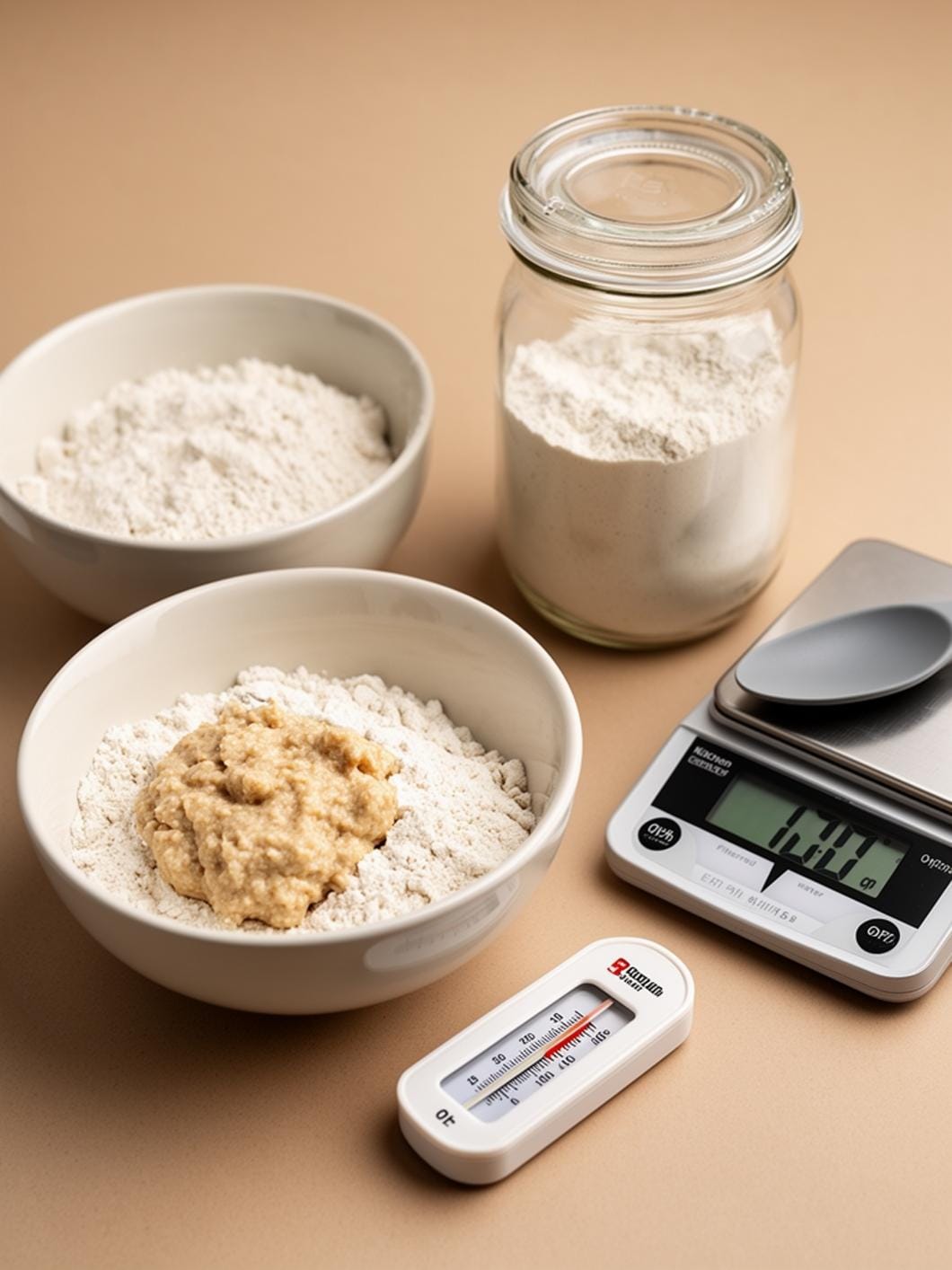
- Active sourdough starter (the one that isn’t rising)
- Unbleached all-purpose flour or bread flour
- Filtered water (chlorine-free)
- Clean glass jar or container with a loose-fitting lid
- Kitchen scale
- Rubber spatula or spoon for mixing
- Room thermometer (optional, but helpful)
When it comes to flour, unbleached all-purpose flour or bread flour are generally the best choices for feeding your starter. Bleached flour can sometimes contain additives that inhibit yeast activity. For water, filtered water is crucial. Tap water often contains chlorine or chloramines, which can harm the beneficial microbes in your starter. If you don’t have a filter, you can leave tap water out on the counter for 24 hours to allow the chlorine to dissipate. A kitchen scale is highly recommended for accurate measurements, as consistency is key in sourdough care. While volume measurements can work, weighing your ingredients ensures precision, leading to a more predictable outcome for your starter’s health.
Time Needed From Start To Finish
Reviving a sluggish sourdough starter isn’t an instant fix, but the active time involved is minimal. The process primarily relies on consistent feeding and observation over a period.
- Active Preparation Time: 5-10 minutes per feeding
- Observation/Resting Time: 12-24 hours between feedings
- Total Troubleshooting Period: 2-5 days (depending on the severity of the issue and consistency of feeding)
While you’ll only spend a few minutes actively feeding and mixing, the most crucial part is allowing your starter enough time to respond and become active again. Patience and regular attention are your best tools here.
How To Make It Step By Step With Visual Cues
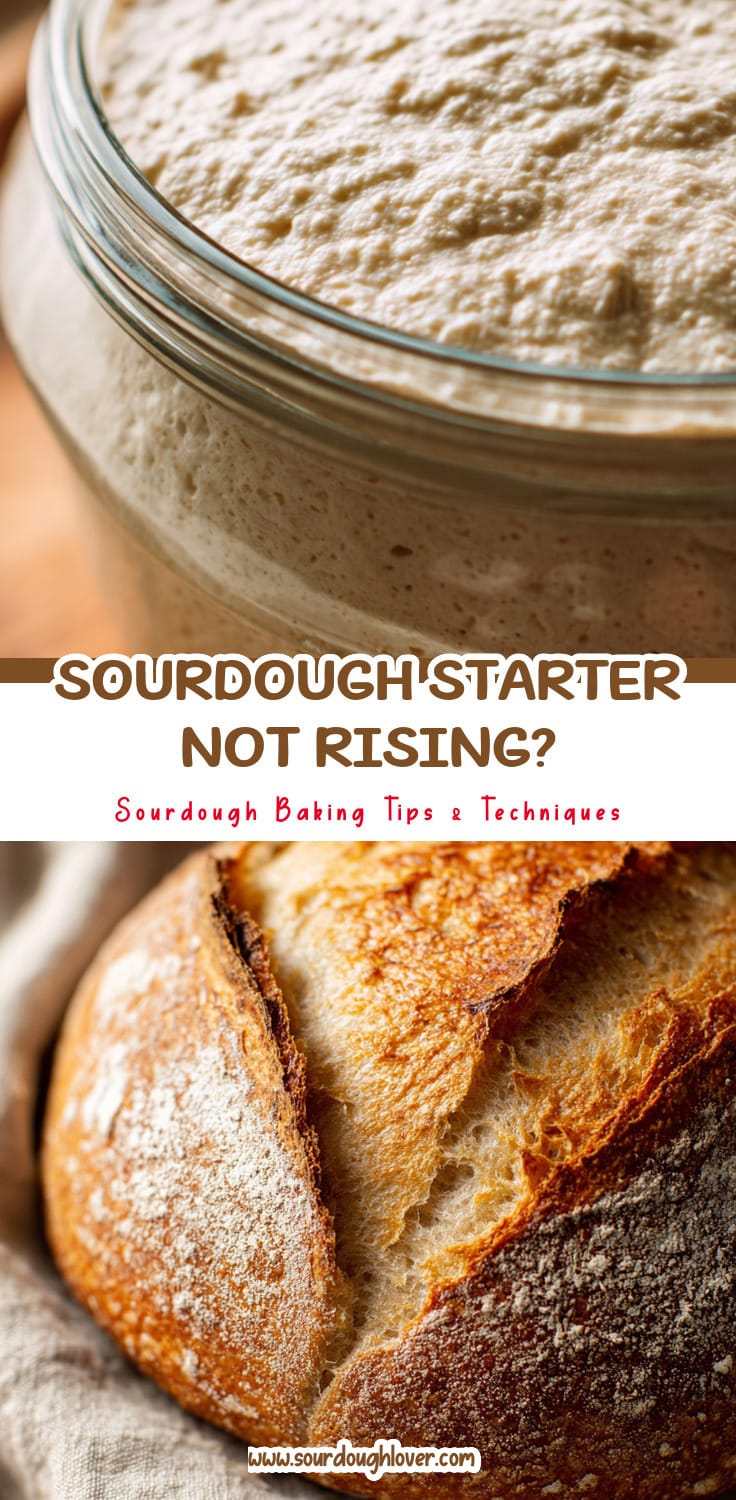
Getting your sourdough starter to rise again involves a series of careful steps focused on consistent feeding and creating an optimal environment. Follow these instructions to bring your starter back to life.
- Assess Your Starter’s Current State: Begin by observing your starter. Does it have any bubbles? Does it smell sour, yeasty, or like nail polish remover (a sign of too much acetic acid)? Is there a layer of dark liquid (hooch) on top? This initial assessment will help you understand how much work is needed. If there’s a lot of hooch, pour it off before proceeding.
- Discard Most of the Starter: To give your starter a fresh start and concentrate the yeast and bacteria, discard all but 1-2 tablespoons (about 15-30 grams) of your existing starter. This might feel wasteful, but it’s essential to prevent over-acidification and give the remaining microbes plenty of new food.
- Feed with Fresh Flour and Water (1:1:1 Ratio): To the remaining 1-2 tablespoons of starter, add an equal weight of fresh flour and filtered water. For example, if you kept 20 grams of starter, add 20 grams of flour and 20 grams of filtered water. This 1:1:1 ratio (starter:flour:water) is a common and effective feeding ratio for revival.
- Mix Thoroughly Until Combined: Using a rubber spatula or spoon, mix the starter, flour, and water thoroughly in a clean glass jar. Scrape down the sides of the jar to ensure all the flour is incorporated and there are no dry pockets. The mixture should have the consistency of a thick pancake batter.
- Mark the Starting Level and Cover Loosely: Once mixed, mark the side of the jar at the level of the starter with a rubber band or a marker. This will help you easily track its rise. Cover the jar loosely with its lid or plastic wrap, allowing air to circulate but preventing it from drying out.
- Place in a Warm Spot and Observe: Find a warm spot in your kitchen, ideally between 70-78°F (21-25°C). This temperature range is optimal for yeast and bacteria activity. Avoid direct sunlight or cold drafts. Observe your starter over the next 12-24 hours. You should start to see small bubbles forming, and the starter should begin to rise past your marked level.
- Repeat Feeding Every 12-24 Hours: Continue feeding your starter at the 1:1:1 ratio every 12-24 hours, or when it looks very bubbly, has risen significantly, and is just starting to fall back down. This consistent feeding schedule provides a steady supply of food, encouraging vigorous activity. You’ll know it’s getting stronger when it consistently doubles or triples in size within 4-8 hours after feeding, forming many bubbles and smelling pleasantly sour and yeasty.
Easy Variations And Serving Ideas That Fit Real Life
While this guide focuses on strengthening your sourdough starter, a healthy starter is the first step to countless delicious possibilities. Once your starter is active and robust, you can explore various ways to use it beyond just traditional loaves.
- Sourdough Discard Crackers: Even while you’re discarding portions of your starter during the revival process, you don’t have to waste it. Use the discard to make savory crackers. Simply mix discard with a little flour, olive oil, salt, and your favorite herbs, roll it thin, and bake until crispy. These are fantastic with cheese or dips and a great way to use up excess starter.
- Quick Sourdough Pancakes or Waffles: For a family-friendly breakfast, incorporate active or discard sourdough starter into your pancake or waffle batter. The starter adds a delightful tang and lightness. Many recipes allow you to mix the batter the night before, making for a quick morning meal.
- Sourdough Scallion Pancakes: A fun twist on a savory classic, using sourdough discard in scallion pancakes adds depth of flavor. Serve these with a soy-ginger dipping sauce for a unique appetizer or side dish.
- Sourdough Flatbread or Pizza Dough: Once your starter is consistently active, you can easily adapt your favorite flatbread or pizza dough recipes to include sourdough. This adds incredible flavor and a slight chewiness that store-bought dough can’t match. Top with simple ingredients like marinara and mozzarella, or get creative with seasonal vegetables.
- Sourdough Biscuits: For a tender and slightly tangy biscuit, substitute some of the liquid in your favorite biscuit recipe with active sourdough starter. These are wonderful served with butter and jam, or alongside a hearty stew.
Common Slip-Ups And How To Avoid Them
Even with the best intentions, it’s easy to make mistakes when trying to revive a sourdough starter. Knowing these common pitfalls can help you steer clear of them and get your starter back on track faster.
- Using Chlorinated Tap Water: This is one of the most frequent culprits. Chlorine can kill the beneficial bacteria and yeast in your starter, making it sluggish or inactive. Always use filtered or distilled water. If you only have tap water, let it sit uncovered for 24 hours to allow the chlorine to evaporate.
- Inconsistent Feeding Schedule: Sourdough starters thrive on regularity. Feeding too infrequently starves the microbes, while feeding too often before it peaks can dilute their strength. Aim for a consistent schedule, typically every 12-24 hours, especially when reviving a weak starter.
- Incorrect Feeding Ratios: Eyeballing measurements can lead to an imbalance of food and microbes. Using a kitchen scale for a precise 1:1:1 ratio (starter:flour:water by weight) is crucial for consistent results and a strong starter. Too much flour can make it too stiff, too much water too runny, and both can hinder activity.
- Too Cold or Too Hot Environment: Temperature plays a significant role. A starter that’s too cold will be

FAQs
- Can I make these ahead? Yes—prep ahead, refrigerate, then serve when ready.
- How long do leftovers last? Store covered in the fridge for 3–4 days for best texture.
- Can I adjust sweetness? Yes—add more or less sweetener to taste.
- Can I change the fruit? Yes—swap strawberries for blueberries, raspberries, or sliced banana.