
Embarking on the journey of creating your own sourdough starter can feel a little mysterious, but with a clear guide, it’s an incredibly rewarding experience. This day-by-day timeline is designed to demystify the process, showing you exactly what to expect as your starter develops its unique bubbly personality.
Whether you’re a complete beginner or looking for a visual reminder of what healthy starter activity looks like, this guide will help you track your progress and understand the key milestones on your way to baking delicious homemade bread. Let’s dive into the fascinating world of sourdough!
Sourdough Starter: A Day-by-Day Guide
- Total Time: 7-14 days
- Yield: 1 sourdough starter
Description
This guide provides a day-by-day timeline for creating and maintaining a sourdough starter from scratch, demystifying the process and helping beginners cultivate a robust, active starter for baking.
Ingredients
Instructions
1. Day 1: The Beginning of Your Starter: In a clean glass jar, combine 50 grams of unbleached flour (all-purpose or whole wheat) with 50 grams of filtered water. Mix thoroughly with a rubber spatula until there are no dry spots and it forms a thick paste. Scrape down the sides of the jar, cover loosely with a lid (or plastic wrap with a small vent), and leave it at room temperature (ideally 70-75 F / 21-24 C) for 24 hours. You might not see much activity yet, and that’s perfectly normal.
2. Day 2: First Observations: By day two, you might notice a few small bubbles, or perhaps nothing at all. The starter might smell slightly yeasty or like flour and water. Discard about half of the starter (around 50 grams) from the jar. Then, add 50 grams of fresh flour and 50 grams of fresh filtered water. Mix well, scrape down the sides, cover loosely, and return to room temperature for another 24 hours. The discarding step helps manage the volume and ensures the starter has enough fresh food.
3. Day 3: Signs of Life: You should start to see more consistent bubbling today, perhaps some small pockets of air throughout the mixture. The smell might become slightly more acidic or like ripe fruit. Repeat the feeding process: discard half (about 50 grams), then feed with 50 grams flour and 50 grams water. Mix, cover, and wait. This is where the magic really starts to happen!
4. Day 4: Increased Activity: Expect even more bubbles and a noticeable rise in volume after feeding. The starter might smell distinctly sour or tangy, which is a good sign. It might even double in size before falling back down. Continue with the feeding routine: discard half, feed with 50 grams flour and 50 grams water, mix, and cover.
5. Day 5-7: Reaching Peak Activity: At this stage, your starter should be consistently doubling or even tripling in size within 4-8 hours after feeding. You’ll see a web-like structure of bubbles throughout, and it will smell pleasantly sour, like yogurt or ripe fruit. When it reaches its peak, it will start to fall back down, leaving “streaks” on the side of the jar where it rose. Continue feeding daily, discarding half and then adding 50 grams flour and 50 grams water. By day 7, if your starter is consistently doubling and falling within 4-8 hours, it’s likely ready for baking!
6. Beyond Day 7: Maintaining Your Active Starter: Once your starter is consistently active and doubling, you can transition to a maintenance schedule. If you plan to bake frequently (several times a week), continue feeding it daily. If you bake less often, you can store your fed starter in the refrigerator and feed it once a week. Remember to take it out of the fridge and feed it at room temperature for a few days before you plan to bake to revive its strength.
- Prep Time: 5-10 minutes daily
- Cook Time: N/A
- Category: baking
- Method: fermentation
- Cuisine: american
Nutrition
- Serving Size: N/A
Keywords: sourdough, starter, baking, fermentation, bread, homemade, flour, water, yeast, natural
What You’ll Love About This Quick And Easy Recipe
This “recipe” isn’t for a dish, but rather for cultivating a living ingredient that will unlock a world of baking possibilities. What you’ll truly love about following this sourdough starter timeline is the sheer satisfaction of creating something alive and robust from just flour and water. It’s incredibly beginner-friendly, requiring minimal active time each day, making it perfect for busy individuals or families who want to introduce the magic of fermentation into their kitchen. This guide is for anyone curious about sourdough, offering a clear path to success without any complex jargon or intimidating techniques. You’ll appreciate the visual cues that help you understand what’s happening at each stage, building your confidence as you watch your starter come to life. It’s a project that fits seamlessly into daily life, offering a sense of accomplishment and the promise of incredible bread to come.
Everything You Need To Make This Recipe Without Stress
Cultivating a sourdough starter is surprisingly simple, requiring just a few basic items you likely already have in your kitchen. The beauty of it lies in its simplicity – no fancy equipment or obscure ingredients are needed. Focus on quality flour and pure water, and you’re well on your way.
INGREDIENTS:
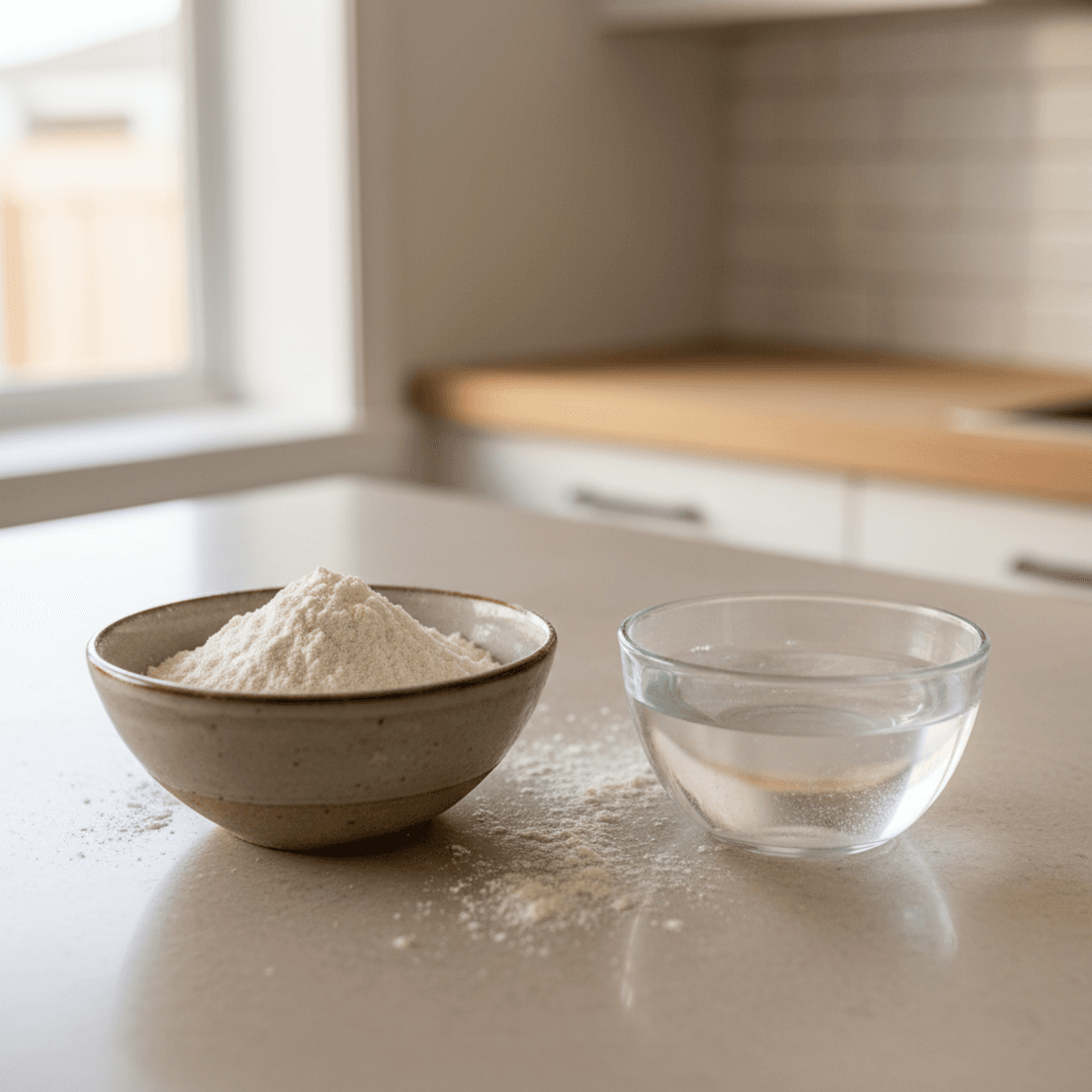
- All-purpose unbleached flour or whole wheat flour
- Filtered water (room temperature)
To get started, you’ll also need a clean glass jar (about 1-quart capacity is ideal), a kitchen scale for accurate measurements, and a rubber spatula or spoon for mixing. While unbleached all-purpose flour is a great starting point, some bakers prefer to kickstart their starter with whole wheat flour due to its higher nutrient content, which can sometimes accelerate initial activity. You can also use a mix of both. The most important thing is to use unbleached flour, as the bleaching process can interfere with the natural yeasts and bacteria you’re trying to cultivate. For water, filtered water is best to avoid any chlorine or chloramine that might inhibit microbial growth. If you only have tap water, letting it sit out for a few hours can help dissipate the chlorine.
Time Needed From Start To Finish
The process of establishing a robust sourdough starter typically spans about 7 to 14 days, though some can take a little longer depending on environmental factors like ambient temperature. Each day, the active time you’ll spend feeding and mixing your starter is very minimal, usually just 5-10 minutes. The rest is hands-off waiting time for the natural fermentation to occur.
- Daily Active Time: 5-10 minutes
- Total Development Time: 7-14 days
This timeline focuses on the daily ritual of feeding and observing, culminating in a starter that is strong and ready for baking. Patience is key, as the microorganisms need time to establish themselves and thrive.
How To Make It Step By Step With Visual Cues
Creating a sourdough starter is a daily commitment, but each step is straightforward. Follow these instructions and observe the changes in your jar.
Day 1: The Beginning of Your Starter In a clean glass jar, combine 50 grams of unbleached flour (all-purpose or whole wheat) with 50 grams of filtered water. Mix thoroughly with a rubber spatula until there are no dry spots and it forms a thick paste. Scrape down the sides of the jar, cover loosely with a lid (or plastic wrap with a small vent), and leave it at room temperature (ideally 70-75°F / 21-24°C) for 24 hours. You might not see much activity yet, and that’s perfectly normal.
Day 2: First Observations By day two, you might notice a few small bubbles, or perhaps nothing at all. The starter might smell slightly yeasty or like flour and water. Discard about half of the starter (around 50 grams) from the jar. Then, add 50 grams of fresh flour and 50 grams of fresh filtered water. Mix well, scrape down the sides, cover loosely, and return to room temperature for another 24 hours. The discarding step helps manage the volume and ensures the starter has enough fresh food.
Day 3: Signs of Life You should start to see more consistent bubbling today, perhaps some small pockets of air throughout the mixture. The smell might become slightly more acidic or like ripe fruit. Repeat the feeding process: discard half (about 50 grams), then feed with 50 grams flour and 50 grams water. Mix, cover, and wait. This is where the magic really starts to happen!
Day 4: Increased Activity Expect even more bubbles and a noticeable rise in volume after feeding. The starter might smell distinctly sour or tangy, which is a good sign. It might even double in size before falling back down. Continue with the feeding routine: discard half, feed with 50 grams flour and 50 grams water, mix, and cover.
Day 5-7: Reaching Peak Activity At this stage, your starter should be consistently doubling or even tripling in size within 4-8 hours after feeding. You’ll see a web-like structure of bubbles throughout, and it will smell pleasantly sour, like yogurt or ripe fruit. When it reaches its peak, it will start to fall back down, leaving “streaks” on the side of the jar where it rose. Continue feeding daily, discarding half and then adding 50 grams flour and 50 grams water. By day 7, if your starter is consistently doubling and falling within 4-8 hours, it’s likely ready for baking!
Beyond Day 7: Maintaining Your Active Starter Once your starter is consistently active and doubling, you can transition to a maintenance schedule. If you plan to bake frequently (several times a week), continue feeding it daily. If you bake less often, you can store your fed starter in the refrigerator and feed it once a week. Remember to take it out of the fridge and feed it at room temperature for a few days before you plan to bake to revive its strength.
Easy Variations And Serving Ideas That Fit Real Life
While a sourdough starter isn’t a dish to be served, its variations lie in the types of flour you use and the delicious baked goods it enables.
- Whole Wheat Starter: Starting with or transitioning to whole wheat flour can create a very robust and active starter, as whole wheat contains more natural nutrients for the microbes.
- Rye Flour Starter: Rye flour is another excellent choice for a strong starter, known for its vigorous activity and distinct flavor. You can maintain a 100% rye starter or use it to “boost” an all-purpose flour starter.
- Blended Flour Starter: Many bakers use a combination, such as 50% all-purpose and 50% whole wheat, to balance activity and flavor.
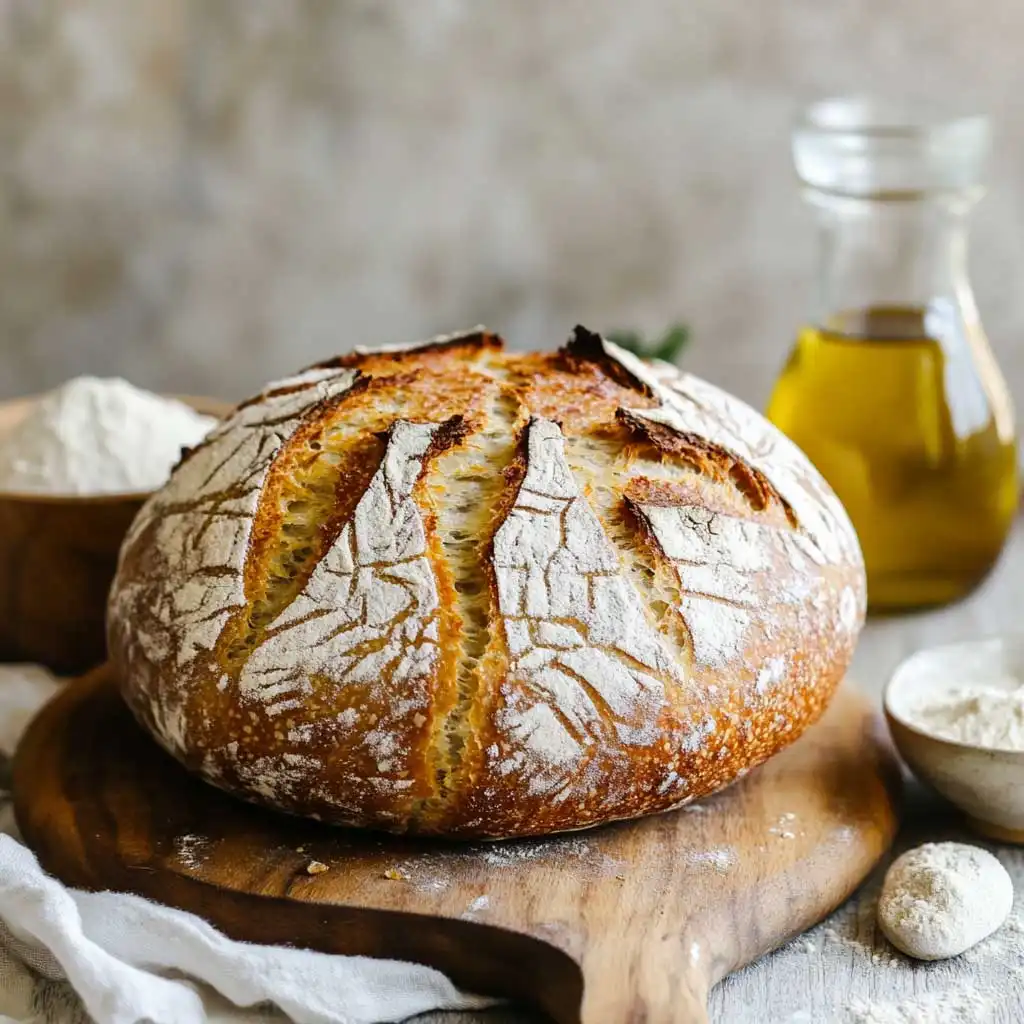
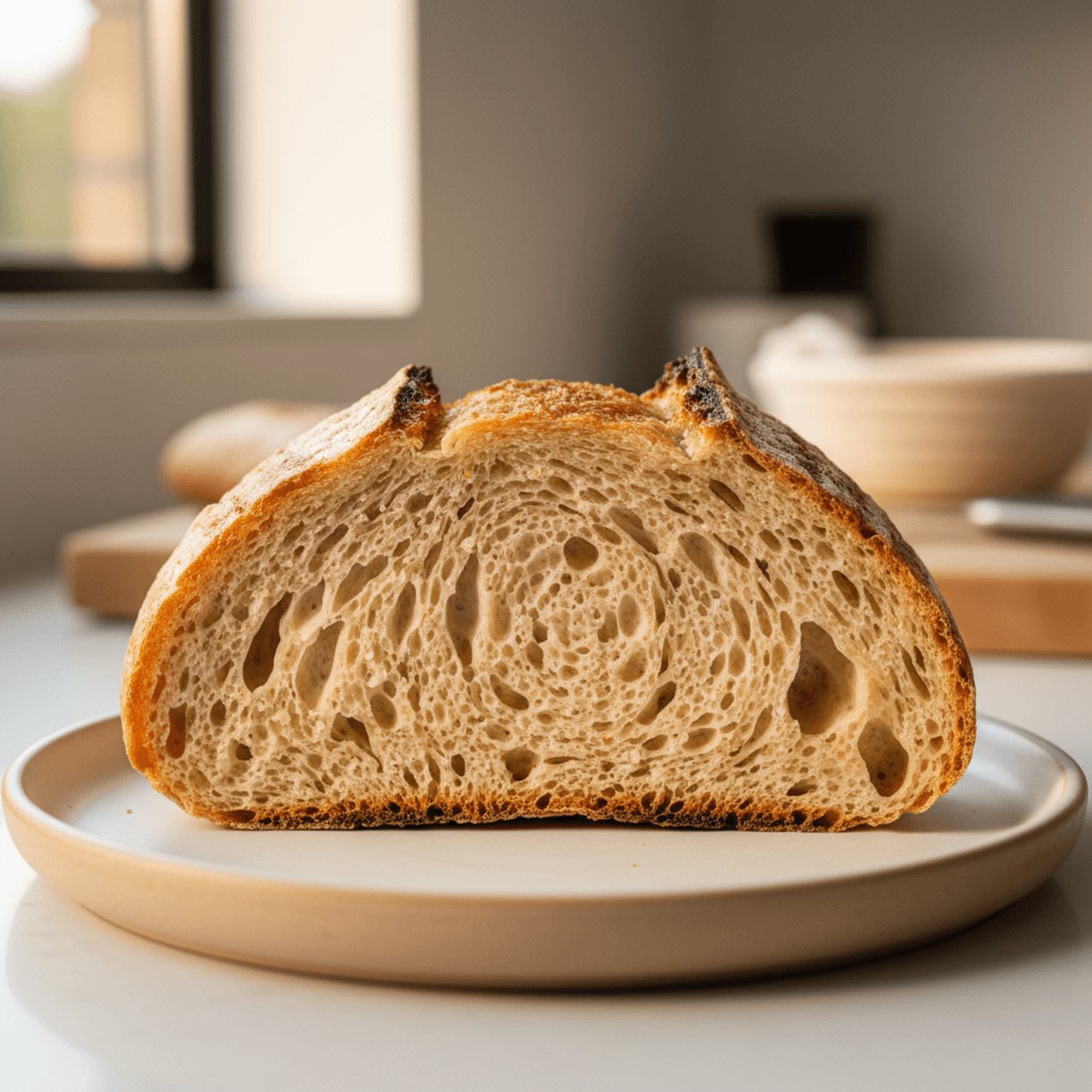
- Classic Sourdough Loaf: Perfect for sandwiches, toast with avocado, or alongside a hearty soup.
- Sourdough Pizza Dough: A fantastic base for homemade pizza night, offering a unique tangy flavor.
- Sourdough Pancakes or Waffles: Use discarded starter (or active starter) for a slightly tangy and incredibly fluffy breakfast treat.
- Sourdough Focaccia: A simple, flavorful bread that’s wonderful dipped in olive oil or served with pasta.
- Sourdough Biscuits: A delicious accompaniment to stews or as a base for breakfast sandwiches.
The beauty of a sourdough starter is that it opens the door to a healthier, more flavorful way of baking, transforming simple ingredients into incredible meals for your family.
Common Slip-Ups And How To Avoid Them
Starting a sourdough journey is forgiving, but a few common mistakes can slow down your progress. Knowing what to watch out for will help you succeed.
- Using Chlorinated Water: Chlorine can kill the beneficial microbes you’re trying to cultivate. Always use filtered water or let tap water sit out for a few hours to allow the chlorine to dissipate.
- Not Feeding Regularly Enough: Especially in the initial stages, consistent daily feeding is crucial to build a strong microbial population. Skipping feeds can starve your starter.
- Feeding Too Much or Too Little: Using a kitchen scale for precise measurements of flour and water (usually a 1:1:1 ratio of starter:flour:water by weight) ensures your starter has enough food without being overwhelmed. Eyeballing can lead to an imbalance.
- Keeping It Too Cold: Sourdough starters thrive in warmer temperatures (ideally 70-75°F
FAQs
- Can I make these ahead? Yes—prep ahead, refrigerate, then serve when ready.
- How long do leftovers last? Store covered in the fridge for 3–4 days for best texture.
- Can I adjust sweetness? Yes—add more or less sweetener to taste.
- Can I change the fruit? Yes—swap strawberries for blueberries, raspberries, or sliced banana.