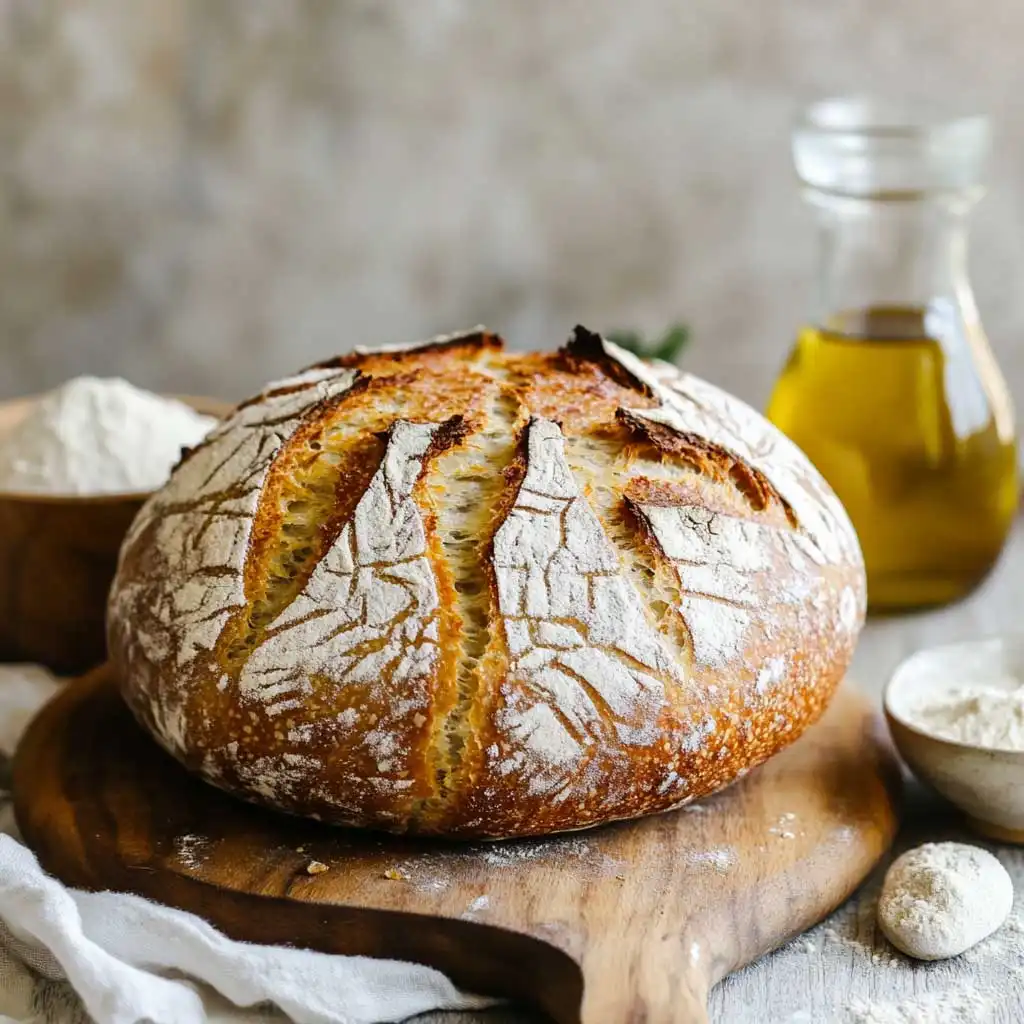

You’ve just pulled a beautiful, crusty loaf of sourdough bread from your oven, and the aroma filling your kitchen is simply divine.
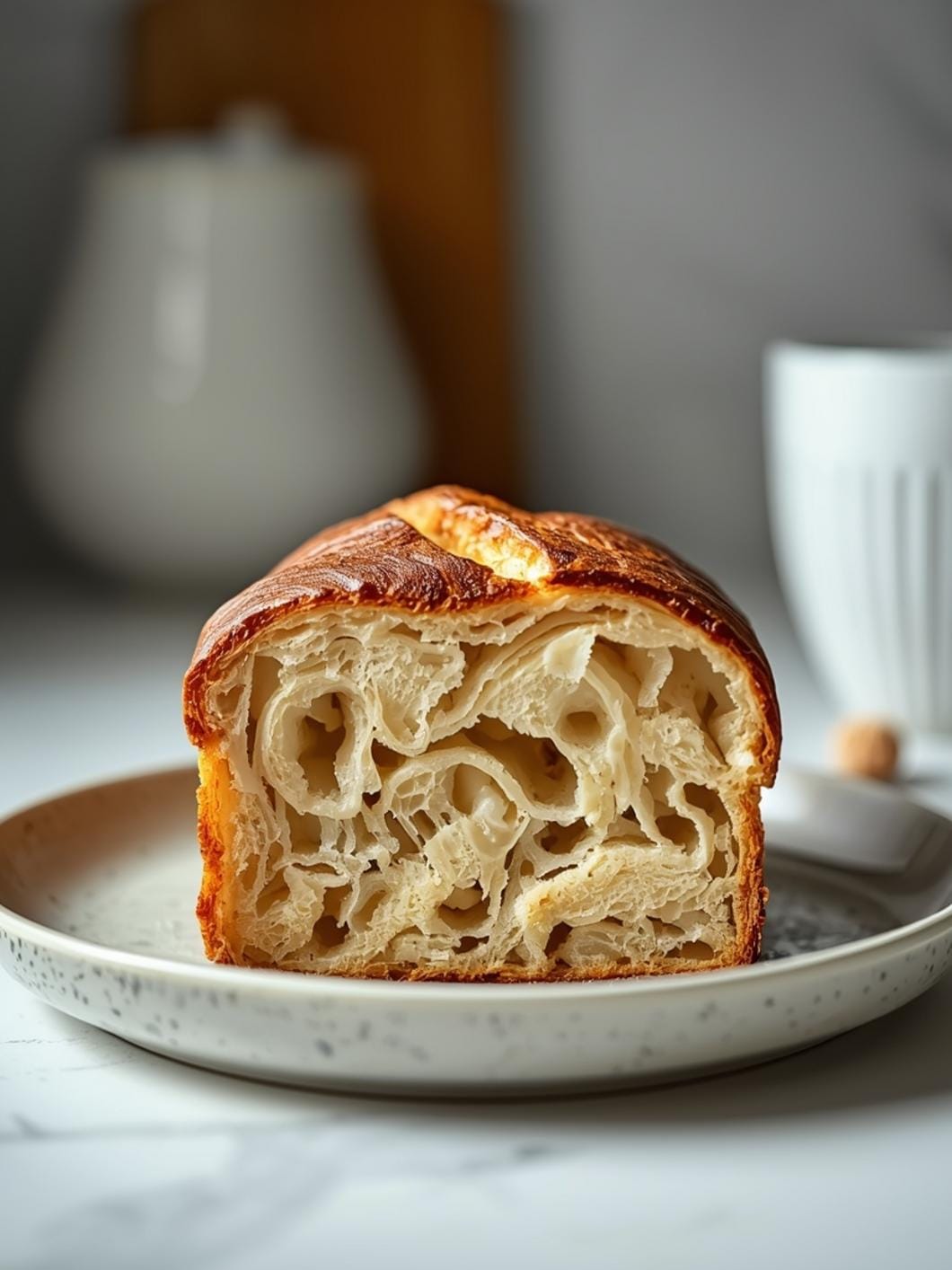
There’s nothing quite like the satisfaction of baking your own bread, especially sourdough, with its unique tangy flavor and wonderful texture. But once the initial excitement of slicing into that first warm piece wears off, a common question arises: how do you keep it fresh?
The key to enjoying your homemade sourdough for more than just a day or two lies in proper storage. You want to preserve that perfect balance of a chewy interior and a crisp crust without it drying out or becoming moldy. This guide will walk you through simple, effective methods to ensure every slice remains as delicious as the first, extending the life of your baking masterpiece.
Table of Contents
- What You’ll Love About This Quick And Easy Recipe
- Everything You Need To Make This Recipe Without Stress
- Time Needed From Start To Finish
- How To Make It Step By Step With Visual Cues
- Easy Variations And Serving Ideas That Fit Real Life
- Common Slip-Ups And How To Avoid Them
- How To Store It And Make It Ahead Without Ruining Texture

How to Store Sourdough Bread to Keep it Fresh
- Total Time: 2-5 minutes
- Yield: 1 loaf
Description
This guide provides simple, effective methods to store freshly baked sourdough bread, ensuring every slice remains as delicious as the first. It covers short-term and long-term storage solutions, including wrapping in a kitchen towel, using plastic bags or airtight containers, and freezing with proper wrapping to prevent drying out or mold.
Ingredients
Instructions
1. Allow the Bread to Cool Completely: After baking, your sourdough loaf needs to cool down to room temperature, which can take anywhere from 2 to 4 hours, or even longer for very large loaves. Cutting into hot bread traps steam, leading to a gummy texture, and storing warm bread will create condensation, making it soggy and prone to mold. Wait until the bread is cool to the touch all the way through before proceeding.
2. Choose Your Storage Method for Short-Term (1-2 Days): For bread you plan to eat within a day or two, simply wrapping it in a clean kitchen towel is often sufficient. The towel allows the bread to breathe, preventing the crust from becoming too soft while still protecting the interior from drying out too quickly. You can also place the wrapped bread into a paper bag.
3. Opt for Longer Short-Term Storage (2-4 Days): If you want to keep your sourdough fresh for up to four days, a plastic bag or an airtight container is your best bet. Once the bread is completely cool, place the whole loaf or large pieces into a large, clean plastic bag, squeezing out as much air as possible before sealing it. Alternatively, use a bread box, which provides a dark, cool, and somewhat airtight environment.
4. Consider Slicing for Convenience and Freezing: For longer-term storage, especially if you won’t eat the whole loaf quickly, slicing the bread before storage is incredibly convenient. This allows you to take out just what you need, minimizing exposure for the rest of the loaf.
5. Prepare for Freezing (Long-Term Storage): For storage beyond 4-5 days, freezing is the best option. Wrap individual slices or halves of the loaf tightly in plastic wrap, then an additional layer of heavy-duty aluminum foil. This double layer protects against freezer burn.
6. Place in a Freezer-Safe Bag: Once wrapped, place the foil-wrapped bread into a freezer-safe bag, removing as much air as possible before sealing. Label the bag with the date to keep track of freshness.
7. Store in the Freezer: Place the prepared bread in the freezer. It can be stored this way for up to 3 months without significant loss of quality.
8. Thaw and Reheat for Best Enjoyment: When ready to eat, remove the desired amount of bread from the freezer. Thaw it at room temperature, then for optimal crust and texture, refresh it in a preheated oven (around 350 F or 175 C) for 10-15 minutes, or toast individual slices.
- Prep Time: 2-5 minutes
- Cook Time: 0 minutes
- Category: baking
- Method: storage
- Cuisine: american
Nutrition
- Serving Size: 1 slice
Keywords: sourdough, bread storage, fresh bread, freezing bread, baking tips, homemade bread, food preservation, kitchen hacks, bread care, sourdough tips
What You’ll Love About This Quick And Easy Recipe
This isn’t a recipe for making sourdough, but rather a guide to preserving the delicious bread you’ve already made. What you’ll love about these tips is how effortlessly they integrate into your routine, helping you get the most out of your baking efforts. This information is perfect for anyone who bakes sourdough at home, from beginners who are just getting the hang of their starter to seasoned bakers looking to refine their bread storage methods. It’s especially useful for families who might not devour an entire loaf in one sitting, ensuring that every piece of that hard-earned bread stays fresh and enjoyable for days. These storage strategies are designed to maintain the bread’s delicious flavor and perfect texture, making your homemade sourdough a consistent delight for breakfast, lunch, or dinner.
Everything You Need To Make This Recipe Without Stress
When it comes to storing sourdough bread, you don’t need a pantry full of specialized gadgets. The items required are typically things you already have around your kitchen, or can easily acquire. The goal is to create an environment that protects your bread from drying out too quickly while also preventing moisture buildup that can lead to mold.
INGREDIENTS:

- Freshly baked sourdough bread
For effective storage, you’ll need a few common household items. These include a clean kitchen towel, which can be made of cotton or linen, and a large plastic bag or an airtight container. If you plan to freeze your bread, heavy-duty aluminum foil, plastic wrap, and freezer-safe bags will be essential. You might also consider a bread box, which is a traditional and often very effective tool for keeping bread fresh at room temperature.
Time Needed From Start To Finish
The beauty of sourdough storage is that it requires very little active “time.” The process itself is more about understanding the right methods and materials than it is about hands-on work.
Prep Time: 2-5 minutes (for wrapping or bagging) Cook Time: 0 minutes Total Time: 2-5 minutes (active storage preparation)
This minimal time investment ensures your delicious sourdough lasts longer, making it a highly efficient way to preserve your baking efforts.
How To Make It Step By Step With Visual Cues

Storing sourdough correctly is a simple process, but following these steps will help maximize its freshness and flavor.
- Allow the Bread to Cool Completely: This is perhaps the most crucial first step. After baking, your sourdough loaf needs to cool down to room temperature, which can take anywhere from 2 to 4 hours, or even longer for very large loaves. Cutting into hot bread traps steam, leading to a gummy texture, and storing warm bread will create condensation, making it soggy and prone to mold. Wait until the bread is cool to the touch all the way through before proceeding.
- Choose Your Storage Method for Short-Term (1-2 Days): For bread you plan to eat within a day or two, simply wrapping it in a clean kitchen towel is often sufficient. The towel allows the bread to breathe, preventing the crust from becoming too soft while still protecting the interior from drying out too quickly. You can also place the wrapped bread into a paper bag.
- Opt for Longer Short-Term Storage (2-4 Days): If you want to keep your sourdough fresh for up to four days, a plastic bag or an airtight container is your best bet. Once the bread is completely cool, place the whole loaf or large pieces into a large, clean plastic bag, squeezing out as much air as possible before sealing it. Alternatively, use a bread box, which provides a dark, cool, and somewhat airtight environment.
- Consider Slicing for Convenience and Freezing: For longer-term storage, especially if you won’t eat the whole loaf quickly, slicing the bread before storage is incredibly convenient. This allows you to take out just what you need, minimizing exposure for the rest of the loaf.
- Prepare for Freezing (Long-Term Storage): For storage beyond 4-5 days, freezing is the best option. Wrap individual slices or halves of the loaf tightly in plastic wrap, then an additional layer of heavy-duty aluminum foil. This double layer protects against freezer burn.
- Place in a Freezer-Safe Bag: Once wrapped, place the foil-wrapped bread into a freezer-safe bag, removing as much air as possible before sealing. Label the bag with the date to keep track of freshness.
- Store in the Freezer: Place the prepared bread in the freezer. It can be stored this way for up to 3 months without significant loss of quality.
- Thaw and Reheat for Best Enjoyment: When ready to eat, remove the desired amount of bread from the freezer. Thaw it at room temperature, then for optimal crust and texture, refresh it in a preheated oven (around 350°F or 175°C) for 10-15 minutes, or toast individual slices.
Easy Variations And Serving Ideas That Fit Real Life
While these tips are about storage, how you serve your perfectly preserved sourdough is just as important! A well-stored loaf opens up a world of culinary possibilities. For a quick breakfast, a slice of refreshed sourdough is fantastic toasted with avocado and a sprinkle of everything bagel seasoning. Kids often love it simply toasted with butter and jam, or as the base for a mini pizza with marinara and mozzarella.
For lunch, use your sourdough to elevate a simple sandwich. A classic grilled cheese becomes gourmet on sourdough, or try it with deli meat, cheese, and fresh veggies. For a party or buffet, slice the bread thinly, toast it lightly, and serve with various dips like hummus, spinach dip, or a bruschetta topping. You can also make crostini for appetizers with goat cheese and fig jam, or a savory spread. Don’t forget the classic pairing of sourdough with a hearty soup or stew – the crust is perfect for soaking up every last drop.
Common Slip-Ups And How To Avoid Them
Even with simple storage, a few common mistakes can impact your sourdough’s freshness. Being aware of these can save your delicious loaf.
- Storing Warm Bread: This is the most frequent error. Putting warm bread into any sealed container or bag will trap moisture, leading to a soggy crust and rapid mold growth. Always let your bread cool completely to room temperature before storing it. Patience is key here!
- Leaving Bread Uncovered: While a beautiful loaf might look appealing on the counter, leaving it completely exposed to the air will cause it to dry out and become stale very quickly, often within hours. Always cover your bread, even for short-term counter storage.
- Using the Refrigerator for Whole Loaves: The refrigerator is generally not suitable for storing whole loaves of sourdough. The cool, dry air can actually accelerate the staling process, making your bread firm and less enjoyable. Save the fridge for sliced bread that you plan to toast, or for ingredients like butter and cheese that go with the bread.
- Improper Freezing: Simply tossing a loaf into the freezer without proper wrapping will lead to freezer burn, resulting in dry, flavorless bread with an unpleasant texture. Always double-wrap your bread tightly with plastic wrap and then foil or a freezer bag to protect it.
- Cutting the Loaf Too Soon: While tempting, cutting the entire loaf at once if you don’t plan to eat it all can expose more of the interior to air, speeding up the drying process. If you can, cut off only what you need, or slice the whole loaf and freeze portions.
How To Store It And Make It Ahead Without Ruining Texture
Effective storage is all about maintaining that perfect balance of crust and crumb. For bread you plan to eat within a day or two, a simple bread box or a clean kitchen towel will keep the crust relatively crisp while preventing the interior from drying out. For slightly longer, up to 4 days, a plastic bag or an airtight container will slow down moisture loss more effectively, though the crust might soften a bit.
When it comes to making ahead or long-term storage, freezing is your best friend. As mentioned, slice the bread first, then wrap individual slices or portions tightly in plastic wrap, followed by foil, and finally a freezer-safe bag. This method protects the bread from freezer burn and allows you to thaw only what you need. To reheat frozen bread, you can either let it thaw at room temperature and then toast or warm it in the oven, or for a whole loaf, you can often refresh it directly from frozen in a moderate oven until warmed through and crusty again. Avoid storing sourdough in the refrigerator unless it’s already sliced and you intend to toast

FAQs
- Can I make these ahead? Yes—prep ahead, refrigerate, then serve when ready.
- How long do leftovers last? Store covered in the fridge for 3–4 days for best texture.
- Can I adjust sweetness? Yes—add more or less sweetener to taste.
- Can I change the fruit? Yes—swap strawberries for blueberries, raspberries, or sliced banana.