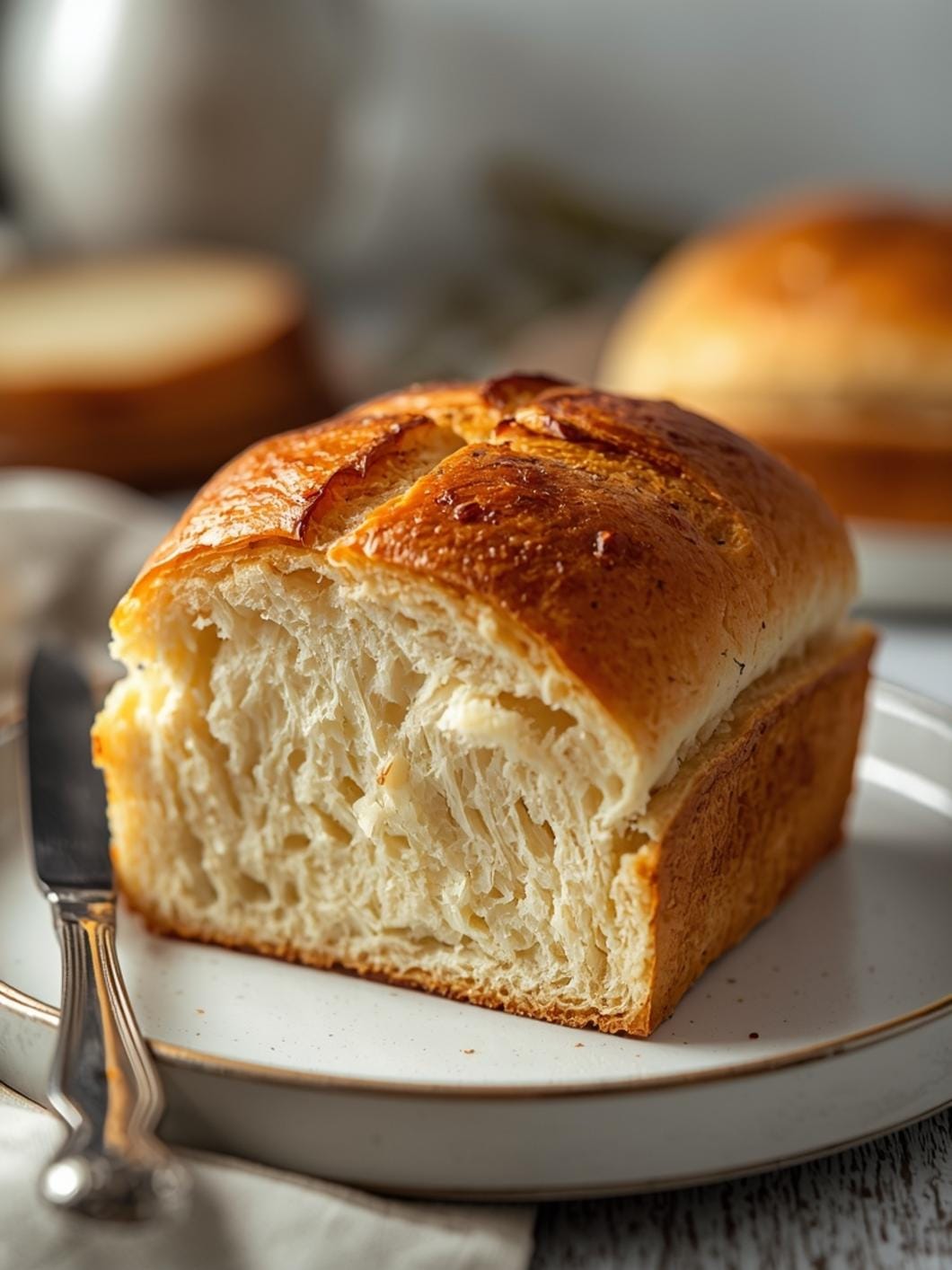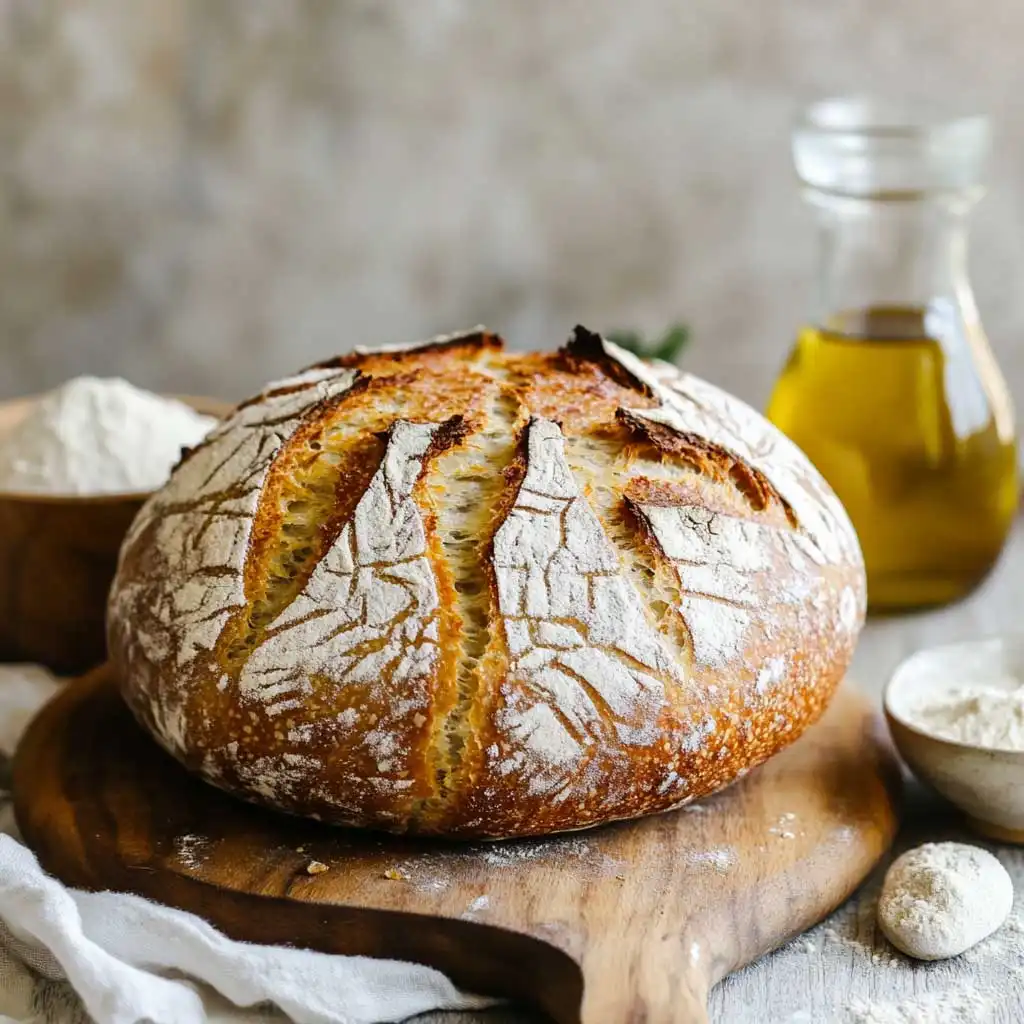

There’s nothing quite like the satisfaction of baking your own sourdough bread.
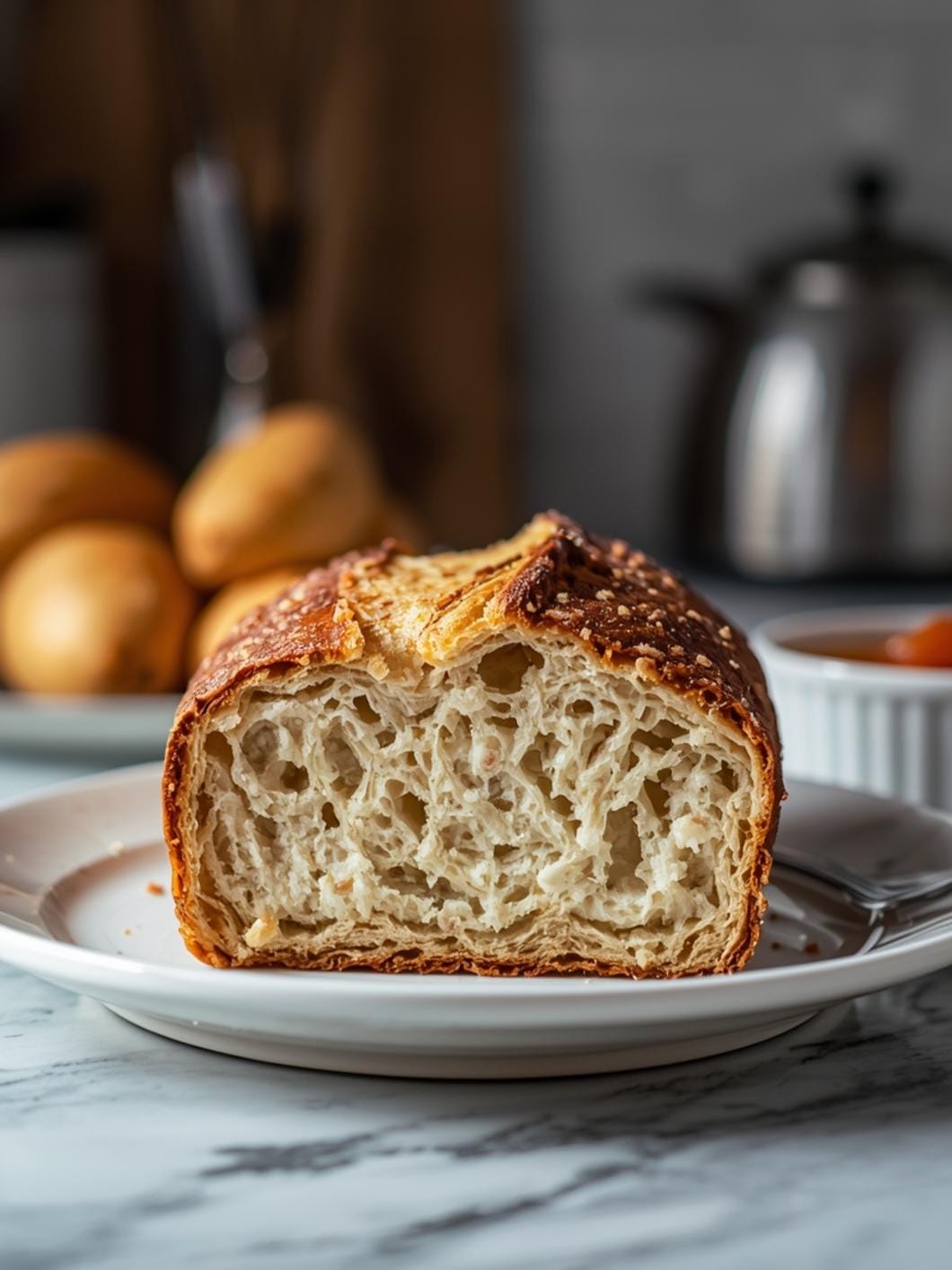
The aroma filling your kitchen, the rustic crust, and that wonderfully chewy interior – it’s a culinary triumph! However, many home bakers encounter a common frustration: a dense, heavy loaf instead of the light, airy sourdough they envisioned.
If your sourdough isn’t as soft and open-crumbed as you’d like, don’t despair. This guide is designed to help you troubleshoot those common issues and unlock the secrets to a truly soft and delicious sourdough loaf, all while using your active sourdough starter.

Soft Sourdough Loaf Troubleshooting Guide
- Total Time: 20-40 hours
- Yield: 1 loaf
Description
This guide helps home bakers achieve a soft, open-crumbed sourdough loaf by addressing common issues like dense texture. It focuses on practical adjustments to the baking process, from starter activity to baking techniques, making it suitable for both beginners and those looking to refine their skills.
Ingredients
Instructions
1. 1. Ensure Your Starter is Robust and Active: Your sourdough starter should be fed and allowed to mature until it’s very active, bubbly, and has roughly doubled or tripled in size. Perform the “float test”: drop a small spoonful of starter into a glass of water. If it floats, it’s ready to use. If it sinks, it needs more time to develop.
2. 2. Proper Hydration is Key: When mixing your dough, aim for a shaggy, slightly sticky consistency. If your dough feels stiff and dry, gradually add a little more water (a tablespoon at a time) until it reaches the right consistency.
3. 3. Develop Gluten Effectively with Stretching and Folding: After mixing, perform a series of “stretch and folds” during the bulk fermentation. Every 30-60 minutes for the first 2-3 hours, gently stretch a portion of the dough up and fold it over itself, rotating the bowl. Do this 4-6 times per session.
4. 4. Monitor Bulk Fermentation, Don’t Just Rely on Time: The dough should increase in volume by about 30-50% and feel noticeably lighter and airy. Look for bubbles on the surface and along the sides of the bowl. Perform the “poke test”: gently poke the dough with a wet finger; if the indentation slowly springs back, it’s likely ready.
5. 5. Gentle Shaping for a Strong Surface Tension: When shaping your dough, be firm but gentle. Create a taut “skin” on the outside of the loaf. Avoid degassing the dough too much during shaping. The dough should feel like a firm, round cushion after shaping.
6. 6. Cold Proofing for Flavor and Structure: After shaping, place your dough in a floured banneton or bowl, cover it, and refrigerate it for 12-24 hours.
7. 7. Bake with High Heat and Steam: Preheat your oven with a Dutch oven inside to 450-500 F (230-260 C). Bake with the lid on the Dutch oven for the first part of the bake.
- Prep Time: 30 minutes
- Cook Time: 45 minutes
- Category: bread
- Method: baking
- Cuisine: european
Nutrition
- Serving Size: 1 slice
Keywords: sourdough, bread, baking, soft crumb, open crumb, starter, fermentation, gluten, homemade
What You’ll Love About This Quick And Easy Recipe
This guide is perfect for anyone who has dabbled in sourdough baking but hasn’t quite achieved that ideal soft texture. It’s for the home baker who wants to understand the “why” behind dense bread and learn practical, actionable steps to improve their next bake. We’ll focus on adjustments to your process that are easy to implement, making it suitable for beginners and those looking to refine their skills. You’ll love the clarity and straightforward advice, empowering you to confidently bake a beautiful, soft sourdough loaf that will impress your family and friends, whether it’s for a cozy breakfast, a hearty sandwich, or a side to a delicious dinner.
Everything You Need To Make This Recipe Without Stress
Achieving a soft sourdough loaf often comes down to understanding the interaction between your ingredients and your technique. While this isn’t a traditional “recipe” with a list of ingredients in the same way a cake might be, the core components are your starter, flour, water, and salt. The “ingredients” here are more about the quality and state of these components, and how you handle them.
INGREDIENTS:
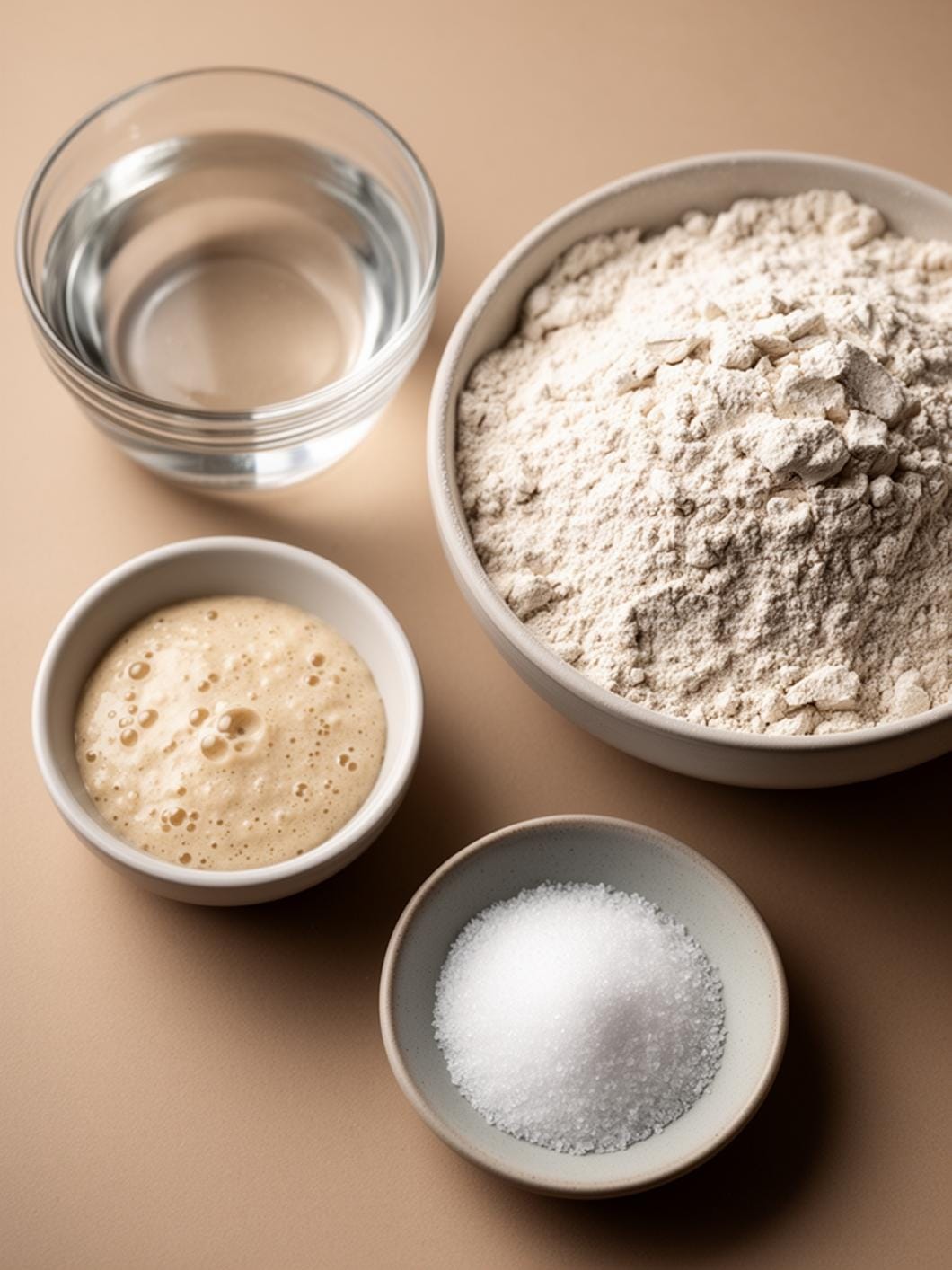
- Active sourdough starter
- High-quality bread flour (or a blend of bread and all-purpose flour)
- Filtered water
- Fine sea salt
When it comes to flour, using a good quality bread flour with a higher protein content (around 12-14%) is often beneficial as it helps develop a strong gluten network, which is crucial for trapping gas and creating an open crumb. However, you can also use a blend of bread flour and all-purpose flour if you prefer a slightly less chewy texture. For water, filtered water is generally recommended to avoid any chlorine or other chemicals that might negatively impact your starter’s activity. As for salt, fine sea salt dissolves easily and distributes evenly throughout the dough.
Time Needed From Start To Finish
Understanding the timeline for sourdough is crucial, as it’s not a quick bake in the traditional sense. While the active “hands-on” time might be relatively short, the fermentation process takes many hours.
Starter Preparation: 4-12 hours (after feeding, until it’s active and bubbly) Mixing and Bulk Fermentation: 3-6 hours (depending on ambient temperature and starter activity) Shaping and Cold Proofing: 12-24 hours (in the refrigerator) Baking: 40-50 minutes
Total Time (Active + Inactive): Approximately 20-40 hours, with only about 30-60 minutes of active work spread throughout.
How To Make It Step By Step With Visual Cues

Achieving a soft sourdough loaf involves paying close attention to each stage of the process. Here’s a breakdown of the steps, focusing on cues that indicate you’re on the right track.
- Ensure Your Starter is Robust and Active: This is perhaps the most critical step. Your sourdough starter should be fed and allowed to mature until it’s very active, bubbly, and has roughly doubled or tripled in size. A good visual cue is to perform the “float test”: drop a small spoonful of starter into a glass of water. If it floats, it’s ready to use. If it sinks, it needs more time to develop. A weak starter won’t produce enough gas to lift your dough, leading to a dense loaf.
- Proper Hydration is Key: Many dense loaves are a result of insufficient hydration. When mixing your dough, aim for a shaggy, slightly sticky consistency. Don’t be afraid of a wetter dough; it often leads to a more open crumb. You want the dough to feel cohesive but still have a good amount of tackiness. If your dough feels stiff and dry, gradually add a little more water (a tablespoon at a time) until it reaches the right consistency.
- Develop Gluten Effectively with Stretching and Folding: After mixing, don’t just leave your dough. Perform a series of “stretch and folds” during the bulk fermentation. Every 30-60 minutes for the first 2-3 hours, gently stretch a portion of the dough up and fold it over itself, rotating the bowl. Do this 4-6 times per session. This builds gluten strength without heavy kneading, helping the dough trap gas and create that airy structure. The dough will become smoother and more elastic with each session.
- Monitor Bulk Fermentation, Don’t Just Rely on Time: Bulk fermentation (the first rise) is crucial. The dough should increase in volume by about 30-50% and feel noticeably lighter and airy. Look for bubbles on the surface and along the sides of the bowl. The “poke test” can also help: gently poke the dough with a wet finger; if the indentation slowly springs back, it’s likely ready. Over-fermentation can lead to a dense, gummy crumb, while under-fermentation results in a tight, dense loaf.
- Gentle Shaping for a Strong Surface Tension: When shaping your dough, be firm but gentle. The goal is to create a taut “skin” on the outside of the loaf, which helps it hold its shape and rise during baking. Avoid degassing the dough too much during shaping. You want to preserve as much of the trapped gas as possible. The dough should feel like a firm, round cushion after shaping.
- Cold Proofing for Flavor and Structure: After shaping, place your dough in a floured banneton or bowl, cover it, and refrigerate it for 12-24 hours. This cold proofing slows down fermentation, allowing flavors to develop, and makes the dough easier to score and handle. It also contributes to a better oven spring and a more open crumb.
- Bake with High Heat and Steam: Preheat your oven with a Dutch oven inside to a very high temperature (usually 450-500°F or 230-260°C). The initial blast of heat and steam (created by baking with the lid on the Dutch oven for the first part of the bake) is vital for oven spring and preventing a dense crust. The steam keeps the crust soft initially, allowing the loaf to expand fully before the crust sets.
Easy Variations And Serving Ideas That Fit Real Life
Once you master the basic soft sourdough loaf, the possibilities are endless for variations and serving.
- Herb and Garlic Infusion: During the final stretch and fold, gently incorporate finely chopped fresh rosemary, thyme, or roasted garlic. This adds a wonderful aromatic flavor, perfect for serving with pasta or as a side to a roast.
- Cheese Swirl: Fold in shredded cheddar, Gruyère, or Parmesan during shaping for a savory, cheesy loaf that’s fantastic toasted or alongside soup.
- Seed Blend: Add a mix of sesame, poppy, sunflower, or flax seeds to the dough during mixing, or sprinkle them on top before baking for added texture and nutrition.
- Sweet Sourdough: For a slightly sweet treat, consider adding a handful of dried cranberries and a sprinkle of cinnamon to the dough. This makes a lovely breakfast bread.
For serving, a soft sourdough loaf is incredibly versatile. It’s excellent simply sliced and served with good quality butter, olive oil, or a balsamic dip. It makes incredible sandwiches, from classic deli meats to gourmet grilled cheese. Don’t forget to use it for bruschetta, crostini, or as a dipping bread for stews and chilis. For a delightful breakfast, toast slices and top with avocado, eggs, or your favorite jam.
Common Slip-Ups And How To Avoid Them
Even experienced bakers can encounter issues, but many common problems leading to a dense sourdough loaf are easily fixable.
- Using a Weak Starter: This is the number one culprit for dense bread. If your starter isn’t consistently active and bubbly, it won’t produce enough gas to lift the dough. Always feed your starter 4-12 hours before you plan to mix your dough, ensuring it’s at its peak activity.
- Under-Hydration: A dry dough won’t expand well. Don’t be afraid of a sticky dough; it’s often a sign of good hydration. If your dough feels stiff, gradually add a little more water during the initial mixing phase until it’s shaggy and slightly tacky.
- Insufficient Gluten Development: Without a strong gluten network, the dough can’t trap the gases produced by the starter, leading to a flat, dense loaf. Make sure you’re performing enough stretch and folds during bulk fermentation until the dough feels elastic and smooth.
- Under or Over-Proofing: Both can lead to dense results. Under-proofed dough won’t have enough gas to rise properly, while over

FAQs
- Can I make these ahead? Yes—prep ahead, refrigerate, then serve when ready.
- How long do leftovers last? Store covered in the fridge for 3–4 days for best texture.
- Can I adjust sweetness? Yes—add more or less sweetener to taste.
- Can I change the fruit? Yes—swap strawberries for blueberries, raspberries, or sliced banana.