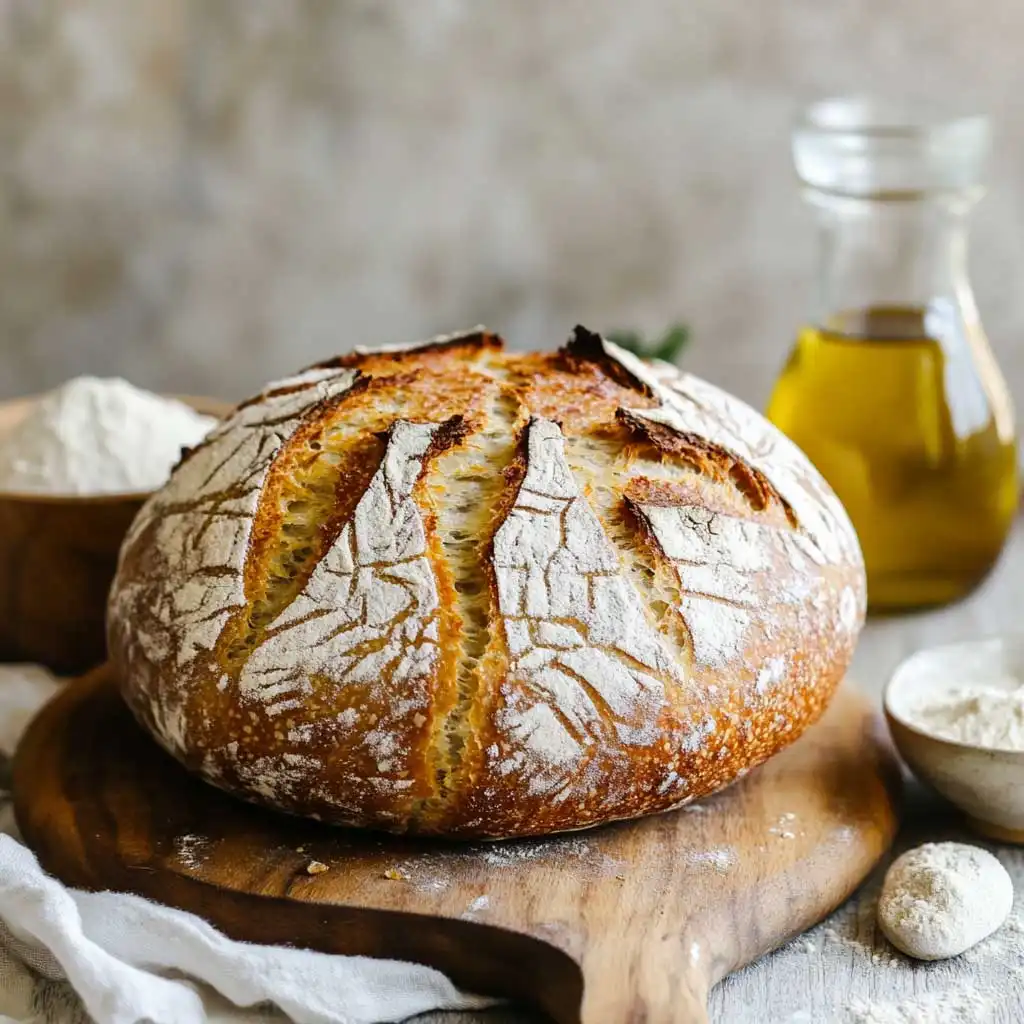

This yogurt-enriched sourdough sandwich loaf is a true game-changer for busy households.
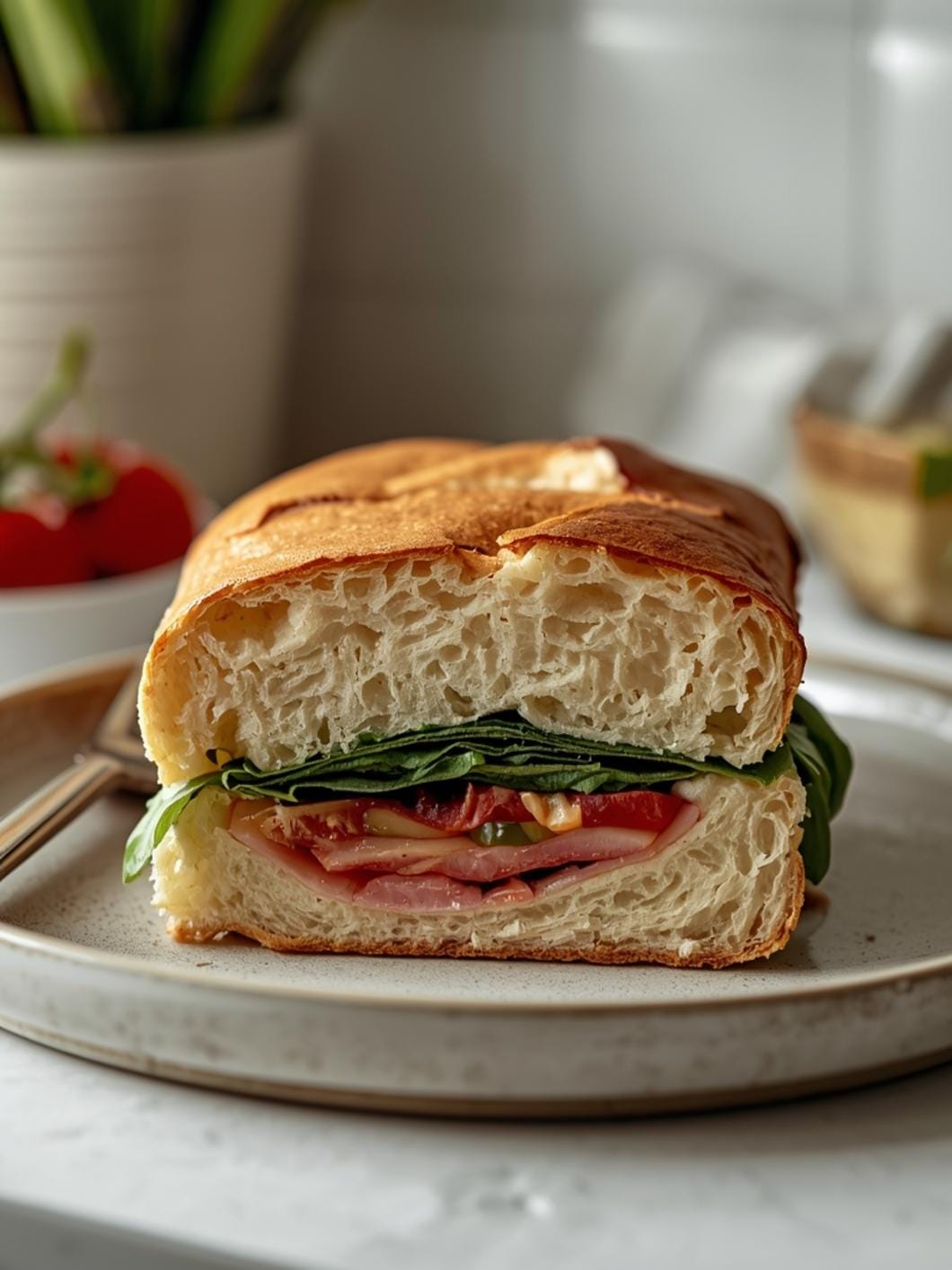
Imagine sinking your teeth into a slice of homemade bread that’s incredibly soft, with just a hint of that signature sourdough tang, perfect for all your favorite sandwich fillings. It’s the kind of bread that elevates a simple lunch or makes breakfast feel a little more special.
We’re talking about a loaf that’s not just delicious but also surprisingly straightforward to make. Whether you’re packing school lunches, preparing a quick dinner, or simply craving fresh bread, this recipe delivers on both flavor and convenience. Get ready to discover your new go-to homemade bread!

Yogurt Sourdough Sandwich Loaf
- Total Time: 12-18 hours (mostly inactive)
- Yield: 1 loaf 1x
Description
This yogurt-enriched sourdough sandwich loaf is a true game-changer for busy households. Imagine sinking your teeth into a slice of homemade bread that’s incredibly soft, with just a hint of that signature sourdough tang, perfect for all your favorite sandwich fillings. It’s the kind of bread that elevates a simple lunch or makes breakfast feel a little more special. We’re talking about a loaf that’s not just delicious but also surprisingly straightforward to make. Whether you’re packing school lunches, preparing a quick dinner, or simply craving fresh bread, this recipe delivers on both flavor and convenience. Get ready to discover your new go-to homemade bread!
Ingredients
Instructions
1. 1. Activate the Starter and Combine Wet Ingredients: In a large mixing bowl, combine your active sourdough starter, plain whole milk yogurt, warm water, and granulated sugar. Stir everything together until well combined. The mixture should look milky and slightly frothy from the starter.
2. 2. Add Dry Ingredients and Form the Dough: Add the salt and 5 cups of all-purpose flour to the wet mixture. Use a sturdy spoon or your hands to mix until a shaggy dough forms and no dry streaks of flour remain. If the dough is very sticky, add the remaining 1/2 to 1 cup of flour gradually, just until it comes together.
3. 3. Initial Kneading and Bulk Fermentation: Turn the dough out onto a lightly floured surface. Knead for about 5-7 minutes until the dough is somewhat smooth and elastic. It doesn’t need to be perfectly smooth yet. Lightly grease your mixing bowl with a little oil or butter, place the dough back in, cover it with plastic wrap or a damp kitchen towel, and let it rise at room temperature (around 70-75F) for 8-12 hours, or until it has doubled in size. This is your bulk fermentation, and it can be done overnight.
4. 4. Shape the Loaf: Once the dough has doubled, gently punch it down to release the air. Turn it out onto a lightly floured surface. Gently stretch the dough into a rectangle, then fold the top third down to the center and the bottom third up over the top, like a letter. Rotate the dough 90 degrees, then roll it up tightly from one end to the other to form a log. Pinch the seam closed.
5. 5. Second Proofing in the Loaf Pan: Grease a 9×5-inch loaf pan with butter. Place the shaped dough seam-side down into the prepared pan. Cover the pan loosely with plastic wrap or a damp towel and let it rise again in a warm spot for 2-4 hours, or until the dough has risen about 1 inch above the rim of the pan. It should look puffy and soft.
6. 6. Preheat Oven and Bake: While the dough is proofing for the second time, preheat your oven to 375 F (190 C). Once the loaf has proofed, brush the top with the melted butter. Bake for 35-45 minutes, or until the crust is golden brown and the internal temperature reaches 200-210 F (93-99 C) with an instant-read thermometer. If the crust is browning too quickly, you can loosely tent it with aluminum foil.
7. 7. Cool Completely Before Slicing: Once baked, remove the loaf from the oven and immediately turn it out onto a wire rack. Let it cool completely for at least 1-2 hours before slicing. Slicing too early can result in a gummy texture.
- Prep Time: 20 minutes
- Cook Time: 35-45 minutes
- Category: bread
- Method: baking
- Cuisine: american
Nutrition
- Serving Size: 1 slice
Keywords: sourdough, sandwich bread, yogurt bread, homemade bread, easy sourdough, soft bread, everyday bread, baking, loaves, comfort food
What You’ll Love About This Quick And Easy Recipe
This recipe is a dream come true for anyone who loves the idea of homemade bread but doesn’t have hours to dedicate to complex baking projects. It’s specifically designed for busy families and individuals seeking a delicious, wholesome option that fits seamlessly into a hectic schedule. The addition of yogurt is the secret weapon here, lending an unparalleled softness and a subtle depth of flavor that makes this sandwich loaf truly stand out. It’s perfect for everyday use – think school lunches, quick weeknight dinners, or even a delightful weekend brunch. This isn’t a showstopper for a fancy dinner party, but rather a reliable, comforting staple that will quickly become a household favorite. It’s forgiving for beginners and satisfying for experienced bakers looking for a simpler approach to sourdough.
Everything You Need To Make This Recipe Without Stress
This section outlines all the essential ingredients you’ll need to create your perfect yogurt sourdough sandwich loaf. We’ll keep it simple and straightforward, focusing on readily available items you likely already have in your pantry or can easily find at any grocery store. After the list, we’ll discuss some easy substitutions if you find yourself short on a particular item.
INGREDIENTS:
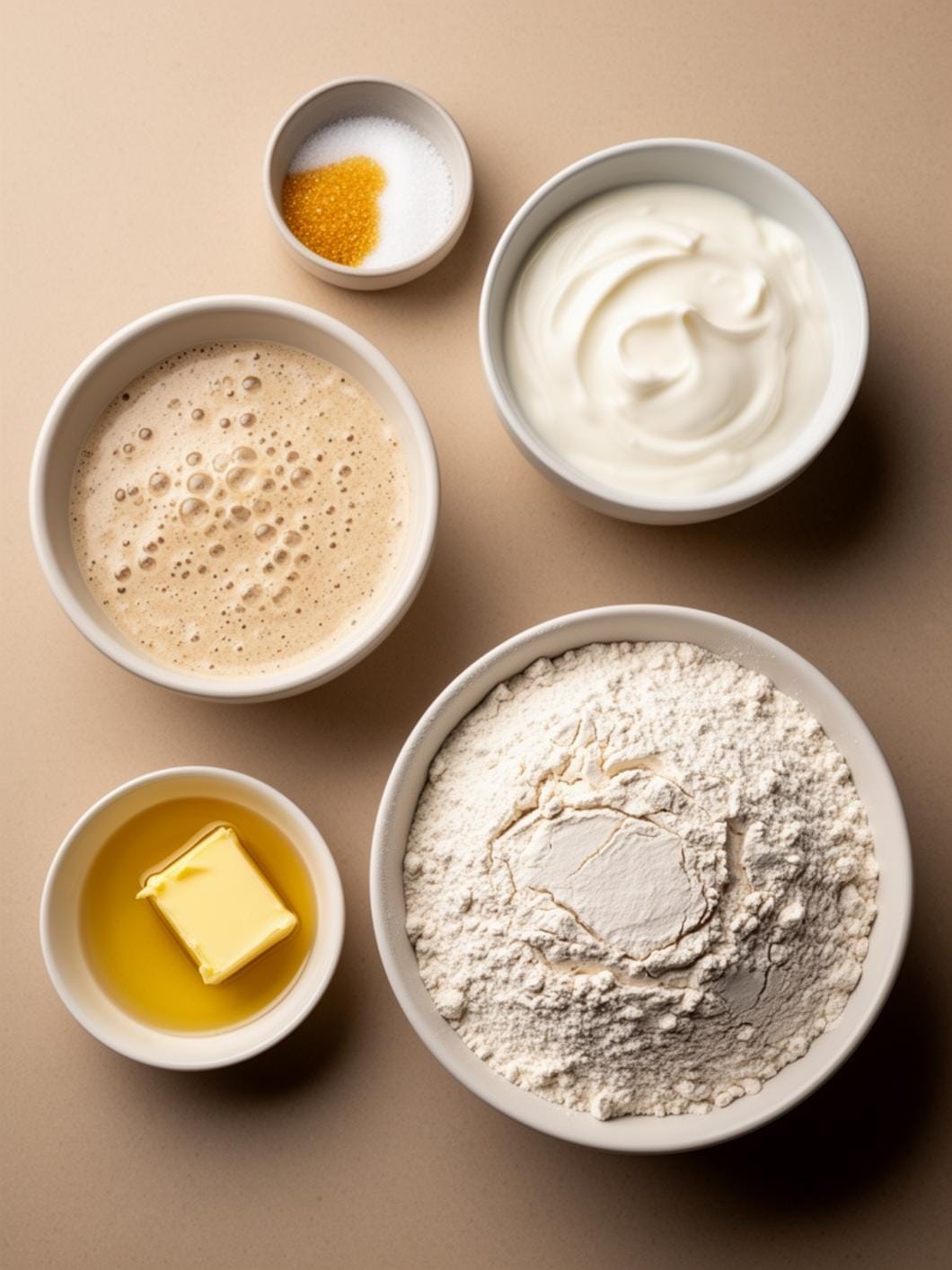
- 1 cup active sourdough starter, fed and bubbly
- 1 cup plain whole milk yogurt (not Greek yogurt)
- 1 cup warm water (about 100-110°F)
- 1 tablespoon granulated sugar
- 2 teaspoons salt
- 5-6 cups all-purpose flour, plus more for dusting
- 2 tablespoons unsalted butter, melted, plus more for greasing the pan
When it comes to substitutions, plain whole milk yogurt is best for its fat content and consistency, but you could use 2% plain yogurt in a pinch. Avoid Greek yogurt as it’s too thick and will alter the dough’s hydration. For the flour, all-purpose works wonderfully, but you could experiment with a small amount of whole wheat flour (up to 1 cup) for added nutrition, though it might make the loaf slightly denser. The sugar is there to feed the yeast and aid in browning, so don’t skip it. If you don’t have unsalted butter, salted butter is fine; just reduce the added salt by about 1/4 teaspoon.
Time Needed From Start To Finish
This recipe is designed to be manageable, though sourdough always requires some patience for the fermentation process. The active hands-on time is quite minimal, making it perfect for fitting into your day.
- Prep Time: 20 minutes (mixing dough, initial knead)
- Bulk Fermentation (First Rise): 8-12 hours (overnight is ideal)
- Shaping & Proofing (Second Rise): 2-4 hours
- Bake Time: 35-45 minutes
- Cooling Time: 1-2 hours (essential for best texture)
- Total Time: Approximately 12-18 hours (mostly inactive waiting time)
While the total time looks long, remember that most of it is hands-off. You can mix the dough in the evening, let it rise overnight, then shape and bake it the next morning or afternoon.
How To Make It Step By Step With Visual Cues
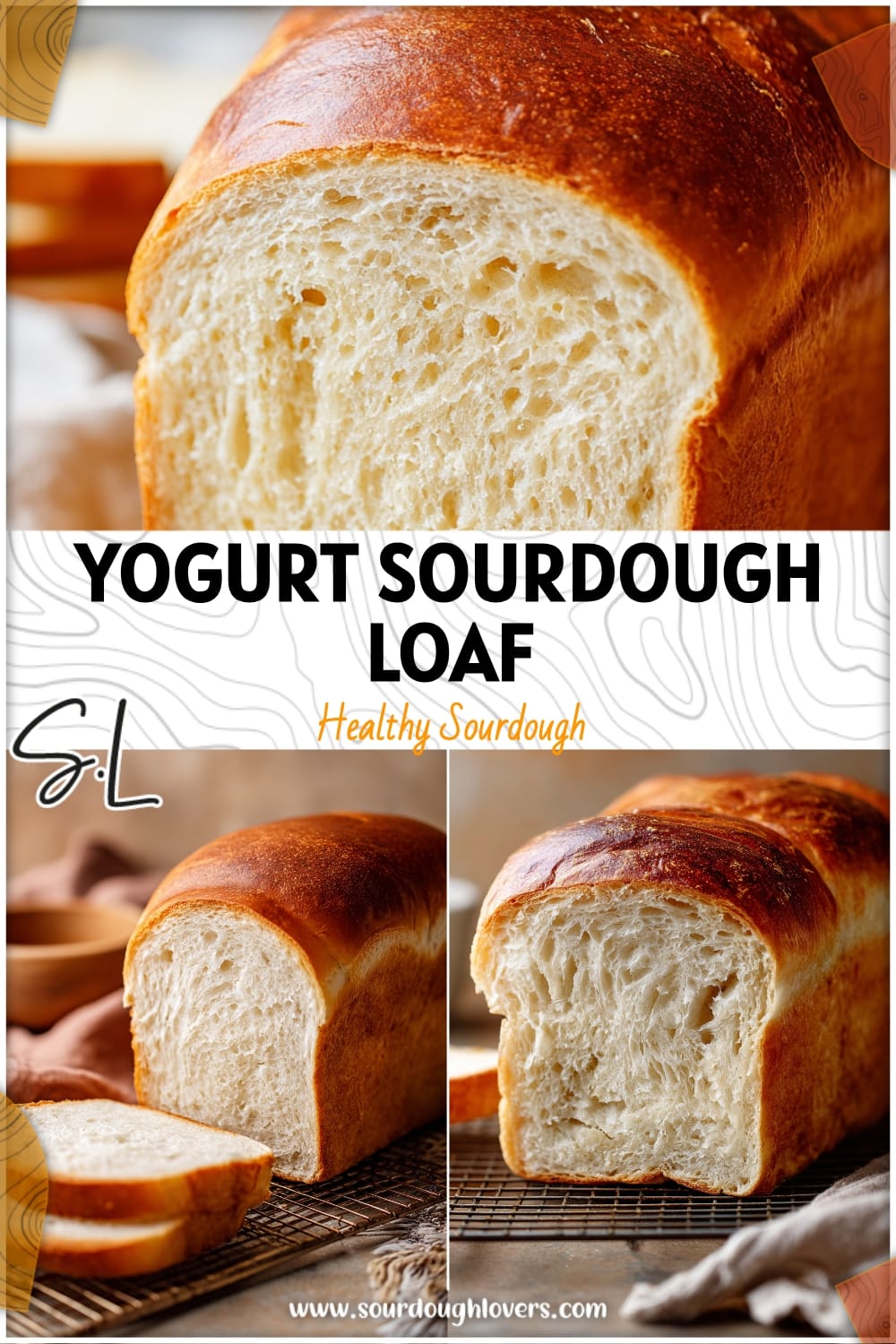
Creating this delicious sourdough sandwich loaf is a rewarding process. Follow these clear steps to achieve a perfectly soft and tangy bread.
- Activate the Starter and Combine Wet Ingredients: In a large mixing bowl, combine your active sourdough starter, plain whole milk yogurt, warm water, and granulated sugar. Stir everything together until well combined. The mixture should look milky and slightly frothy from the starter.
- Add Dry Ingredients and Form the Dough: Add the salt and 5 cups of all-purpose flour to the wet mixture. Use a sturdy spoon or your hands to mix until a shaggy dough forms and no dry streaks of flour remain. If the dough is very sticky, add the remaining 1/2 to 1 cup of flour gradually, just until it comes together.
- Initial Kneading and Bulk Fermentation: Turn the dough out onto a lightly floured surface. Knead for about 5-7 minutes until the dough is somewhat smooth and elastic. It doesn’t need to be perfectly smooth yet. Lightly grease your mixing bowl with a little oil or butter, place the dough back in, cover it with plastic wrap or a damp kitchen towel, and let it rise at room temperature (around 70-75°F) for 8-12 hours, or until it has doubled in size. This is your bulk fermentation, and it can be done overnight.
- Shape the Loaf: Once the dough has doubled, gently punch it down to release the air. Turn it out onto a lightly floured surface. Gently stretch the dough into a rectangle, then fold the top third down to the center and the bottom third up over the top, like a letter. Rotate the dough 90 degrees, then roll it up tightly from one end to the other to form a log. Pinch the seam closed.
- Second Proofing in the Loaf Pan: Grease a 9×5-inch loaf pan with butter. Place the shaped dough seam-side down into the prepared pan. Cover the pan loosely with plastic wrap or a damp towel and let it rise again in a warm spot for 2-4 hours, or until the dough has risen about 1 inch above the rim of the pan. It should look puffy and soft.
- Preheat Oven and Bake: While the dough is proofing for the second time, preheat your oven to 375°F (190°C). Once the loaf has proofed, brush the top with the melted butter. Bake for 35-45 minutes, or until the crust is golden brown and the internal temperature reaches 200-210°F (93-99°C) with an instant-read thermometer. If the crust is browning too quickly, you can loosely tent it with aluminum foil.
- Cool Completely Before Slicing: Once baked, remove the loaf from the oven and immediately turn it out onto a wire rack. Let it cool completely for at least 1-2 hours before slicing. Slicing too early can result in a gummy texture.
Easy Variations And Serving Ideas That Fit Real Life
This yogurt sourdough sandwich loaf is incredibly versatile and can be adapted to suit various tastes and occasions. For a savory twist, try kneading in 1/2 cup of shredded cheddar cheese and 1/4 cup of chopped chives during the initial kneading phase. This makes a fantastic base for grilled cheese or alongside a bowl of soup. For a slightly sweeter loaf, you can add 1/4 cup of honey or maple syrup along with the sugar, and perhaps a sprinkle of cinnamon, making it perfect for toast with butter and jam.
When it comes to serving, this bread is truly the star of the show. It makes the most incredible sandwiches – think classic turkey and provolone, a hearty BLT, or even a simple peanut butter and jelly for the kids. Its soft texture holds up beautifully to various fillings. For breakfast, slice it thick and toast it, serving with eggs and bacon. You can also cube stale pieces for homemade croutons or bread pudding. For a quick appetizer, slice it, toast lightly, and top with bruschetta or a simple olive tapenade. It’s a wonderful bread to have on hand for everyday meals and impromptu snacks.
Common Slip-Ups And How To Avoid Them
Even experienced bakers can encounter small challenges, especially with sourdough. Here are some common issues and how to steer clear of them:
- Dense or Gummy Loaf: This is often caused by not letting the bread cool completely before slicing. The internal structure is still setting, and slicing too early traps steam, leading to a gummy texture. Always allow at least 1-2 hours of cooling on a wire rack. Another culprit might be an inactive starter; ensure your starter is fed, bubbly, and active before beginning.
- Flat Loaf: A flat loaf usually indicates an over-proofed or under-proofed dough. If over-proofed, the yeast has exhausted its food supply and the structure collapses. If under-proofed, it hasn’t developed enough gas to rise properly. Pay attention to the visual cues: doubled in size for the first rise, and about 1 inch above the pan rim for the second. The “poke test” can help: gently poke the dough with a floured finger; if it springs back slowly, it’s ready. If it springs back immediately, it needs more time; if it leaves a deep

FAQs
- Can I make these ahead? Yes—prep ahead, refrigerate, then serve when ready.
- How long do leftovers last? Store covered in the fridge for 3–4 days for best texture.
- Can I adjust sweetness? Yes—add more or less sweetener to taste.
- Can I change the fruit? Yes—swap strawberries for blueberries, raspberries, or sliced banana.