
Transforming your sourdough discard into something truly delicious is one of the most satisfying kitchen victories, and this easy focaccia bread recipe is proof. You don’t need to be an experienced baker to create a beautiful, airy loaf that’s perfect for sharing or enjoying all by yourself.
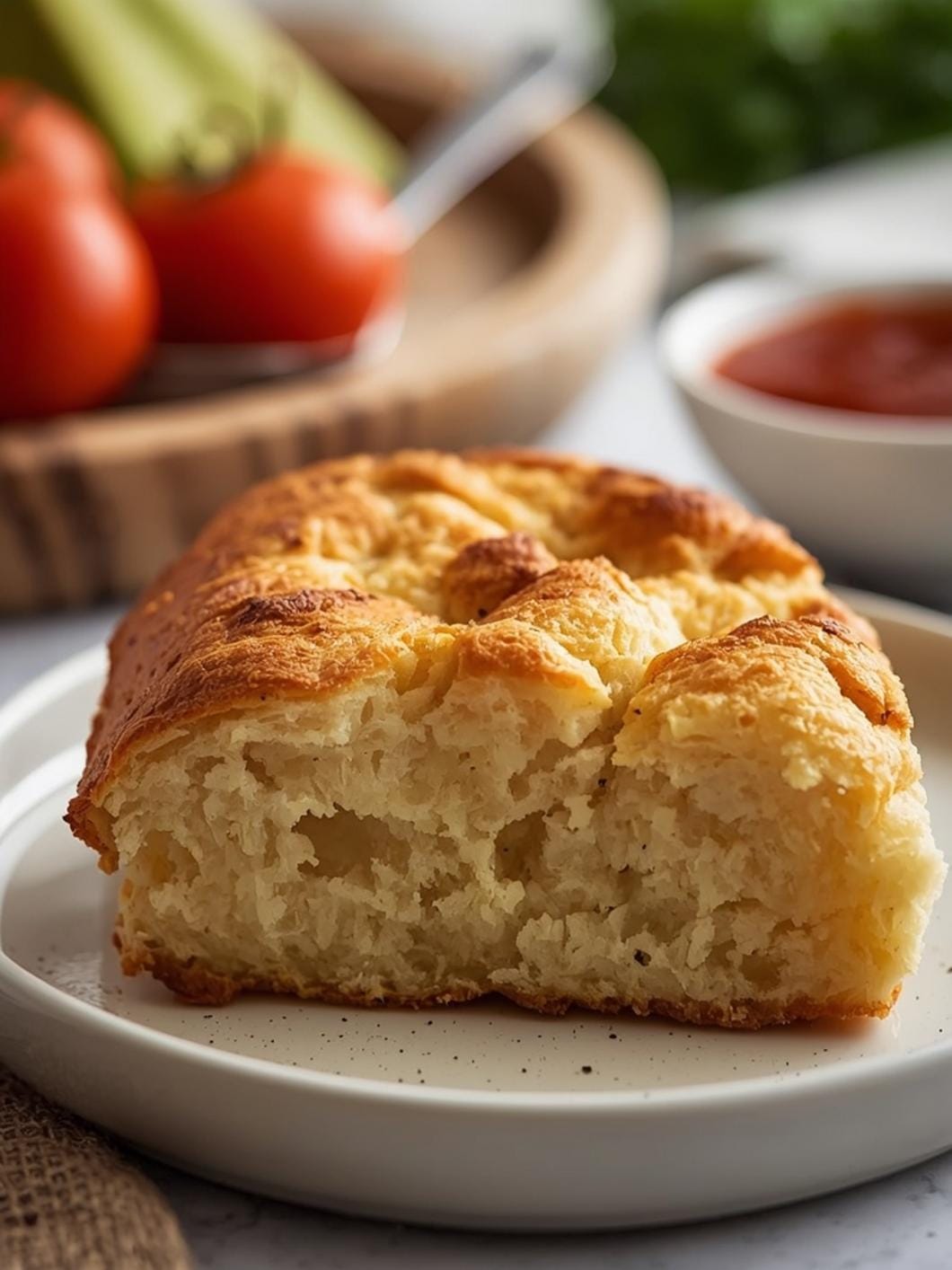
This recipe is designed to be straightforward and approachable, turning what might otherwise be tossed away into a flavorful side dish or a delightful snack. Get ready to impress your taste buds with minimal effort and maximum flavor.

Easy Sourdough Discard Focaccia Bread
- Total Time: 2 hours 5 minutes
- Yield: 1 focaccia loaf (9x13 inch) 1x
Description
Transform your sourdough discard into a delicious, airy focaccia bread with this easy and forgiving recipe. Perfect for beginners, it comes together quickly and makes a flavorful side dish or snack.
Ingredients
Instructions
1. 1. Activate the Yeast and Discard: In a large mixing bowl, combine the warm water, sourdough discard, 2 tablespoons of olive oil, active dry yeast, and granulated sugar. Whisk gently until the yeast and sugar are mostly dissolved and the discard is well incorporated. The mixture should look a bit cloudy.
2. 2. Combine Dry Ingredients: Add the all-purpose flour and 1 1/2 teaspoons of fine sea salt to the wet mixture. Use a wooden spoon or a spatula to mix until a shaggy dough forms and no dry streaks of flour remain. Do not overmix; a slightly sticky dough is expected.
3. 3. First Rise and Stretch: Cover the bowl with plastic wrap or a damp kitchen towel and let the dough rest in a warm place for 30 minutes. After 30 minutes, perform a series of “stretch and folds”: with wet hands, gently grab one side of the dough, stretch it upwards, and fold it over to the opposite side. Rotate the bowl a quarter turn and repeat this process 3-4 more times. This helps develop gluten without heavy kneading.
4. 4. Second Rise and Pan Prep: Lightly grease a 9×13 inch baking pan with a generous amount of olive oil, ensuring the bottom and sides are well coated. Transfer the dough into the prepared pan. Gently spread the dough to roughly fill the pan. Cover the pan loosely with plastic wrap or a damp towel and let it rise in a warm spot for 1 hour. The dough should look visibly puffy and have increased in volume.
5. 5. Dimple and Top the Dough: Once the dough has risen, uncover it. Drizzle a little more olive oil over the top. Using oiled fingertips, gently press down into the dough to create those characteristic focaccia dimples. Don’t be afraid to press all the way down to the bottom of the pan. If using optional toppings like fresh rosemary or cherry tomatoes, arrange them evenly over the dimpled surface. Sprinkle generously with flaky sea salt.
6. 6. Bake to Golden Perfection: Preheat your oven to 400 F (200 C). Bake the focaccia for 20-25 minutes, or until the top is golden brown and the edges are crisp. The internal temperature should reach around 200-210 F (93-99 C) if you’re using a thermometer.
7. 7. Cool and Serve: Once baked, carefully remove the focaccia from the oven. Let it cool in the pan for a few minutes before transferring it to a wire rack to cool completely. Slicing it while still warm is fine, but allowing it to cool slightly helps set the texture.
- Prep Time: 15 minutes
- Cook Time: 20-25 minutes
- Category: bread
- Method: baking
- Cuisine: italian
Nutrition
- Serving Size: 8 servings
Keywords: sourdough, focaccia, discard, bread, easy, baking, italian, snack, side dish, homemade
What You’ll Love About This Quick And Easy Recipe
This recipe is a game-changer for anyone with an active sourdough starter who often finds themselves with discard. It’s incredibly forgiving, making it ideal for beginner bakers or those who want a delicious bread without the fuss of traditional sourdough baking. You’ll love how quickly this comes together, especially compared to the multi-day process of a typical sourdough loaf. It’s perfect for a weeknight dinner side, a casual weekend lunch with friends, or even as a base for sandwiches. The airy texture and savory flavor make it a versatile addition to almost any meal, and it’s a fantastic way to introduce friends and family to the wonders of sourdough in a less intimidating form.
Everything You Need To Make This Recipe Without Stress
Gathering your ingredients before you begin ensures a smooth and enjoyable baking experience. This recipe uses common pantry staples alongside your sourdough discard, so you likely have most of what you need already.
INGREDIENTS:

- 1 cup (240g) unfed sourdough discard (100% hydration, straight from the fridge is fine)
- 1 cup (240ml) warm water (around 95-105°F / 35-40°C)
- 2 tablespoons olive oil, plus more for the pan and drizzling
- 1 teaspoon active dry yeast
- 1 teaspoon granulated sugar
- 2 ½ cups (300g) all-purpose flour
- 1 ½ teaspoons fine sea salt, plus a pinch for sprinkling
- Optional toppings: fresh rosemary, flaky sea salt, garlic powder, cherry tomatoes
For the olive oil, a good quality extra virgin olive oil will impart the best flavor, but any olive oil you have on hand will work. If you don’t have active dry yeast, instant yeast can be used interchangeably; there’s no need to proof it in water first, but for this recipe, proofing it with the sugar and water helps activate the discard. All-purpose flour is perfect for this focaccia, providing a tender crumb. Feel free to experiment with different herbs or spices for toppings based on your preference.
Time Needed From Start To Finish
One of the best aspects of this focaccia recipe is its relatively quick turnaround time, especially for a sourdough-based bread. You won’t be waiting days for fermentation!
- Prep Time: 15 minutes
- Resting/Proofing Time: 1 hour 30 minutes
- Bake Time: 20-25 minutes
- Total Time: Approximately 2 hours 5 minutes to 2 hours 10 minutes
This timing makes it entirely feasible to whip up a batch for a spontaneous dinner or a last-minute gathering without feeling rushed.
How To Make It Step By Step With Visual Cues
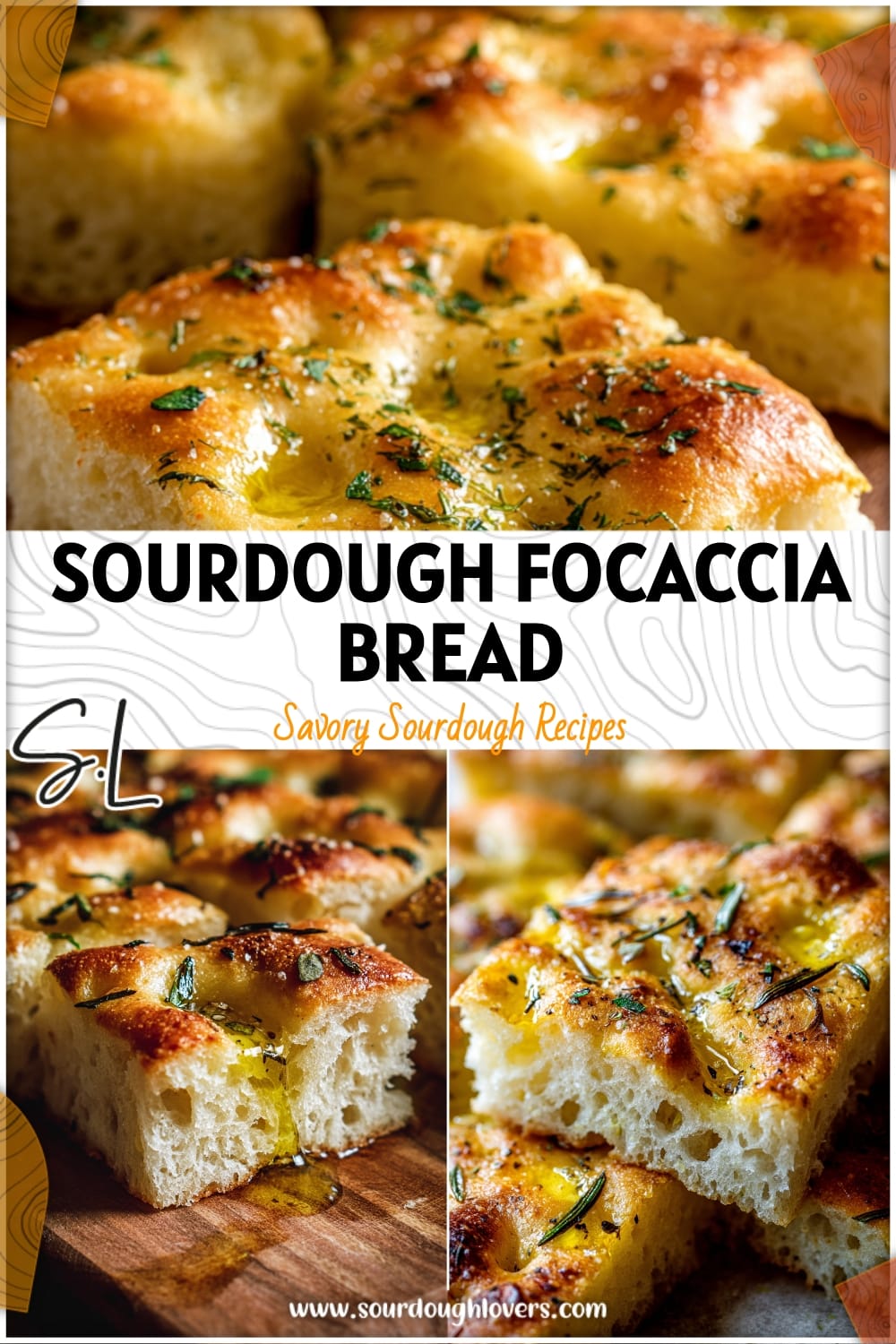
Creating this delicious focaccia is a simple process. Follow these steps for a perfect loaf every time.
- Activate the Yeast and Discard: In a large mixing bowl, combine the warm water, sourdough discard, 2 tablespoons of olive oil, active dry yeast, and granulated sugar. Whisk gently until the yeast and sugar are mostly dissolved and the discard is well incorporated. The mixture should look a bit cloudy.
- Combine Dry Ingredients: Add the all-purpose flour and 1 ½ teaspoons of fine sea salt to the wet mixture. Use a wooden spoon or a spatula to mix until a shaggy dough forms and no dry streaks of flour remain. Do not overmix; a slightly sticky dough is expected.
- First Rise and Stretch: Cover the bowl with plastic wrap or a damp kitchen towel and let the dough rest in a warm place for 30 minutes. After 30 minutes, perform a series of “stretch and folds”: with wet hands, gently grab one side of the dough, stretch it upwards, and fold it over to the opposite side. Rotate the bowl a quarter turn and repeat this process 3-4 more times. This helps develop gluten without heavy kneading.
- Second Rise and Pan Prep: Lightly grease a 9×13 inch baking pan with a generous amount of olive oil, ensuring the bottom and sides are well coated. Transfer the dough into the prepared pan. Gently spread the dough to roughly fill the pan. Cover the pan loosely with plastic wrap or a damp towel and let it rise in a warm spot for 1 hour. The dough should look visibly puffy and have increased in volume.
- Dimple and Top the Dough: Once the dough has risen, uncover it. Drizzle a little more olive oil over the top. Using oiled fingertips, gently press down into the dough to create those characteristic focaccia dimples. Don’t be afraid to press all the way down to the bottom of the pan. If using optional toppings like fresh rosemary or cherry tomatoes, arrange them evenly over the dimpled surface. Sprinkle generously with flaky sea salt.
- Bake to Golden Perfection: Preheat your oven to 400°F (200°C). Bake the focaccia for 20-25 minutes, or until the top is golden brown and the edges are crisp. The internal temperature should reach around 200-210°F (93-99°C) if you’re using a thermometer.
- Cool and Serve: Once baked, carefully remove the focaccia from the oven. Let it cool in the pan for a few minutes before transferring it to a wire rack to cool completely. Slicing it while still warm is fine, but allowing it to cool slightly helps set the texture.
Easy Variations And Serving Ideas That Fit Real Life
This sourdough discard focaccia is wonderfully versatile, making it easy to adapt to different tastes and occasions.
- Herb Lovers’ Delight: Beyond rosemary, try adding dried oregano, thyme, or a mix of Italian herbs to the dough or as a topping. Fresh basil or chives can be added after baking for a burst of fresh flavor.
- Garlic Infusion: Mince 2-3 cloves of garlic and mix them into the dough with the flour, or thinly slice garlic and press it into the dimples before baking. You can also brush the warm focaccia with garlic-infused olive oil after it comes out of the oven.
- Cheesy Goodness: Sprinkle shredded Parmesan or a blend of Italian cheeses over the top during the last 5-10 minutes of baking for a crispy, cheesy crust.
- Sweet and Savory: For a unique twist, try adding thinly sliced red onion and a drizzle of balsamic glaze after baking. Or, for a slightly sweet version, press in some sliced figs and a sprinkle of brown sugar before baking.
- Kid-Friendly Toppings: Kids often love simple toppings. Try just flaky sea salt, or a sprinkle of mild cheddar cheese. Cut the focaccia into fun shapes with cookie cutters before baking for an extra special treat.
- Serving Suggestions: This focaccia is fantastic on its own, dipped in olive oil and balsamic vinegar. It makes an excellent accompaniment to soups, stews, or pasta dishes. Use it to make gourmet sandwiches, or serve it as part of an antipasto platter with cured meats, cheeses, and olives. It’s also wonderful as a base for bruschetta or topped with fresh tomatoes and mozzarella for a quick pizza-like snack.
Common Slip-Ups And How To Avoid Them
Even with a simple recipe, a few common mistakes can impact your focaccia. Knowing how to avoid them will ensure a perfect loaf every time.
- Not Activating the Yeast Properly: If your water isn’t warm enough, the yeast won’t activate, and your dough won’t rise. Too hot, and it can kill the yeast. Aim for bathwater temperature (95-105°F / 35-40°C). If your yeast mixture doesn’t get a little foamy after 5-10 minutes, your yeast might be old or the water temperature was off.
- Over-flouring the Dough: This focaccia is meant to be a sticky, high-hydration dough. Adding too much flour will result in a dense, dry bread instead of the airy, chewy texture you’re aiming for. Resist the urge to add more flour if the dough seems sticky; oiling your hands helps immensely.
- Not Enough Olive Oil: Focaccia loves olive oil! A generous amount in the pan prevents sticking and contributes to the crispy bottom crust. Don’t skimp on the drizzle before baking either, as it helps create those delicious golden edges and rich flavor.
- Skipping the Dimpling: Those signature dimples aren’t just for looks. They prevent large air bubbles from forming and create pockets for the olive oil and toppings to gather, enhancing the flavor and texture. Be firm but gentle when dimpling.
- **Under
FAQs
- Can I make these ahead? Yes—prep ahead, refrigerate, then serve when ready.
- How long do leftovers last? Store covered in the fridge for 3–4 days for best texture.
- Can I adjust sweetness? Yes—add more or less sweetener to taste.
- Can I change the fruit? Yes—swap strawberries for blueberries, raspberries, or sliced banana.