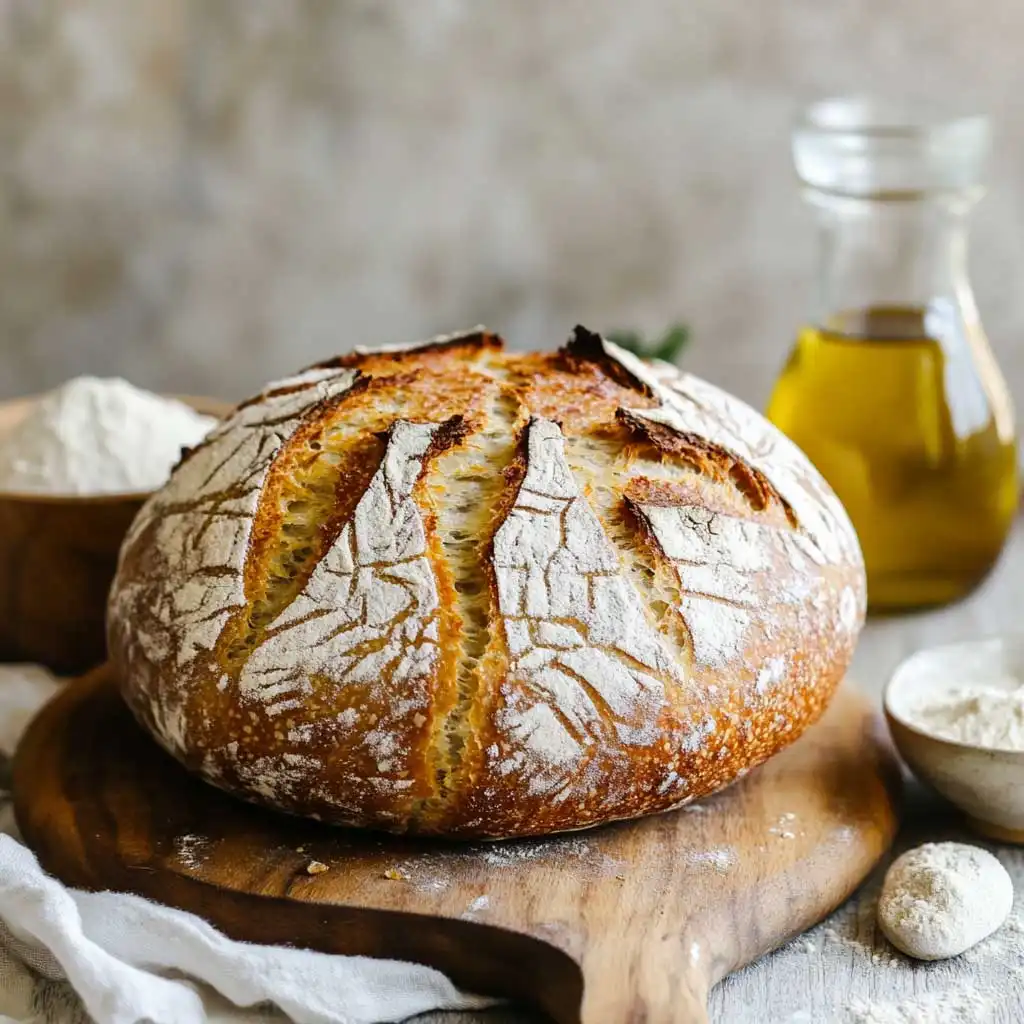

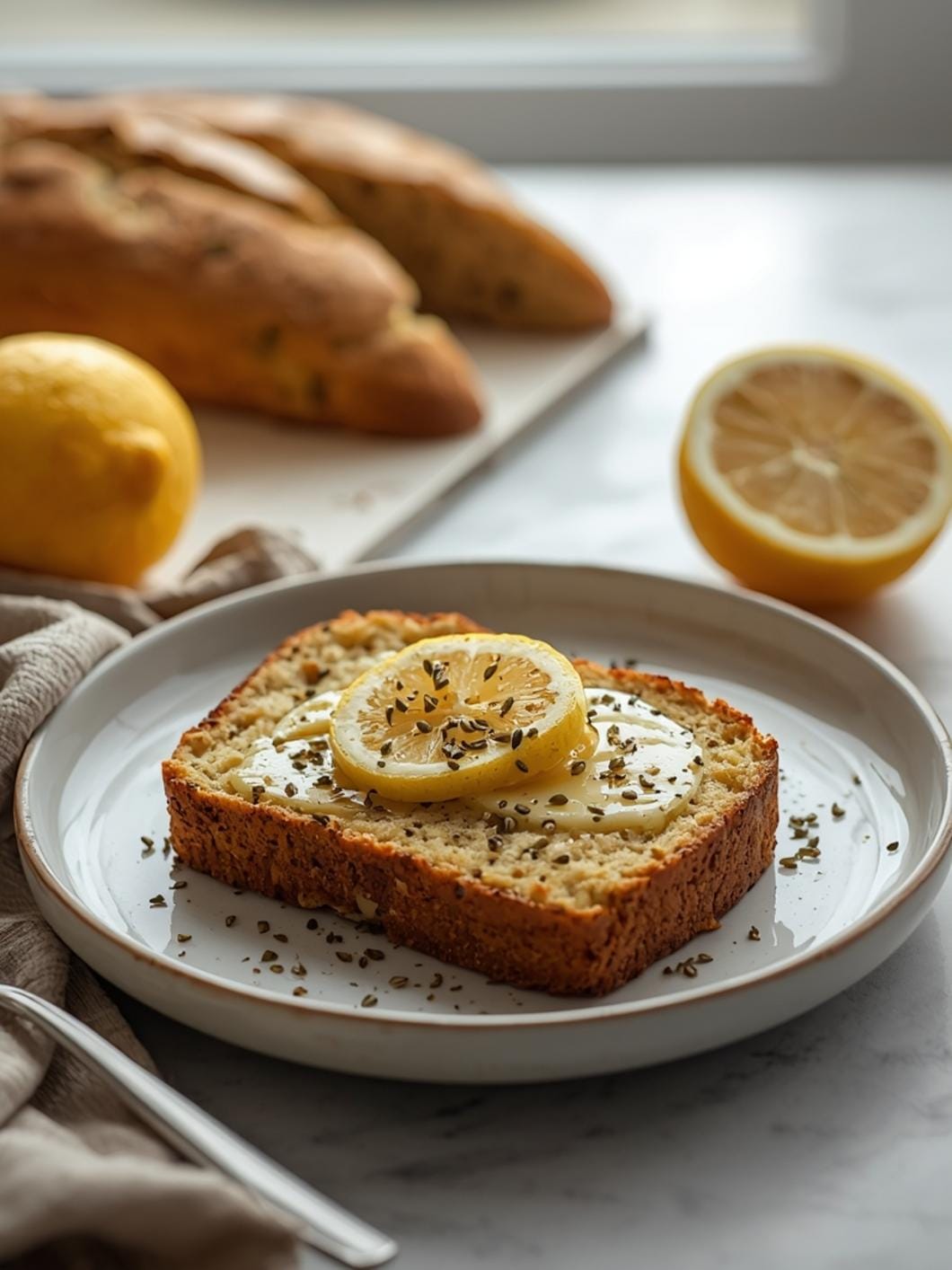
There’s something incredibly satisfying about a homemade sourdough loaf, and when you can infuse it with bright, fresh flavors, it becomes an instant favorite.
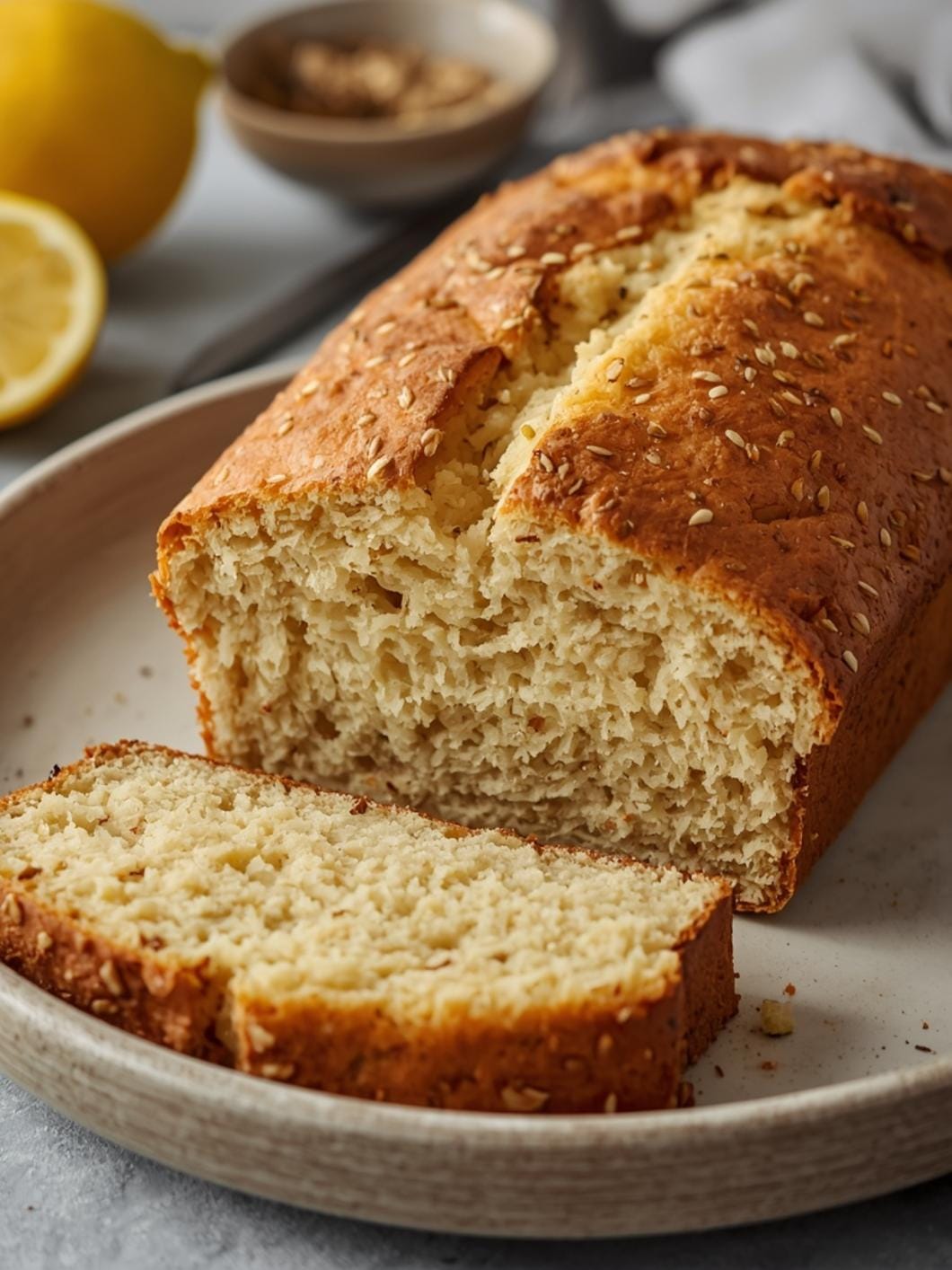
This lemon poppy seed sourdough loaf is a fantastic way to elevate your baking, offering a delightful balance of subtle sweetness and tangy zest. It’s a truly special bread that’s perfect for breakfast, brunch, or even as a unique side with dinner.
This recipe focuses on incorporating those wonderful lemon and poppy seed notes into your existing sourdough process, ensuring a flavorful and aromatic loaf every time. It’s a simple addition that makes a big impact, transforming a classic into something truly extraordinary.
Table of Contents
- What You’ll Love About This Quick And Easy Recipe
- Everything You Need To Make This Recipe Without Stress
- Time Needed From Start To Finish
- How To Make It Step By Step With Visual Cues
- Easy Variations And Serving Ideas That Fit Real Life
- Common Slip-Ups And How To Avoid Them
- How To Store It And Make It Ahead Without Ruining Texture
- Questions People Always Ask Before Making This Recipe

Lemon Poppy Seed Sourdough Loaf
- Total Time: Varies by sourdough recipe
- Yield: 1 loaf 1x
Description
Elevate your homemade sourdough with this delightful lemon poppy seed loaf, offering a perfect balance of subtle sweetness and tangy zest. It’s a special bread for breakfast, brunch, or as a unique side, incorporating bright flavors into your existing sourdough process for an aromatic and flavorful result.
Ingredients
Instructions
1. Prepare Your Sourdough Dough: Follow your favorite sourdough recipe up to the point of bulk fermentation. This means you’ve mixed your starter, flour, water, and salt, and the dough has begun its first rise.
2. Zest and Juice the Lemons: While your dough is in its initial bulk fermentation, zest your lemons, ensuring you only get the yellow part of the peel, avoiding the bitter white pith. Then, juice the lemons to get the required amount of fresh lemon juice.
3. Combine Inclusions: In a small bowl, gently mix the lemon zest, fresh lemon juice, poppy seeds, and optional granulated sugar. Stir until well combined. This pre-mixing helps distribute the flavors evenly.
4. Incorporate During Bulk Fermentation (First Fold): After your dough has rested for its first 30-60 minutes of bulk fermentation (typically after the first stretch and fold), gently spread the inclusion mixture over the surface of the dough. Perform your next stretch and fold, ensuring the inclusions are folded into the dough.
5. Continue Folding and Distributing: During subsequent stretch and folds (usually 2-3 more over the next few hours), continue to fold the dough, which will help further distribute the lemon and poppy seeds throughout the loaf. You’ll notice the specks of poppy seeds and zest becoming more evenly spread.
6. Shape and Proof: Once bulk fermentation is complete and your inclusions are well distributed, proceed with shaping your loaf as usual. Then, place it in a banneton or proofing basket for its final proof, either at room temperature or in the refrigerator overnight.
7. Bake Your Flavorful Loaf: Preheat your oven with your Dutch oven or baking stone. Score your loaf as desired, then bake according to your standard sourdough baking instructions until golden brown and cooked through. The kitchen will smell incredible!
8. Cool Completely: Once baked, transfer the loaf to a wire rack and allow it to cool completely before slicing. This is crucial for the crumb to set and for the flavors to fully develop.
- Prep Time: 10-20 minutes (active inclusion work)
- Cook Time: Varies by sourdough recipe
- Category: bread
- Method: baking
- Cuisine: american
Nutrition
- Serving Size: 1 slice
Keywords: sourdough, lemon, poppy seed, bread, baking, breakfast, brunch, homemade, flavorful, easy
What You’ll Love About This Quick And Easy Recipe
This recipe is a game-changer for anyone who enjoys baking sourdough and wants to add a touch of gourmet flair without a lot of extra effort. It’s perfect for home bakers who have a handle on their basic sourdough process and are looking for easy ways to experiment with inclusions. The bright lemon flavor is incredibly refreshing, making this loaf a wonderful choice for spring and summer mornings, but honestly, its uplifting taste is welcome any time of year. Imagine a slice toasted with a smear of cream cheese, or as an accompaniment to a light salad. It’s also a fantastic bread to bring to a potluck or brunch gathering, as it always impresses with its unique flavor profile and beautiful appearance. This recipe works because it takes a familiar comfort food – sourdough – and gives it an exciting, yet approachable, twist that appeals to a wide range of palates.
Everything You Need To Make This Recipe Without Stress
Gathering your ingredients before you start baking makes the whole process smoother and more enjoyable. This recipe uses straightforward components that are easy to find and integrate into your sourdough routine.
INGREDIENTS:
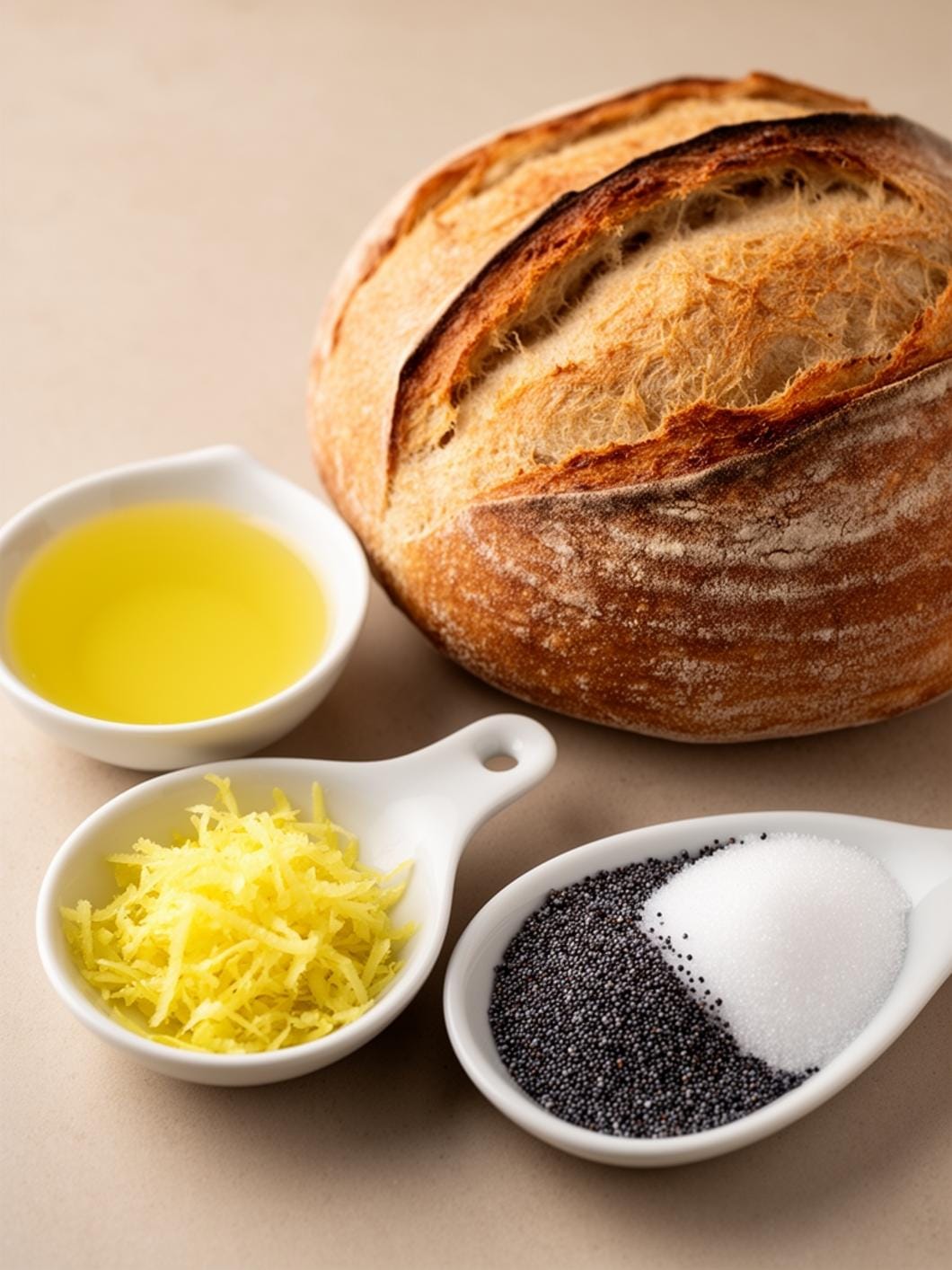
- 1 standard sourdough loaf (your preferred recipe for a single loaf)
- 1 tablespoon lemon zest (from about 1-2 medium lemons)
- 2 tablespoons fresh lemon juice
- 2 tablespoons poppy seeds
- 1/4 cup granulated sugar (optional, for a slightly sweeter loaf)
For your standard sourdough loaf, make sure you have your active sourdough starter, bread flour, water, and salt ready according to your usual recipe. The quality of your lemons will significantly impact the flavor, so choose bright, firm lemons with unblemished skin. If you don’t have granulated sugar on hand, you can omit it for a less sweet, more savory loaf, or use a touch of honey or maple syrup if you prefer a liquid sweetener, though this might slightly alter the dough’s hydration. Ensure your poppy seeds are fresh for the best flavor and texture; old poppy seeds can taste stale.
Time Needed From Start To Finish
This recipe primarily involves adding inclusions to your existing sourdough process, so the overall time will largely depend on your sourdough schedule. However, the active time for incorporating the lemon and poppy seeds is quite minimal.
- Preparation Time for Inclusions: 5-10 minutes (for zesting, juicing, and measuring)
- Incorporation Time: 5-10 minutes (during your dough’s bulk fermentation or shaping stage)
- Total Time (Active Inclusion Work): Approximately 10-20 minutes
Remember, the bulk of the time will be spent on your sourdough’s fermentation, proofing, and baking, which varies by recipe. This timing refers specifically to the additional steps for the lemon poppy seed elements.
How To Make It Step By Step With Visual Cues

Integrating these delicious flavors into your sourdough is a simple process. The key is to add them at the right stage to ensure even distribution without compromising your dough’s structure.
- Prepare Your Sourdough Dough: Follow your favorite sourdough recipe up to the point of bulk fermentation. This means you’ve mixed your starter, flour, water, and salt, and the dough has begun its first rise.
- Zest and Juice the Lemons: While your dough is in its initial bulk fermentation, zest your lemons, ensuring you only get the yellow part of the peel, avoiding the bitter white pith. Then, juice the lemons to get the required amount of fresh lemon juice.
- Combine Inclusions: In a small bowl, gently mix the lemon zest, fresh lemon juice, poppy seeds, and optional granulated sugar. Stir until well combined. This pre-mixing helps distribute the flavors evenly.
- Incorporate During Bulk Fermentation (First Fold): After your dough has rested for its first 30-60 minutes of bulk fermentation (typically after the first stretch and fold), gently spread the inclusion mixture over the surface of the dough. Perform your next stretch and fold, ensuring the inclusions are folded into the dough.
- Continue Folding and Distributing: During subsequent stretch and folds (usually 2-3 more over the next few hours), continue to fold the dough, which will help further distribute the lemon and poppy seeds throughout the loaf. You’ll notice the specks of poppy seeds and zest becoming more evenly spread.
- Shape and Proof: Once bulk fermentation is complete and your inclusions are well distributed, proceed with shaping your loaf as usual. Then, place it in a banneton or proofing basket for its final proof, either at room temperature or in the refrigerator overnight.
- Bake Your Flavorful Loaf: Preheat your oven with your Dutch oven or baking stone. Score your loaf as desired, then bake according to your standard sourdough baking instructions until golden brown and cooked through. The kitchen will smell incredible!
- Cool Completely: Once baked, transfer the loaf to a wire rack and allow it to cool completely before slicing. This is crucial for the crumb to set and for the flavors to fully develop.
Easy Variations And Serving Ideas That Fit Real Life
This lemon poppy seed sourdough is wonderfully versatile. For a slightly different twist, you could add a teaspoon of vanilla extract to the inclusion mixture for a warmer, more cake-like flavor. If you enjoy nuts, a quarter cup of finely chopped slivered almonds could be added along with the poppy seeds for extra crunch and a complementary flavor profile. For a sweeter loaf, you could increase the granulated sugar to 1/2 cup or drizzle a simple lemon glaze (powdered sugar mixed with lemon juice) over the cooled loaf.
This bread is fantastic on its own, but it truly shines when paired with certain foods. It makes an incredible breakfast toast, especially with butter, cream cheese, or a light fruit jam. For brunch, serve it alongside fresh fruit, yogurt, and perhaps some scrambled eggs. It also pairs surprisingly well with roasted chicken or fish, offering a bright counterpoint to savory dishes. Kids often enjoy the subtle sweetness and unique texture; try serving it with a side of honey or a fruit spread for a fun snack.
Common Slip-Ups And How To Avoid Them
Even experienced bakers can encounter small challenges, especially when introducing new elements to a familiar recipe. Here are a few common pitfalls and how to steer clear of them.
- Uneven Inclusion Distribution: If you dump all the inclusions in at once without spreading them, they might clump together in one part of the dough. To avoid this, spread the mixture evenly over the dough surface before performing your stretch and fold, and ensure you continue to fold the dough thoroughly during bulk fermentation.
- Over-Zesting: Zesting too deeply can incorporate the white pith, which is bitter and can negatively impact the flavor of your loaf. Use a microplane or fine grater and only remove the bright yellow part of the lemon peel.
- Too Much Lemon Juice: While lemon juice adds flavor, too much liquid can alter your dough’s hydration, making it sticky and harder to handle. Stick to the recommended amount of fresh lemon juice to maintain the dough’s consistency.
- Skipping the Cooling Step: It’s tempting to slice into a warm, aromatic loaf, but cutting sourdough before it’s fully cooled can result in a gummy texture. The internal structure of the bread is still setting as it cools, so patience is key for the best crumb.
- Stale Poppy Seeds: Poppy seeds can lose their flavor and become bitter if they are old. Always check the expiration date and smell your poppy seeds before using them to ensure they are fresh and fragrant.
How To Store It And Make It Ahead Without Ruining Texture
Proper storage is key to enjoying your lemon poppy seed sourdough for as long as possible. Once completely cooled, store the loaf at room temperature in a bread box, a clean kitchen towel, or a paper bag for 2-3 days. This helps maintain its crusty exterior and soft interior. For longer storage, you can slice the loaf and freeze individual slices in an airtight freezer bag for up to 2-3 months. When ready to eat, simply toast directly from frozen.
To make ahead, the beauty of sourdough is that much of the work is already done in advance through its slow fermentation. You can prepare and proof the dough (with inclusions) in your banneton and then place it in the refrigerator for a cold proof overnight (8-12 hours). This not only develops more flavor but also allows you to bake a fresh loaf whenever you’re ready. Simply take it straight from the fridge to the hot Dutch oven for baking.
Questions People Always Ask Before Making This Recipe
Here are some common questions that arise when baking this delightful lemon poppy seed sourdough loaf.
- **Can I use dried lemon peel instead of fresh zest
FAQs
- Can I make these ahead? Yes—prep ahead, refrigerate, then serve when ready.
- How long do leftovers last? Store covered in the fridge for 3–4 days for best texture.
- Can I adjust sweetness? Yes—add more or less sweetener to taste.
- Can I change the fruit? Yes—swap strawberries for blueberries, raspberries, or sliced banana.