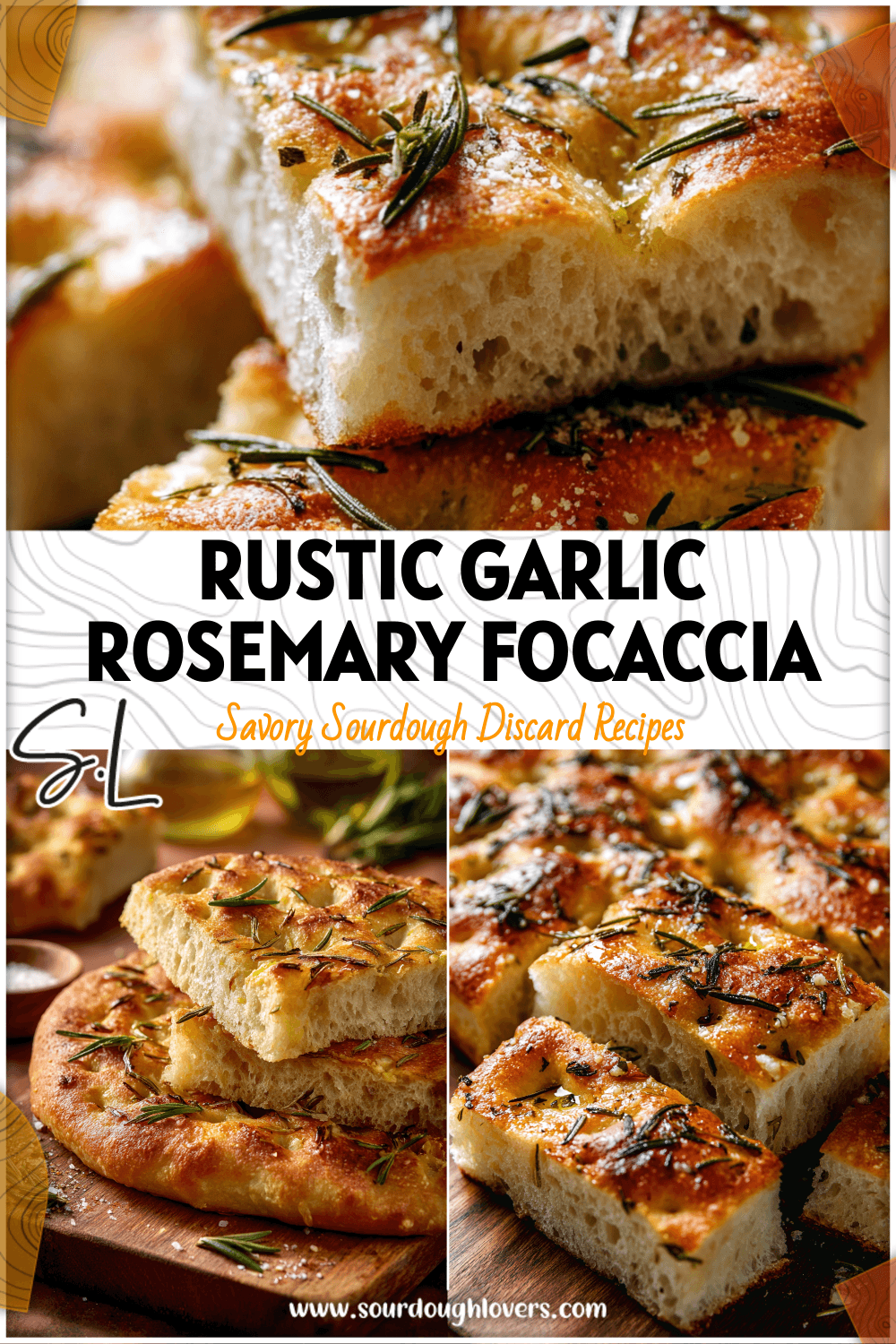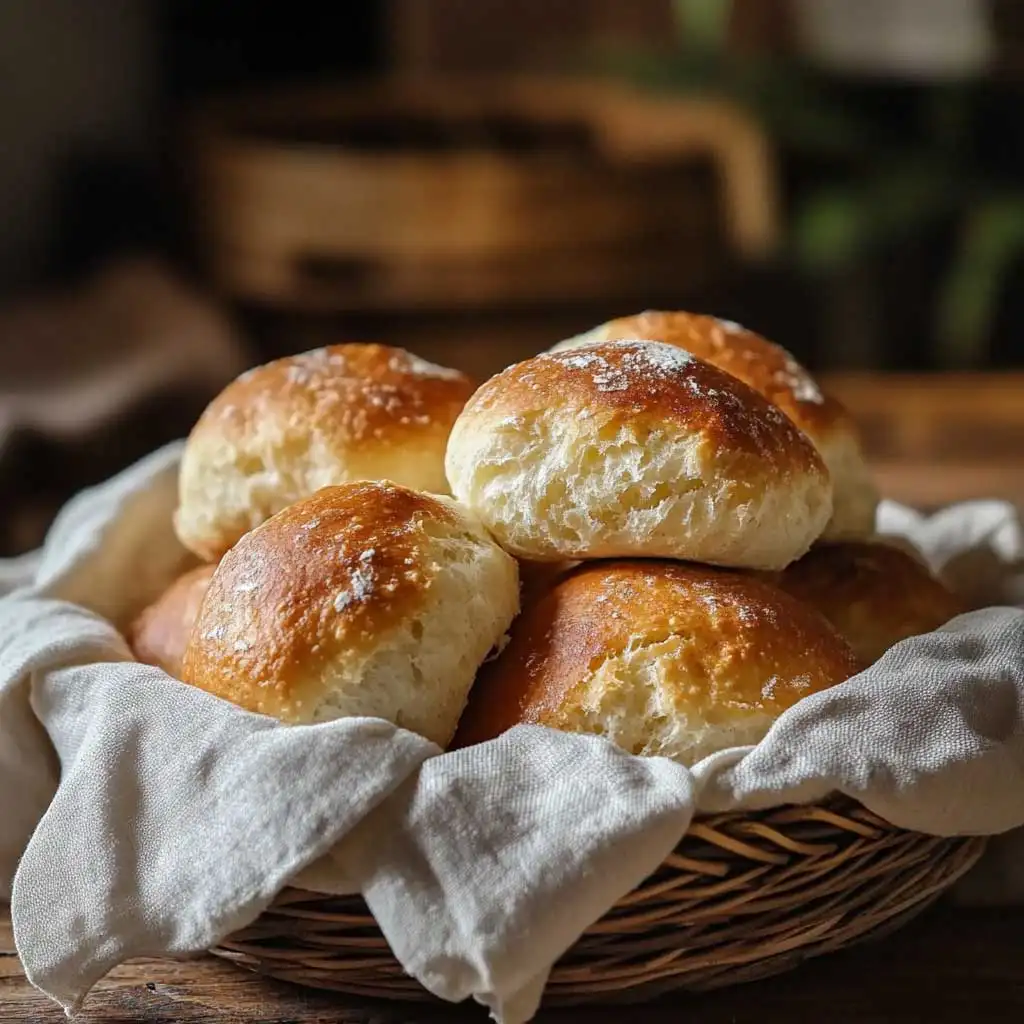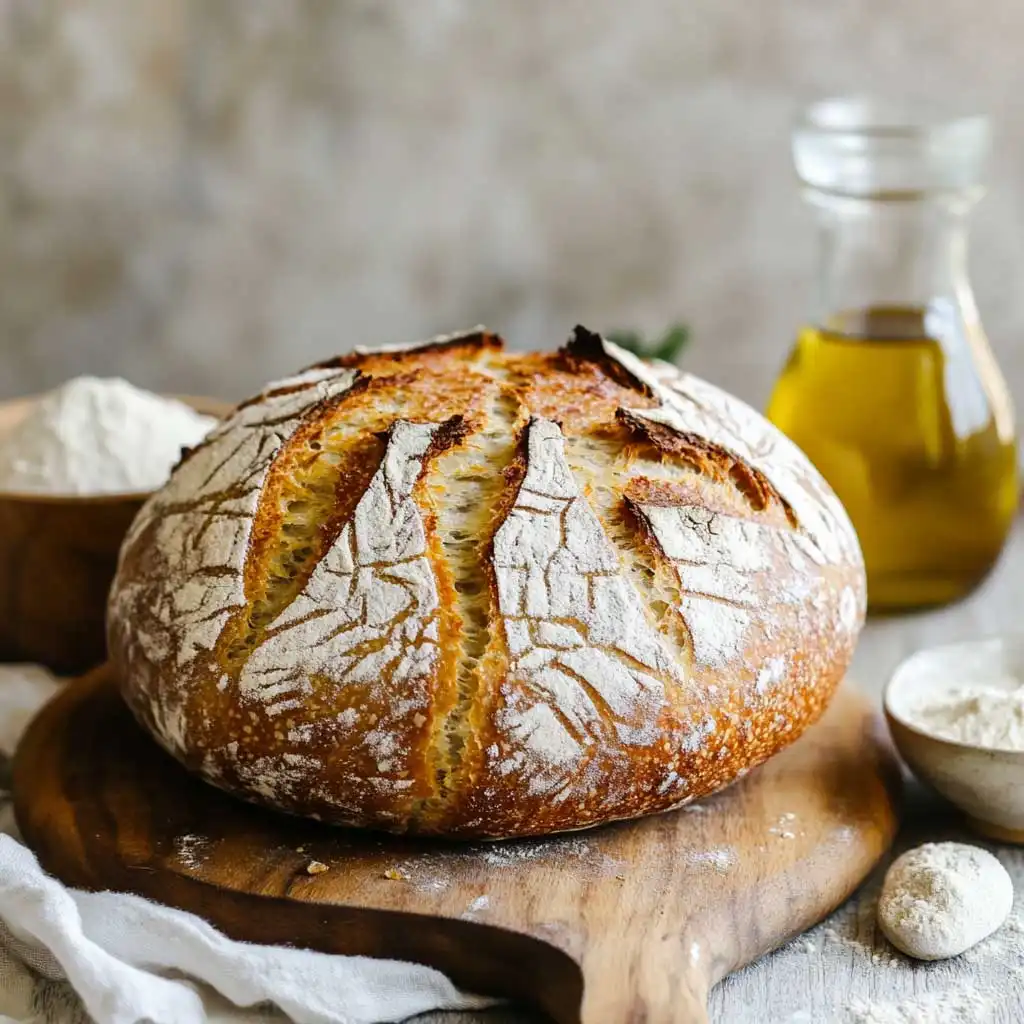

There’s nothing quite like the aroma of freshly baked bread filling your kitchen, especially when it’s as effortless and delicious as this easy sourdough garlic herb skillet bread. This recipe is designed for simplicity, allowing you to enjoy the wonderful flavors of homemade bread without the fuss of traditional kneading or complex techniques.

Perfect for a cozy family dinner or a casual gathering, this no-knead bread comes out of your cast iron Dutch oven with a beautifully crisp crust and a soft, flavorful interior. Get ready to impress yourself and your loved ones with minimal effort!
Table of Contents
- What You’ll Love About This Quick And Easy Recipe
- Everything You Need To Make This Recipe Without Stress
- Time Needed From Start To Finish
- How To Make It Step By Step With Visual Cues
- Easy Variations And Serving Ideas That Fit Real Life
- Common Slip-Ups And How To Avoid Them
- How To Store It And Make It Ahead Without Ruining Texture

Easy Sourdough Garlic Herb Skillet Bread
- Total Time: 9-13 hours (mostly hands-off)
- Yield: 1 loaf 1x
Description
This no-knead garlic herb skillet bread is incredibly easy to make, yielding a crisp crust and soft, flavorful interior. Perfect for any meal, it requires minimal active time and uses a Dutch oven for best results.
Ingredients
Instructions
1. 1. Combine Dry Ingredients: In a large mixing bowl, whisk together the all-purpose flour, salt, and active dry yeast until well combined. Make sure there are no clumps of yeast or salt.
2. 2. Add Wet Ingredients and Form Dough: Pour the warm water into the dry ingredients. Using a wooden spoon or a sturdy spatula, mix until a shaggy, sticky dough forms. Don’t overmix; just ensure all the flour is incorporated. The dough will be very wet and loose, not smooth like traditional bread dough.
3. 3. First Rise (Overnight Magic): Cover the bowl tightly with plastic wrap. Let the dough rise at room temperature (ideally around 70-75 F) for 8 to 12 hours, or even overnight. It should at least double in size and have bubbles on the surface. This long, slow rise is what develops the sourdough-like flavor without actual sourdough starter.
4. 4. Prepare for Baking and Infuse Flavor: About 30 minutes before you’re ready to bake, place your empty cast iron Dutch oven with its lid into your oven and preheat it to 450 F (230 C). While the oven preheats, gently scrape the risen dough onto a lightly floured surface. In a small bowl, combine the 2 tablespoons of olive oil, minced garlic, chopped rosemary, chopped thyme, and black pepper. Gently pour this herb mixture over the dough.
5. 5. Shape and Transfer: With floured hands, gently fold the edges of the dough towards the center a few times to incorporate the herbs and form a rough ball. Try not to deflate it too much. Carefully remove the hot Dutch oven from the oven (use oven mitts!). Lightly grease the bottom with a tiny bit of olive oil or parchment paper if you’re worried about sticking. Carefully transfer the dough ball into the hot Dutch oven.
6. 6. Bake to Golden Perfection: Place the lid back on the Dutch oven and bake for 30 minutes. This traps the steam, creating that wonderful crust. After 30 minutes, remove the lid and continue baking for another 15-25 minutes, or until the crust is deeply golden brown and sounds hollow when tapped. If desired, sprinkle with flaky sea salt during the last few minutes of baking.
7. 7. Cool Before Slicing: Carefully remove the bread from the Dutch oven and place it on a wire rack to cool completely for at least 30-60 minutes before slicing. This allows the internal structure to set and prevents a gummy texture.
- Prep Time: 15 minutes
- Cook Time: 45-55 minutes
- Category: bread
- Method: baking
- Cuisine: american
Nutrition
- Serving Size: 1 slice
Keywords: no-knead, skillet bread, garlic herb, dutch oven, homemade bread, easy bread, sourdough flavor, rosemary thyme, side dish, comfort food
What You’ll Love About This Quick And Easy Recipe
This recipe is a true gem for anyone who loves the idea of homemade bread but doesn’t have hours to dedicate to the process. It’s perfect for busy parents, beginner bakers, or anyone looking for a satisfying side dish that feels gourmet but is incredibly simple to execute. The no-knead method means you just mix, let it rise, and bake – no heavy lifting required. The cast iron Dutch oven is key here, creating a steamy environment that gives the bread its signature chewy interior and wonderfully crusted exterior. Serve this warm with soups, stews, pasta dishes, or simply with a good quality olive oil for dipping. It’s also fantastic alongside a cheese board for a casual get-together.
Everything You Need To Make This Recipe Without Stress
Gathering your ingredients before you start makes the baking process smooth and enjoyable. You’ll find that many of these items are likely already in your pantry, making this a convenient recipe to whip up on short notice. The beauty of this bread lies in its simple, wholesome components that come together to create something truly special.
INGREDIENTS:

- 3 cups all-purpose flour
- 1 ½ teaspoons salt
- 1 teaspoon active dry yeast
- 1 ½ cups warm water (around 105-115°F)
- 2 tablespoons olive oil, plus more for greasing
- 2 cloves garlic, minced
- 1 tablespoon fresh rosemary, finely chopped
- 1 tablespoon fresh thyme, finely chopped
- ½ teaspoon black pepper
- Optional: flaky sea salt for sprinkling
For the flour, standard all-purpose flour works perfectly. If you want to experiment, you can try a blend of all-purpose and bread flour for a slightly chewier texture, but it’s not necessary. When it comes to yeast, active dry yeast is specified, but instant yeast can also be used; just skip the step of proofing it in water and add it directly to the dry ingredients. Fresh herbs are highly recommended for the best flavor, but if you only have dried, use about one-third of the amount (e.g., 1 teaspoon dried rosemary for 1 tablespoon fresh). Good quality olive oil will also make a difference in the overall taste.
Time Needed From Start To Finish
This recipe is designed for minimal active work, but it does require some patience for the dough to rise.
- Prep Time: 15 minutes (active mixing and seasoning)
- Rise Time: 8-12 hours (or overnight)
- Preheat Time: 30 minutes (for the Dutch oven)
- Cook Time: 45-55 minutes
- Total Time: Approximately 9-13 hours (mostly hands-off)
While the total time looks long, most of it is inactive waiting for the dough to develop its flavor and rise. Your actual hands-on time is very brief, making it a perfect recipe to start the night before for fresh bread the next day.
How To Make It Step By Step With Visual Cues
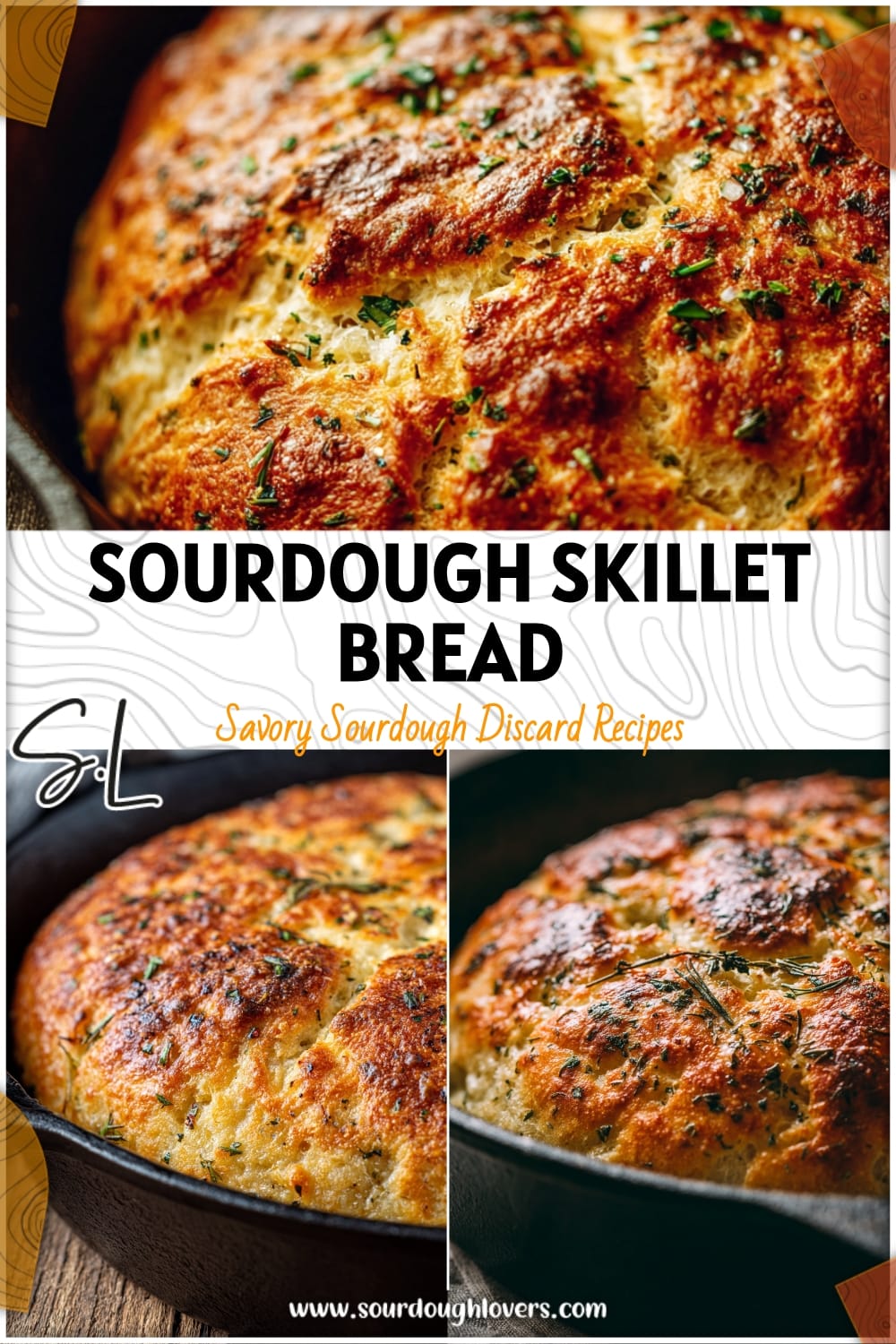
Creating this delicious bread is surprisingly straightforward. Follow these steps for a perfect loaf every time.
- Combine Dry Ingredients: In a large mixing bowl, whisk together the all-purpose flour, salt, and active dry yeast until well combined. Make sure there are no clumps of yeast or salt.
- Add Wet Ingredients and Form Dough: Pour the warm water into the dry ingredients. Using a wooden spoon or a sturdy spatula, mix until a shaggy, sticky dough forms. Don’t overmix; just ensure all the flour is incorporated. The dough will be very wet and loose, not smooth like traditional bread dough.
- First Rise (Overnight Magic): Cover the bowl tightly with plastic wrap. Let the dough rise at room temperature (ideally around 70-75°F) for 8 to 12 hours, or even overnight. It should at least double in size and have bubbles on the surface. This long, slow rise is what develops the sourdough-like flavor without actual sourdough starter.
- Prepare for Baking and Infuse Flavor: About 30 minutes before you’re ready to bake, place your empty cast iron Dutch oven with its lid into your oven and preheat it to 450°F (230°C). While the oven preheats, gently scrape the risen dough onto a lightly floured surface. In a small bowl, combine the 2 tablespoons of olive oil, minced garlic, chopped rosemary, chopped thyme, and black pepper. Gently pour this herb mixture over the dough.
- Shape and Transfer: With floured hands, gently fold the edges of the dough towards the center a few times to incorporate the herbs and form a rough ball. Try not to deflate it too much. Carefully remove the hot Dutch oven from the oven (use oven mitts!). Lightly grease the bottom with a tiny bit of olive oil or parchment paper if you’re worried about sticking. Carefully transfer the dough ball into the hot Dutch oven.
- Bake to Golden Perfection: Place the lid back on the Dutch oven and bake for 30 minutes. This traps the steam, creating that wonderful crust. After 30 minutes, remove the lid and continue baking for another 15-25 minutes, or until the crust is deeply golden brown and sounds hollow when tapped. If desired, sprinkle with flaky sea salt during the last few minutes of baking.
- Cool Before Slicing: Carefully remove the bread from the Dutch oven and place it on a wire rack to cool completely for at least 30-60 minutes before slicing. This allows the internal structure to set and prevents a gummy texture.
Easy Variations And Serving Ideas That Fit Real Life
This versatile bread can be adapted to suit many tastes and occasions. For a kid-friendly version, you might reduce the amount of garlic and herbs, or even omit them and serve with a side of garlic butter for dipping.
- Cheese Please: Add ½ cup of shredded Parmesan or Gruyere cheese to the dough along with the herbs for a cheesy twist.
- Spicy Kick: A pinch of red pepper flakes mixed in with the herbs will give it a subtle warmth.
- Onion Lover’s Delight: Sautéed caramelized onions (about ½ cup) can be folded into the dough at the same time as the herbs for a savory, sweet addition.
- Different Herbs: Feel free to swap rosemary and thyme for other fresh herbs like oregano, chives, or parsley.
- Serving Suggestions: This bread is phenomenal with a hearty beef stew, a creamy tomato soup, or alongside a simple green salad with vinaigrette. It also makes incredible sandwiches or toast. For a party, slice it and serve with a variety of dips like hummus, baba ghanoush, or a classic olive tapenade.
Common Slip-Ups And How To Avoid Them
Even with a simple recipe, a few common mistakes can impact your results. Being aware of these can help you achieve perfect bread every time.
- Water Temperature Too Hot or Cold: If your water is too hot, it can kill the yeast, preventing your dough from rising. If it’s too cold, the yeast won’t activate properly. Aim for warm, not hot, water – around 105-115°F (40-46°C). You should be able to comfortably put your finger in it.
- Overworking the Dough: This is a no-knead bread for a reason! Overmixing or aggressively handling the dough will develop gluten too much, leading to a tougher, less airy crumb. Be gentle when incorporating ingredients and shaping.
- Not Letting the Dough Rise Long Enough: The long rise is crucial for flavor development and texture. Don’t rush it. If your kitchen is cool, it might take closer to 12 hours or even a bit longer. Look for visual cues like doubling in size and surface bubbles.
- Not Preheating the Dutch Oven: Placing the dough into a cold Dutch oven will result in a less crispy crust. The extreme heat of a preheated Dutch oven creates an immediate burst of steam, which is essential for that beautiful crust and oven spring.
- Cutting Into Hot Bread: It’s tempting to slice into a warm loaf, but resist the urge! The bread is still cooking internally as it cools. Cutting it too soon can lead to a gummy texture. Let it cool on a wire rack for at least 30-60 minutes.
How To Store It And Make It Ahead Without Ruining Texture
Proper storage ensures your delicious bread stays fresh for as long as possible.
- Storing Leftovers: Once completely cooled, store the bread at room temperature in an airtight container, a bread box, or a paper bag inside a plastic bag.

FAQs
- Can I make these ahead? Yes—prep ahead, refrigerate, then serve when ready.
- How long do leftovers last? Store covered in the fridge for 3–4 days for best texture.
- Can I adjust sweetness? Yes—add more or less sweetener to taste.
- Can I change the fruit? Yes—swap strawberries for blueberries, raspberries, or sliced banana.