
Get ready to revolutionize your mealtime with this incredibly simple yet utterly delicious sourdough veggie flatbread! This recipe is a game-changer for anyone looking for a quick, healthy, and satisfying dish that doesn’t compromise on flavor or texture.

Using just three core ingredients, you can whip up a fluffy, vegan flatbread packed with your favorite vegetables. It’s perfect for those busy weeknights when you need something fast, or for a light and wholesome lunch that will keep you feeling great.
Table of Contents
- What You’ll Love About This Quick And Easy Recipe
- Everything You Need To Make This Recipe Without Stress
- Time Needed From Start To Finish
- How To Make It Step By Step With Visual Cues
- Easy Variations And Serving Ideas That Fit Real Life
- Common Slip-Ups And How To Avoid Them
- How To Store It And Make It Ahead Without Ruining Texture

Sourdough Veggie Flatbread
- Total Time: 25-30 minutes
- Yield: 2 flatbreads 1x
Description
This incredibly simple yet utterly delicious sourdough veggie flatbread is a game-changer for anyone looking for a quick, healthy, and satisfying dish that doesn’t compromise on flavor or texture. Using just three core ingredients, you can whip up a fluffy, vegan flatbread packed with your favorite vegetables. It’s perfect for those busy weeknights when you need something fast, or for a light and wholesome lunch that will keep you feeling great.
Ingredients
Instructions
1. 1. Prepare the Batter: In a medium-sized mixing bowl, combine the chickpea flour and salt. Gradually whisk in the water until you have a smooth batter with no lumps. The consistency should be similar to a thin pancake batter.
2. 2. Add the Vegetables: Gently fold in your chosen mixed chopped vegetables into the batter. Ensure they are evenly distributed throughout. This step adds both flavor and texture to your flatbread.
3. 3. Heat the Pan: Place a large non-stick skillet or cast-iron pan over medium heat. Add about half a tablespoon of olive oil and let it heat up until it shimmers slightly.
4. 4. Pour the Batter: Once the pan is hot, pour about half of the batter into the skillet. Immediately spread it out evenly with the back of a spoon or by tilting the pan to form a round flatbread, about 1/2 inch thick.
5. 5. Cook the First Side: Cook for 7-10 minutes, or until the edges begin to set, the surface looks mostly dry, and you see small bubbles forming. The bottom should be golden brown and easily release from the pan.
6. 6. Flip and Cook the Second Side: Carefully slide a spatula under the flatbread and flip it over. Cook for another 5-7 minutes on the second side, until it’s also golden brown and cooked through.
7. 7. Repeat and Serve: Remove the cooked flatbread from the pan and set it aside. Add the remaining olive oil to the pan and repeat with the rest of the batter. Once both flatbreads are cooked, slice them into wedges and serve warm.
- Prep Time: 10 minutes
- Cook Time: 15-20 minutes
- Category: main dish
- Method: pan-fried
- Cuisine: vegan
Nutrition
- Serving Size: 1 flatbread
Keywords: vegan, flatbread, chickpea flour, vegetable, quick, healthy, plant-based, easy, savory, weeknight
What You’ll Love About This Quick And Easy Recipe
This recipe is a true lifesaver for busy individuals and families alike. What’s not to love about a dish that comes together with minimal effort but delivers maximum taste? It’s naturally vegan, making it a fantastic option for plant-based eaters or anyone looking to incorporate more meat-free meals into their diet. The use of chickpea flour not only provides a wonderful, slightly nutty flavor but also adds a good source of protein and fiber, making this flatbread surprisingly filling and nutritious. It’s incredibly versatile, serving as a blank canvas for whatever vegetables you have on hand, reducing food waste and encouraging creativity in the kitchen. Whether you’re serving it as a light dinner, a hearty lunch, or even a unique appetizer, this flatbread is sure to be a hit with its fluffy texture and fresh flavors.
Everything You Need To Make This Recipe Without Stress
Gathering your ingredients for this flatbread is a breeze, as the list is wonderfully short and sweet. The beauty of this recipe lies in its simplicity, relying on just a few key components to create a flavorful and satisfying meal.
INGREDIENTS:

- 1 cup chickpea flour (also known as gram flour or besan)
- 1 cup water
- 1/2 teaspoon salt
- 1 cup mixed chopped vegetables (such as bell peppers, spinach, zucchini, or mushrooms)
- 1 tablespoon olive oil (for cooking)
After you’ve got your main ingredients, you can easily play around with simple substitutions to fit what you have in your pantry or your dietary preferences. For the chickpea flour, there isn’t a direct substitute that will yield the exact same texture and flavor, as it’s central to the recipe’s structure. However, for the vegetables, feel free to use any combination you enjoy. Spinach, finely diced onions, grated carrots, or even corn kernels work wonderfully. Just ensure they are chopped small enough to cook through quickly within the flatbread. If you prefer a little spice, a pinch of black pepper or red pepper flakes can be added to the batter. For a richer flavor, you can swap a portion of the water for unsweetened plant-based milk, though water works perfectly fine.
Time Needed From Start To Finish
One of the biggest advantages of this sourdough veggie flatbread is how quickly it comes together, making it an ideal choice for those hectic days when time is of the essence.
- Prep time: 10 minutes
- Cook time: 15-20 minutes
- Total time: 25-30 minutes
This realistic timeline ensures you can have a fresh, homemade meal on the table without feeling rushed or overwhelmed, perfect for a weeknight dinner or a speedy weekend lunch.
How To Make It Step By Step With Visual Cues
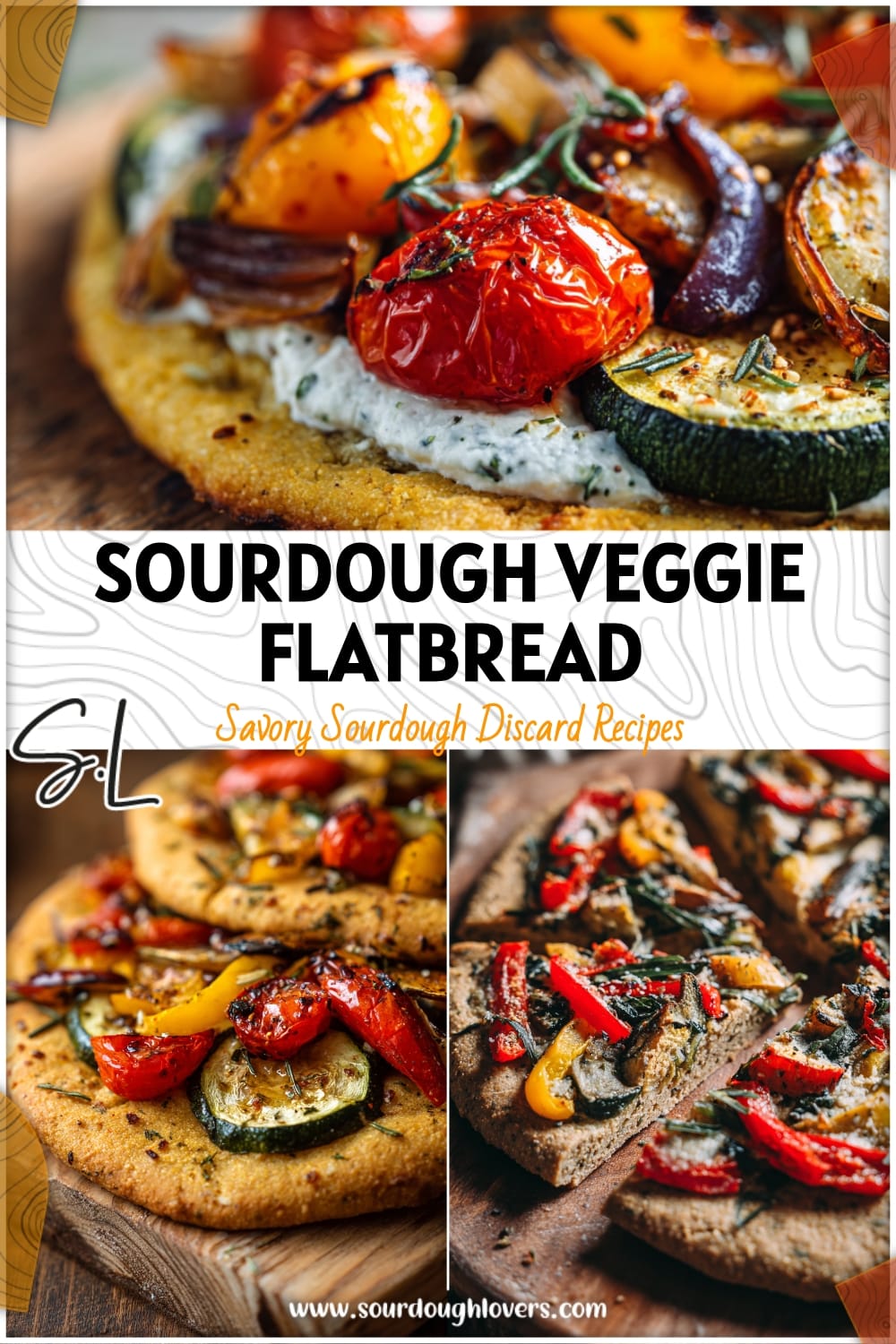
Making this chickpea flour flatbread is incredibly straightforward. Follow these simple steps to achieve a perfectly fluffy and delicious result every time.
- Prepare the Batter: In a medium-sized mixing bowl, combine the chickpea flour and salt. Gradually whisk in the water until you have a smooth batter with no lumps. The consistency should be similar to a thin pancake batter.
- Add the Vegetables: Gently fold in your chosen mixed chopped vegetables into the batter. Ensure they are evenly distributed throughout. This step adds both flavor and texture to your flatbread.
- Heat the Pan: Place a large non-stick skillet or cast-iron pan over medium heat. Add about half a tablespoon of olive oil and let it heat up until it shimmers slightly.
- Pour the Batter: Once the pan is hot, pour about half of the batter into the skillet. Immediately spread it out evenly with the back of a spoon or by tilting the pan to form a round flatbread, about 1/2 inch thick.
- Cook the First Side: Cook for 7-10 minutes, or until the edges begin to set, the surface looks mostly dry, and you see small bubbles forming. The bottom should be golden brown and easily release from the pan.
- Flip and Cook the Second Side: Carefully slide a spatula under the flatbread and flip it over. Cook for another 5-7 minutes on the second side, until it’s also golden brown and cooked through.
- Repeat and Serve: Remove the cooked flatbread from the pan and set it aside. Add the remaining olive oil to the pan and repeat with the rest of the batter. Once both flatbreads are cooked, slice them into wedges and serve warm.
Easy Variations And Serving Ideas That Fit Real Life
This sourdough veggie flatbread is incredibly versatile, making it easy to adapt to different tastes and occasions. For a kid-friendly twist, try using finely grated zucchini and carrots, which blend seamlessly into the batter. You can also add a sprinkle of nutritional yeast to the batter for a cheesy flavor that kids often love.
When it comes to serving, the possibilities are endless. It makes a fantastic light lunch on its own, perhaps with a side salad. For dinner, pair it with a bowl of lentil soup or a fresh green salad. It’s also excellent as an appetizer for parties or buffets; simply cut it into smaller squares or triangles.
- Fresh Herbs: A sprinkle of fresh cilantro, parsley, or chives after cooking adds a burst of freshness.
- Dips: Serve with a dollop of hummus, a spoonful of dairy-free yogurt dip, or a vibrant pesto.
- Avocado: Sliced or mashed avocado on top adds a creamy texture and healthy fats.
- Spicy Kick: A drizzle of sriracha or a sprinkle of red pepper flakes can provide a pleasant heat.
- Lemon Wedge: A squeeze of fresh lemon juice brightens all the flavors.
Common Slip-Ups And How To Avoid Them
Even the simplest recipes can have a few common pitfalls, but with a little guidance, you can easily avoid them and ensure your sourdough veggie flatbread turns out perfectly every time.
- Lumpy Batter: If your batter is lumpy, it means the chickpea flour hasn’t fully dissolved. To avoid this, gradually add the water to the flour while continuously whisking. A fine-mesh sieve can also be used to strain the batter if lumps persist, ensuring a smooth consistency.
- Flatbread Sticking to the Pan: This usually happens if your pan isn’t hot enough or if you haven’t used enough oil. Make sure your non-stick skillet is properly preheated and that you’ve added a tablespoon of olive oil before pouring the batter. Don’t try to flip the flatbread too soon; let it cook until the edges are set and it releases easily from the bottom.
- Undercooked Center: If your flatbread is golden brown on the outside but still gooey in the middle, it likely means your heat was too high, causing the outside to cook too quickly. Reduce the heat to medium and allow it to cook longer on each side, ensuring the inside has enough time to set.
- Overcrowding the Pan: Trying to cook too much batter at once can lead to uneven cooking and difficulty flipping. Stick to cooking one flatbread at a time in a standard-sized skillet to ensure even heat distribution and easier handling.
- Too Many Wet Vegetables: While vegetables are great, using too many high-water content vegetables (like zucchini or mushrooms) without properly draining them can make the batter too thin and the flatbread soggy. If using such vegetables, consider lightly sautéing them beforehand to remove excess moisture, or simply use them in moderation.
How To Store It And Make It Ahead Without Ruining Texture
This sourdough veggie flatbread is best enjoyed fresh, but you can certainly store leftovers or prepare components in advance to make meal prep even quicker.
To store cooked flatbread: Allow it to cool completely to room temperature. Wrap individual pieces tightly in plastic wrap or aluminum foil, or place them in an airtight container. Store in the refrigerator for up to 3-4 days.
To reheat: For best results, reheat the flatbread in a dry skillet over medium heat for a few minutes per side until warmed through and slightly crispy. You can also use a toaster oven or a regular oven at 350°F (175°C) for about 5-7 minutes. Microwaving is an option for speed, but it may result in a softer, less crispy texture.
To make ahead: While the flatbread itself is quick to cook, you can prepare the vegetable mixture in advance. Chop and mix your desired vegetables and store them in an airtight container in the refrigerator for up to 2 days. When you’re ready to cook, simply whisk together the chickpea flour batter, add the pre-chopped vegetables, and proceed with the cooking steps. This cuts

FAQs
- Can I make these ahead? Yes—prep ahead, refrigerate, then serve when ready.
- How long do leftovers last? Store covered in the fridge for 3–4 days for best texture.
- Can I adjust sweetness? Yes—add more or less sweetener to taste.
- Can I change the fruit? Yes—swap strawberries for blueberries, raspberries, or sliced banana.