
Creating your own sourdough pizza dough at home might sound intimidating, but it’s surprisingly straightforward and incredibly rewarding.

This recipe is designed to simplify the process, allowing you to craft a delicious, chewy crust perfect for any topping you can dream up. Whether you’re making a small personal pizza or feeding the whole family, this guide will walk you through each step with ease.
Get ready to transform your regular pizza night into something truly special with the distinct flavor and texture that only homemade sourdough can provide. It’s a fantastic way to utilize your active sourdough starter and elevate your culinary skills without a lot of fuss.
Table of Contents
- What You’ll Love About This Quick And Easy Recipe
- Everything You Need To Make This Recipe Without Stress
- Time Needed From Start To Finish
- How To Make It Step By Step With Visual Cues
- Easy Variations And Serving Ideas That Fit Real Life
- Common Slip-Ups And How To Avoid Them
- How To Store It And Make It Ahead Without Ruining Texture
- Questions People Always Ask Before Making This Recipe

Homemade Sourdough Pizza Dough
- Total Time: 6 hours to 2 days
- Yield: 2-3 pizzas 1x
Description
Craft a delicious, chewy sourdough pizza crust at home with this straightforward recipe. Perfect for any topping, this guide simplifies the process for beginners and seasoned bakers alike, transforming your pizza night with distinct sourdough flavor and texture.
Ingredients
Instructions
1. Combine Starter and Water: In a large mixing bowl, gently whisk together your active sourdough starter and the warm water until the starter is mostly dissolved and the mixture is cloudy. This ensures even distribution of the starter throughout your dough.
2. Add Flour and Salt: Add the flour and salt to the starter mixture. Use a sturdy spoon or your hands to mix until a shaggy dough forms and no dry flour remains. It will look a bit rough and sticky at this stage.
3. Incorporate Olive Oil and Knead Briefly: Drizzle the tablespoon of olive oil over the dough. Turn the dough out onto a lightly floured surface and knead for about 5-7 minutes. The dough should become smoother and more cohesive, though it doesn’t need to be perfectly smooth. You’re aiming for the ingredients to be well combined and for the dough to start developing some elasticity.
4. First Rise (Bulk Fermentation): Lightly grease your mixing bowl with a little olive oil. Place the dough in the bowl, turning it once to coat all sides. Cover the bowl tightly with plastic wrap or a damp kitchen towel. Let it rise at room temperature (ideally 70-75 F / 21-24 C) for 4-8 hours. The dough should visibly increase in size, becoming puffy and bubbly. The exact time will depend on the warmth of your kitchen and the strength of your starter.
5. Divide and Shape (or Cold Proof): Once the dough has risen, gently turn it out onto a lightly floured surface. Divide the dough into 2-3 equal portions, depending on your desired pizza size. Gently shape each portion into a tight ball. At this point, you can either proceed to make pizza immediately (allowing the dough balls to rest for 30 minutes) or place them in individual lightly oiled containers or zip-top bags and refrigerate for a cold proof.
6. Cold Proof (Optional): For enhanced flavor and easier handling, refrigerate the dough balls for 12-24 hours. This slow fermentation develops a more complex taste and a better texture. When you’re ready to make pizza, remove the dough from the refrigerator 1-2 hours before shaping to allow it to come to room temperature. This makes it much more pliable and easier to stretch.
- Prep Time: 15 minutes
- Cook Time: 10-15 minutes
- Category: main dish
- Method: baking
- Cuisine: italian
Nutrition
- Serving Size: 1 slice
Keywords: sourdough, pizza, dough, homemade, baking, crust, easy, starter, fermentation, italian
What You’ll Love About This Quick And Easy Recipe
This homemade sourdough pizza dough recipe is a game-changer for anyone who loves pizza but wants to avoid store-bought crusts or complicated baking projects. It’s perfect for busy weeknights when you want a satisfying meal without spending hours in the kitchen, or for a fun weekend activity with the kids. The beauty of using sourdough lies in the depth of flavor it adds – a subtle tanginess that pairs wonderfully with classic and innovative pizza toppings alike. This recipe is designed for beginners and seasoned bakers alike, focusing on clear, easy-to-follow instructions that guarantee a fantastic result every time. It’s also incredibly versatile, allowing you to make a single pizza or scale up for a family feast, making it an ideal choice for casual dinners, impromptu gatherings, or even a fun pizza-making party.
Everything You Need To Make This Recipe Without Stress
Gathering your ingredients before you begin is a simple way to ensure a smooth and enjoyable cooking experience. This recipe uses common pantry staples, making it accessible and budget-friendly. The most important component, of course, is an active sourdough starter, which provides the leavening and signature flavor for your dough.
INGREDIENTS:
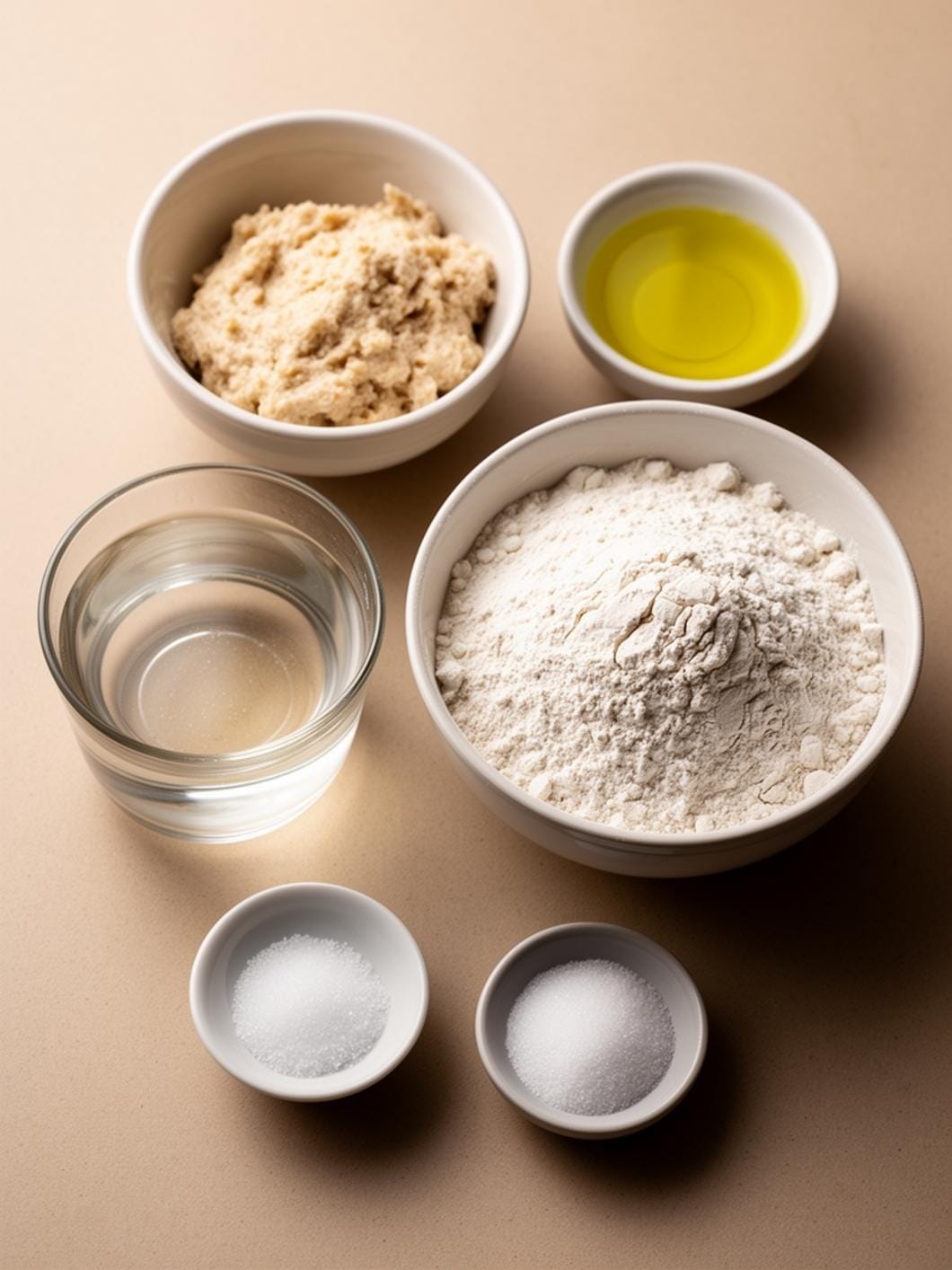
- 100 grams active sourdough starter (fed and bubbly)
- 300 grams warm water (around 90-95°F / 32-35°C)
- 500 grams all-purpose flour or bread flour
- 10 grams fine sea salt
- 1 tablespoon olive oil, plus more for greasing
For the flour, while all-purpose works perfectly fine, bread flour will give you a slightly chewier crust due to its higher protein content. Feel free to use whichever you have on hand. As for the salt, fine sea salt dissolves easily and distributes evenly throughout the dough. Any good quality olive oil will do for both the dough and for greasing your bowl.
Time Needed From Start To Finish
While the active hands-on time for this sourdough pizza dough is minimal, it does require some waiting for the fermentation process. This waiting period is crucial for developing flavor and texture.
- Prep time: 15 minutes (mixing ingredients)
- Bulk fermentation: 4-8 hours (at room temperature, depending on ambient temperature and starter activity)
- Cold proof (optional but recommended): 12-24 hours (in the refrigerator)
- Bringing to room temperature: 1-2 hours (if cold proofed)
- Total time (active): Approximately 15 minutes
- Total time (including fermentation): 6 hours to 2 days
How To Make It Step By Step With Visual Cues

Making sourdough pizza dough is a process of mixing, waiting, and shaping. Follow these steps for a perfect crust.
- Combine Starter and Water: In a large mixing bowl, gently whisk together your active sourdough starter and the warm water until the starter is mostly dissolved and the mixture is cloudy. This ensures even distribution of the starter throughout your dough.
- Add Flour and Salt: Add the flour and salt to the starter mixture. Use a sturdy spoon or your hands to mix until a shaggy dough forms and no dry flour remains. It will look a bit rough and sticky at this stage.
- Incorporate Olive Oil and Knead Briefly: Drizzle the tablespoon of olive oil over the dough. Turn the dough out onto a lightly floured surface and knead for about 5-7 minutes. The dough should become smoother and more cohesive, though it doesn’t need to be perfectly smooth. You’re aiming for the ingredients to be well combined and for the dough to start developing some elasticity.
- First Rise (Bulk Fermentation): Lightly grease your mixing bowl with a little olive oil. Place the dough in the bowl, turning it once to coat all sides. Cover the bowl tightly with plastic wrap or a damp kitchen towel. Let it rise at room temperature (ideally 70-75°F / 21-24°C) for 4-8 hours. The dough should visibly increase in size, becoming puffy and bubbly. The exact time will depend on the warmth of your kitchen and the strength of your starter.
- Divide and Shape (or Cold Proof): Once the dough has risen, gently turn it out onto a lightly floured surface. Divide the dough into 2-3 equal portions, depending on your desired pizza size. Gently shape each portion into a tight ball. At this point, you can either proceed to make pizza immediately (allowing the dough balls to rest for 30 minutes) or place them in individual lightly oiled containers or zip-top bags and refrigerate for a cold proof.
- Cold Proof (Optional): For enhanced flavor and easier handling, refrigerate the dough balls for 12-24 hours. This slow fermentation develops a more complex taste and a better texture. When you’re ready to make pizza, remove the dough from the refrigerator 1-2 hours before shaping to allow it to come to room temperature. This makes it much more pliable and easier to stretch.
Easy Variations And Serving Ideas That Fit Real Life
This sourdough pizza dough is incredibly versatile and can be adapted to suit any taste or occasion. For a quick weeknight meal, keep toppings simple with a classic Margherita – San Marzano tomatoes, fresh mozzarella, and basil. If you have picky eaters, let them customize their own mini pizzas. Provide a variety of sauces (pesto, BBQ, traditional tomato), cheeses, and pre-cooked toppings like pepperoni, cooked sausage, or diced bell peppers.
For a fun party or buffet, consider making several smaller pizzas with different topping combinations. Think a white pizza with ricotta and spinach, a spicy pepperoni, or a veggie-loaded option. You can also turn this dough into calzones or strombolis by filling and folding. Don’t forget a side of warm marinara sauce for dipping! For a gourmet touch, try adding caramelized onions, goat cheese, or prosciutto after baking.
Common Slip-Ups And How To Avoid Them
Even experienced bakers can encounter small issues, but knowing how to prevent them can save your pizza night.
- Dough that’s too sticky or too dry: The hydration of sourdough can vary based on your flour and starter. If your dough feels too sticky to handle after the initial mix, add a tablespoon of flour at a time until it’s more manageable. If it’s too dry and stiff, add a teaspoon of water. The goal is a dough that’s pliable but not overly tacky.
- Not letting the dough warm up: If you’re cold proofing your dough, taking it straight from the fridge to stretch will result in a stiff, uncooperative dough that tears easily. Always allow it 1-2 hours at room temperature to relax and become elastic before shaping.
- Over-flouring your work surface: While some flour is needed to prevent sticking, too much will make your crust tough and dry. Use just enough to keep the dough from adhering to your hands and counter.
- Uneven crust thickness: When stretching, focus on pushing the air to the edges to create a nice, puffy crust. If the center is too thick, it won’t cook as evenly. Gently work from the center outwards, maintaining a consistent thickness.
- Under-baked crust: A common mistake is not preheating your oven and pizza stone/steel long enough. For a truly crispy crust, your oven needs to be screaming hot. Give it at least 30-60 minutes to preheat fully before sliding in your pizza.
How To Store It And Make It Ahead Without Ruining Texture
One of the best features of this sourdough pizza dough is its make-ahead potential. After the bulk fermentation and shaping into balls, you can store the dough in the refrigerator for up to 3 days. Place each dough ball in a lightly oiled, airtight container or a large zip-top bag. The cold proofing process actually enhances the flavor and makes the dough easier to work with.
When you’re ready to use it, simply remove the dough from the refrigerator and let it sit at room temperature for 1-2 hours before stretching. This allows the gluten to relax and makes the dough pliable. You can also freeze individual dough balls for longer storage, up to 1-2 months. To freeze, lightly oil each dough ball, wrap it tightly in plastic wrap, then place it in a freezer-safe bag. Thaw overnight in the refrigerator, then bring to room temperature for 1-2 hours before using.
Questions People Always Ask Before Making This Recipe
What does “active sourdough starter” mean?
An active sourdough starter is one that has been fed within the last 4-1
FAQs
- Can I make these ahead? Yes—prep ahead, refrigerate, then serve when ready.
- How long do leftovers last? Store covered in the fridge for 3–4 days for best texture.
- Can I adjust sweetness? Yes—add more or less sweetener to taste.
- Can I change the fruit? Yes—swap strawberries for blueberries, raspberries, or sliced banana.