
Description: Master this easy Sourdough Baguette Recipe using your sourdough starter for a crisp crust and soft crumb. Perfect for beginners in sourdough baking or anyone craving homemade sourdough bread—discover the details.
A Personal Memory of Freshly Baked Bread
There’s something timeless about the smell of freshly baked bread drifting through a quiet home. I still remember slow Sunday mornings growing up when the kitchen felt like the warmest place in the world—sunlight streaming through the window, the sound of dough being shaped, and that unmistakable aroma hinting that a golden crust was forming in the oven. Those moments were my introduction to the joy of homemade sourdough bread.

Years later, as my life became busier, I longed for that same comfort but didn’t have the time or energy for intricate kneading sessions. That’s when I discovered No-Knead Sourdough Baguettes—a method that beautifully simplifies artisan bread baking without sacrificing flavor or texture. The first time I pulled a tray of crisp, caramelized baguettes from the oven, I couldn’t believe how effortless it was. A few folds, a long rest, and patience did all the work.
Print
No-Knead Sourdough Baguettes: Easy Artisan Bread at Home
- Total Time: 11 hours
- Yield: 2 baguettes
Description
Master this easy Sourdough Baguette Recipe using your sourdough starter for a crisp crust and soft crumb. Perfect for beginners in sourdough baking or anyone craving homemade sourdough bread—discover the details.
Ingredients
Instructions
1. Combine starter and water, then add flour and salt and mix until no dry bits remain.
2. Rest dough for 30 minutes for autolyse.
3. Perform stretch and fold technique four times, resting 30 minutes between each.
4. Cover and bulk ferment at room temperature for 8 to 12 hours until doubled and bubbly.
5. Divide dough into 2 pieces, pre-shape into logs and rest 20 minutes.
6. Shape into baguettes by folding and rolling into 12 to 14 inch loaves.
7. Proof shaped baguettes for 1.5 to 2 hours until slightly puffy.
8. Preheat oven to 475°F with baking stone and steam tray.
9. Score baguettes with diagonal cuts.
10. Bake 20 to 25 minutes with steam until deep golden brown.
11. Cool on wire rack before slicing.
- Prep Time: 30 minutes
- Cook Time: 25 minutes
- Category: bread
- Method: no-knead
- Cuisine: french
Nutrition
- Serving Size: 1 baguette
Keywords: no-knead sourdough baguettes, sourdough baguette recipe, homemade sourdough bread, artisan bread, easy sourdough
This sourdough baguette recipe changed everything about my approach to baking. It showed me that baking bread at home doesn’t have to be complicated—it just requires trust in the natural process of fermentation. You don’t need to knead; you just need to wait. The reward is a loaf with a beautifully crisp crust and a tender, aromatic crumb that rivals any bakery creation.
Why No-Knead Sourdough Baguettes Are Perfect for Beginners
The magic of No-Knead Sourdough Baguettes lies in its simplicity. Traditional French baguettes can seem intimidating—with their precise shaping, intense kneading, and tight timelines—but this no-knead version breaks down those barriers. It’s designed for anyone who loves the idea of artisan bread but doesn’t have hours to spare or specialized baking experience.
Instead of kneading, this method relies on time and natural fermentation, allowing gluten to develop slowly. The result? A light and open crumb with a perfect balance of chew and airiness. It’s a hands-off way to produce homemade sourdough bread that tastes far more advanced than the effort it requires.
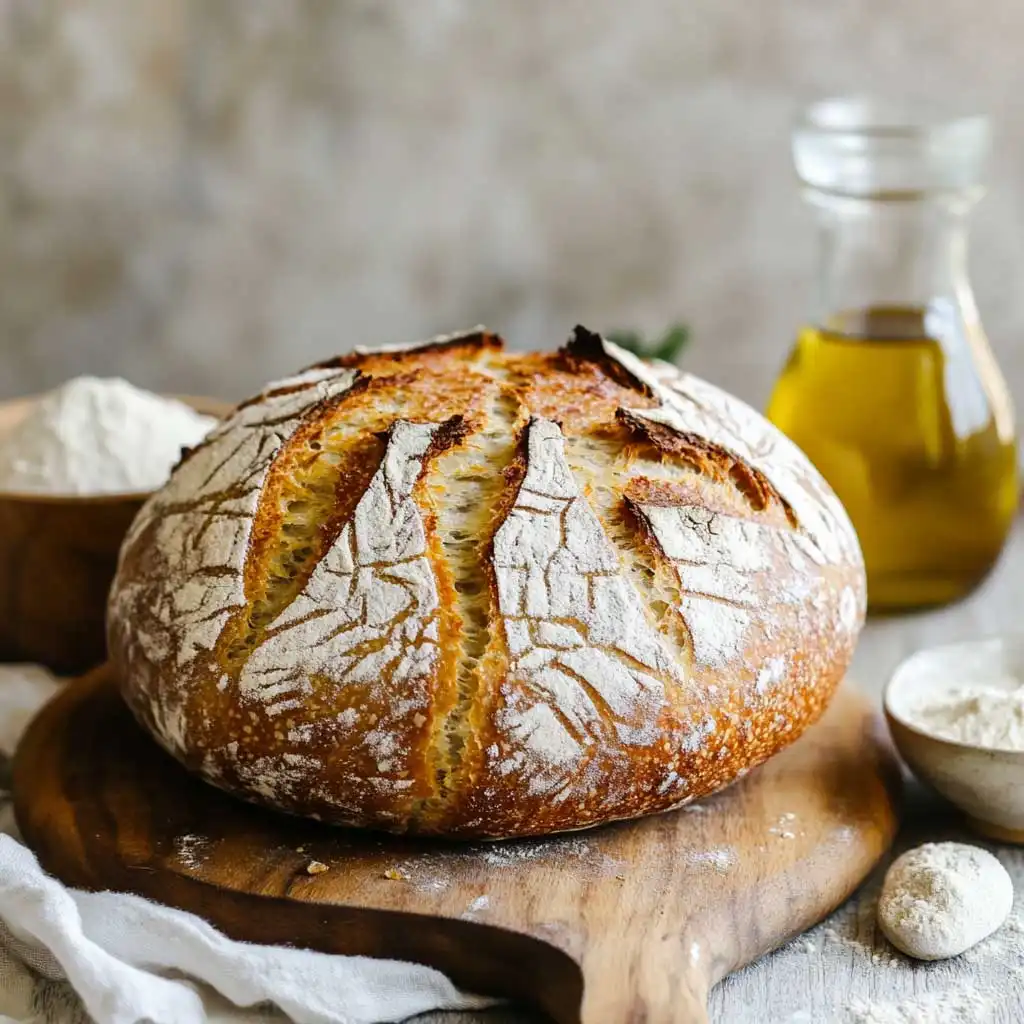
Sourdough baguettes differ from regular yeast baguettes because of their depth of flavor and texture. The sourdough starter introduces natural wild yeast and beneficial bacteria, which ferment the dough, enhancing its aroma, structure, and slight tang. The extended fermentation time creates a crisp crust that crackles as it cools and a fragrant interior that feels impossibly soft.
If you’ve ever dreamed of serving crusty baguettes alongside cheese and wine or enjoying warm slices dipped in olive oil, this sourdough baguette recipe is where to start. In the next section, we’ll dive into the essential ingredients and tools you need to make your first batch of golden, no-knead perfection right at home.
Behind the Recipe – Ingredients and Tools
Essential Ingredients for Perfect Sourdough Baguettes
The foundation of any great homemade sourdough bread begins with the right ingredients. Each component plays a crucial role in texture, flavor, and structure. Since this is a no-knead method, ingredient quality and balance are what will make your dough shine.
| Ingredient | Measurement | Purpose |
|---|---|---|
| Bread Flour (strong white) | 500 g (about 4 cups) | Provides strength and elasticity; high protein helps form structure in the no-knead method. |
| Active Sourdough Starter | 100 g (½ cup) | The natural leavening agent that gives flavor and rise—feeds the dough with wild yeast and beneficial bacteria. |
| Water (room temperature) | 375 g (1½ cups + 1 tbsp) | Hydrates flour, activates gluten development, and promotes an open crumb. |
| Salt | 10 g (1¾ tsp) | Balances flavor and strengthens gluten bonds. |
| Optional: Olive Oil or Honey | 5 g (1 tsp) | Adds mild sweetness or moisture for a softer crust variation. |
Bread Flour: Opt for a strong white bread flour with at least 11–12% protein content. It ensures your baguette recipe develops strong gluten strands even without kneading.
Sourdough Starter: A well-fed, bubbly sourdough starter is your yeast substitute. It introduces natural cultures that ferment the dough slowly, enriching flavor complexity.
Hydration (Water): The high hydration level in no-knead dough helps gluten develop passively, resulting in a moist, airy interior. Salt regulates yeast activity and strengthens gluten, while optional add-ins like olive oil or honey tweak texture and flavor.
Tools You’ll Need for No-Knead Success
- Digital Scale: Ensures accurate, consistent hydration balance.
- Mixing Bowl: Use a large glass or stainless-steel bowl to watch dough expansion.
- Dough Scraper or Bench Knife: Makes handling sticky dough stress-free.
- Baking Stone or Steel: Delivers even heat for a crisp crust.
- Parchment Paper: Prevents sticking and allows easy transfer.
- Steam Tray or Water Pan: Adds moisture to create a glossy, golden crust.
Quick Alternatives: Skip specialty gear if needed—use leveled cup measures, a preheated heavy sheet pan instead of stone, and a pan of hot water for steam. A well-floured towel can replace a couche for proofing.
With ingredients and tools ready, we’re set to turn a simple mix of flour, water, and starter into beautifully golden No-Knead Sourdough Baguettes.
Step-by-Step – Making No-Knead Sourdough Baguettes
Mixing and First Fermentation
Now it’s time to bring your No-Knead Sourdough Baguettes to life. This sourdough baguette recipe relies on intuition as much as timing.
- Mixing: Combine active sourdough starter and water in a bowl. Add bread flour and salt, stirring until no dry flour remains. The dough should look sticky and shaggy—ideal for no-knead bread.
- Autolyse (Rest): Let rest 30 minutes for natural gluten development.
- Stretch & Fold: Perform four quick folds around the bowl every 30 minutes, repeating two or three times to strengthen the dough gently.
- Bulk Fermentation: Cover and let rise 8–12 hours at about 75°F (24°C) until doubled, bubbly, and airy. This long rest builds tangy flavor and structure.
Shaping, Proofing, and Baking for a Crisp Crust
- Pre-Shape: Turn dough onto a floured surface and divide into two or three pieces. Roll each lightly into a log; rest 20 minutes.
- Final Shape: Flatten slightly, fold thirds inward, then roll into long slender baguettes. Don’t worry about perfect form—rustic charm wins every time.
- Proof: Rest 1½–2 hours until slightly puffy. The dough should slowly spring back when gently pressed.
- Preheat & Steam: Heat oven to 475°F (245°C) with baking stone inside; place a tray beneath for steam.
- Score & Bake: Make 3–4 diagonal cuts on each loaf. Bake 20–25 minutes with steam, until deep golden brown and crusty. The loaf should reach 205°F (96°C) internally.
- Cool: Rest on a wire rack until fully cooled to preserve the crisp crust.
Once you hear that satisfying crackle as they cool, you’ll know your No-Knead Sourdough Baguettes are ready. The result is light crumb, tangy aroma, and irresistible texture.
Tips, FAQs, and Conclusion
Common Problems and Pro Tips for Better Baguettes
Flat or Dense Loaves: Ensure the dough fully doubles during bulk fermentation; preheat baking surface thoroughly before baking.
Over-Proofing: Use the poke test to check readiness—dough should slowly bounce back. Shorten proof time if it collapses after shaping.
Pale Crust: Raise oven heat and add proper steam during the first 10 minutes.
Sticky Dough: Lightly wet hands instead of flouring; high hydration doughs are meant to feel tacky.
- Feed your sourdough starter routinely for strong fermentation.
- Maintain consistent dough temperature to support fermentation timing.
- Adjust hydration slightly for flour type and humidity.
- Score at a 30° angle for the signature “ear.”
- Freeze cooled baguettes and reheat at 375°F (190°C) for 10 minutes.
FAQs and Final Thoughts on Homemade Sourdough Bread
Can you use store-bought starter? Yes—as long as it’s an active, live culture. Feed it at home once or twice before using.
How long should the dough rest? Bulk fermentation of 8–12 hours yields the best structure and flavor; cooler spaces may require longer.
Can sourdough baguettes be baked in a Dutch oven? Absolutely. The lid traps steam, giving a perfect crust. Bake 20–25 minutes covered, then uncover to finish.
How to store sourdough baguettes? Keep in a paper bag at room temp for two days, or freeze and reheat briefly before serving.
Final Thoughts: Making No-Knead Sourdough Baguettes is a peaceful, rewarding craft. Each loaf teaches timing, patience, and artistry. This sourdough baguette recipe lets any home baker achieve bakery-quality results with minimal effort—but abundant satisfaction. Feed your starter, set aside time, and let slow fermentation work its quiet wonder. Your homemade sourdough bread will reward you with its crackling crust and tender crumb every single time.