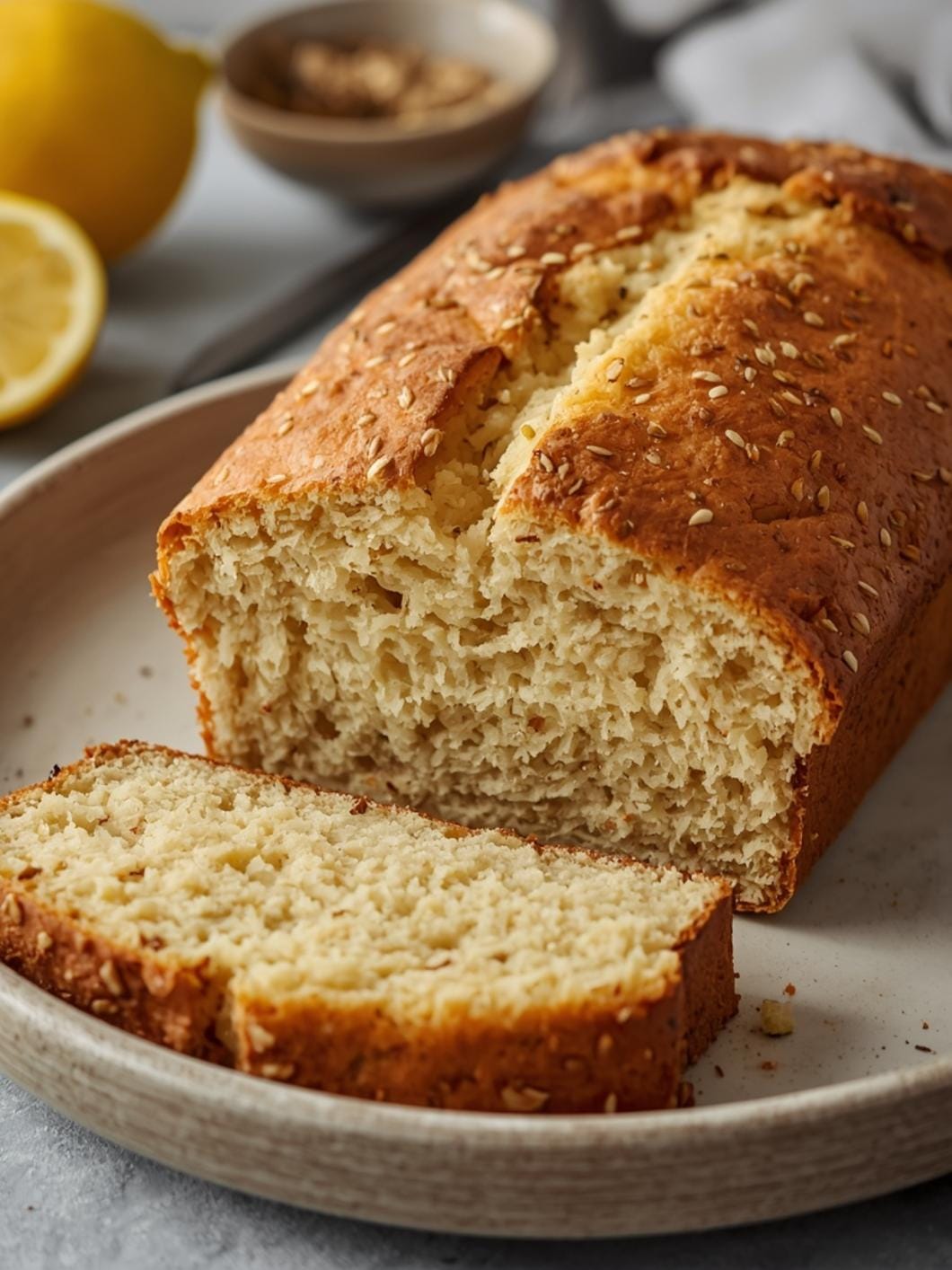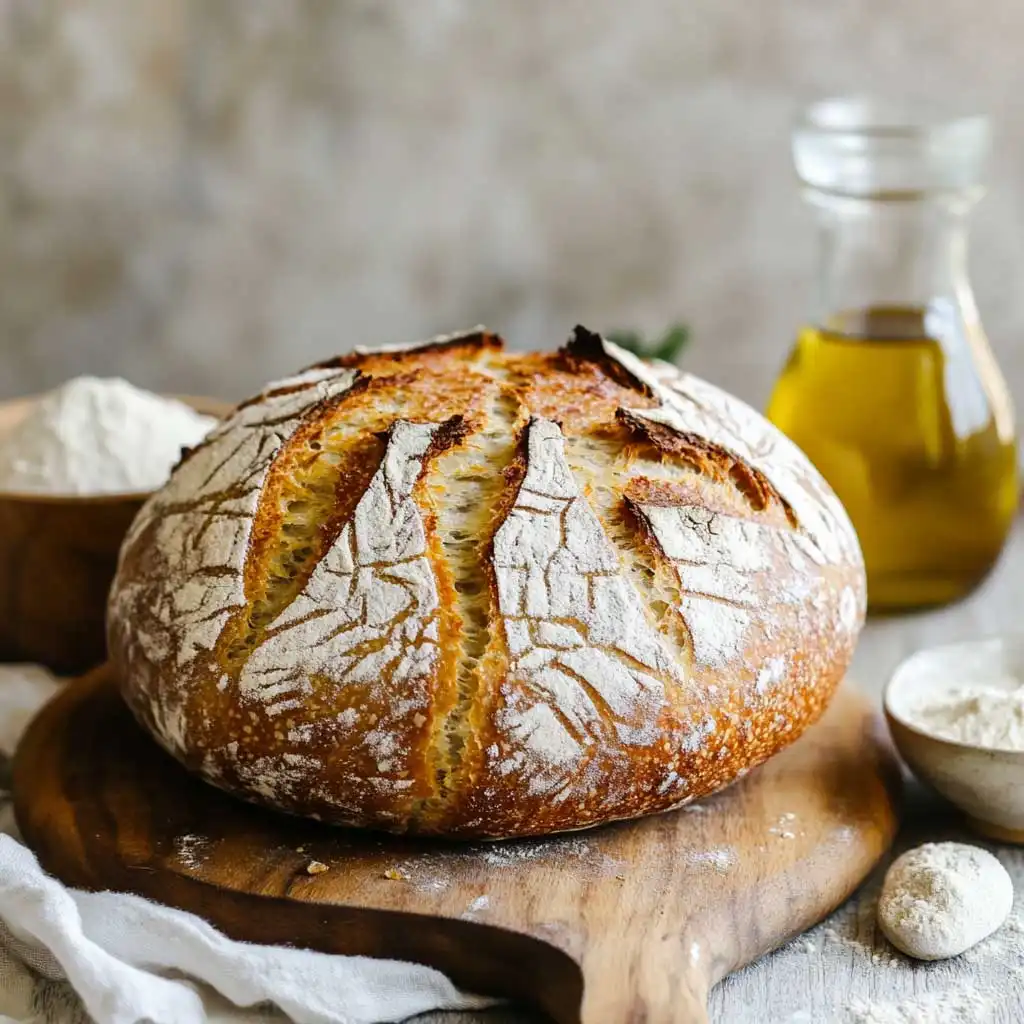

There’s nothing quite like the aroma of freshly baked bread filling your kitchen, especially when it’s a wholesome, rustic loaf that’s surprisingly easy to make.
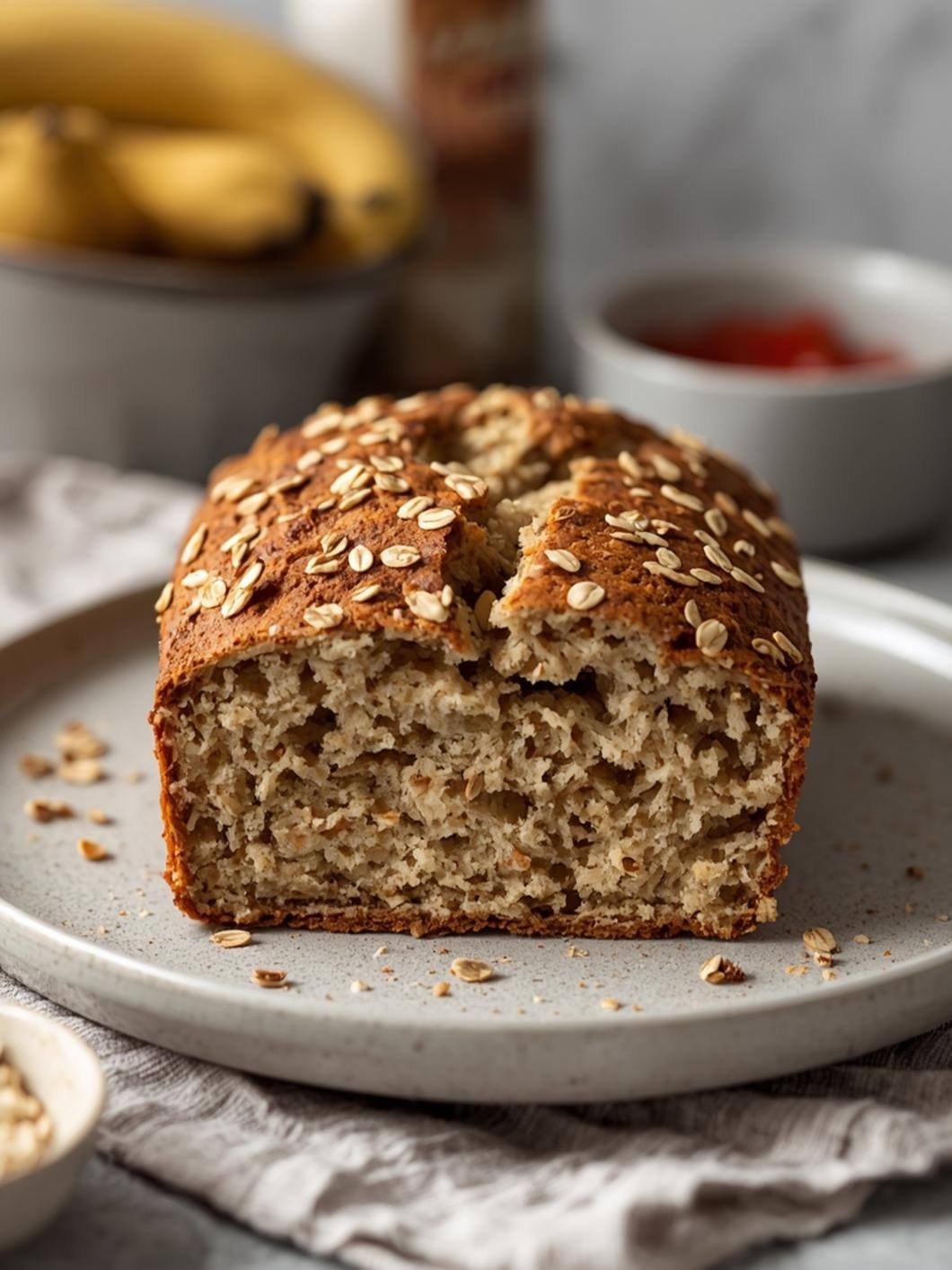
This seeded oat bread recipe delivers on all fronts: it’s hearty, flavorful, and has that wonderful texture that makes every slice a delight. Whether you’re a seasoned baker or just starting out, this guide will walk you through creating a beautiful loaf that tastes like it came from a specialty bakery.
This simple recipe focuses on straightforward steps and readily available ingredients, ensuring a successful bake every time. You’ll love how quickly you can bring this dough together, allowing you more time to enjoy the delicious results with your family and friends. Get ready to discover your new favorite bread!

Rustic Seeded Oat Bread
- Total Time: 2 hours 20 minutes - 2 hours 45 minutes
- Yield: 1 loaf 1x
Description
This rustic seeded oat bread is hearty, flavorful, and surprisingly easy to make. It features a wonderful texture from oats and mixed seeds, making every slice a delight. Perfect for sandwiches, toast, or alongside soups, this recipe is designed for home cooks of all skill levels, offering clear instructions and forgiving steps for a successful bake every time.
Ingredients
Instructions
1. In a large mixing bowl, combine the warm water, yeast, and honey (or maple syrup). Stir gently and let it sit for 5-10 minutes until the mixture becomes foamy. This foaminess indicates that your yeast is active and ready to go.
2. Add the salt, rolled oats, and olive oil to the yeast mixture. Stir well to combine. Gradually add the all-purpose flour, one cup at a time, mixing with a wooden spoon or a dough whisk until a shaggy dough forms.
3. Turn the dough out onto a lightly floured surface. Knead for 8-10 minutes until the dough is smooth and elastic. It should spring back when gently poked. If the dough is too sticky, add a tiny bit more flour, but be careful not to add too much, as this can make the bread dry.
4. Lightly grease a clean large bowl with olive oil. Place the dough in the bowl, turning it once to coat the top. Cover the bowl with plastic wrap or a clean kitchen towel and let it rise in a warm place for 60-90 minutes, or until doubled in size.
5. Gently punch down the risen dough to release the air. Turn it out onto a lightly floured surface and shape it into a rustic oval or round loaf. You can gently fold the edges under to create tension on the top. Lightly grease a baking sheet or line it with parchment paper. Transfer the shaped loaf to the prepared baking sheet. Sprinkle the mixed seeds generously over the top of the loaf, gently pressing them in so they adhere. Cover loosely with plastic wrap or a kitchen towel and let it rise for another 30 minutes.
6. While the loaf is on its second rise, preheat your oven to 375 F (190 C). Once the oven is preheated and the loaf has risen, place the baking sheet in the oven. Bake for 35-40 minutes, or until the crust is golden brown and the internal temperature reaches 200-210 F (93-99 C) when checked with an instant-read thermometer. The bottom of the loaf should sound hollow when tapped.
7. Once baked, remove the bread from the oven and transfer it to a wire rack to cool completely before slicing. This step is crucial for the internal structure of the bread to set properly. Slicing too early can result in a gummy texture.
- Prep Time: 15 minutes
- Cook Time: 35-40 minutes
- Category: bread
- Method: baking
- Cuisine: american
Nutrition
- Serving Size: 1 slice
Keywords: oat bread, seeded bread, rustic bread, homemade bread, easy bread, whole grain, baking, comfort food, sandwich bread, breakfast bread
What You’ll Love About This Quick And Easy Recipe
This rustic oat bread is a true kitchen hero because it brings together wholesome ingredients with minimal fuss. It’s perfect for busy weeknights when you want something homemade but don’t have hours to spend, or for a relaxed weekend morning. The combination of oats and seeds gives it a fantastic texture and a nutty flavor that pairs well with almost anything. This recipe is designed for home cooks of all skill levels, offering clear instructions and forgiving steps. It’s ideal for serving alongside a hearty soup, as the base for a delicious sandwich, or simply toasted with a smear of butter and jam for breakfast. It’s also a wonderful addition to any brunch spread or a casual family dinner, adding a touch of homemade goodness without any stress.
Everything You Need To Make This Recipe Without Stress
Gathering your ingredients before you start is the easiest way to ensure a smooth baking process. This recipe uses common pantry staples, so you likely have most of these on hand already. We’ll focus on simple, accessible items to create a truly delicious loaf.
INGREDIENTS:
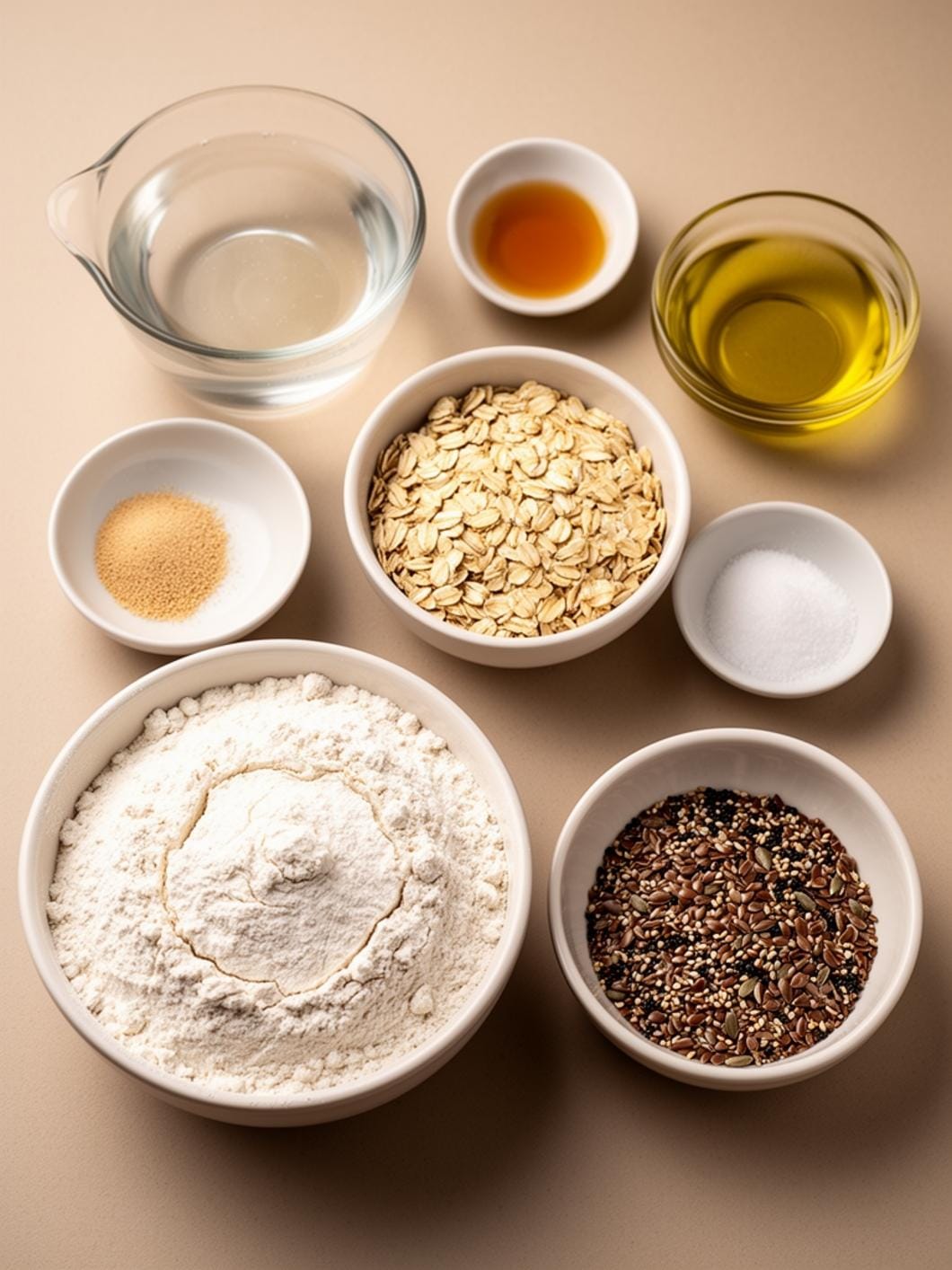
- 1 ½ cups warm water (105-115°F)
- 2 ¼ teaspoons active dry yeast (one standard packet)
- 1 tablespoon honey or maple syrup
- 1 teaspoon salt
- 1 cup rolled oats (not instant)
- 3 cups all-purpose flour, plus more for dusting
- 2 tablespoons olive oil, plus more for greasing
- 2 tablespoons mixed seeds (such as flax, sesame, poppy, or sunflower)
For simple substitutions, you can easily swap out the honey for maple syrup or vice versa, depending on what you have. If you prefer a slightly different texture, you can use whole wheat flour for up to half of the all-purpose flour, though this might make the dough a bit denser. When it comes to seeds, feel free to use your favorite combination or whatever you have in your pantry. Pumpkin seeds, chia seeds, or even a sprinkle of caraway seeds would work beautifully. Just ensure your oats are rolled oats, as instant oats will absorb liquid too quickly and alter the texture of the bread.
Time Needed From Start To Finish
One of the best aspects of this rustic oat bread is its relatively quick turnaround for a homemade loaf. While there’s some waiting involved for the dough to rise, the active hands-on time is quite minimal, making it a perfect project for a busy schedule.
- Prep Time: 15 minutes
- Rise Time: 60-90 minutes (first rise) + 30 minutes (second rise)
- Bake Time: 35-40 minutes
- Total Time: Approximately 2 hours 20 minutes to 2 hours 45 minutes
This timing allows for a relaxed approach, letting the yeast do its work without feeling rushed. The majority of the time is hands-off, giving you the freedom to tackle other tasks while your dough develops its wonderful flavor and texture.
How To Make It Step By Step With Visual Cues

Creating this rustic oat bread is a straightforward process. Follow these steps carefully, and you’ll have a beautiful, golden loaf in no time.
- Activate the Yeast: In a large mixing bowl, combine the warm water, yeast, and honey (or maple syrup). Stir gently and let it sit for 5-10 minutes until the mixture becomes foamy. This foaminess indicates that your yeast is active and ready to go.
- Combine Wet and Dry Ingredients: Add the salt, rolled oats, and olive oil to the yeast mixture. Stir well to combine. Gradually add the all-purpose flour, one cup at a time, mixing with a wooden spoon or a dough whisk until a shaggy dough forms.
- Knead the Dough: Turn the dough out onto a lightly floured surface. Knead for 8-10 minutes until the dough is smooth and elastic. It should spring back when gently poked. If the dough is too sticky, add a tiny bit more flour, but be careful not to add too much, as this can make the bread dry.
- First Rise: Lightly grease a clean large bowl with olive oil. Place the dough in the bowl, turning it once to coat the top. Cover the bowl with plastic wrap or a clean kitchen towel and let it rise in a warm place for 60-90 minutes, or until doubled in size.
- Shape the Loaf and Second Rise: Gently punch down the risen dough to release the air. Turn it out onto a lightly floured surface and shape it into a rustic oval or round loaf. You can gently fold the edges under to create tension on the top. Lightly grease a baking sheet or line it with parchment paper. Transfer the shaped loaf to the prepared baking sheet. Sprinkle the mixed seeds generously over the top of the loaf, gently pressing them in so they adhere. Cover loosely with plastic wrap or a kitchen towel and let it rise for another 30 minutes.
- Preheat and Bake: While the loaf is on its second rise, preheat your oven to 375°F (190°C). Once the oven is preheated and the loaf has risen, place the baking sheet in the oven. Bake for 35-40 minutes, or until the crust is golden brown and the internal temperature reaches 200-210°F (93-99°C) when checked with an instant-read thermometer. The bottom of the loaf should sound hollow when tapped.
- Cool Before Slicing: Once baked, remove the bread from the oven and transfer it to a wire rack to cool completely before slicing. This step is crucial for the internal structure of the bread to set properly. Slicing too early can result in a gummy texture.
Easy Variations And Serving Ideas That Fit Real Life
This rustic oat bread is incredibly versatile and can be adapted to suit various tastes and occasions. Here are some ideas to make it even more exciting:
For a sweeter loaf, you can add 1/4 cup of dried cranberries or raisins along with the oats in step 2. This makes a lovely breakfast bread. If you want to boost the savory notes, try incorporating 1/4 cup of grated Parmesan cheese or a tablespoon of dried herbs like rosemary or thyme into the dough.
This bread is fantastic for kids! You can make smaller individual rolls instead of one large loaf. Just divide the dough after the first rise, shape into small buns, and reduce the baking time to 20-25 minutes. Kids love having their own mini bread, and it’s perfect for lunchboxes.
When serving, this seeded oat loaf shines in many roles. It’s perfect for dipping into olive oil with balsamic vinegar, especially if you added herbs to the dough. For a hearty meal, serve thick slices alongside a robust stew or chili. It makes excellent sandwiches, holding up well to various fillings from deli meats and cheeses to grilled vegetables. Don’t forget to try it toasted with avocado and a sprinkle of everything bagel seasoning for a quick and satisfying breakfast or snack. For a party or buffet, slice it thinly and offer it with a cheese board, or alongside a selection of spreads like hummus or a creamy vegetable dip.
Common Slip-Ups And How To Avoid Them
Even simple bread recipes can have a few pitfalls, but knowing what to look out for can help you achieve a perfect loaf every time.
One common mistake is using water that’s too hot or too cold for the yeast. Water that’s too hot will kill the yeast, preventing the dough from rising. Too cold, and the yeast won’t activate properly. Aim for warm bathwater temperature, between 105-115°F (40-46°C). If your yeast doesn’t foam after 5-10 minutes, it’s best to start over with fresh yeast and properly tempered water.
Another frequent issue is adding too much flour during kneading. While it’s tempting to keep adding flour when the dough feels sticky, too much flour will result in a dense, dry loaf. A slightly sticky dough is normal. Resist the urge to add excessive flour; instead, lightly flour your hands and the work surface as needed. Knead for the full 8-10 minutes; the dough will become less sticky and more elastic as the gluten develops.
Not allowing enough time for the dough to rise is another common error. Rushing the rising process will lead to a dense, heavy bread. Yeast needs time to ferment and produce gas, which creates the airy texture. Ensure your rising environment is warm (around
FAQs
- Can I make these ahead? Yes—prep ahead, refrigerate, then serve when ready.
- How long do leftovers last? Store covered in the fridge for 3–4 days for best texture.
- Can I adjust sweetness? Yes—add more or less sweetener to taste.
- Can I change the fruit? Yes—swap strawberries for blueberries, raspberries, or sliced banana.