
Brief Overview
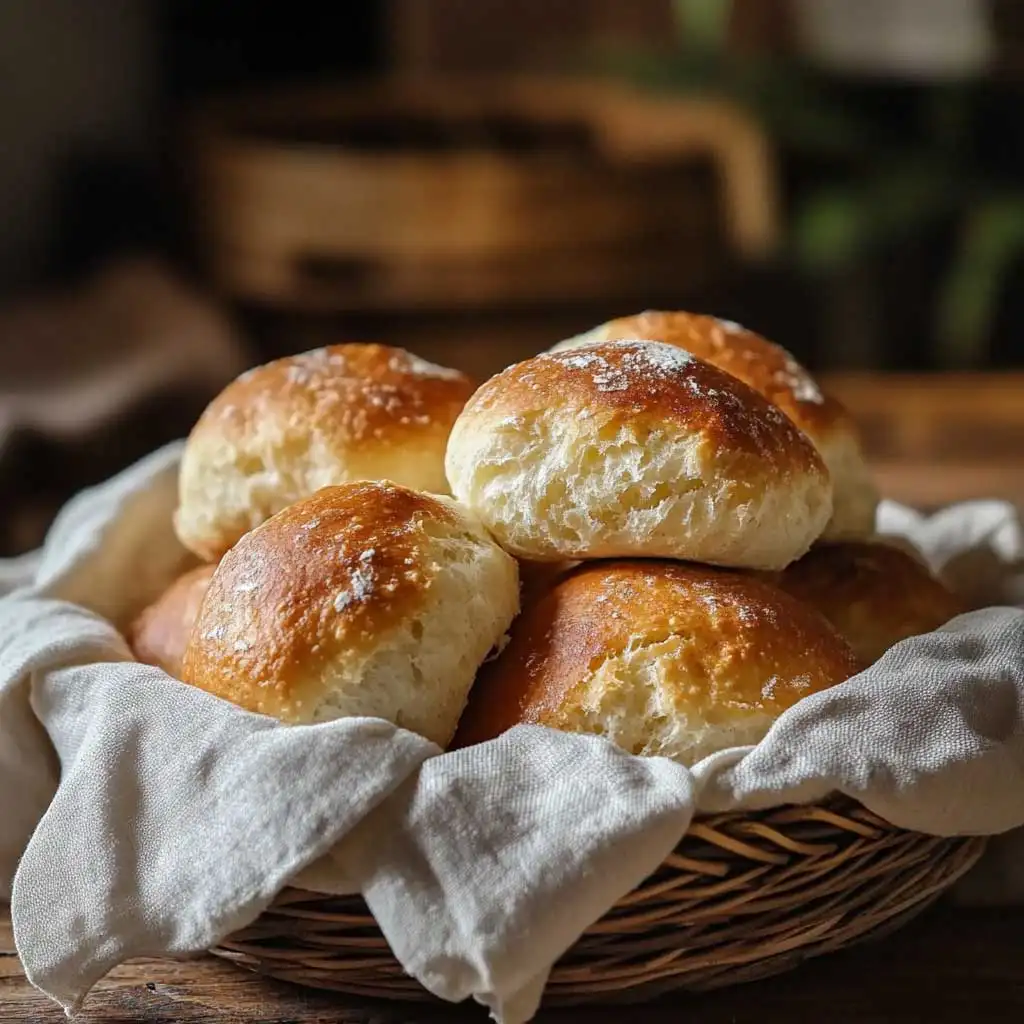
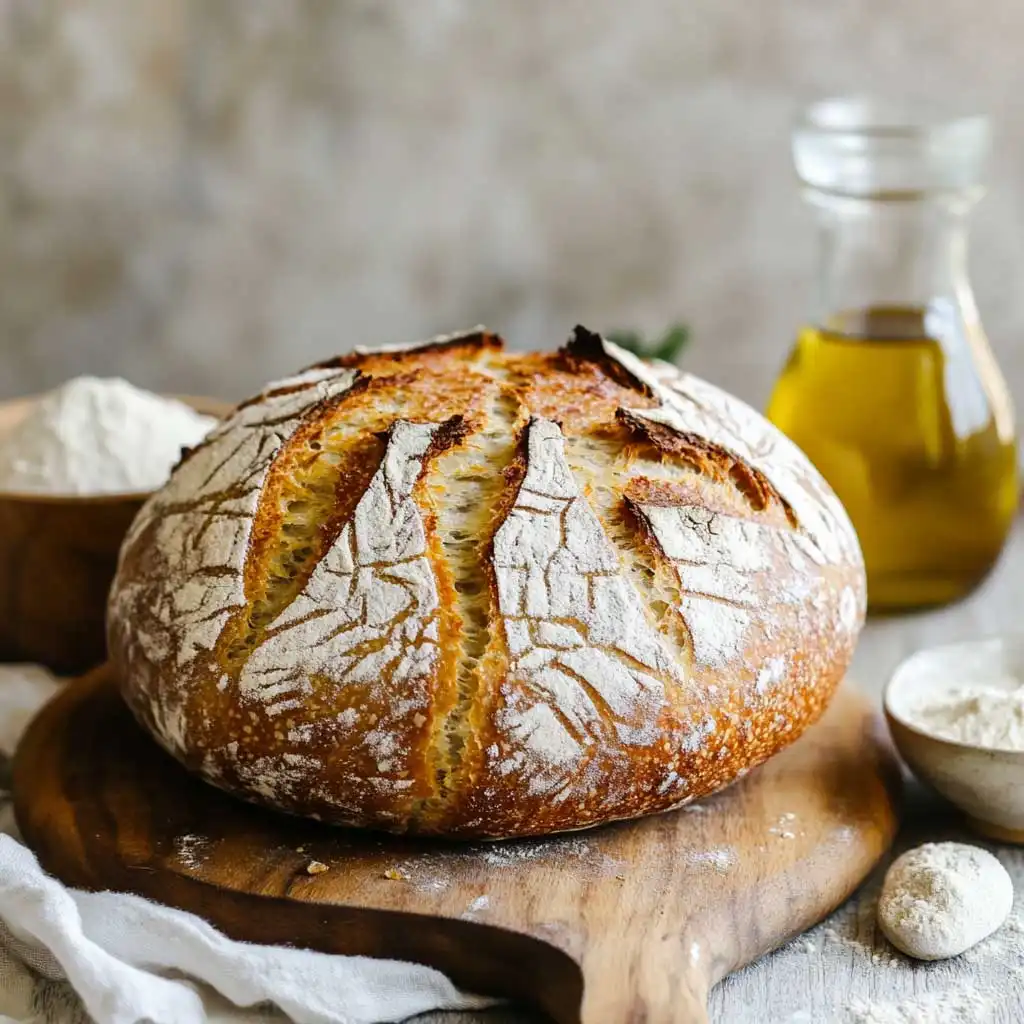
There’s something irresistibly cozy about the aroma of savory sourdough herb skillet bread wafting through the kitchen. This rustic recipe combines the tangy depth of sourdough with fragrant garlic, fresh rosemary, and flaky sea salt, creating a loaf that’s both homey and elegant. Perfect as Thanksgiving rolls, for hearty family dinners, or as a weekend treat beside a bowl of soup, this bread brings warmth to any table. Baked in a cast iron skillet, it achieves that unbeatable balance — golden, crisp edges with a pillowy interior. In this article, we’ll explore its story, ingredients, method, baking tips, FAQs, and serving ideas.

A Family Memory Baked in Every Loaf
The first time I made savory sourdough herb skillet bread, the scent alone transported me back to my childhood kitchen. The earthy notes of rosemary mingling with the crisp hint of sea salt & rosemary turned a simple bake into something truly special. As the bread baked in the cast iron skillet, its edges sizzled lightly, forming a crust that crackled just right when sliced. I remember my family gathering around, drawn by the aroma — laughter mixing with the comforting sounds of a bubbling stew.
That’s the beauty of savory sourdough herb skillet bread: it creates connection. The first bite — soft, chewy, and speckled with bits of garlic and herbs — felt like home. Baking it in a cast iron skillet gives the dough an even heat and a rustic charm that a regular pan can’t quite match. The skillet locks in moisture, producing a soft interior while yielding that crisp, golden exterior sprinkled with flaky sea salt & rosemary.
Ever since that day, this savory sourdough herb skillet bread has become more than a recipe — it’s a tradition. Every bake fills the house with warmth, a reminder of how simple ingredients can come together to make something nourishing and memorable. Whether shared around the dinner table or gifted to friends, its distinct flavor and aroma embody the comfort of homemade bread at its best.
Print
Savory Sourdough Herb Skillet Bread with Sea Salt & Rosemary
- Total Time: 5 hours 30 minutes
- Yield: 1 loaf 1x
Description
A rustic, aromatic sourdough loaf baked in a cast iron skillet with garlic, fresh rosemary, and flaky sea salt for a golden crust and tender crumb.
Ingredients
Instructions
1. In a large bowl stir together sourdough starter and warm water, then add flour, olive oil, and honey; mix until a shaggy dough forms.
2. Gently fold in minced garlic, chopped rosemary, and flaky sea salt until evenly distributed.
3. Cover the bowl with a damp towel and bulk ferment at room temperature for 3–4 hours, performing stretch-and-folds every 30 minutes during the first 2 hours.
4. Turn the dough onto a lightly floured surface and shape into a tight round loaf, tucking edges underneath.
5. Lightly coat a 10–12 inch cast iron skillet with olive oil and optionally preheat it in the oven for 10 minutes, then place the dough seam-side down and brush the top with oil.
6. Cover the skillet and proof the dough for 30–60 minutes until it feels airy; preheat oven to 425°F (220°C) while the dough proofs.
7. Dimple the surface of the dough with your fingers and sprinkle extra flaky sea salt and rosemary leaves on top.
8. Bake the loaf in the preheated oven for 30–35 minutes until the crust is deep golden brown and the loaf sounds hollow when tapped.
9. Allow the bread to cool in the skillet on a wire rack for at least 20 minutes before slicing.
- Prep Time: 15 minutes
- Cook Time: 35 minutes
- Category: bread
- Method: baking
- Cuisine: american
Nutrition
- Serving Size: 8 slices
Keywords: savory sourdough, skillet bread, herb bread, sea salt, rosemary, cast iron skillet, homemade bread, rustic bread
Why This Bread Belongs on Every Table
This bread’s charm lies in its simplicity. Savory sourdough herb skillet bread is wonderfully versatile — the kind of loaf that feels just as right alongside a Thanksgiving roast as it does beside a casual bowl of tomato soup. Its chewy texture and golden crust complement both rustic stews and elegant holiday dishes.
The combination of sea salt & rosemary brings depth without overwhelming the palate. Each slice carries a hint of tang from the sourdough starter, balanced by olive oil’s smoothness and the herbs’ refreshing aroma. Beyond its flavor, it’s the act of baking itself — mixing the dough, watching it rise, and hearing the faint crackle as it cools — that makes this bread special. It’s approachable, forgiving, and endlessly adaptable, offering a sense of accomplishment even for novice bakers.
On any table, savory sourdough herb skillet bread symbolizes warmth and connection. It’s the kind of bread that invites you to slow down, break it apart, and share — one golden, rosemary-scented slice at a time.
What You’ll Need for Homemade Skillet Bread
Before you dive into baking your savory sourdough herb skillet bread with sea salt & rosemary, gathering the right ingredients is key. Each element contributes to the bread’s flavor, texture, and aroma — from the tangy kick of the sourdough starter to the fresh, woodsy notes of rosemary. Below is a helpful table outlining the essential ingredients, measurements, and their specific purpose in the recipe.
| Ingredient | Amount | Purpose / Notes |
|---|---|---|
| Active sourdough starter | 150 g (about ¾ cup) | Provides natural leavening and that signature tangy flavor. Make sure it’s well-fed and bubbly before using. |
| Warm water | 250 ml (1 cup) | Hydrates the dough, helps gluten develop, and activates the starter. |
| All-purpose flour | 350 g (about 2¾ cups) | Creates structure and chewiness; substitute half for whole wheat flour for a nuttier texture. |
| Olive oil | 2 tbsp | Adds moisture and softness, and helps create a golden crust when baked. |
| Garlic cloves, minced | 2 cloves | Brings savory depth and complexity that complements the herbs. |
| Fresh rosemary, chopped | 1 tbsp | Provides aromatic, earthy herb flavor that pairs beautifully with sea salt. |
| Flaky sea salt | 1 tsp (plus extra for topping) | Balances the tang and adds crunch when sprinkled on top before baking. |
| Honey or sugar (optional) | 1 tsp | Encourages a balanced flavor and speeds slight caramelization in the crust. |
| Additional fresh herbs (optional) | 1 tsp total | Try thyme, oregano, or sage to create your own flavor variation. |
For those who enjoy customizing flavors, feel free to experiment with different herb combinations. Basil gives a lighter, summer taste, while thyme adds a delicate earthy aroma. You can even add a pinch of chili flakes for a subtle kick. The beauty of savory sourdough herb skillet bread is how easily it adapts — each variation offering a new twist on the same comforting tradition.
Tools that Make Baking Easier
The magic of this bread isn’t just in the ingredients — it’s also in the tools that bring it to life. The right utensils help ensure the dough mixes evenly, rises properly, and bakes perfectly in your skillet. Here’s a breakdown of the key tools you’ll want on hand and how each one supports your baking process:
- Cast Iron Skillet (10–12 inch): The star of the recipe. Its ability to hold heat evenly ensures a deep golden crust and a perfectly cooked center. Preheating it slightly before adding the dough helps create that signature rustic texture.
- Large Mixing Bowl: Use this to combine all your ingredients. A spacious bowl gives the dough room to rise and makes mixing easier.
- Wooden Spoon or Silicone Spatula: Gentle on the dough, these tools help you mix without deflating the air bubbles that give sourdough its lift.
- Kitchen Scale: Accuracy is crucial in bread making. Weighing your ingredients ensures consistent results and the proper dough hydration.
- Dough Scraper or Bench Knife: Ideal for handling sticky dough, dividing portions, or shaping the round loaf before proofing.
- Kitchen Towel or Plastic Wrap: Used to cover the dough during rising to prevent drying and maintain a stable temperature.
- Measuring Spoons and Cups: For smaller ingredients such as salt, oil, and herbs, precise measurements help achieve balanced flavor.
If you don’t yet have a cast iron skillet, you can use an oven-safe heavy-bottomed pan or even a Dutch oven for a similar effect. However, the heat retention and crisping power of cast iron make it a favorite among bakers for good reason — it transforms the outside of your savory sourdough herb skillet bread into that visually stunning, golden masterpiece.
Taking time to prepare your space and gather your tools makes the entire baking process smoother and more enjoyable. When every item has its purpose and place, the experience becomes relaxed and rhythmic — just you, the scent of fresh rosemary, and the anticipation of homemade bread ready to emerge from the oven, golden and aromatic with sea salt & rosemary.
Step-by-Step Guide to Baking Sourdough Herb Skillet Bread
Baking savory sourdough herb skillet bread with sea salt & rosemary is a wonderfully tactile process — from the first sticky stir of dough to that final satisfying crunch of the crust. The rhythm of sourdough baking is patient but rewarding. Follow these steps carefully to create a loaf that is golden, aromatic, and deeply flavorful.
- Combine the Base Ingredients: In a large mixing bowl, stir together your active sourdough starter and warm water until dissolved. Add flour, olive oil, and honey (if using). Mix until you form a shaggy, cohesive dough — no need for perfection here. The dough should feel slightly tacky but not overly wet.
- Add Aromatics and Herbs: Once the base dough comes together, gently fold in the minced garlic, chopped rosemary, and a pinch of flaky sea salt. Mixing these now distributes the flavor evenly throughout the loaf, ensuring every bite contains savory and herbal notes.
- First Rise (Bulk Fermentation): Cover the bowl with a damp towel and leave it at room temperature for 3–4 hours, depending on the warmth of your kitchen. Perform a few stretch-and-folds every 30 minutes during the first two hours to strengthen the dough.
- Shaping the Dough: Once your dough has doubled, gently scrape it onto a floured surface and shape it into a round by tucking edges underneath until smooth. Avoid over-handling.
- Preparing the Skillet: Lightly coat your cast iron skillet with olive oil. For extra crispiness, preheat it in the oven for 10 minutes before adding the dough. Place the loaf seam-side down and brush with olive oil.
- Second Proof (Final Rise): Cover the skillet loosely with a towel and let it rise for 30–60 minutes until airy. Preheat the oven to 425°F (220°C).
- Add Finishing Touches: Dimple the dough surface gently and sprinkle with flaky sea salt and rosemary leaves before baking.
- Bake to Golden Perfection: Bake 30–35 minutes until golden-brown. The loaf should sound hollow when tapped underneath.
- Cooling and Serving: Let it cool for 20 minutes on a rack before slicing. Enjoy warm or at room temperature as the roasted aroma of sea salt & rosemary fills the air.
Tips for the Perfect Texture and Flavor
- Check Your Starter’s Activity: Use your starter when bubbly and freshly fed for the best lift and flavor.
- Mind the Dough Hydration: Keep dough supple — add water if too dry or dust with flour if sticky for balanced texture.
- Control Temperature: Let dough ferment in a warm environment. Cooler kitchens may need longer proofing for flavor depth.
- Avoid Over-Salting: A light layer of sea salt offers flavor and crunch; too much can mask herbal notes.
- Preheat the Skillet: This ensures a deep crust and rustic bakery-like edge.
- Troubleshooting Dense Bread: Extend fermentation or strengthen starter if bread feels heavy.
- Adjust for Flour Type or Altitude: Add hydration for whole grain flours and reduce proof time at high altitudes.
- Keep Steam In: Cover the skillet for the first 15 minutes for maximum oven spring.
- Let It Rest: Cooling allows the crumb to stabilize and flavors to blend beautifully.
Frequently Asked Questions
1. Can I make this recipe without a sourdough starter?
Yes. Substitute the starter with 1 teaspoon of active dry yeast dissolved in the warm water. The bread will still be delicious but less tangy and chewy than a true sourdough loaf.
2. How do I store skillet bread to keep it soft?
Once cooled, wrap your loaf in a clean towel or inside a paper bag placed in a loosely closed plastic bag. Avoid refrigerating; it dries out the crumb. Rewarm briefly in the oven to refresh.
3. Can I use dried herbs instead of fresh rosemary?
Yes. Dried herbs are stronger, so use one-third the amount — about 1 teaspoon of dried rosemary per tablespoon of fresh. Mix with dried thyme or oregano for variation.
4. What’s the best temperature to bake it for an even crust?
Bake at 425°F (220°C). This temperature gives a steady rise and beautiful brown crust. Preheat your skillet to encourage even heat distribution.
5. Can I freeze this bread after baking?
Yes. Cool fully, then wrap tightly in foil or plastic and freeze for up to three months. Thaw at room temperature and warm for 10–12 minutes at 350°F (175°C) before serving.
Serving Ideas & Final Thoughts
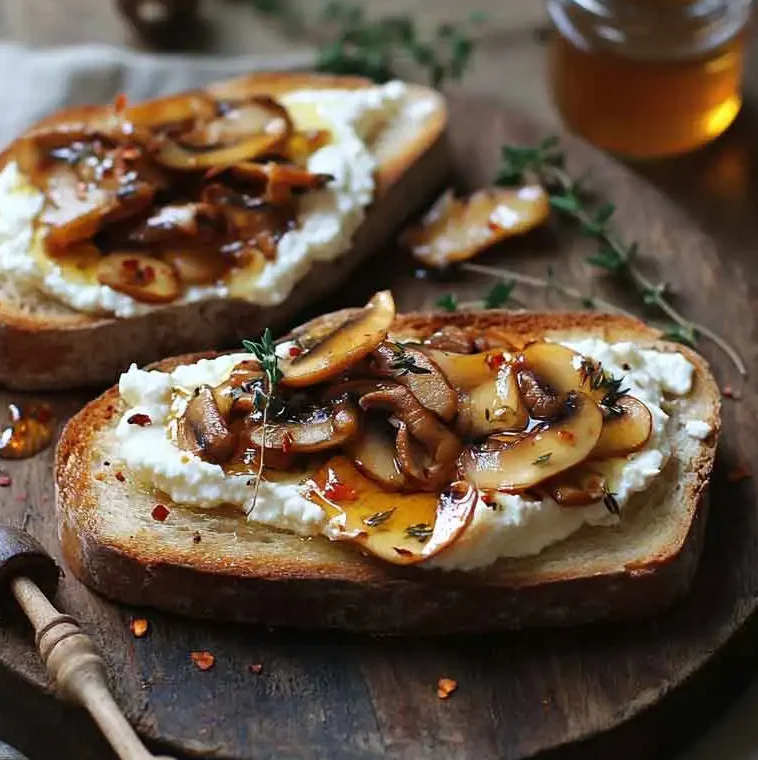
There’s no wrong way to enjoy savory sourdough herb skillet bread with sea salt & rosemary. Slice it alongside creamy soups, roasted meats, or vegetable stews. Serve with olive oil infused with garlic or soft herb butter for a simple appetizer. Its rustic texture also shines on charcuterie boards or as breakfast toast topped with avocado and eggs.
Whether shared during a celebration or enjoyed in a quiet kitchen moment, this bread evokes comfort in every bite. The crisp crust, aromatic rosemary, and subtle tang of sourdough make it both impressive and approachable. Once baked, it fills your home with warmth — a scent and taste you’ll crave again and again.
So, preheat your skillet, sprinkle that sea salt & rosemary, and craft your own loaf of soulful, wholesome bread. One slice at a time, savory sourdough herb skillet bread turns everyday moments into something extraordinary.