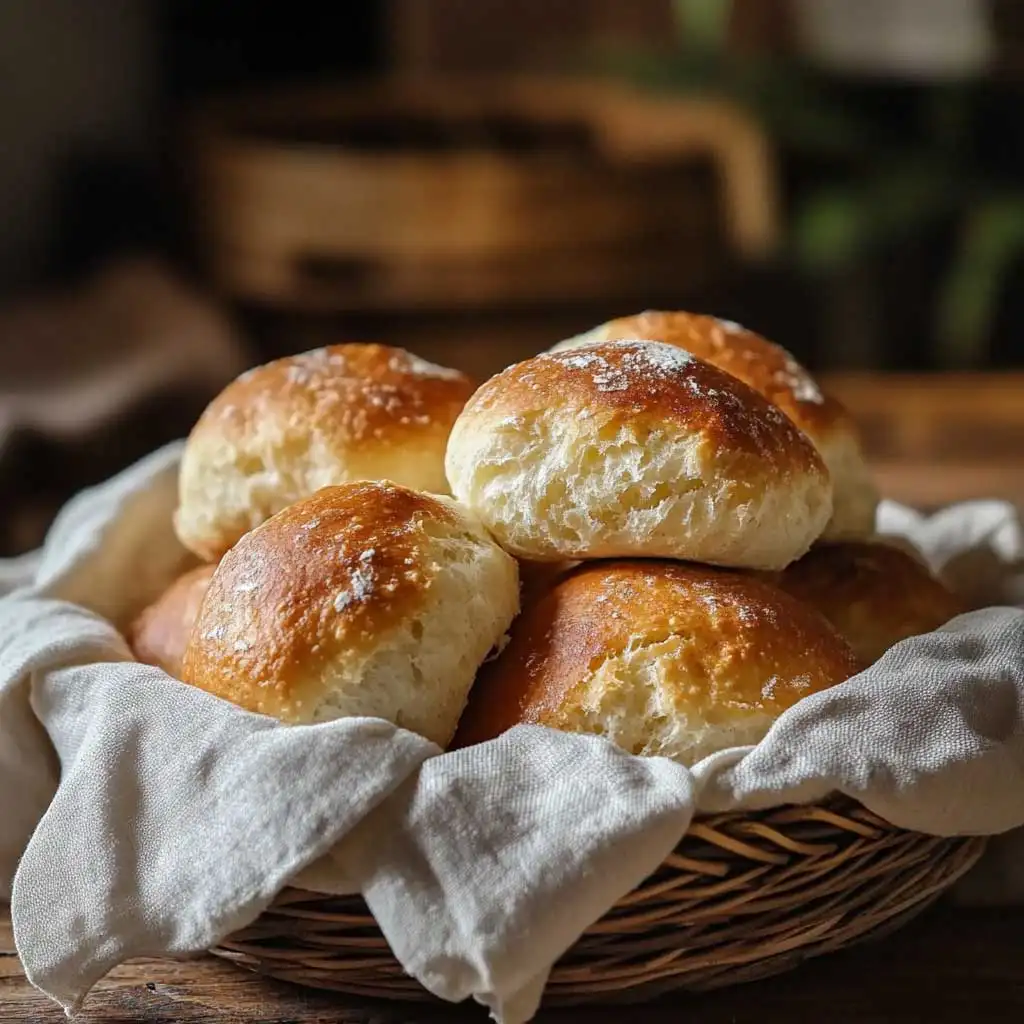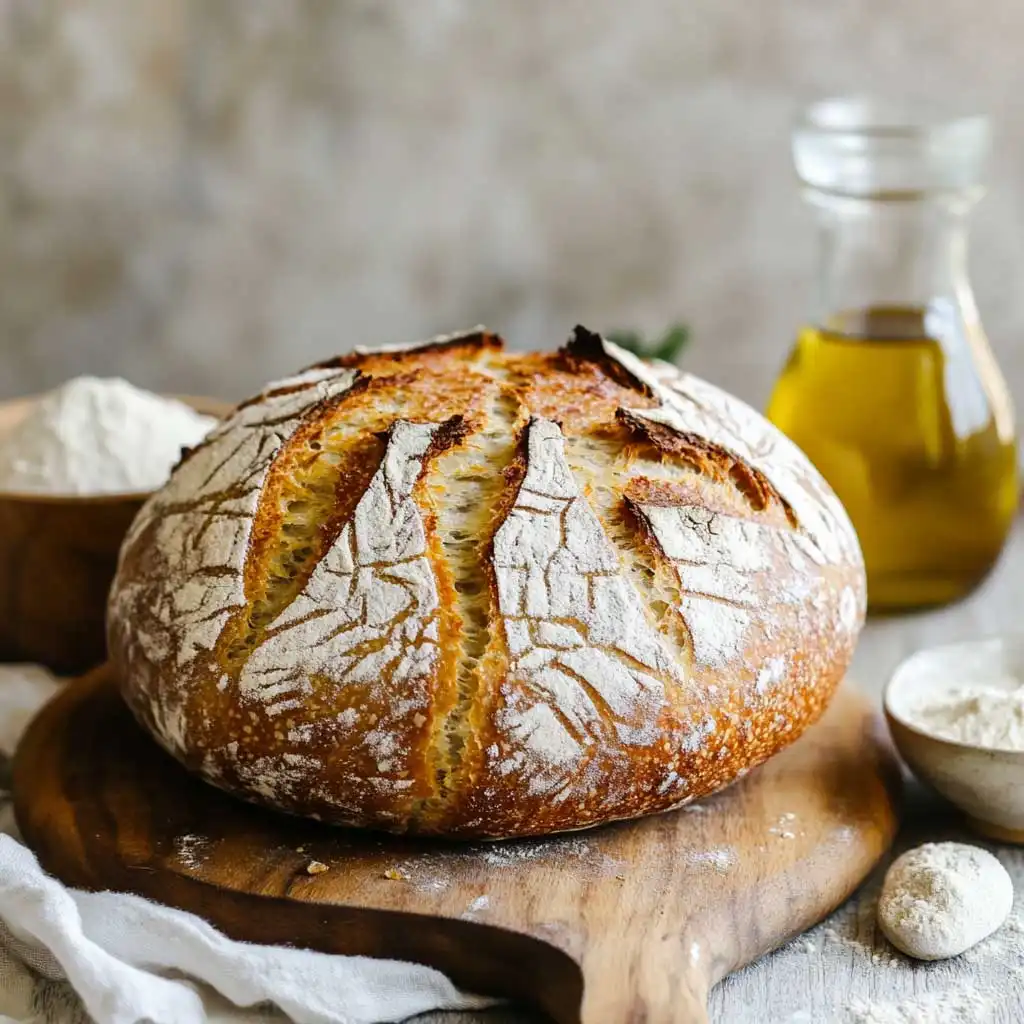

Elevate your next meal with these incredibly soft and fluffy sourdough burger buns, perfect for sandwiches or as dinner rolls.
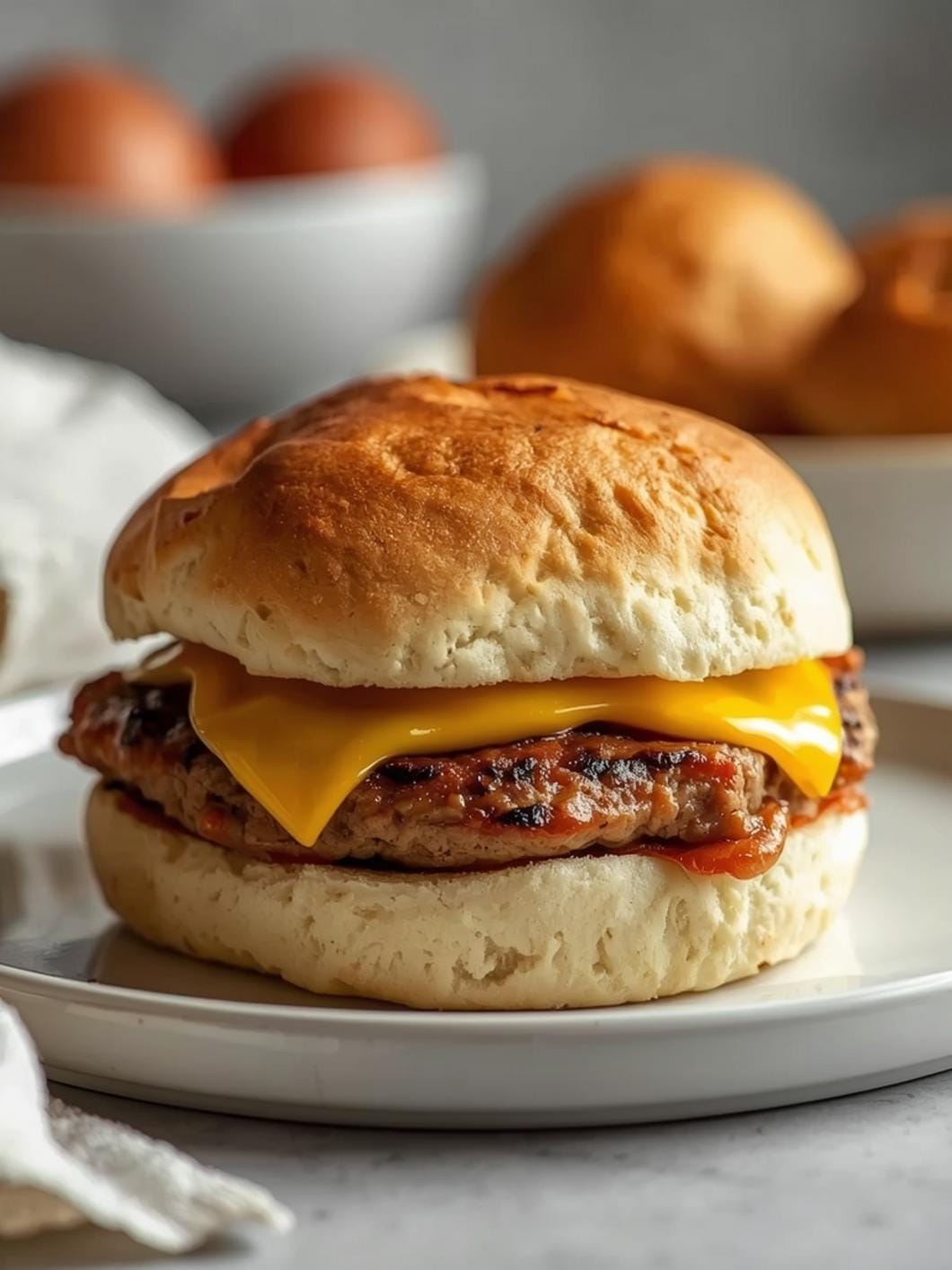
These sourdough buns are a fantastic way to use your active sourdough starter for more than just bread, transforming ordinary meals into something truly special.
Discover the details on how to create these delightful buns that are sure to become a family favorite. They’re surprisingly simple to make and offer that wonderful tangy sourdough flavor without being overly complicated.
Table of Contents
- What You’ll Love About This Quick And Easy Recipe
- Everything You Need To Make This Recipe Without Stress
- Time Needed From Start To Finish
- How To Make It Step By Step With Visual Cues
- Easy Variations And Serving Ideas That Fit Real Life
- Common Slip-Ups And How To Avoid Them
- How To Store It And Make It Ahead Without Ruining Texture

Soft and Fluffy Sourdough Burger Buns
- Total Time: 4-7 hours
- Yield: 8-12 buns 1x
Description
Elevate your next meal with these incredibly soft and fluffy sourdough burger buns, perfect for sandwiches or as dinner rolls. These sourdough buns are a fantastic way to use your active sourdough starter for more than just bread, transforming ordinary meals into something truly special. Discover the details on how to create these delightful buns that are sure to become a family favorite. They’re surprisingly simple to make and offer that wonderful tangy sourdough flavor without being overly complicated.
Ingredients
Instructions
1. 1. Activate the Dough Base: In a large mixing bowl, combine your active sourdough starter, warm milk, granulated sugar, and one large egg. Whisk these ingredients together until well combined. The mixture should look slightly milky and have some small bubbles from the starter.
2. 2. Add the Fats and Dry Ingredients: Pour in the slightly cooled melted butter. Then, add 3 1/2 cups of all-purpose flour and the salt. If you’re using the optional instant or active dry yeast, add it now. Mix with a wooden spoon or a dough whisk until a shaggy dough forms and most of the flour is incorporated.
3. 3. Knead the Dough: Turn the shaggy dough out onto a lightly floured surface. Knead for 8-10 minutes until the dough is smooth, elastic, and no longer sticky. It should spring back when gently poked. If the dough is too sticky, add a very small amount of flour, a tablespoon at a time, until it reaches the right consistency.
4. 4. First Rise (Bulk Fermentation): Lightly grease a clean bowl with oil. Place the dough in the bowl, turning it once to coat the top. Cover the bowl tightly with plastic wrap or a damp kitchen towel. Let it rise in a warm place for 2-4 hours, or until doubled in size. Alternatively, you can refrigerate it overnight for a slower, more flavorful rise.
5. 5. Shape the Buns: Gently punch down the risen dough to release the air. Divide the dough into 8-12 equal pieces, depending on your desired bun size. For each piece, gently pull the edges of the dough towards the center and pinch to seal, then flip it over and cup your hand around the dough, rolling it on the counter to form a smooth, tight ball. This creates tension on the surface, which helps the buns rise nicely.
6. 6. Second Rise (Proofing): Line a baking sheet with parchment paper. Arrange the shaped dough balls on the prepared baking sheet, leaving some space between them as they will expand. Cover loosely with plastic wrap or a light kitchen towel. Let them rise in a warm place for 1-2 hours, or until they look puffy and have nearly doubled in size. They should feel light and airy.
7. 7. Prepare for Baking: Preheat your oven to 375 F (190 C). In a small bowl, whisk the remaining egg with a tablespoon of water to create an egg wash. Gently brush the tops of the risen buns with the egg wash. If desired, sprinkle sesame seeds over the tops for a classic burger bun look.
8. 8. Bake to Golden Perfection: Bake the buns for 15-20 minutes, or until they are golden brown on top and sound hollow when tapped on the bottom. Once baked, transfer the buns to a wire rack to cool completely before slicing and serving. Cooling is crucial for the texture to set properly.
- Prep Time: 35 minutes
- Cook Time: 15-20 minutes
- Category: bread
- Method: baking
- Cuisine: american
Nutrition
- Serving Size: 1 bun
Keywords: sourdough, buns, burger buns, bread, sandwich, homemade, yeast, dinner rolls, baking, easy
What You’ll Love About This Quick And Easy Recipe
This recipe for soft and fluffy sourdough burger buns is a game-changer for anyone looking to upgrade their homemade meals. It’s perfect for home cooks who appreciate the unique flavor and texture that sourdough brings but might be intimidated by traditional sourdough bread baking. This recipe works because it leverages the power of your active sourdough starter to create a light, airy bun with a subtle tang that complements a wide range of fillings. It’s ideal for family dinners, backyard barbecues, or even as a comforting side with a bowl of soup. You’ll love how these buns hold up to juicy burgers and hearty sandwich fillings, yet remain tender enough to enjoy on their own as a dinner roll. It’s a fantastic way to use up excess starter and impress your family and friends with your baking skills.
Everything You Need To Make This Recipe Without Stress
Gathering your ingredients beforehand makes the baking process smooth and enjoyable. Most of these items are likely already in your pantry, making this a convenient recipe to whip up whenever the craving strikes. The key is to ensure your sourdough starter is active and bubbly, as this provides the lift and flavor for your buns.
INGREDIENTS:
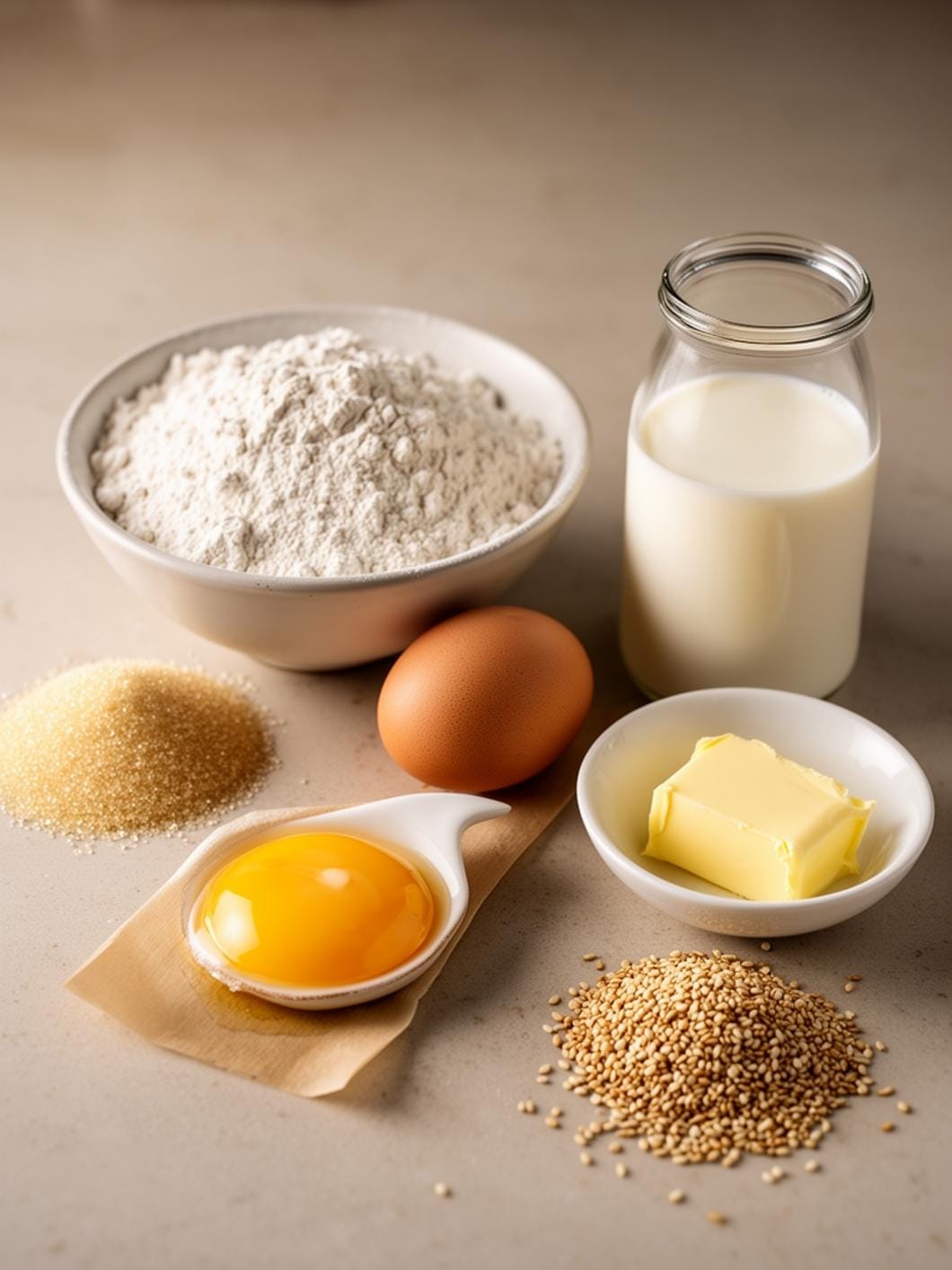
- 1 cup active sourdough starter (fed and bubbly)
- 1 cup warm milk (about 100-110°F)
- 1/4 cup granulated sugar
- 1 large egg, plus 1 egg for egg wash
- 1/4 cup unsalted butter, melted and cooled slightly
- 3 1/2 cups all-purpose flour, plus more for dusting
- 1 1/2 teaspoons salt
- 1 teaspoon instant or active dry yeast (optional, for a faster rise)
- Sesame seeds (optional, for topping)
For simple substitutions, you can use plant-based milk and butter alternatives if you prefer a dairy-free option; just ensure the milk is warm and the butter is melted. While all-purpose flour works beautifully, bread flour can also be used for a slightly chewier bun. The optional instant yeast can be a great addition if your starter isn’t as robust as you’d like or if you’re short on time and want to speed up the rising process.
Time Needed From Start To Finish
Making these soft and fluffy sourdough burger buns does require a bit of patience for the rising times, but the active hands-on work is quite manageable.
- Prep Time: 20 minutes (mixing dough, kneading)
- First Rise: 2-4 hours (or overnight in the fridge)
- Shaping Time: 15 minutes
- Second Rise: 1-2 hours
- Bake Time: 15-20 minutes
- Total Time: Approximately 4-7 hours (depending on rise times and whether you use the optional yeast), plus cooling.
While the total time might seem long due to the rising, much of it is passive, allowing you to go about other tasks while the dough works its magic.
How To Make It Step By Step With Visual Cues

Creating these delicious sourdough burger buns is a rewarding process. Follow these steps for perfect results every time.
- Activate the Dough Base: In a large mixing bowl, combine your active sourdough starter, warm milk, granulated sugar, and one large egg. Whisk these ingredients together until well combined. The mixture should look slightly milky and have some small bubbles from the starter.
- Add the Fats and Dry Ingredients: Pour in the slightly cooled melted butter. Then, add 3 1/2 cups of all-purpose flour and the salt. If you’re using the optional instant or active dry yeast, add it now. Mix with a wooden spoon or a dough whisk until a shaggy dough forms and most of the flour is incorporated.
- Knead the Dough: Turn the shaggy dough out onto a lightly floured surface. Knead for 8-10 minutes until the dough is smooth, elastic, and no longer sticky. It should spring back when gently poked. If the dough is too sticky, add a very small amount of flour, a tablespoon at a time, until it reaches the right consistency.
- First Rise (Bulk Fermentation): Lightly grease a clean bowl with oil. Place the dough in the bowl, turning it once to coat the top. Cover the bowl tightly with plastic wrap or a damp kitchen towel. Let it rise in a warm place for 2-4 hours, or until doubled in size. Alternatively, you can refrigerate it overnight for a slower, more flavorful rise.
- Shape the Buns: Gently punch down the risen dough to release the air. Divide the dough into 8-12 equal pieces, depending on your desired bun size. For each piece, gently pull the edges of the dough towards the center and pinch to seal, then flip it over and cup your hand around the dough, rolling it on the counter to form a smooth, tight ball. This creates tension on the surface, which helps the buns rise nicely.
- Second Rise (Proofing): Line a baking sheet with parchment paper. Arrange the shaped dough balls on the prepared baking sheet, leaving some space between them as they will expand. Cover loosely with plastic wrap or a light kitchen towel. Let them rise in a warm place for 1-2 hours, or until they look puffy and have nearly doubled in size. They should feel light and airy.
- Prepare for Baking: Preheat your oven to 375°F (190°C). In a small bowl, whisk the remaining egg with a tablespoon of water to create an egg wash. Gently brush the tops of the risen buns with the egg wash. If desired, sprinkle sesame seeds over the tops for a classic burger bun look.
- Bake to Golden Perfection: Bake the buns for 15-20 minutes, or until they are golden brown on top and sound hollow when tapped on the bottom. Once baked, transfer the buns to a wire rack to cool completely before slicing and serving. Cooling is crucial for the texture to set properly.
Easy Variations And Serving Ideas That Fit Real Life
These sourdough burger buns are incredibly versatile and can be adapted for many occasions. For a kid-friendly twist, you can make smaller slider-sized buns, perfect for mini burgers or ham and cheese sandwiches. To add more flavor, consider incorporating dried herbs like oregano or rosemary into the dough during the kneading stage, especially if you’re serving them as dinner rolls with an Italian-inspired meal.
For a savory option, sprinkle some everything bagel seasoning on top instead of sesame seeds before baking. If you’re hosting a party or buffet, these buns are fantastic for pulled pork sliders, sloppy joes, or even as a base for individual pizzas. You can also brush them with melted garlic butter after baking for an extra burst of flavor, turning them into a delicious side for pasta dishes. Don’t forget that these make excellent sandwich bread for school lunches or quick workday meals, too!
Common Slip-Ups And How To Avoid Them
Even experienced bakers can encounter small challenges, but knowing what to look out for can save you a lot of frustration.
- Dough Not Rising: The most common issue is an inactive sourdough starter. Make sure your starter is fed and bubbly, ideally within 4-8 hours of mixing the dough. If it’s sluggish, give it another feeding or use the optional instant yeast to give the dough a boost. Also, ensure your rising environment is warm enough; a cold kitchen can significantly slow down fermentation.
- Over-Kneading or Under-Kneading: Under-kneaded dough will be shaggy and dense, while over-kneaded dough can become tough. Aim for a smooth, elastic dough that passes the “windowpane test” (you can stretch a small piece thin enough to see light through it without tearing).
- Buns Sticking to the Pan: Always use parchment paper on your baking sheet. Even if your pan is non-stick, parchment provides an extra layer of protection and makes cleanup a breeze.
- Dry Buns: Over-baking can lead to dry buns. Keep an eye on them towards the end of the baking time. They should be golden brown, not dark brown. A quick internal temperature check with an instant-read thermometer (around 200-210°F or 93-99°C) can confirm doneness without over-baking.
- Flat Buns: This can be due to an inactive starter, insufficient kneading, or inadequate proofing (second rise). Ensure your shaping technique creates tension on the surface of the dough balls, which helps them hold their shape and rise upwards.
How To Store It And Make It Ahead Without Ruining Texture
Proper storage is key to keeping your sourdough burger buns fresh and delicious. Once completely cooled, store them in an airtight container or a large resealable plastic
FAQs
- Can I make these ahead? Yes—prep ahead, refrigerate, then serve when ready.
- How long do leftovers last? Store covered in the fridge for 3–4 days for best texture.
- Can I adjust sweetness? Yes—add more or less sweetener to taste.
- Can I change the fruit? Yes—swap strawberries for blueberries, raspberries, or sliced banana.