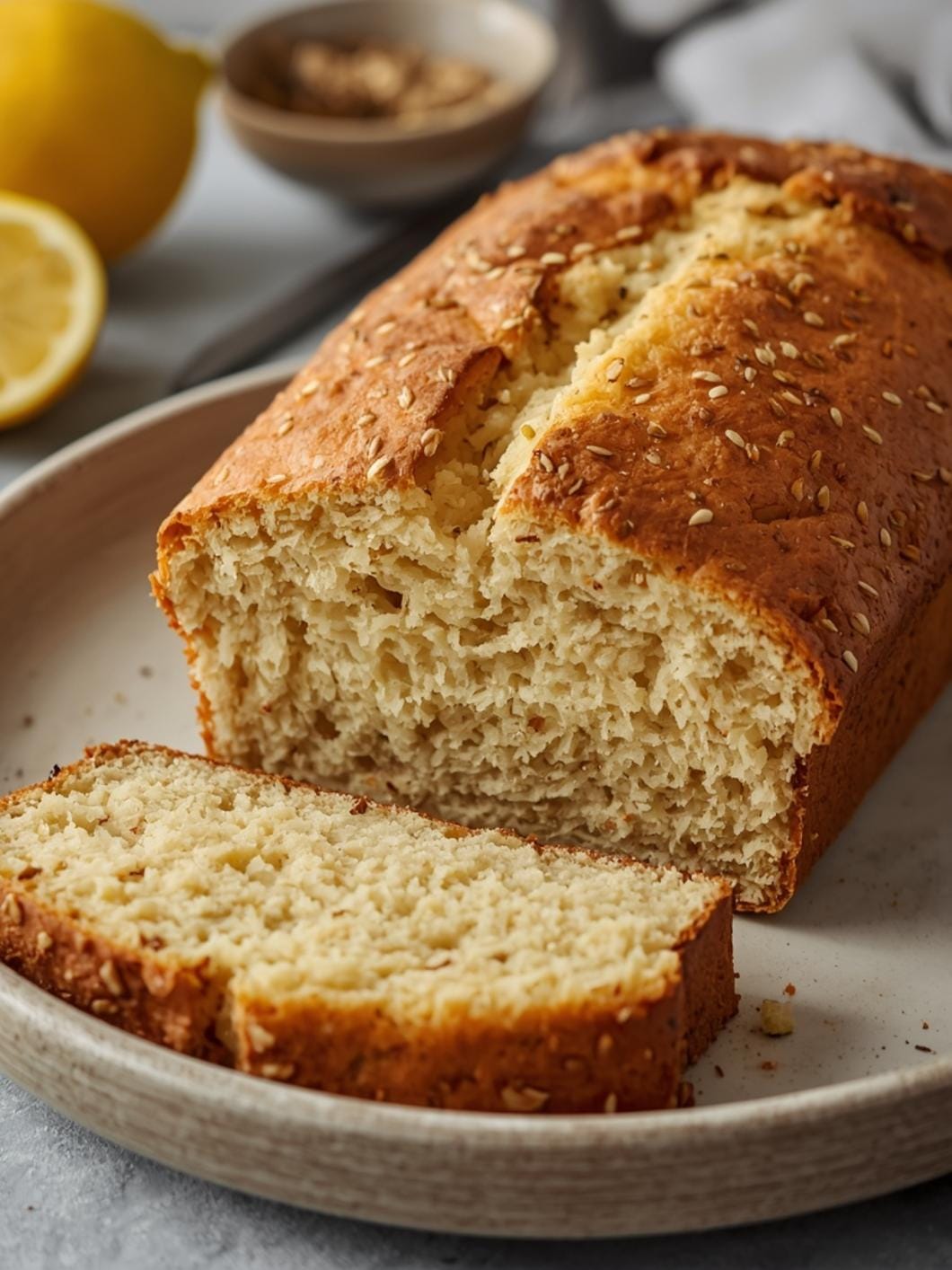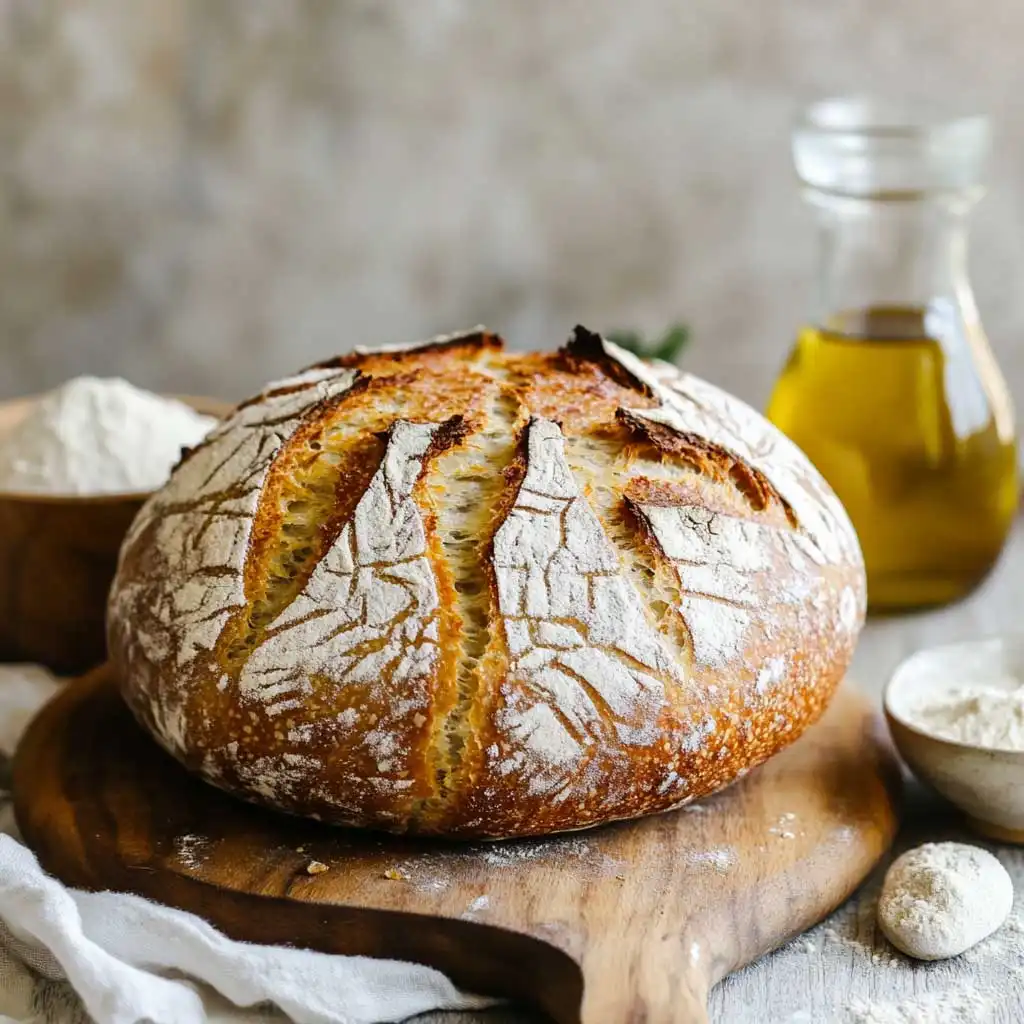

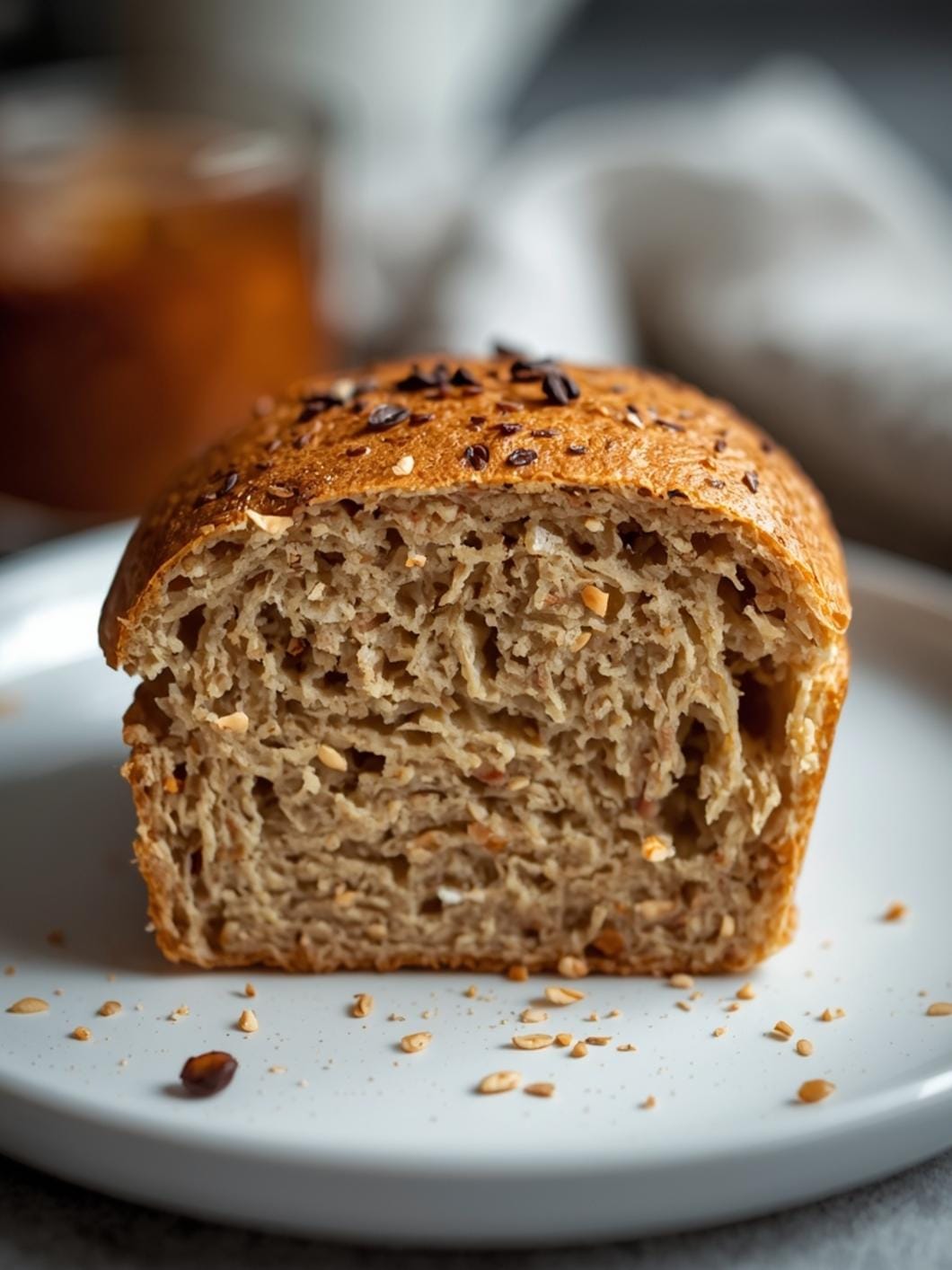
There’s nothing quite like the aroma of freshly baked bread filling your home, and with this easy multigrain sourdough recipe, you can achieve that comforting experience with minimal fuss. We’re going to walk through creating a beautiful, soft, and flavorful multigrain sourdough boule that’s perfect for slicing, toasting, or enjoying with your favorite meals.
This recipe is designed to be straightforward, guiding you through each step to ensure a successful bake even if you’re new to sourdough. Get ready to impress yourself and your family with this wholesome, homemade bread.

Easy Multigrain Sourdough Bread
- Total Time: 7-10 hours (including fermentation and cooling)
- Yield: 1 loaf 1x
Description
This easy multigrain sourdough recipe guides you through creating a beautiful, soft, and flavorful multigrain sourdough boule that’s perfect for slicing, toasting, or enjoying with your favorite meals. It balances the satisfying complexity of sourdough with a surprisingly approachable process, resulting in a wonderfully soft interior with a delightful chew, packed with nutty goodness.
Ingredients
Instructions
1. Combine Starter and Water: In a large mixing bowl, gently whisk together the active sourdough starter and warm water until the starter is mostly dissolved. The mixture should look milky and slightly frothy.
2. Add Dry Ingredients and Mix: Stir in the salt, bread flour, whole wheat flour, rolled oats, flax seeds, sunflower seeds, and optional honey or maple syrup. Mix with a sturdy spoon or your hands until all the flour is hydrated and a shaggy dough forms. Don’t worry about it being perfectly smooth at this stage. Cover the bowl with a damp towel or plastic wrap and let it rest for 30 minutes (autolyse).
3. Perform Stretch and Folds: After the rest, begin the stretch and fold process. With wet hands, grab a portion of the dough from one side, stretch it upwards, and fold it over to the center. Rotate the bowl a quarter turn and repeat this action three more times until you’ve completed a full round. Repeat this set of stretch and folds every 30 minutes for a total of 4-6 rounds, or until the dough feels stronger and more elastic.
4. Bulk Fermentation: After the stretch and folds, cover the bowl again and let the dough bulk ferment at room temperature for 3-5 hours, or until it has increased in volume by about 30-50% and shows signs of activity (small bubbles on the surface). The exact time will depend on your room temperature and starter strength.
5. Shape the Boule: Gently turn the dough out onto a lightly floured surface. Carefully preshape it into a round by gently pulling the edges towards the center to create tension on the surface. Let it rest for 20 minutes. Then, perform the final shaping by gently tightening the dough into a taut boule. Place the shaped dough seam-side up into a floured banneton (proofing basket) or a bowl lined with a floured tea towel.
6. Cold Proofing (Optional but Recommended): Cover the banneton with plastic wrap and refrigerate for 8-12 hours. This slow cold proof develops flavor and makes the dough easier to handle. Alternatively, you can proof at room temperature for 1-2 hours until it passes the “poke test” (a gentle poke leaves a slow-rebounding indentation).
7. Preheat Oven and Bake: Preheat your oven to 450 F (230 C) with a Dutch oven inside for at least 30 minutes. Carefully remove the hot Dutch oven, invert the dough into it, and score the top with a sharp razor blade or knife. Bake covered for 30 minutes, then remove the lid and bake for another 10-15 minutes, or until the crust is deeply golden brown and the internal temperature reaches 200-210 F (93-99 C).
8. Cool Completely: Transfer the baked bread to a wire rack and let it cool completely for at least 1-2 hours before slicing. This is crucial for the crumb structure and flavor to set properly.
- Prep Time: 20-25 minutes
- Cook Time: 40-45 minutes
- Category: bread
- Method: baking
- Cuisine: american
Nutrition
- Serving Size: 1 slice
Keywords: sourdough, multigrain, bread, homemade, baking, whole wheat, flax seeds, sunflower seeds, easy, boule
What You’ll Love About This Quick And Easy Recipe
This multigrain sourdough bread recipe is a true winner because it balances the satisfying complexity of sourdough with a surprisingly approachable process. It’s perfect for home bakers who want to elevate their bread game without dedicating an entire day to the kitchen. The resulting boule is wonderfully soft on the inside with a delightful chew, packed with the nutty goodness of various grains. It’s an excellent choice for family breakfasts, hearty sandwiches at lunchtime, or as a rustic accompaniment to a cozy dinner. This bread also makes a fantastic edible gift for friends and neighbors, showcasing your baking prowess with a truly delicious outcome.
Everything You Need To Make This Recipe Without Stress
Gathering your ingredients before you begin is key to a smooth baking experience. This recipe uses readily available items, making it simple to get started.
INGREDIENTS:
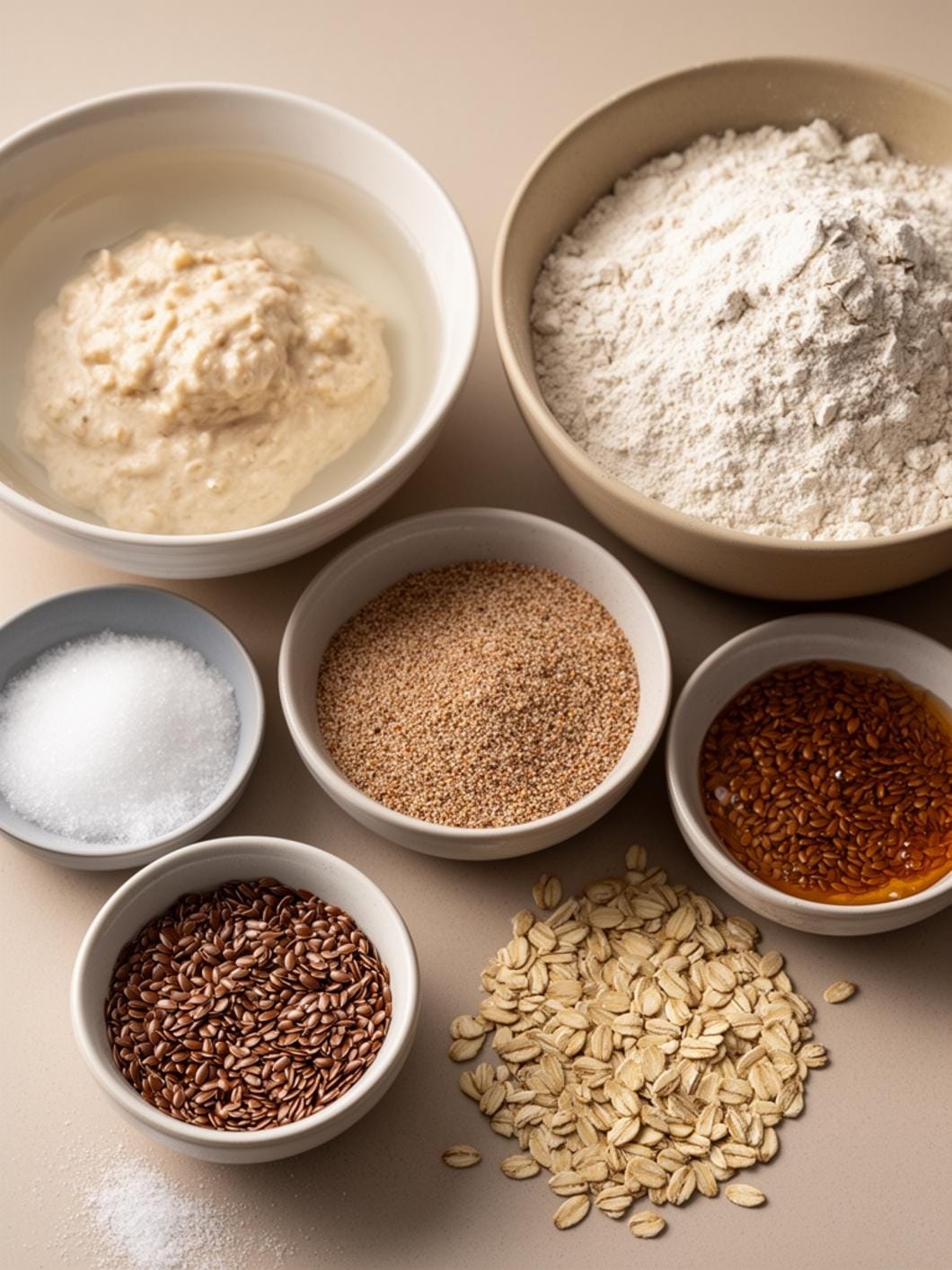
- 150 grams active sourdough starter (fed and bubbly)
- 300 grams warm water (around 90-95°F or 32-35°C)
- 10 grams fine sea salt
- 350 grams bread flour
- 50 grams whole wheat flour
- 50 grams rolled oats
- 25 grams flax seeds
- 25 grams sunflower seeds
- 1 tablespoon honey or maple syrup (optional, for a touch of sweetness)
- Extra flour for dusting
- Rice flour for dusting proofing basket (optional, helps prevent sticking)
For the flours, using a good quality bread flour will give you the best structure, but an all-purpose flour can work in a pinch if that’s what you have on hand. The whole wheat flour adds to the multigrain texture and flavor. For the seeds and oats, feel free to use a pre-mixed multigrain blend if you prefer, just ensure the total weight remains around 100 grams. If you don’t have flax or sunflower seeds, chia seeds or sesame seeds are great alternatives. The honey or maple syrup is entirely optional; it adds a subtle sweetness and can help with crust browning, but the bread is delicious without it too.
Time Needed From Start To Finish
While sourdough baking does involve periods of waiting for the dough to ferment, the active hands-on time for this multigrain boule is quite manageable.
- Active Prep Time: 20-25 minutes (mixing ingredients, initial shaping)
- Bulk Fermentation (First Rise): 4-6 hours (depending on room temperature and starter activity)
- Proofing (Second Rise): 2-4 hours at room temperature, or 8-12 hours in the refrigerator
- Baking Time: 40-45 minutes
- Cooling Time: At least 1-2 hours (crucial for texture and flavor)
Total Estimated Time: Approximately 7-10 hours, including fermentation and cooling, with only about an hour of hands-on work spread throughout the process.
How To Make It Step By Step With Visual Cues

Creating this beautiful multigrain sourdough boule is a rewarding process. Follow these steps carefully for the best results.
- Combine Starter and Water: In a large mixing bowl, gently whisk together the active sourdough starter and warm water until the starter is mostly dissolved. The mixture should look milky and slightly frothy.
- Add Dry Ingredients and Mix: Stir in the salt, bread flour, whole wheat flour, rolled oats, flax seeds, sunflower seeds, and optional honey or maple syrup. Mix with a sturdy spoon or your hands until all the flour is hydrated and a shaggy dough forms. Don’t worry about it being perfectly smooth at this stage. Cover the bowl with a damp towel or plastic wrap and let it rest for 30 minutes (autolyse).
- Perform Stretch and Folds: After the rest, begin the stretch and fold process. With wet hands, grab a portion of the dough from one side, stretch it upwards, and fold it over to the center. Rotate the bowl a quarter turn and repeat this action three more times until you’ve completed a full round. Repeat this set of stretch and folds every 30 minutes for a total of 4-6 rounds, or until the dough feels stronger and more elastic.
- Bulk Fermentation: After the stretch and folds, cover the bowl again and let the dough bulk ferment at room temperature for 3-5 hours, or until it has increased in volume by about 30-50% and shows signs of activity (small bubbles on the surface). The exact time will depend on your room temperature and starter strength.
- Shape the Boule: Gently turn the dough out onto a lightly floured surface. Carefully preshape it into a round by gently pulling the edges towards the center to create tension on the surface. Let it rest for 20 minutes. Then, perform the final shaping by gently tightening the dough into a taut boule. Place the shaped dough seam-side up into a floured banneton (proofing basket) or a bowl lined with a floured tea towel.
- Cold Proofing (Optional but Recommended): Cover the banneton with plastic wrap and refrigerate for 8-12 hours. This slow cold proof develops flavor and makes the dough easier to handle. Alternatively, you can proof at room temperature for 1-2 hours until it passes the “poke test” (a gentle poke leaves a slow-rebounding indentation).
- Preheat Oven and Bake: Preheat your oven to 450°F (230°C) with a Dutch oven inside for at least 30 minutes. Carefully remove the hot Dutch oven, invert the dough into it, and score the top with a sharp razor blade or knife. Bake covered for 30 minutes, then remove the lid and bake for another 10-15 minutes, or until the crust is deeply golden brown and the internal temperature reaches 200-210°F (93-99°C).
- Cool Completely: Transfer the baked bread to a wire rack and let it cool completely for at least 1-2 hours before slicing. This is crucial for the crumb structure and flavor to set properly.
Easy Variations And Serving Ideas That Fit Real Life
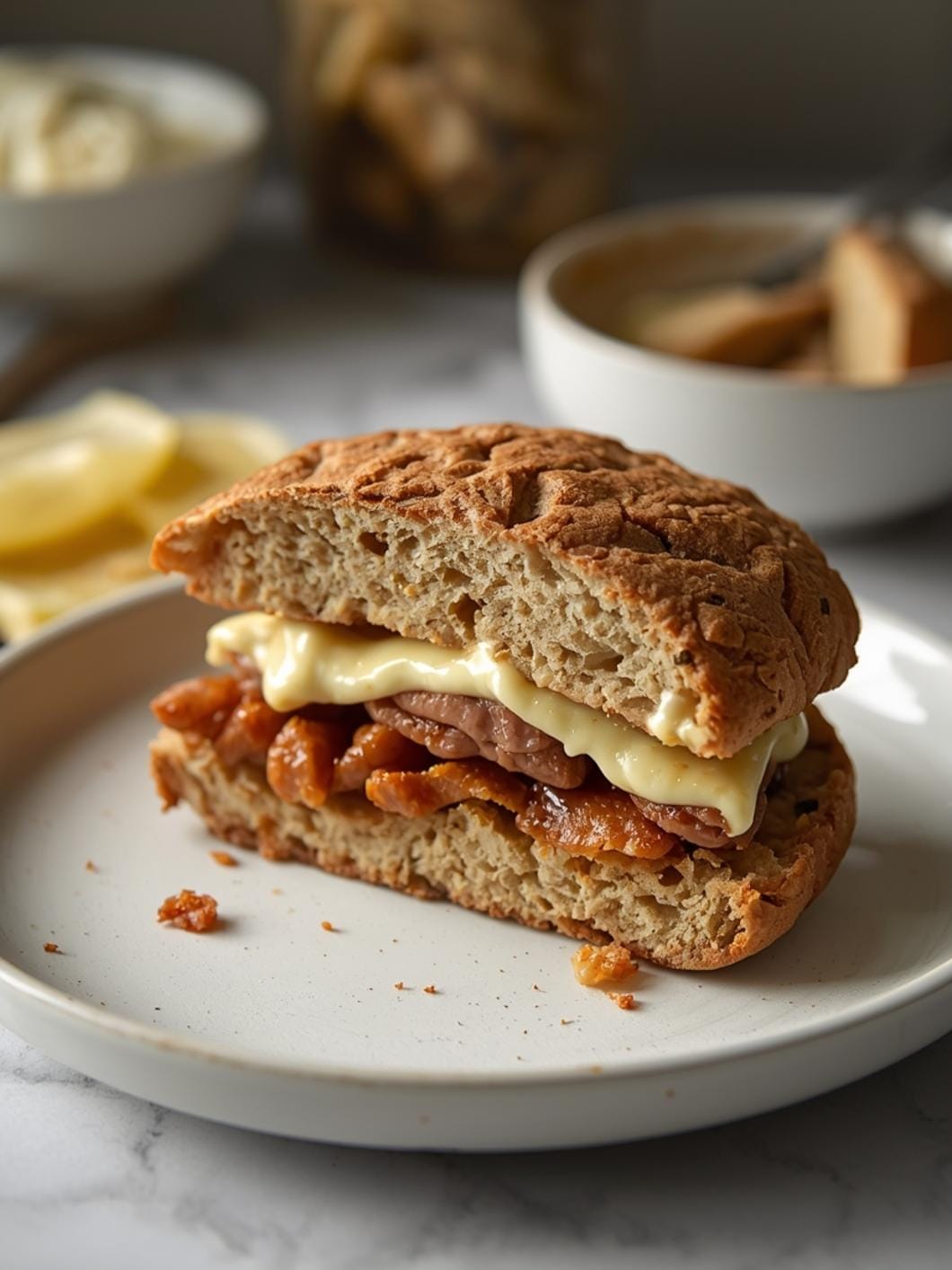
This multigrain sourdough boule is incredibly versatile and can be enjoyed in many ways, making it a staple for any family. For a kid-friendly twist, you can toast slices and spread them with cream cheese and fruit jam, or make mini open-faced sandwiches with turkey and cheese. For adults, it’s fantastic with a smear of avocado and a sprinkle of everything bagel seasoning.
Consider adding different seeds or grains to the dough for variations. A tablespoon of poppy seeds or sesame seeds can be mixed in with the other dry ingredients. You could also incorporate dried cranberries or chopped walnuts for a sweeter, heartier loaf, especially good with cheese. This bread makes an excellent base for bruschetta, garlic bread, or even homemade croutons. Serve it alongside a hearty soup or stew, or simply with a good quality olive oil for dipping. It’s also perfect for making gourmet sandwiches with deli meats, fresh vegetables, and your favorite spreads.
Common Slip-Ups And How To Avoid Them
Even experienced bakers can encounter issues, but many common sourdough problems are easily fixed with a little knowledge.
- Dense Crumb: This often happens if your starter isn’t active enough, or if the dough is under-proofed. Ensure your starter is consistently fed and bubbly before use. For proofing, learn to recognize the signs of a well-proofed dough: it should be jiggly, slightly expanded, and pass the poke test.
- Sticky Dough: If your dough is excessively sticky and hard to handle, it might be overhydrated or you might not be developing enough gluten. Try reducing the water by a small amount (10-20 grams) next time, or ensure you’re performing enough stretch and folds to build strength. Wetting your hands before handling the dough can also help.
- Flat Loaf: A flat loaf can be due to an over-proofed dough (where the gluten structure has weakened), insufficient shaping, or not enough oven spring. Pay attention to proofing times, especially in warmer environments. Practice your shaping technique to create good surface tension, and make sure your oven and Dutch oven are fully preheated for maximum oven spring.
- Burnt Bottom Crust: If the bottom of your bread is burning before the top is done, try placing a baking sheet on the rack below your Dutch oven to act as a heat shield. You can also try reducing the oven temperature slightly for the last 10-15 minutes of baking.
- Not Cooling Long Enough: Slicing into warm bread can lead to a gummy texture. The

FAQs
- Can I make these ahead? Yes—prep ahead, refrigerate, then serve when ready.
- How long do leftovers last? Store covered in the fridge for 3–4 days for best texture.
- Can I adjust sweetness? Yes—add more or less sweetener to taste.
- Can I change the fruit? Yes—swap strawberries for blueberries, raspberries, or sliced banana.