
This comforting baked stuffed butternut squash recipe features a flavorful sourdough, apple, and sage filling, making it a perfect easy-on-the-stomach meal for fall. It’s a fantastic way to enjoy the seasonal bounty with minimal fuss, delivering a dish that feels both gourmet and incredibly simple to prepare.
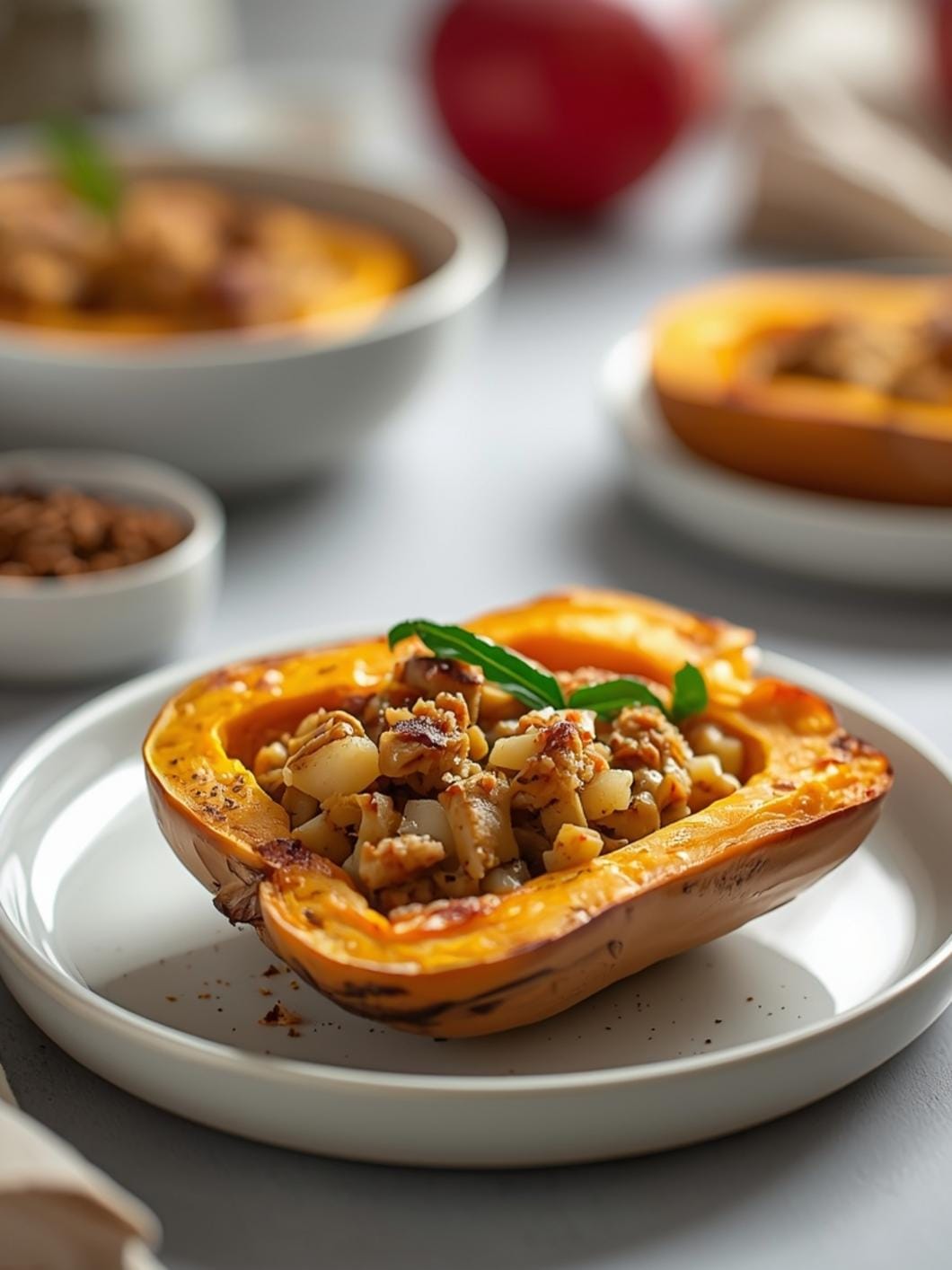
Whether you’re looking for a hearty weeknight dinner or a special side dish for a gathering, this recipe hits all the right notes. The combination of sweet apple, earthy sage, and the subtle tang of sourdough creates a balanced flavor profile that everyone at your table will appreciate.
Table of Contents
- What You’ll Love About This Quick And Easy Recipe
- Everything You Need To Make This Recipe Without Stress
- Time Needed From Start To Finish
- How To Make It Step By Step With Visual Cues
- Easy Variations And Serving Ideas That Fit Real Life
- Common Slip-Ups And How To Avoid Them
- How To Store It And Make It Ahead Without Ruining Texture

Sourdough Apple Sage Stuffed Butternut Squash
- Total Time: 60-70 minutes
- Yield: 4 servings 1x
Description
This comforting baked stuffed butternut squash recipe features a flavorful sourdough, apple, and sage filling, making it a perfect easy-on-the-stomach meal for fall. It’s a fantastic way to enjoy the seasonal bounty with minimal fuss, delivering a dish that feels both gourmet and incredibly simple to prepare.
Ingredients
Instructions
1. Prepare the Butternut Squash: Preheat your oven to 400 F (200 C). Carefully cut the butternut squash in half lengthwise. Scoop out the seeds and stringy bits with a spoon. Brush the cut sides with 1 tablespoon of olive oil and season lightly with salt and pepper. Place the squash halves cut-side down on a baking sheet.
2. Roast the Squash: Bake the squash for 30-40 minutes, or until it is tender when pierced with a fork. The flesh should be soft enough to easily scoop out, but the skin should still hold its shape.
3. Saute the Aromatics: While the squash is roasting, heat the remaining 1 tablespoon of olive oil in a large skillet over medium heat. Add the chopped onion and celery and cook for 5-7 minutes, until softened and translucent.
4. Build the Filling: Stir in the diced apple, chopped fresh sage, and dried thyme into the skillet with the onion and celery. Cook for another 3-5 minutes, allowing the apple to soften slightly and the flavors to meld.
5. Combine with Sourdough: Add the cubed sourdough bread to the skillet. Pour in the vegetable broth and stir well, ensuring the bread cubes absorb the liquid and soften. Season the filling generously with salt and freshly ground black pepper.
6. Stuff the Squash: Once the roasted butternut squash is cool enough to handle, use a spoon to carefully scoop out about half of the cooked flesh from each squash half, leaving a border of about 1/2 inch around the edges to maintain its structure. Mash the scooped-out squash flesh and add it to the skillet with the sourdough filling. Mix everything together thoroughly.
7. Final Bake: Spoon the prepared filling evenly back into the hollowed-out butternut squash halves. Return the stuffed squash to the baking sheet and bake for an additional 10-15 minutes, or until the filling is heated through and slightly golden on top.
8. Serve Warm: Let the stuffed squash rest for a few minutes before serving. This allows the flavors to settle and prevents you from burning your mouth.
- Prep Time: 20 minutes
- Cook Time: 40-50 minutes
- Category: main dish
- Method: baking
- Cuisine: american
Nutrition
- Serving Size: 1/2 stuffed squash
Keywords: butternut squash, stuffed squash, sourdough, apple, sage, fall, vegetarian, dairy-free, comfort food, easy
What You’ll Love About This Quick And Easy Recipe
This Sourdough Apple Sage Stuffed Butternut Squash recipe is a true winner for several reasons. First, it’s incredibly approachable for home cooks of all skill levels, requiring no complicated techniques or exotic ingredients. It’s designed to be a quick and satisfying meal, perfect for those busy weeknights when you want something wholesome and delicious without spending hours in the kitchen. The natural sweetness of the butternut squash pairs beautifully with the savory, aromatic filling, creating a balanced dish that’s both comforting and surprisingly light. It’s an excellent choice for a family dinner, a cozy fall evening, or even as a standout side dish for a holiday meal. Plus, it’s naturally dairy-free, making it suitable for a wider range of dietary needs without sacrificing flavor.
Everything You Need To Make This Recipe Without Stress
Gathering your ingredients for this stuffed butternut squash is straightforward. Most items are readily available at any grocery store, and you likely have several of them in your pantry already. The beauty of this recipe lies in its simplicity and the way a few key ingredients come together to create something truly special.
INGREDIENTS:

- 1 medium butternut squash (about 2-3 pounds)
- 2 tablespoons olive oil, divided
- 1 small yellow onion, finely chopped
- 1 celery stalk, finely chopped
- 1 medium apple (such as Honeycrisp or Fuji), cored and diced
- 1 cup sourdough bread, cut into 1/2-inch cubes
- 1/4 cup vegetable broth
- 2 tablespoons fresh sage, chopped
- 1/2 teaspoon dried thyme
- Salt to taste
- Freshly ground black pepper to taste
For simple substitutions, you can easily swap out the yellow onion for a white onion or even a shallot if you prefer a milder flavor. Any firm, slightly sweet apple variety will work well here; Granny Smith apples can add a nice tart contrast if you enjoy that. If fresh sage isn’t available, you can use 1 teaspoon of dried rubbed sage, but fresh always offers a more vibrant flavor. For the vegetable broth, chicken broth can be used if you don’t need the dish to be vegetarian or vegan. The sourdough bread is key for its unique flavor and texture, but in a pinch, a good quality rustic white bread or whole wheat bread could be used, though the flavor profile will be slightly different.
Time Needed From Start To Finish
This recipe is designed for efficiency, delivering a delicious meal without demanding too much of your time.
- Prep time: 20 minutes
- Cook time: 40-50 minutes
- Total time: 60-70 minutes
The majority of the cook time is hands-off, as the squash bakes in the oven, allowing you to focus on other tasks or simply relax.
How To Make It Step By Step With Visual Cues

Creating this flavorful stuffed butternut squash is a straightforward process. Follow these steps for a perfect result every time.
- Prepare the Butternut Squash: Preheat your oven to 400°F (200°C). Carefully cut the butternut squash in half lengthwise. Scoop out the seeds and stringy bits with a spoon. Brush the cut sides with 1 tablespoon of olive oil and season lightly with salt and pepper. Place the squash halves cut-side down on a baking sheet.
- Roast the Squash: Bake the squash for 30-40 minutes, or until it is tender when pierced with a fork. The flesh should be soft enough to easily scoop out, but the skin should still hold its shape.
- Sauté the Aromatics: While the squash is roasting, heat the remaining 1 tablespoon of olive oil in a large skillet over medium heat. Add the chopped onion and celery and cook for 5-7 minutes, until softened and translucent.
- Build the Filling: Stir in the diced apple, chopped fresh sage, and dried thyme into the skillet with the onion and celery. Cook for another 3-5 minutes, allowing the apple to soften slightly and the flavors to meld.
- Combine with Sourdough: Add the cubed sourdough bread to the skillet. Pour in the vegetable broth and stir well, ensuring the bread cubes absorb the liquid and soften. Season the filling generously with salt and freshly ground black pepper.
- Stuff the Squash: Once the roasted butternut squash is cool enough to handle, use a spoon to carefully scoop out about half of the cooked flesh from each squash half, leaving a border of about 1/2 inch around the edges to maintain its structure. Mash the scooped-out squash flesh and add it to the skillet with the sourdough filling. Mix everything together thoroughly.
- Final Bake: Spoon the prepared filling evenly back into the hollowed-out butternut squash halves. Return the stuffed squash to the baking sheet and bake for an additional 10-15 minutes, or until the filling is heated through and slightly golden on top.
- Serve Warm: Let the stuffed squash rest for a few minutes before serving. This allows the flavors to settle and prevents you from burning your mouth.
Easy Variations And Serving Ideas That Fit Real Life
This Sourdough Apple Sage Stuffed Butternut Squash is wonderfully versatile and can be adapted to suit various tastes and occasions.
For a more substantial meal, consider adding some cooked protein to the filling. Crumbled cooked sausage (pork or plant-based), shredded cooked chicken, or even some sautéed mushrooms can elevate the dish. If you’re not dairy-free, a sprinkle of Parmesan cheese or a dollop of goat cheese mixed into the filling before the final bake can add a lovely richness. For a touch of sweetness and crunch, a handful of toasted pecans or walnuts can be folded into the filling or sprinkled on top before serving.
This dish makes a fantastic main course for a light dinner, perhaps served alongside a simple green salad with a vinaigrette dressing. It also shines as an impressive side dish for roasted chicken, turkey, or pork loin. For a buffet or potluck, you can pre-slice the stuffed squash halves into smaller portions after baking, making it easier for guests to serve themselves. Kids often enjoy the sweet and savory combination; if they’re hesitant about the sage, you can reduce the amount slightly or omit it and add a pinch of cinnamon for a more apple-pie-like flavor.
Common Slip-Ups And How To Avoid Them
Even simple recipes can have common pitfalls. Here’s how to ensure your Sourdough Apple Sage Stuffed Butternut Squash turns out perfectly every time.
One common mistake is overcooking the butternut squash in the initial roast. If the squash becomes too soft, it can be difficult to scoop out the flesh without tearing the skin, making it hard to stuff. Aim for tender but still firm enough to hold its shape. Check for doneness with a fork; it should pierce easily but not feel mushy.
Another slip-up is not seasoning the filling adequately. Because butternut squash has a mild flavor, the filling needs to be well-seasoned to truly shine. Don’t be shy with the salt and pepper, and taste the filling before stuffing the squash to adjust as needed. The sage and thyme are crucial for the aromatic depth, so ensure you have fresh, vibrant herbs if possible.
Finally, using stale or overly dry sourdough bread can result in a filling that’s too crumbly. While slightly stale bread is good for absorbing the broth, rock-hard bread won’t soften properly. If your sourdough is very dry, you might need to add a touch more broth or let it soak for a few extra minutes before mixing. Conversely, using very fresh, soft bread can make the filling too mushy, so aim for bread that’s a day or two old.
How To Store It And Make It Ahead Without Ruining Texture
This Sourdough Apple Sage Stuffed Butternut Squash is excellent for meal prepping and can be stored effectively to enjoy later.
To store leftovers, allow the stuffed squash to cool completely. Then, transfer the halves to an airtight container. They will keep well in the refrigerator for up to 3-4 days. For reheating, you can place the stuffed squash halves back in an oven preheated to 350°F (175°C) for about 15-20 minutes, or until heated through. Alternatively, individual portions can be reheated in the microwave, though the texture of the bread filling might be slightly softer.
If you want to make this dish ahead of time, you have a couple of options. You can roast the butternut squash halves and prepare the filling separately. Store the roasted squash (covered) and the filling (in an airtight container) in the refrigerator for up to 2 days. When ready to serve, simply combine

FAQs
- Can I make these ahead? Yes—prep ahead, refrigerate, then serve when ready.
- How long do leftovers last? Store covered in the fridge for 3–4 days for best texture.
- Can I adjust sweetness? Yes—add more or less sweetener to taste.
- Can I change the fruit? Yes—swap strawberries for blueberries, raspberries, or sliced banana.