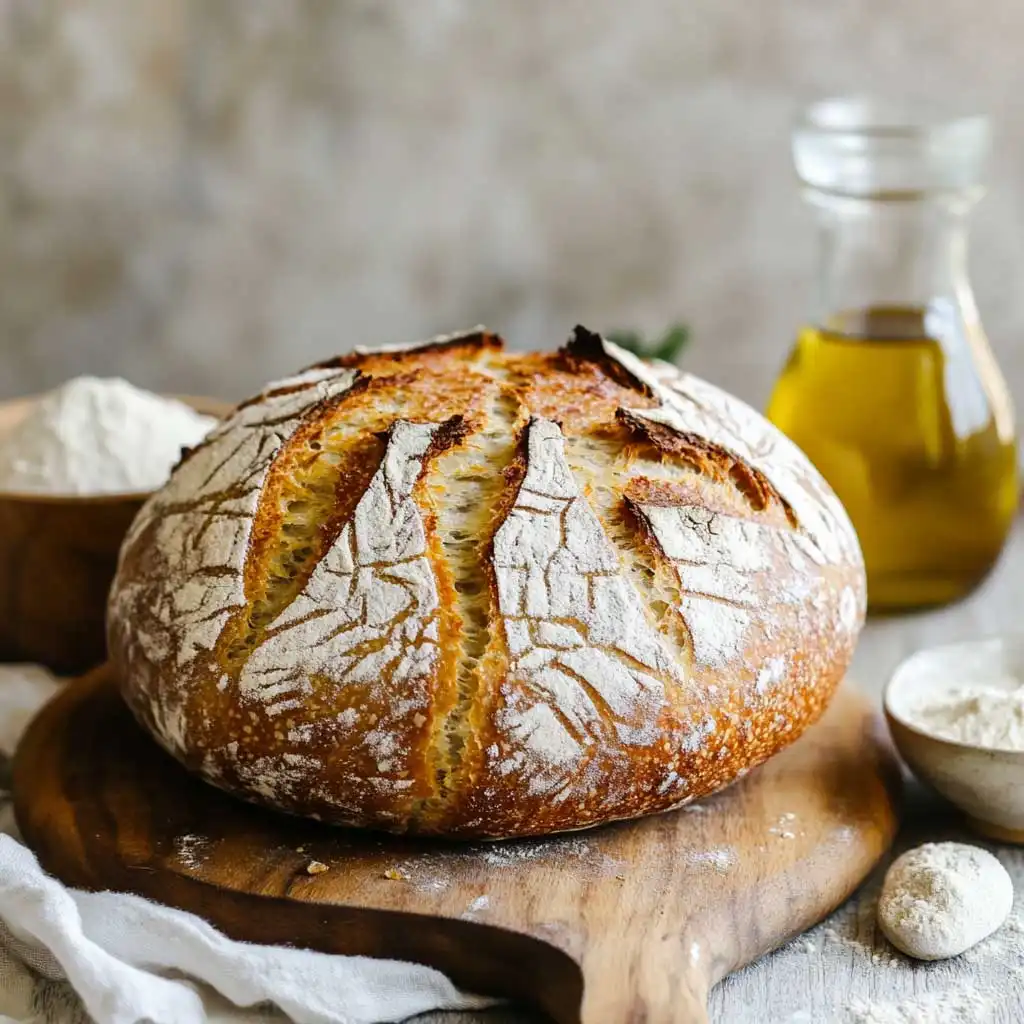

Having trouble with your sourdough crust coming out too dark? It’s a common issue that many home bakers face, and thankfully, it’s often easily remedied. Achieving that beautiful, golden-brown crust isn’t just about aesthetics; it also plays a role in the flavor and texture of your homemade loaf.
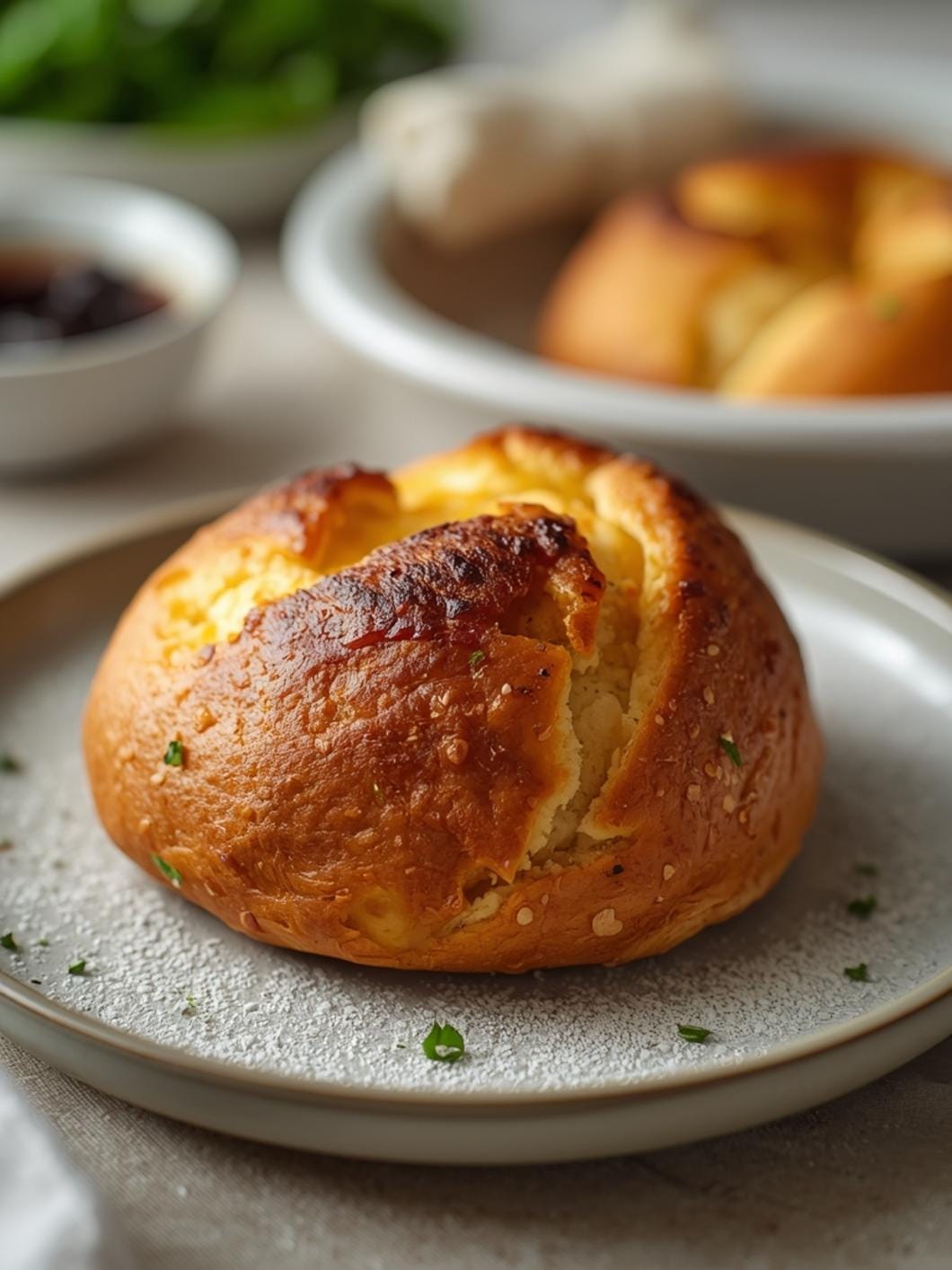
This guide will walk you through the reasons why your sourdough might be getting too dark and provide practical tips to help you consistently bake bread with a perfectly caramelized, delicious crust without burning. Let’s get your sourdough looking and tasting its best!
Table of Contents
- What You’ll Love About This Quick And Easy Recipe
- Everything You Need To Make This Recipe Without Stress
- Time Needed From Start To Finish
- How To Make It Step By Step With Visual Cues
- Easy Variations And Serving Ideas That Fit Real Life
- Common Slip-Ups And How To Avoid Them
- How To Store It And Make It Ahead Without Ruining Texture
- Questions People Always Ask Before Making This Recipe

Troubleshooting a Dark Sourdough Crust
- Total Time: 40-60 minutes
- Yield: 1 loaf
Description
This guide helps home bakers prevent their sourdough crust from becoming too dark, offering practical tips and adjustments to achieve a perfectly golden-brown, delicious crust without burning. It addresses common issues like oven temperature accuracy, steam application, and baking time, ensuring consistently beautiful results.
Ingredients
Instructions
1. Assess Your Oven Temperature Accuracy: Use an oven thermometer to verify your oven’s actual temperature. Adjust your oven dial accordingly if there’s a discrepancy.
2. Preheat Your Baking Vessel Thoroughly: If using a Dutch oven, ensure it’s preheated for at least 30-60 minutes at your target baking temperature.
3. Adjust Baking Temperature and Time: Try reducing your oven temperature by 25 F (about 15 C) from what your recipe calls for, especially during the second half of the bake. You might also need to shorten the overall baking time slightly.
4. Introduce Steam Effectively (Initial Bake): For the first 20-25 minutes of baking, steam is crucial. If using a Dutch oven, bake with the lid on. If baking on a stone or steel, use a steam pan with hot water or ice cubes.
5. Remove the Lid or Introduce Dry Heat (Second Half): After the initial steam period (when baking in a Dutch oven), remove the lid. This allows the crust to dry out and brown.
6. Shield the Crust from Excessive Heat: If your crust is consistently getting too dark, especially on top or bottom, use aluminum foil. For the top, loosely tent the loaf with foil for the last 10-15 minutes of baking. For a dark bottom, place a baking sheet on a lower rack or slide the loaf onto a cooler baking sheet for the final minutes.
7. Monitor Internal Temperature for Doneness: Check the internal temperature of your loaf. A fully baked loaf should register between 200-210 F (93-99 C) with an instant-read thermometer.
- Prep Time: 10 minutes
- Cook Time: 30-50 minutes
- Category: baking
- Method: baking
- Cuisine: american
Nutrition
- Serving Size: 1 slice
Keywords: sourdough, baking, crust, troubleshooting, bread, oven, steam, foil, golden, homemade
What You’ll Love About This Quick And Easy Recipe
This isn’t a recipe in the traditional sense, but rather a collection of practical solutions that will transform your sourdough baking experience. If you’ve been frustrated by loaves with charred bottoms or overly dark tops, these tips are for you. This guidance is perfect for any home baker, from beginners just starting their sourdough journey to more experienced bakers looking to fine-tune their technique. You’ll appreciate how these simple adjustments can lead to a significant improvement in your bread’s appearance and taste, making every loaf a proud accomplishment. It’s about understanding the science behind the bake and applying easy fixes to achieve consistently beautiful results.
Everything You Need To Make This Recipe Without Stress
While we’re not listing ingredients for a specific bread recipe here, understanding the tools and basic components involved in sourdough baking is crucial for troubleshooting. The “ingredients” for solving a dark crust problem often involve simple adjustments to your existing baking setup and process.
INGREDIENTS:
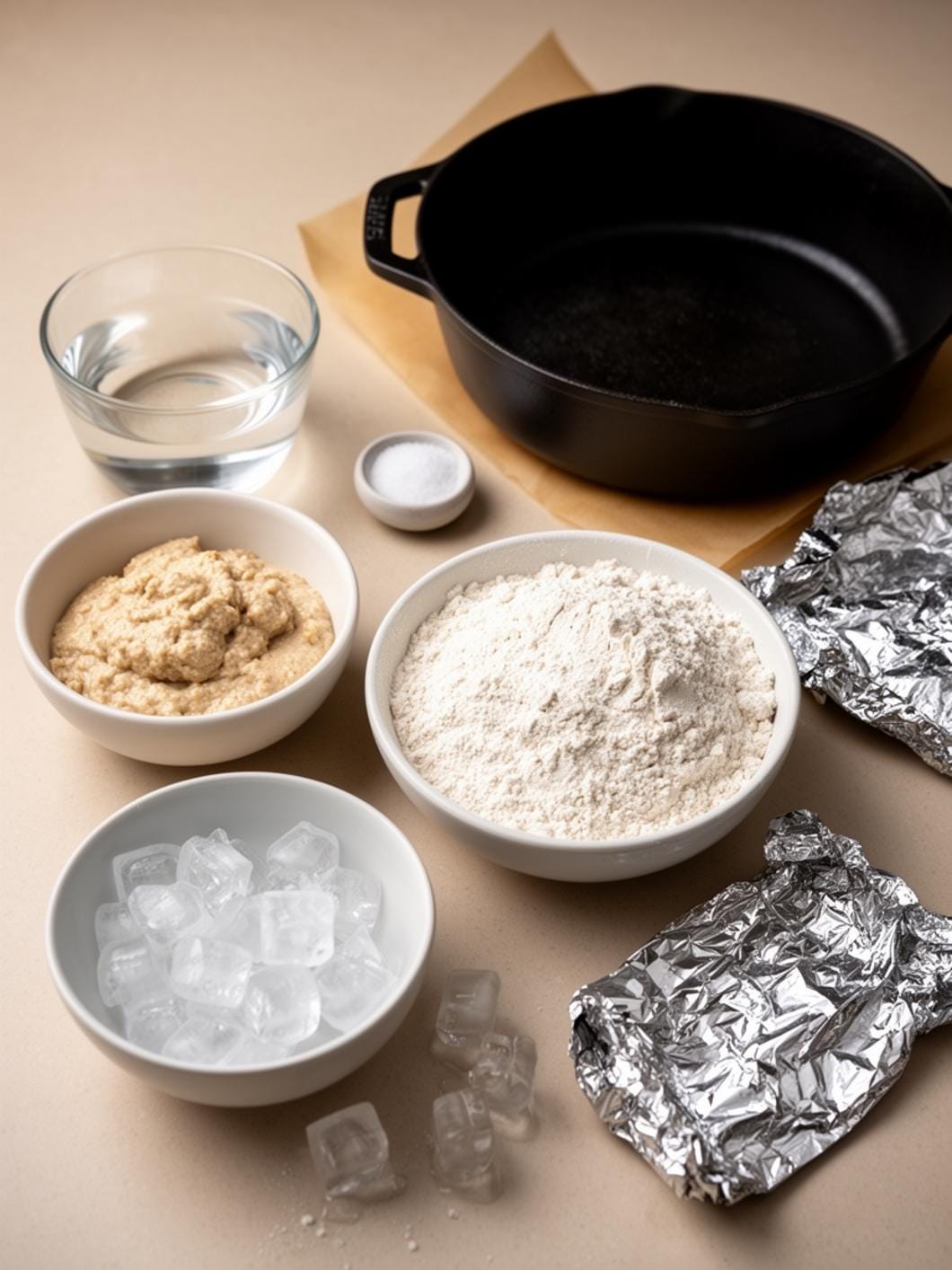
- Sourdough starter (active and fed)
- Flour (bread flour or all-purpose, as per your recipe)
- Water
- Salt
- Your preferred baking vessel (Dutch oven, baking steel, pizza stone, etc.)
- Parchment paper
- Ice cubes or water for steam (optional, depending on method)
- Aluminum foil (for troubleshooting)
When it comes to flour, using a good quality bread flour with a higher protein content can sometimes help with crust development, but it’s not usually the primary cause of a dark crust. Ensure your salt is non-iodized for best results in sourdough. For baking vessels, a Dutch oven is highly recommended for its ability to create a steamy environment, which is key to a good crust. If you don’t have one, a baking steel or pizza stone with a pan of water for steam can also work. Parchment paper is invaluable for easy transfer and preventing sticking.
Time Needed From Start To Finish
Addressing a dark sourdough crust isn’t about adding extra time to your baking process, but rather making smarter choices within your existing schedule. The “prep time” here involves understanding the issues and gathering any necessary troubleshooting items like aluminum foil. The “cook time” remains the same as your standard sourdough recipe, typically ranging from 30 to 50 minutes, depending on the loaf size and desired doneness. The “total time” for implementing these solutions is minimal, as they are integrated directly into your regular baking routine.
How To Make It Step By Step With Visual Cues
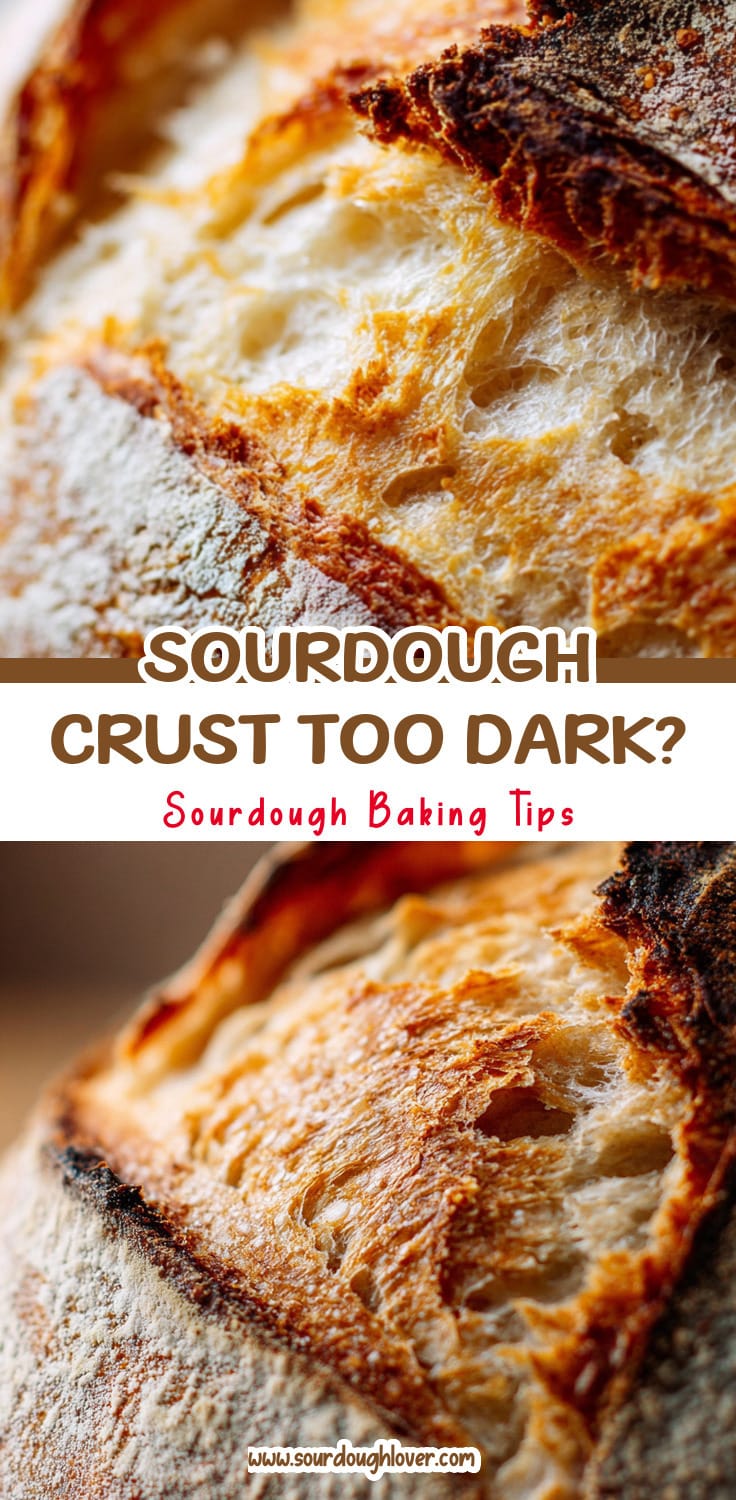
Solving the dark crust dilemma involves a few key strategic adjustments during your baking process. Follow these steps to achieve that perfect golden-brown finish.
- Assess Your Oven Temperature Accuracy: Before anything else, use an oven thermometer to verify your oven’s actual temperature. Many ovens run hotter or cooler than their display indicates, which can significantly impact crust color. Adjust your oven dial accordingly if there’s a discrepancy.
- Preheat Your Baking Vessel Thoroughly: If using a Dutch oven, ensure it’s preheated for at least 30-60 minutes at your target baking temperature. A properly hot vessel helps create immediate oven spring and sets the crust quickly, but an overly hot vessel can also lead to burning.
- Adjust Baking Temperature and Time: A common cause of a dark crust is baking at too high a temperature for too long. Try reducing your oven temperature by 25°F (about 15°C) from what your recipe calls for, especially during the second half of the bake. You might also need to shorten the overall baking time slightly.
- Introduce Steam Effectively (Initial Bake): For the first 20-25 minutes of baking, steam is crucial for a thin, crispy crust. If using a Dutch oven, bake with the lid on. If baking on a stone or steel, use a steam pan with hot water or ice cubes. This moist environment prevents the crust from hardening too quickly and burning.
- Remove the Lid or Introduce Dry Heat (Second Half): After the initial steam period (when baking in a Dutch oven), remove the lid. This allows the crust to dry out and brown. If your crust is browning too quickly at this stage, proceed to the next step.
- Shield the Crust from Excessive Heat: If your crust is consistently getting too dark, especially on top or bottom, use aluminum foil. For the top, loosely tent the loaf with foil for the last 10-15 minutes of baking. For a dark bottom, place a baking sheet on a lower rack or slide the loaf onto a cooler baking sheet for the final minutes.
- Monitor Internal Temperature for Doneness: While crust color is a good indicator, the best way to ensure your bread is fully baked is by checking its internal temperature. A fully baked loaf should register between 200-210°F (93-99°C) with an instant-read thermometer.
Easy Variations And Serving Ideas That Fit Real Life
While these tips are about fixing a problem, they also open doors to more consistent, beautiful bread that enhances any meal. A perfectly golden-brown sourdough loaf is incredibly versatile. Serve thick slices alongside a hearty soup or stew for a comforting family dinner. It’s fantastic toasted for breakfast with butter and jam, or as the base for avocado toast. For a quick lunch, use it to make gourmet sandwiches with your favorite deli meats and cheeses.
Consider making a simple bruschetta by toasting slices, rubbing them with a garlic clove, drizzling with olive oil, and topping with fresh diced tomatoes and basil. For a party or buffet, a beautiful sourdough loaf can be the centerpiece of a cheese board, accompanied by various cheeses, cured meats, olives, and fruit. You can also turn slightly older bread into croutons for salads or breadcrumbs for cooking. The key is that a well-baked loaf provides a superior foundation for all these delicious possibilities.
Common Slip-Ups And How To Avoid Them
Even experienced bakers can fall into traps that lead to a dark sourdough crust. One common mistake is not knowing your oven’s true temperature. An oven that runs hot will inevitably over-bake your crust. Always use an oven thermometer to calibrate your baking. Another slip-up is baking at a consistently high temperature for the entire duration. While high heat is great for initial oven spring, it often needs to be reduced for the latter part of the bake to prevent burning. Don’t be afraid to lower the temperature after the first 20-30 minutes.
Insufficient steam during the initial bake can also contribute to a tough, dark crust. Steam keeps the crust pliable, allowing the loaf to expand fully before the crust sets. If it sets too early, it can become thick and prone to burning. Ensure your Dutch oven lid is tight, or that your steam setup is effective. Finally, ignoring visual cues is a big one. Don’t just set a timer and walk away. Keep an eye on your loaf, especially in the last 10-15 minutes. If it’s browning too quickly, cover it with foil immediately. Proactivity is key to preventing a burnt crust.
How To Store It And Make It Ahead Without Ruining Texture
Once you’ve achieved that perfect golden crust, proper storage is essential to maintain its quality. Allow your sourdough loaf to cool completely on a wire rack for at least 2-3 hours, or even longer, before slicing. Slicing too early traps steam and can make the crumb gummy and the crust soft.
For short-term storage (1-2 days), store the whole loaf at room temperature, cut-side down on a cutting board, or in a clean linen bread bag. Avoid airtight plastic bags, as they can soften the crust. For longer storage, you can freeze sourdough. Slice the cooled loaf and place the slices in a freezer-safe bag or airtight container, separated by parchment paper if desired. It will keep well for up to 3 months. When ready to enjoy, simply toast the frozen slices directly or thaw them at room temperature. Reheating a whole loaf can be done by spritzing it lightly with water and reheating in a 350°F (175°C) oven for 10-15 minutes until the crust crisps up again.
Questions People Always Ask Before Making This Recipe
Q: Why is my sourdough crust always so dark, even when the inside isn’t fully cooked? A: This usually indicates your oven temperature is too high, or you’re baking for too long without adjusting the temperature or shielding the crust. Try lowering the temperature and using foil.
Q: Does the type of flour affect crust color? A: While different flours can subtly affect browning, it’s usually not the primary cause of an overly dark crust. Whole wheat flours tend to brown more quickly than

FAQs
- Can I make these ahead? Yes—prep ahead, refrigerate, then serve when ready.
- How long do leftovers last? Store covered in the fridge for 3–4 days for best texture.
- Can I adjust sweetness? Yes—add more or less sweetener to taste.
- Can I change the fruit? Yes—swap strawberries for blueberries, raspberries, or sliced banana.