
Learning to strengthen your sourdough dough through proper handling is a game-changer for homemade bread.

The coil fold technique is a gentle yet incredibly effective way to develop gluten, leading to a beautifully structured crumb and a more resilient dough. It’s a fundamental skill that will elevate your sourdough baking from good to truly exceptional.
This guide will walk you through the essential steps of performing coil folds, ensuring your sourdough bread achieves that perfect airy texture and robust flavor you’ve been dreaming of. Mastering this technique is simpler than you might think and will make a noticeable difference in the quality of your loaves.
Table of Contents
- What You’ll Love About This Quick And Easy Recipe
- Everything You Need To Make This Recipe Without Stress
- Time Needed From Start To Finish
- How To Make It Step By Step With Visual Cues
- Easy Variations And Serving Ideas That Fit Real Life
- Common Slip-Ups And How To Avoid Them
- How To Store It And Make Ahead Without Ruining Texture

Sourdough Coil Fold Technique
- Total Time: 2-4 hours (intermittent)
- Yield: 1 loaf
Description
Master the sourdough coil fold technique to strengthen your dough, develop gluten, and achieve a beautifully structured crumb and resilient loaf. This fundamental skill is a game-changer for homemade sourdough bread, leading to better oven spring and an open crumb.
Ingredients
Instructions
1. 1. Prepare Your Workspace and Hands: Lightly wet your hands with a little water. This prevents the sticky dough from adhering to your fingers, making the process much smoother and less messy. You want just enough water to create a slick surface, not to add extra moisture to your dough.
2. 2. Access Your Dough: Gently slide your hands under the edges of your dough, which should be resting in a bowl or proofing container. If your dough is in a rectangular container, you’ll work from the shorter sides first.
3. 3. Lift and Stretch One Side: With wet hands, gently grab the dough from the middle of one side. Lift it straight up, letting it stretch under its own weight. You’ll feel the dough resist as the gluten develops. Lift until you feel significant tension, but don’t force it to tear.
4. 4. Fold Underneath: As you lift, the dough will naturally lengthen. Bring the lifted portion of the dough back towards the center and gently tuck it underneath itself. Imagine you’re creating a “coil” or a “log” with the dough.
5. 5. Repeat on Opposite Side: Rotate your bowl 180 degrees and repeat steps 3 and 4 on the opposite side of the dough. Lift, stretch, and fold it under the center. By now, your dough will feel noticeably firmer and more cohesive.
6. 6. Complete the Set: Rotate your bowl 90 degrees and repeat the lift-and-fold process on the remaining two sides. After all four sides have been lifted and folded, your dough should resemble a more compact, rounded mass.
7. 7. Rest the Dough: Cover your dough and let it rest for 30-60 minutes before performing the next set of coil folds. The resting period allows the gluten to relax, making it easier to stretch and fold again.
8. 8. Observe Dough Development: After each set of coil folds, you’ll notice your dough becoming progressively stronger, smoother, and more elastic. It will hold its shape better and have a more defined structure. Continue with the recommended number of coil folds in your recipe, typically 2-4 sets.
- Prep Time: 1-2 minutes per set
- Cook Time: N/A
- Category: baking
- Method: folding
- Cuisine: european
Nutrition
- Serving Size: 1 slice
Keywords: sourdough, baking, bread, technique, gluten development, coil fold, homemade, fermentation, dough handling, artisan bread
What You’ll Love About This Quick And Easy Recipe
This technique isn’t a recipe in the traditional sense, but rather a crucial skill that will dramatically improve all your sourdough bread recipes. You’ll love it because it’s a hands-on, intuitive method that allows you to truly connect with your dough. It’s perfect for home bakers who want to understand the science behind great bread and take their sourdough game to the next level. This method is for anyone who has struggled with flat loaves or dense crumbs and wants a practical solution. It’s best performed during the bulk fermentation stage of your sourdough process, transforming a sticky, relaxed dough into a strong, elastic one. The result is a bread with better oven spring, a more open crumb structure, and a delightful chew.
Everything You Need To Make This Recipe Without Stress
This isn’t a recipe that requires a long list of ingredients, as it focuses on a technique applied to your existing sourdough dough. However, having the right setup can make the process smoother.
INGREDIENTS:
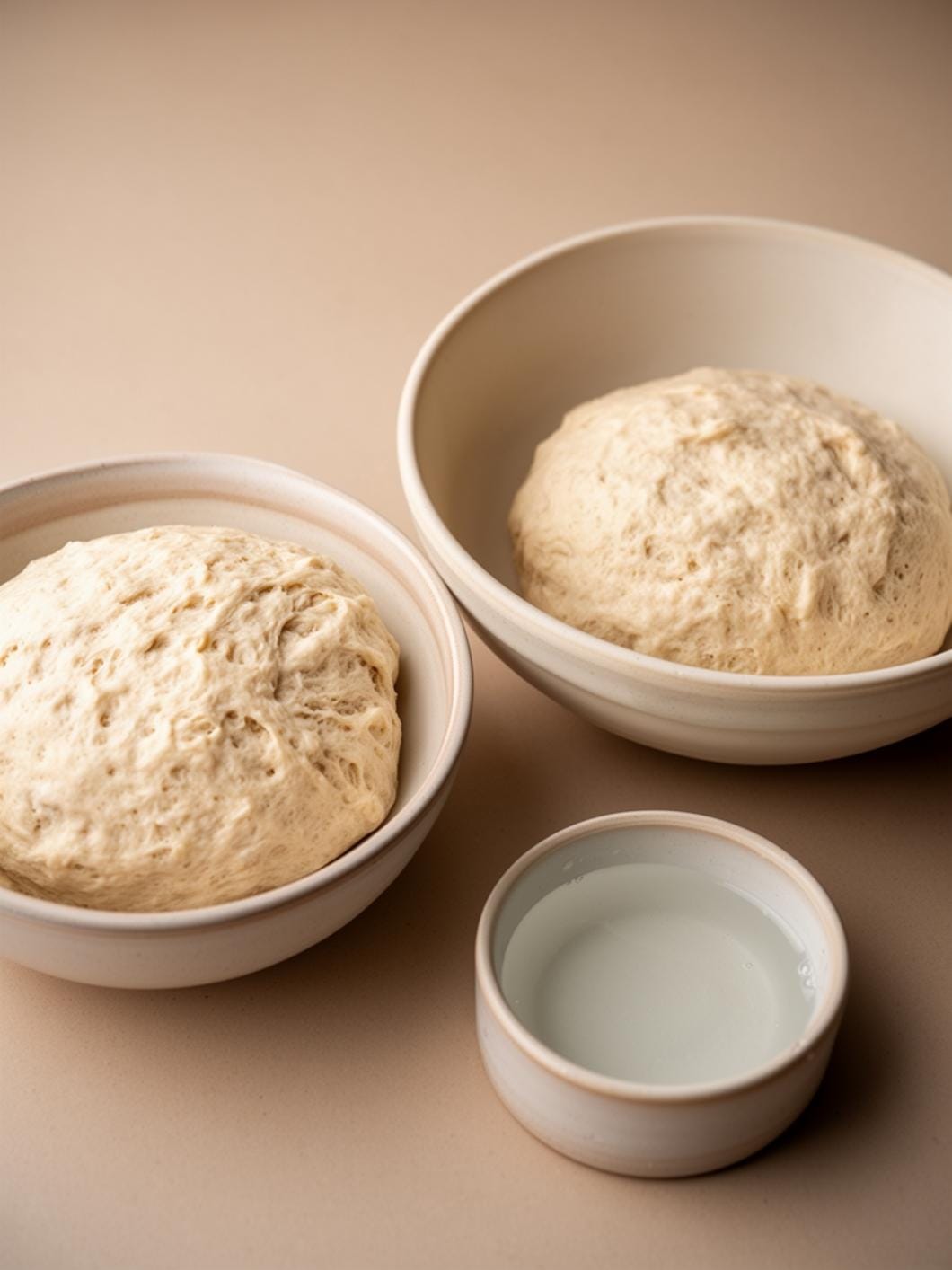
- Your prepared sourdough dough (after mixing and initial rest)
- A small amount of water (for wetting hands)
You won’t need any special or obscure ingredients for coil folds. The primary “ingredient” is your sourdough dough, which you would have already prepared according to your favorite recipe. The water is simply for preventing the dough from sticking to your hands, making the folding process much cleaner and easier. There are no brand-specific recommendations here; focus on the quality of your starter and flour for your dough.
Time Needed From Start To Finish
The actual time spent performing coil folds is quite minimal, but they are integrated into the longer bulk fermentation process of sourdough bread.
Prep Time: 1-2 minutes per set of coil folds Cook Time: N/A (this is a dough handling technique) Total Time: The coil folds themselves take very little time, but they are typically performed 2-4 times over a 2-4 hour bulk fermentation period, depending on your recipe and dough.
How To Make It Step By Step With Visual Cues
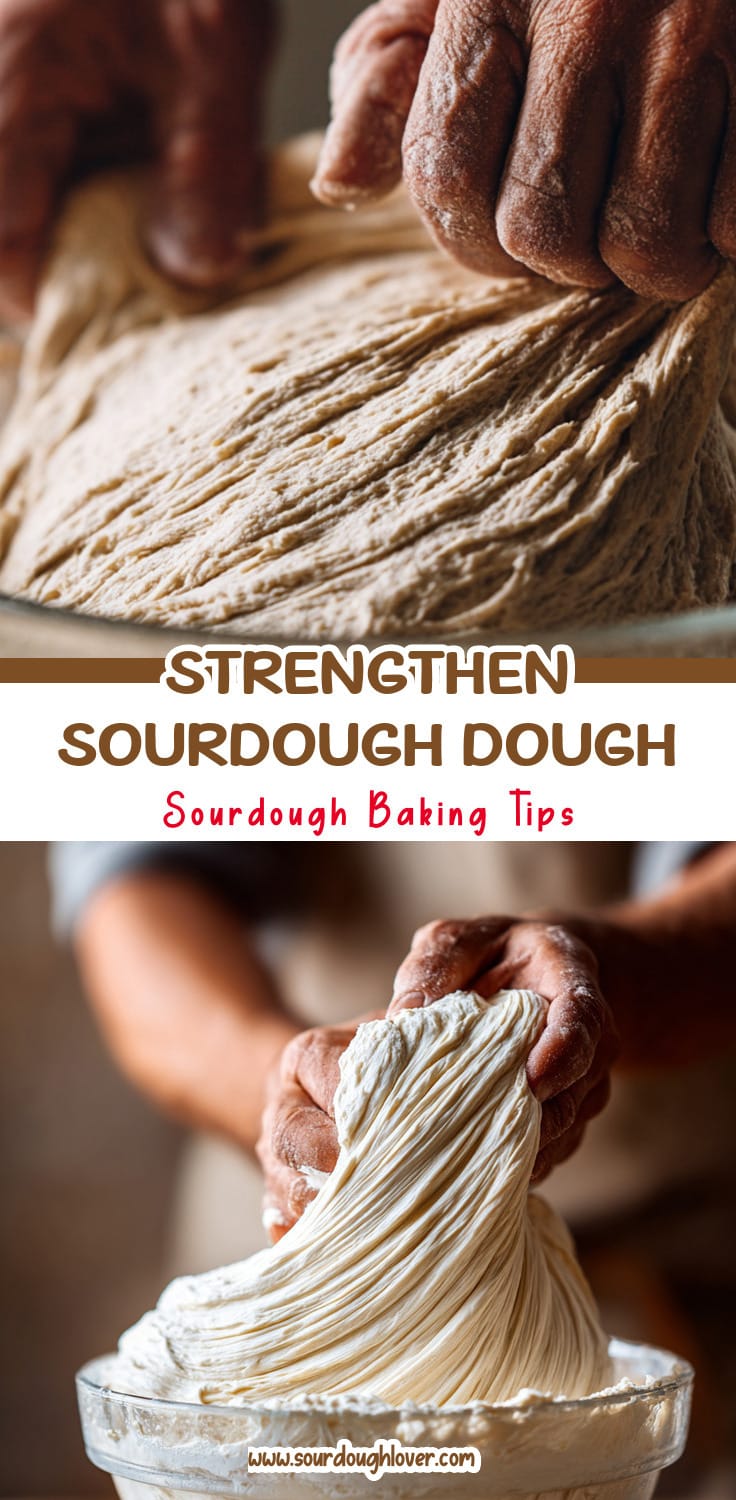
Performing coil folds is a gentle process that helps develop gluten without tearing the dough. Here’s how to do it effectively:
- Prepare Your Workspace and Hands: Lightly wet your hands with a little water. This prevents the sticky dough from adhering to your fingers, making the process much smoother and less messy. You want just enough water to create a slick surface, not to add extra moisture to your dough.
- Access Your Dough: Gently slide your hands under the edges of your dough, which should be resting in a bowl or proofing container. If your dough is in a rectangular container, you’ll work from the shorter sides first.
- Lift and Stretch One Side: With wet hands, gently grab the dough from the middle of one side. Lift it straight up, letting it stretch under its own weight. You’ll feel the dough resist as the gluten develops. Lift until you feel significant tension, but don’t force it to tear.
- Fold Underneath: As you lift, the dough will naturally lengthen. Bring the lifted portion of the dough back towards the center and gently tuck it underneath itself. Imagine you’re creating a “coil” or a “log” with the dough.
- Repeat on Opposite Side: Rotate your bowl 180 degrees and repeat steps 3 and 4 on the opposite side of the dough. Lift, stretch, and fold it under the center. By now, your dough will feel noticeably firmer and more cohesive.
- Complete the Set: Rotate your bowl 90 degrees and repeat the lift-and-fold process on the remaining two sides. After all four sides have been lifted and folded, your dough should resemble a more compact, rounded mass.
- Rest the Dough: Cover your dough and let it rest for 30-60 minutes before performing the next set of coil folds. The resting period allows the gluten to relax, making it easier to stretch and fold again.
- Observe Dough Development: After each set of coil folds, you’ll notice your dough becoming progressively stronger, smoother, and more elastic. It will hold its shape better and have a more defined structure. Continue with the recommended number of coil folds in your recipe, typically 2-4 sets.
Easy Variations And Serving Ideas That Fit Real Life
While coil folds are a technique rather than a recipe, their impact on your sourdough bread opens up a world of possibilities for serving. A well-structured sourdough loaf is incredibly versatile.
- Classic Toast: Serve slices toasted with butter, jam, or avocado for a simple, satisfying breakfast or snack.
- Hearty Sandwiches: The robust crust and open crumb of a properly folded sourdough loaf make it ideal for holding substantial sandwich fillings, from deli meats and cheeses to grilled vegetables.
- Soup Dippers: A crusty slice of sourdough is perfect for soaking up rich soups and stews.
- Bruschetta or Crostini: Slice thinly, toast, and top with fresh tomatoes, basil, garlic, and olive oil for an elegant appetizer.
- Cheese Board Companion: The tangy flavor of sourdough pairs beautifully with a variety of cheeses, fruits, and charcuterie.
- Kid-Friendly Fun: Kids often love tearing off pieces of crusty bread. Offer it alongside their favorite dips like hummus or a simple olive oil and balsamic vinegar mix. You can also make mini grilled cheese sandwiches with sourdough for a more substantial meal.
- Flavor Infusions: While not directly related to the coil fold technique, a strong dough allows you to easily incorporate mix-ins like olives, herbs, or cheese into your sourdough recipe without compromising the structure, creating flavored loaves.
Common Slip-Ups And How To Avoid Them
Even with a seemingly simple technique like coil folds, there are a few common mistakes beginners make. Understanding these can help you achieve perfect results every time.
- Tearing the Dough: The most common mistake is being too aggressive and tearing the dough during the lift. This undoes the gluten development you’re trying to achieve. *How to avoid:* Be gentle! Lift the dough slowly and let gravity do most of the stretching. Stop lifting when you feel significant resistance, not when it’s about to break.
- Not Wetting Hands Enough (or Too Much): If your hands are too dry, the dough will stick, making it hard to release and potentially tearing it. If your hands are too wet, you’re adding unnecessary water to your dough, which can affect its consistency. *How to avoid:* Lightly dampen your hands, just enough to create a non-stick surface. Re-wet as needed between folds.
- Skipping Folds or Doing Too Few: Each set of coil folds builds strength. If you skip them or don’t do enough, your dough won’t develop the necessary structure for a good rise and open crumb. *How to avoid:* Follow your recipe’s guidance for the number of folds and the intervals between them. Pay attention to how the dough feels – it should become progressively stronger and smoother.
- Overworking the Dough: While you want to build strength, excessive or overly vigorous folding can also damage the gluten network. *How to avoid:* Perform the folds gently and efficiently. Once you’ve completed a set, cover the dough and let it rest. Don’t continue to handle it unnecessarily.
- Not Observing Dough Development: Relying solely on a timer without checking the dough’s feel can lead to under- or over-proofed dough. *How to avoid:* After each set of folds, gently poke the dough. It should feel more elastic and resilient. By the end of the bulk fermentation, it should be jiggly, airy, and have increased in volume.
How To Store It And Make Ahead Without Ruining Texture
Since coil folds are a technique applied during the bulk fermentation of sourdough, the storage and make-ahead aspects refer to the finished bread itself. Proper storage ensures your beautifully crafted loaf stays fresh and delicious.
- Storing Freshly Baked Sourdough: Once your sourdough bread has cooled completely (this is crucial to prevent a gummy interior), store it at room temperature. The best way to keep the crust crisp and the interior soft is to store it cut-side down on a cutting board, covered loosely with a clean kitchen towel. This allows air to circulate but prevents it from drying out too quickly. For longer storage, you can place it in a paper bag or a bread box. Avoid airtight plastic bags for the first day or two, as they can soften the crust.
- Extending Freshness: If you won’t eat the entire loaf within 2-3 days, consider slicing the remaining bread and freezing it.
- **

FAQs
- Can I make these ahead? Yes—prep ahead, refrigerate, then serve when ready.
- How long do leftovers last? Store covered in the fridge for 3–4 days for best texture.
- Can I adjust sweetness? Yes—add more or less sweetener to taste.
- Can I change the fruit? Yes—swap strawberries for blueberries, raspberries, or sliced banana.