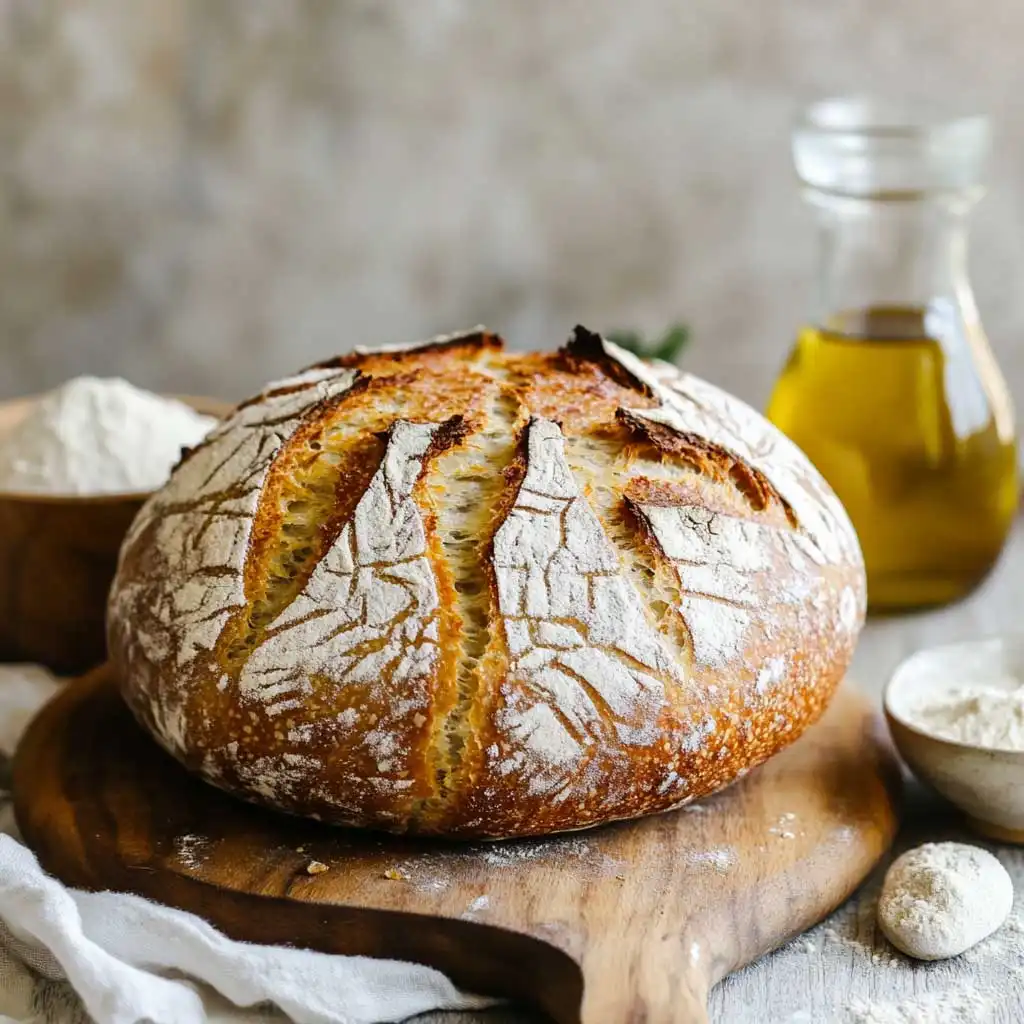

Mastering sourdough fermentation is a cornerstone of successful sourdough baking.

It’s the stage where your dough develops its complex flavors and achieves the perfect structure for a beautiful, airy crumb. Knowing precisely when your dough has reached its peak fermentation can feel like a mystery at first, but with a few key observations, you’ll soon develop an intuitive sense for it.
This guide will walk you through the essential signs to look for, helping you confidently assess your sourdough dough’s readiness. We’ll focus on practical, visual, and tactile cues that indicate optimal fermentation, ensuring your homemade sourdough bread turns out perfectly every time.

Mastering Sourdough Fermentation: Knowing When Your Dough is Ready
- Total Time: Varies (2-18 hours depending on method)
- Yield: 1 loaf
Description
This guide demystifies sourdough fermentation, providing essential visual and tactile cues to help bakers determine when their dough is perfectly proofed for baking. It focuses on practical observations to ensure consistent, delicious results every time.
Ingredients
Instructions
1. Observe the Volume Increase: During bulk fermentation, your dough should visibly increase in volume (20-50%). For the final proof, look for a significant increase (30-70%).
2. Look for Surface Bubbles and Activity: The surface of your dough should show small bubbles, indicating gas production. If in a clear container, you’ll see bubbles on the sides and bottom.
3. Check for a Domed, Smooth Surface: A well-fermented dough will often have a slightly domed, taut surface, especially after shaping and during the final proof. It shouldn’t look slack or deflated.
4. Perform the “Poke Test” (for Final Proof): Gently flour your finger and lightly press it into the dough about half an inch deep. If under-proofed, it springs back immediately. If perfectly proofed, it springs back slowly, about halfway. If over-proofed, the indentation remains completely.
5. Assess the Dough’s Jiggle and Movement: Gently shake your proofing container or banneton. A well-proofed dough will have a slight jiggle, indicating it’s airy but still holds its shape.
6. Smell the Dough: A perfectly fermented sourdough dough will have a pleasant, slightly tangy, yeasty aroma. It shouldn’t smell overly sour or like alcohol.
7. Consider the Dough’s Texture: When gently handled, the dough should feel light, airy, and somewhat elastic. It shouldn’t feel dense, heavy, or unmanageably sticky.
- Prep Time: Varies (observation time)
- Cook Time: N/A
- Category: baking
- Method: fermentation
- Cuisine: european
Nutrition
- Serving Size: 1 slice
Keywords: sourdough, fermentation, proofing, baking, bread, dough, starter, homemade, technique, guide
What You’ll Love About This Quick And Easy Recipe
This guide isn’t a recipe in the traditional sense, but rather a crucial skill-building resource for anyone baking sourdough bread. What you’ll love is the clarity and confidence it brings to your baking process. It works because it demystifies one of the most critical stages of sourdough: fermentation. This information is perfect for home bakers, from beginners just starting their sourdough journey to more experienced bakers looking to refine their technique. You’ll find yourself referring back to these signs whenever you’re proofing a new loaf, ensuring consistent, delicious results. It’s about empowering you to understand your dough, not just follow a recipe blindly.
Everything You Need To Make This Recipe Without Stress
Since this is a guide on how to assess your dough’s readiness, rather than a traditional recipe with ingredients you consume, there are no specific food items to list. However, you will need the following tools and materials to properly observe and manage your sourdough fermentation process. These are items you likely already have if you’re baking sourdough.
INGREDIENTS:
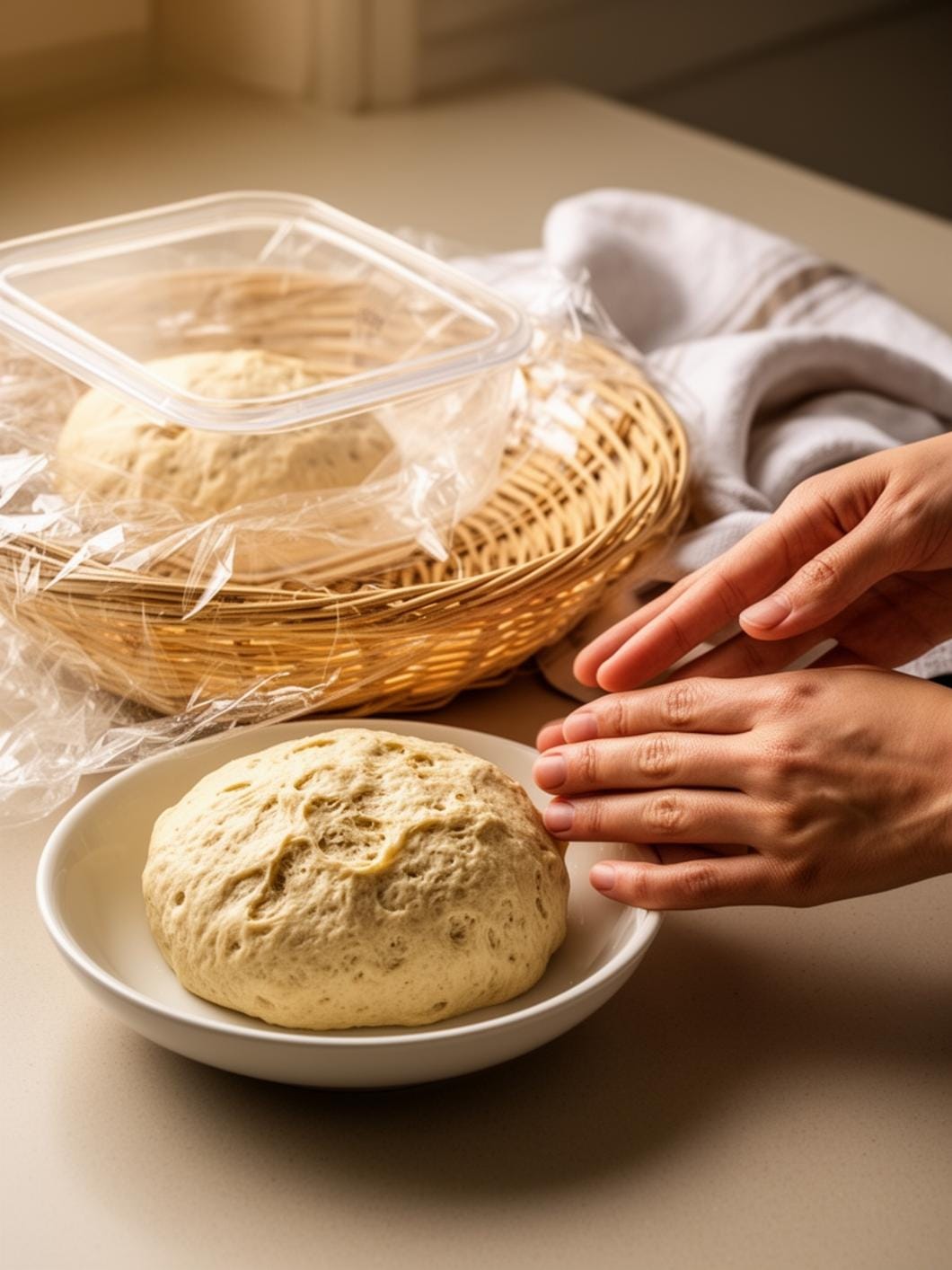
- Your prepared sourdough bread dough (after bulk fermentation and shaping)
- A clear container or proofing basket (banneton)
- Plastic wrap or a clean kitchen towel
- A warm spot in your kitchen (ideally 70-78°F / 21-26°C)
- Your hands (clean, of course!)
For observing your dough, a transparent container is incredibly helpful, as it allows you to see the activity within without disturbing the dough. If you’re using a proofing basket, ensure it’s well-floured to prevent sticking. A clean kitchen towel or plastic wrap will help maintain humidity around your dough, preventing a dry skin from forming, which can inhibit proper rising. The warmth of your kitchen is crucial; fermentation is a temperature-dependent process, and a consistent environment helps predict timing.
Time Needed From Start To Finish
Understanding when your sourdough dough is ready isn’t about a fixed time, but rather about observing specific indicators. The actual fermentation time can vary significantly based on several factors:
- Dough Temperature: Warmer dough ferments faster.
- Ambient Room Temperature: A warmer kitchen speeds up fermentation.
- Sourdough Starter Activity: A very active, mature starter will ferment dough more quickly than a sluggish one.
- Hydration Level of the Dough: Higher hydration doughs often ferment a bit faster.
- Flour Type: Different flours (e.g., whole wheat vs. white) can influence fermentation speed.
Generally, bulk fermentation (the first rise) can take anywhere from 2 to 6 hours at room temperature (70-75°F), sometimes longer in cooler conditions. The final proof (after shaping) can take 1 to 4 hours at room temperature, or significantly longer (8-18 hours) if cold-proofing in the refrigerator. The “time needed” is entirely dependent on these variables and your dough’s specific signals.
How To Make It Step By Step With Visual Cues

Assessing your sourdough dough’s readiness involves a series of observations. Here’s how to tell if your dough is perfectly fermented for baking:
- Observe the Volume Increase: During bulk fermentation, your dough should visibly increase in volume. For many recipes, a 20-50% increase in volume is a good indicator. For the final proof, look for a significant, but not excessive, increase in size, often around 30-70% depending on the desired outcome.
- Look for Surface Bubbles and Activity: The surface of your dough should show small bubbles, indicating gas production from the yeast and bacteria. If proofing in a clear container, you’ll also see bubbles forming on the sides and bottom of the dough.
- Check for a Domed, Smooth Surface: A well-fermented dough will often have a slightly domed, taut surface, especially after shaping and during the final proof. It shouldn’t look slack or deflated.
- Perform the “Poke Test” (for Final Proof): This is a classic method. Gently flour your finger and lightly press it into the dough about half an inch deep. * Under-proofed: The indentation springs back immediately and completely. The dough is too firm. * Perfectly Proofed: The indentation springs back slowly, about halfway, leaving a slight dimple. This indicates the dough is relaxed but still has structure. * Over-proofed: The indentation remains completely, or the dough deflates slightly. The dough feels very soft and fragile.
- Assess the Dough’s Jiggle and Movement: Gently shake your proofing container or banneton. A well-proofed dough will have a slight jiggle, indicating it’s airy and full of gas, but still holds its shape. An under-proofed dough will feel dense and firm, while an over-proofed dough might feel overly wobbly and fragile, threatening to collapse.
- Smell the Dough: A perfectly fermented sourdough dough will have a pleasant, slightly tangy, yeasty aroma. It shouldn’t smell overly sour or like alcohol, which can indicate over-fermentation. A lack of smell might suggest under-fermentation.
- Consider the Dough’s Texture: When gently handled (if necessary), the dough should feel light, airy, and somewhat elastic. It shouldn’t feel dense, heavy, or sticky in an unmanageable way.
Easy Variations And Serving Ideas That Fit Real Life
While this guide focuses on the fermentation process itself, understanding when your dough is ready directly impacts the quality of your baked bread. Once you’ve mastered this, your sourdough loaves will be perfect for a myriad of serving ideas:
- Classic Toast: A thick slice of perfectly fermented sourdough, toasted and slathered with butter, is a simple pleasure that highlights the bread’s flavor and texture.
- Sandwich Base: The sturdy crust and open crumb of well-fermented sourdough make it an ideal foundation for hearty sandwiches, from grilled cheese to deli meat creations.
- Bruschetta or Crostini: Slice thinly, toast, and top with fresh tomatoes, basil, garlic, and olive oil for an elegant appetizer.
- Soup Dippers: The robust texture holds up beautifully to soaking up flavorful broths and stews.
- Avocado Toast: A perennial favorite, especially with a sprinkle of everything bagel seasoning.
- With Cheese and Charcuterie: The tangy notes of sourdough pair wonderfully with a variety of cheeses and cured meats, making it perfect for a casual platter.
For kid-friendly options, consider making mini pizzas on slices of sourdough or serving it with their favorite jam or honey. The key is that a properly fermented dough yields a bread with superior flavor, texture, and crust, enhancing any meal.
Common Slip-Ups And How To Avoid Them
Even experienced bakers can misjudge fermentation from time to time. Here are some common mistakes and how to sidestep them:
- Baking Under-Proofed Dough: This is a very common mistake. The resulting bread will be dense, have a tight crumb, and often a very thick, chewy crust. The solution is to be patient and rely on the visual and tactile cues, especially the poke test, rather than just a timer.
- Baking Over-Proofed Dough: This leads to a loaf that spreads rather than rises in the oven, has a very weak structure, and a gummy or overly airy, fragile crumb. It might also taste overly sour. To avoid this, pay close attention to the poke test – if the indentation doesn’t spring back at all, you’ve gone too far. Consider cold proofing to slow down fermentation if you need more flexibility.
- Ignoring Room Temperature: Fermentation is highly temperature-dependent. A cold kitchen will significantly slow down the process, while a warm one will speed it up. Don’t expect the same timing for every bake. Learn to adjust by feel and observation.
- Not Using an Active Starter: A weak or sluggish starter won’t provide the necessary leavening power, leading to slow or stalled fermentation. Ensure your starter is fed and bubbly before mixing your dough.
- Relying Solely on a Timer: While recipes provide time estimates, these are just guidelines. Your dough will tell you when it’s ready, not the clock. Always prioritize the visual and tactile cues over strict timing.
- Disturbing the Dough Too Much: Especially during the final proof, excessive handling can deflate the delicate gas bubbles that have formed, leading to a less airy loaf. Try to minimize handling once
FAQs
- Can I make these ahead? Yes—prep ahead, refrigerate, then serve when ready.
- How long do leftovers last? Store covered in the fridge for 3–4 days for best texture.
- Can I adjust sweetness? Yes—add more or less sweetener to taste.
- Can I change the fruit? Yes—swap strawberries for blueberries, raspberries, or sliced banana.