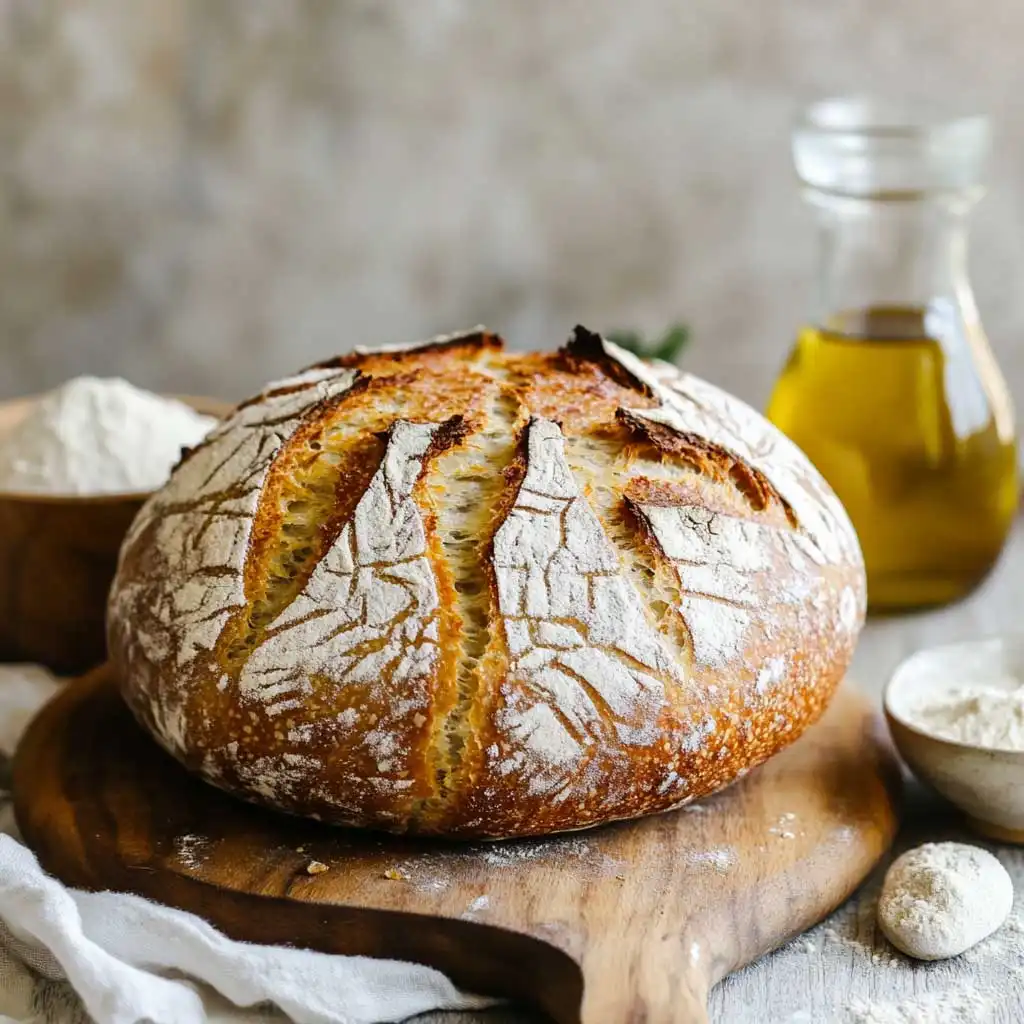

The Sourdough Veggie Detox Flatbread is a celebration of color, flavor, and wholesome nourishment. This colorful vegetable flatbread recipe blends the tang of sourdough with the freshness of seasonal produce, offering a delicious way to enjoy light, plant-focused meals. Perfect for spring and summer, this baked vegetable flatbread showcases a rainbow of ingredients that nourish your body while satisfying your craving for something hearty yet refreshing. In this guide, you’ll uncover the story behind the recipe, gather essential ingredients, follow step-by-step preparation tips, and discover creative ways to bake, serve, and enjoy your own vibrant veggie flatbread.

Discovering the Joy of Sourdough Veggie Detox Flatbread
A Family Memory Behind the Recipe
Every dish carries a story, and the sourdough veggie detox flatbread began as a simple family weekend experiment. During one sunny summer afternoon, I remember the joy of gathering fresh vegetables from the garden—zucchinis glistening with dew, bright bell peppers, and bunches of fragrant herbs. The kitchen filled with laughter as we shaped the flatbread dough, its sourdough base bubbling with life and promise.
What started as a casual meal soon became a cherished family favorite. The first bite revealed everything we were hoping for—soft yet crisp crust, layered with roasted vegetables that burst with sweetness. It quickly evolved into our go-to colorful vegetable flatbread recipe, especially after busy days when we wanted something light yet grounding. Each time we recreated it, new seasonal veggies found their way onto the flatbread, turning it into a celebration of nature’s abundance.
Print
Sourdough Veggie Detox Flatbread
- Total Time: 55 minutes
- Yield: 1 flatbread 1x
Description
A vibrant sourdough flatbread topped with seasonal vegetables for a colorful and nourishing meal. Tangy fermented dough meets fresh zucchini peppers onions spinach and optional cheese or herbs for a balanced plant focused dish.
Ingredients
Instructions
1. combine starter flours water olive oil and salt and knead until smooth
2. cover and let dough rise for 3 to 4 hours until doubled
3. preheat oven to 425°F 220°C
4. roll dough into 1/4 inch thick rectangle on parchment
5. pre bake crust for 7 10 minutes until pale golden
6. toss vegetables with olive oil salt and pepper
7. layer spinach then arrange vegetables on crust
8. drizzle with olive oil and add cheese and herbs if using
9. bake for 12 15 minutes until edges golden and toppings tender
10. remove and cool slightly then slice and serve
11. store leftovers airtight and reheat in oven
- Prep Time: 30 minutes
- Cook Time: 25 minutes
- Category: bread
- Method: baking
- Cuisine: international
Nutrition
- Serving Size: 4 slices
Keywords: sourdough, veggie flatbread, detox flatbread, baked vegetable, colorful flatbread, vegetable bread
Over time, this veggie flatbread became more than a meal; it symbolized a balanced way of eating. The combination of fermented dough and detox-friendly vegetables offered nourishment from both taste and health perspectives. The sourdough base brought that rustic tang and perfect chewiness, while the vibrant toppings—reds, greens, yellows, and purples—made every slice a piece of edible art. Whether enjoyed hot from the oven or cold the next day, this flatbread continued to represent wholesome comfort and the joyful rhythm of seasonal cooking.
The Inspiration for a Baked Vegetable Flatbread
The inspiration behind this baked vegetable flatbread grew from a love of fresh, garden-grown produce and the unique flavor depth of sourdough. Using sourdough as a base adds not only flavor but also incredible nutrition, as its natural fermentation supports gut health and improves digestibility. I wanted to create a recipe that captured the spirit of renewal—something visually stunning yet easy to make, energizing yet satisfying.
Imagine slices of ripe tomatoes, caramelized onions, roasted zucchini, and bell peppers sitting atop a golden crust that’s slightly tangy and crisp around the edges. Each layer contributes its own texture and vibrancy, making this colorful vegetable flatbread recipe as beautiful as it is nourishing. Inspired by simple ingredients and mindful eating, the sourdough veggie detox flatbread stands as a true balance between taste, health, and creativity—a dish that brings color, vitality, and joy back to the kitchen table.
How to Make Veggie Flatbread – The Ingredients and Tools You Need
Fresh Ingredients for a Colorful Vegetable Flatbread Recipe
Now that you know the heartwarming story behind the dish, it’s time to learn how to make veggie flatbread that’s as beautiful as it is nourishing. The secret lies in fresh, seasonal ingredients that come together to form layers of flavor and texture. Whether you’re using homegrown produce or farmers’ market finds, your baked vegetable flatbread will only taste as vibrant as the vegetables you choose. Below is a simple breakdown of the essential components.
| Component | Ingredients | Notes |
|---|---|---|
| Sourdough Dough Base | 1 cup active sourdough starter 1 ½ cups whole wheat flour ½ cup all-purpose flour ¾ cup warm water 1 tbsp olive oil ½ tsp sea salt | Mix and knead until smooth. Use more flour if needed for texture. |
| Toppings | 1 zucchini, sliced thinly 1 bell pepper (red or yellow), sliced 1 small red onion, thinly sliced 1 small tomato 1 cup baby spinach or kale 1 tbsp olive oil ½ tsp sea salt and black pepper | Toss veggies lightly in olive oil, salt, and pepper before layering them. |
| Optional Add-ons | Crumbled feta or goat cheese Fresh herbs (basil, parsley, oregano) Garlic or chili flakes Lemon zest | Add flavor and flair to your vegetable flatbread recipes. |
This list offers flexibility, letting you adjust according to what’s in season or what you already have. Roasted beets bring an earthy tone, while carrots add natural sweetness. The zing of herbs, sprinkled right before serving, enhances the freshness of every bite.
Ensure your sourdough starter is bubbly and active before making the dough. Combining it with whole wheat adds nuttiness and structure, giving your baked vegetable flatbread the perfect balance between softness and chewiness. For extra crisp edges, brush the crust with olive oil before baking.
Think of toppings in terms of flavor contrast and color harmony. Bright peppers and tomatoes add vibrance, while leafy greens balance the richness. The real secret to how to make veggie flatbread lies in light layering—enough coverage without weighing down the dough for an even, crisp bake.
Tools and Prep Tips for the Perfect Veggie Bread
Having the right tools ensures your flatbread bakes evenly and looks stunning. Use a mixing bowl, rolling pin, parchment or baking mat, baking tray or stone, and sharp knife or mandoline for slicing vegetables to uniform thickness.
- Pre-bake the crust: Bake the rolled-out dough 7–10 minutes before adding toppings to keep the center crisp.
- Roast veggies lightly: It deepens flavor and reduces moisture.
- Layer for color: Alternate colors for a rainbow effect on your baked vegetable flatbread.
- Avoid overloading: Too many toppings can make the crust soggy.
- Finish with flair: Drizzle with olive oil or herbs for added freshness.
Mastering these details elevates your vegetable flatbread recipes from simple to stunning. With ingredients and tools ready, it’s time to bake your own Sourdough Veggie Detox Flatbread.
Step-by-Step: Baking and Assembling Your Sourdough Veggie Detox Flatbread
Preparing and Baking the Perfect Crust
A beautifully baked crust is the foundation for a great colorful vegetable flatbread recipe. After mixing your sourdough starter, flour, water, salt, and olive oil, knead until smooth and let rise 3–4 hours in a warm place until doubled. This fermentation develops tang and gives the dough a light texture, distinguishing this baked veggie flatbread from ordinary bread.
Roll it out on a floured surface to about ¼ inch thick. Hand-stretching also works well for rustic edges. Preheat the oven to 425°F (220°C) and line your tray or stone with parchment. Brush the dough with olive oil and pre-bake 7–10 minutes until set but pale. This step prevents sogginess later and ensures crispness.
After pre-baking, cool the crust slightly—it should be firm but flexible. It’s now ready for your vibrant toppings. While it rests, reheat the oven for the final bake so that your veggie bread achieves that perfect, golden texture.
Topping, Baking Again, and Serving Your Flatbread
Think of your flatbread as a canvas. Start with a base of spinach or kale, then layer zucchini, bell pepper, tomato, and red onion. Keep balance in mind; each bite should hold color and flavor without overwhelming the crust. Drizzle olive oil, season lightly, and sprinkle cheese if desired. Bake another 12–15 minutes until golden and crisp, broiling a minute or two for slight char.
Let it rest before slicing so flavors meld and crust sets. Finish with basil, parsley, or lemon zest for brightness. Serve warm with dips or soups for a complete meal, or present on a wooden board at gatherings—the vibrant colors will steal the show.
This baked veggie flatbread keeps well for picnics or lunches. Store airtight and reheat briefly for crispness. Each slice delivers sourdough’s tang, roasted sweetness, and chew—a perfect union of simplicity and nourishment.
Tips, FAQs, and Conclusion – Making the Most of Your Veggie Flatbread
Pro Tips for Perfecting Every Flatbread Batch
Perfecting your baked vegetable flatbread depends on small adjustments. Maintain proper hydration: too much water makes sticky dough, too little yields dryness. Keep your starter active for flavor and lift. Adjust hydration slightly during humid days to achieve consistency.
Play with fresh herbs and textures. Basil gives subtle sweetness, oregano adds Mediterranean depth, and thyme complements roasted peppers. Try partially roasting vegetables for smokiness or layering fresh ones for brightness—each produces a new twist on your veggie bread.
Cool thoroughly before storage. Wrap in parchment or seal in a container for up to three days refrigerated, or freeze and reheat to revive crispness. These steps help your vegetable flatbread recipes remain delicious every time.
FAQs
1. Can I make sourdough veggie detox flatbread without a starter?
Yes. Replace the starter with a standard yeast dough. You’ll lose some tanginess but maintain great texture.
2. What vegetables work best?
Seasonal fresh veggies—zucchini, peppers, tomatoes, onions, beets, and spinach—offer the best color and nutrition.
3. How long does veggie bread stay fresh?
Up to three days if sealed properly. Reheat 5–7 minutes in a hot oven for that just-baked crunch.
4. Can it be made gluten-free?
Yes. Use a gluten-free sourdough blend and adjust moisture levels as needed.
5. What’s the ideal temperature for baking?
425°F (220°C) yields a crisp golden crust and perfectly cooked vegetables.
Conclusion
The Sourdough Veggie Detox Flatbread is more than a recipe—it’s a joyful act of mindful cooking. From mixing the dough to layering colorful vegetables, every step celebrates nourishment and creativity. This vegetable flatbread recipe turns simple ingredients into something extraordinary: golden, vibrant, and full of life.
Whether served at gatherings or enjoyed solo, this veggie bread embodies balance and comfort. Bake it often, experiment with new vegetables, and create your own wholesome tradition—a dish that nourishes body and soul alike.